10 Sweatshirt Cutting Ideas for Fall Layering
How to use this guide
Choose ideas based on the materials, time, skill level, and finish you can realistically manage. For any dye, bleach, paint, or alteration project, test on a spare piece first and follow the product safety instructions.
Every plain sweatshirt eventually hits the same wall: it looks exactly like the one hanging next to it, and the one after that. A closet full of identical crewnecks says nothing about the person wearing them, and buying another one solves nothing. A pair of scissors solves it fast. One cut sleeve, one sliced hem, one knotted strip of fabric changes a mass produced basic into something that looks pulled from a small batch collection, and it takes minutes, not a sewing machine. A hooded version of the same idea gets its own treatment in upcycling an old hoodie into custom streetwear.
This guide walks through 10 cutting techniques, from waist cutouts tied with drawstring to fringe hems that swing at the knee, each paired with a full look built for fall layering. Some suit a quiet Tuesday, others hold their own on a night out, and everyone starts with a sweatshirt already sitting in a drawer.
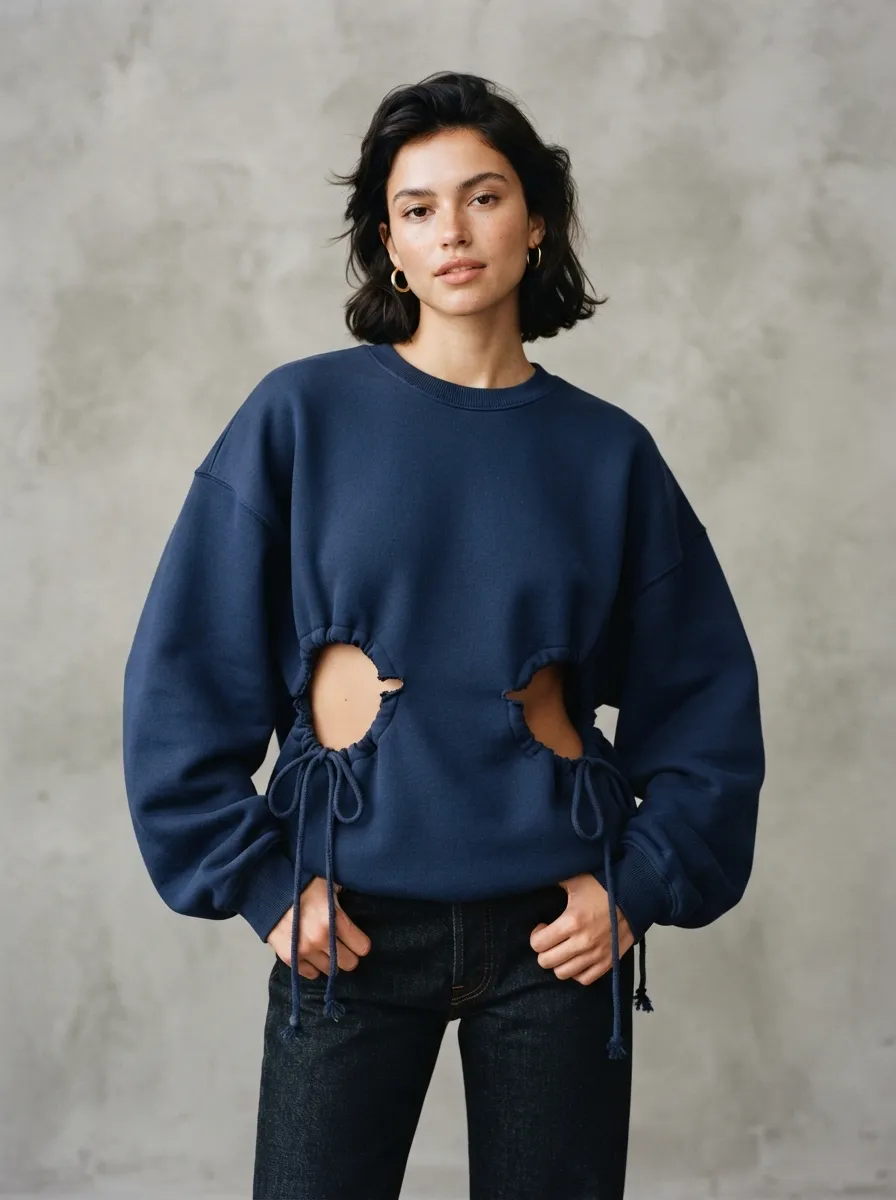
Twin Cutout Tie Sweatshirt
A navy sweatshirt takes on new shape when two round openings appear right at the waist. Cotton drawstrings gather each edge and tie off in loose knots, giving the fabric a cinched, sculpted look. Sleeves stay full and dropped, keeping the silhouette relaxed up top while the waist does something unexpected. Denim jeans ground the look and let the cutouts stay the focus. This project works well on an old crewneck that fits loose through the body. Mark two circles at hip level, cut clean, then thread cord through small holes around each edge. Pull tight and knot. Skin peeks through just enough to feel intentional rather than accidental. Pair with straight leg denim and gold hoops for a finished, wearable result that still reads as handmade.
Open Back Halter Tie Sweatshirt
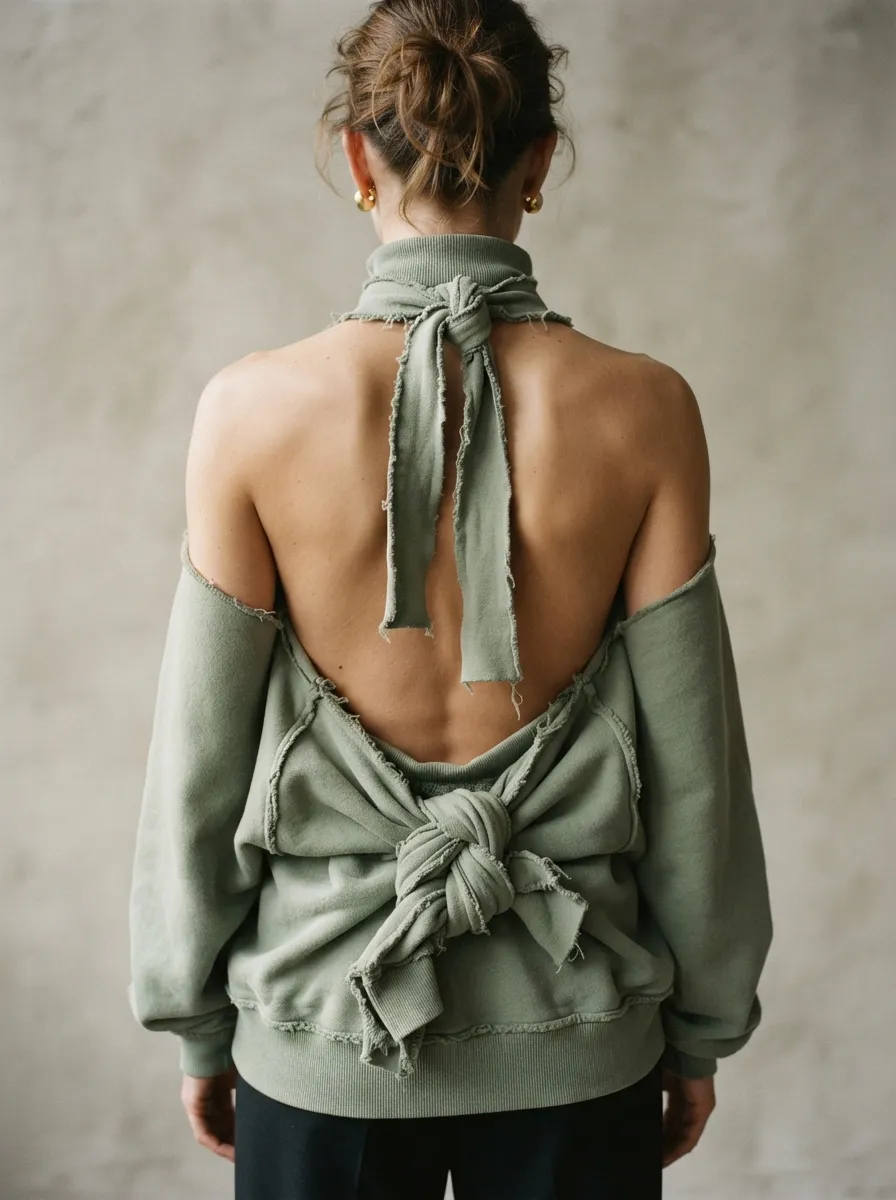
Sage green cotton turns into a halter when the back opens up completely. A frayed strip wraps around the neck and knots at the nape, then another length ties low on the spine, holding the whole thing together. Shoulders stay bare while sleeves keep their original volume, so warmth and exposure balance each other out. Raw, unfinished edges run along every cut line, giving the piece a lived in texture. Small gold hoops complete the styling without pulling focus. To recreate this, slice the back panel into two long strips, leave the hems raw, and knot them by hand. Black trousers keep the rest of the outfit simple, letting the back detail carry the whole look on its own.
Shredded Sleeve Cascade Sweatshirt
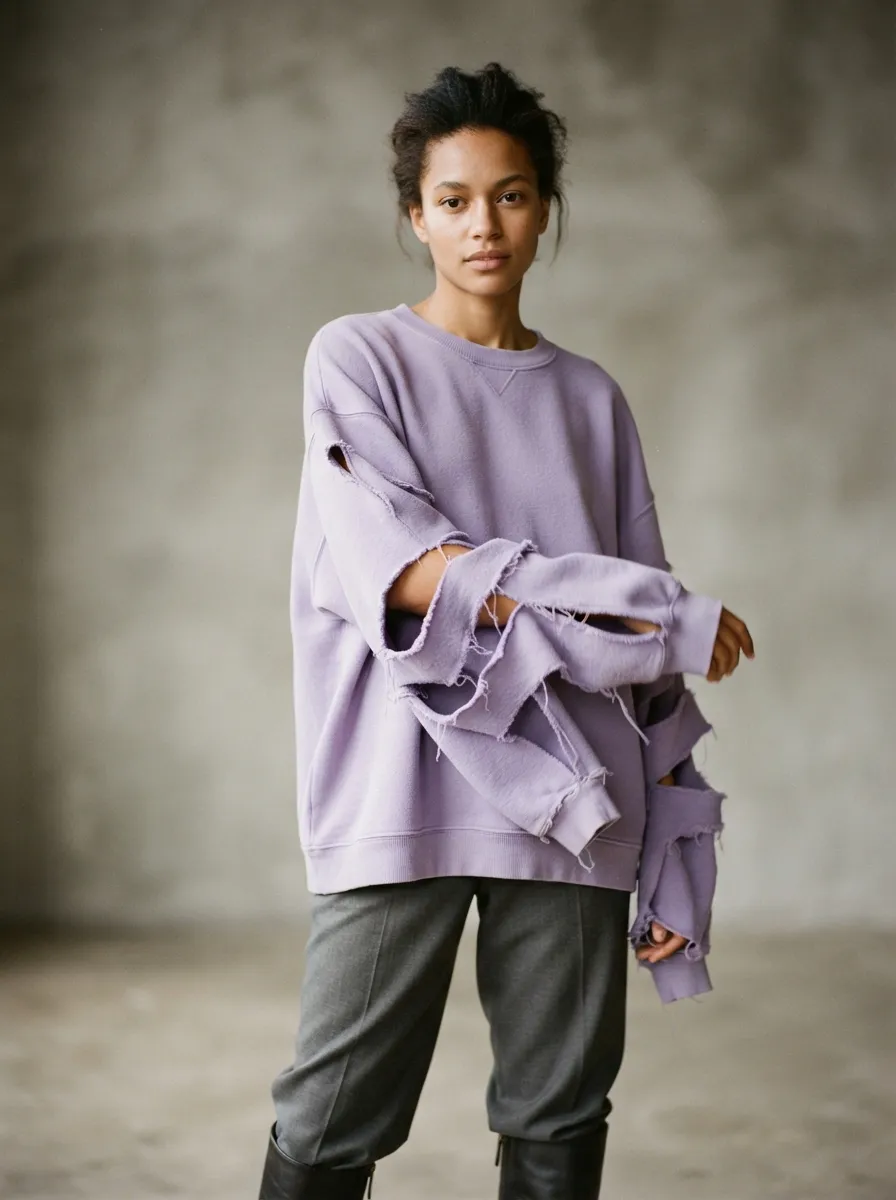
Lavender fleece gets an entirely new arm treatment in this design. Long slits run down each sleeve, then break into cascading strips that hang loose past the wrist. The body of the sweatshirt stays oversized and untouched, so all the drama sits in the arms alone. Frayed edges catch the light and move with every gesture, turning a plain sleeve into something closer to fringe. Grey trousers and tall boots keep the rest of the outfit grounded. Cutting this at home just needs sharp scissors and patience: slice several parallel lines from elbow to cuff, then trim uneven bits for texture. No sewing required. The result feels a bit chaotic in the best way, perfect for anyone bored of a plain crewneck silhouette.
Cropped Kimono Slit Sweatshirt
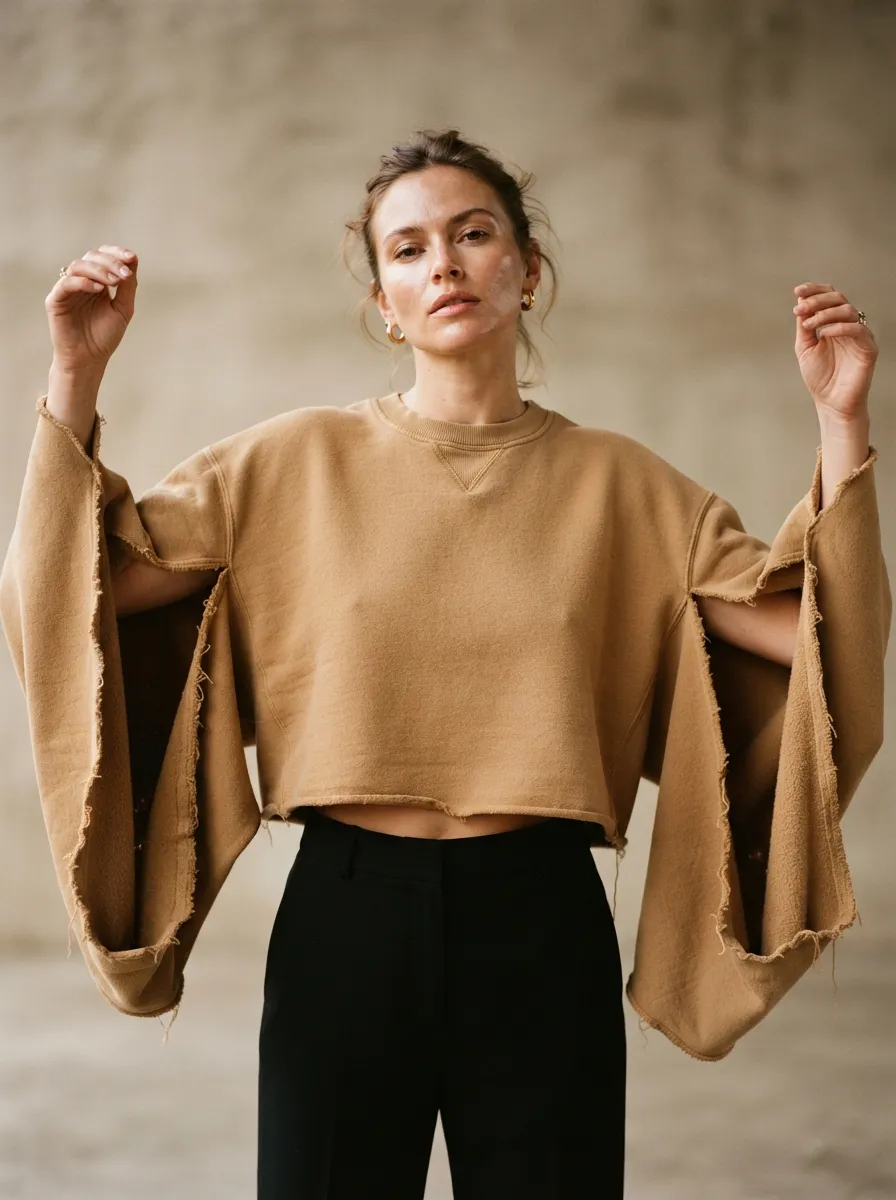
Camel fleece shifts into something closer to a robe once both sleeves get sliced open along the under seam. Arms hang loose from shoulder to wrist, catching air like wide kimono sleeves rather than sitting fitted. The body crops short above the waist, raw along the hem, no folding or stitching involved. Black trousers sit high and balance out the volume above. This cut suits a sweatshirt that already runs a size or two large, since the extra fabric gives the slit room to fall properly once opened. Simply cut straight along the underarm seam from cuff to hem, then let the edges fray naturally with wear and washing. Gold jewellery adds a small polished touch against all that raw texture.
Lattice Weave Back Sweatshirt
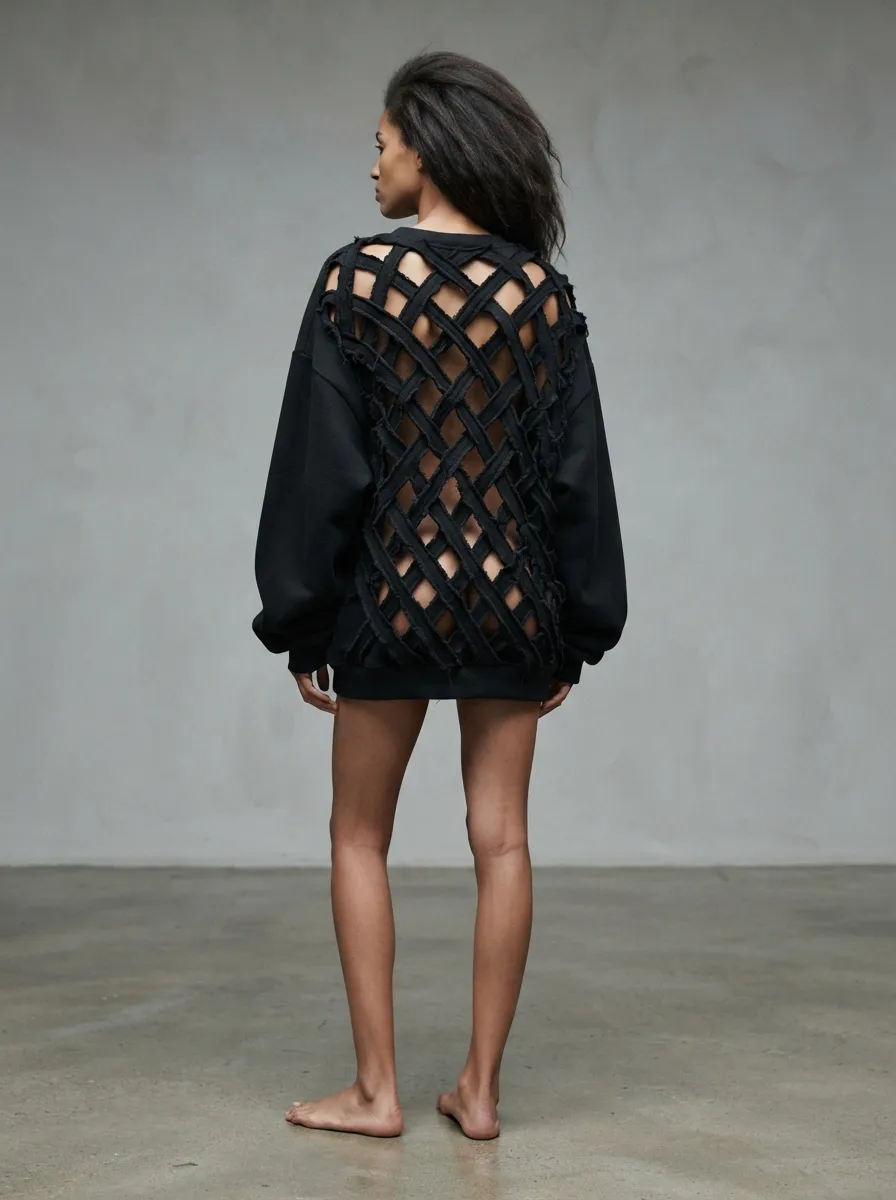
Black cotton transforms into a woven cage across the entire back panel here. Strips of fabric crisscross diagonally, overlapping in a basket pattern that leaves skin visible through every gap. Sleeves and front stay untouched and oversized, so the back becomes the sole focal point. Fraying along each strip softens what would otherwise read as a sharp, structured cut. This technique takes more time than most cutting projects since strips need to be sliced evenly and then woven under and over one another before securing the ends. Bare feet and minimal styling let the sweatshirt speak for itself. Anyone comfortable with a craft knife and a bit of patience can pull this off, though a test panel first is worth the effort.
Fringe Hem Sweatshirt Dress
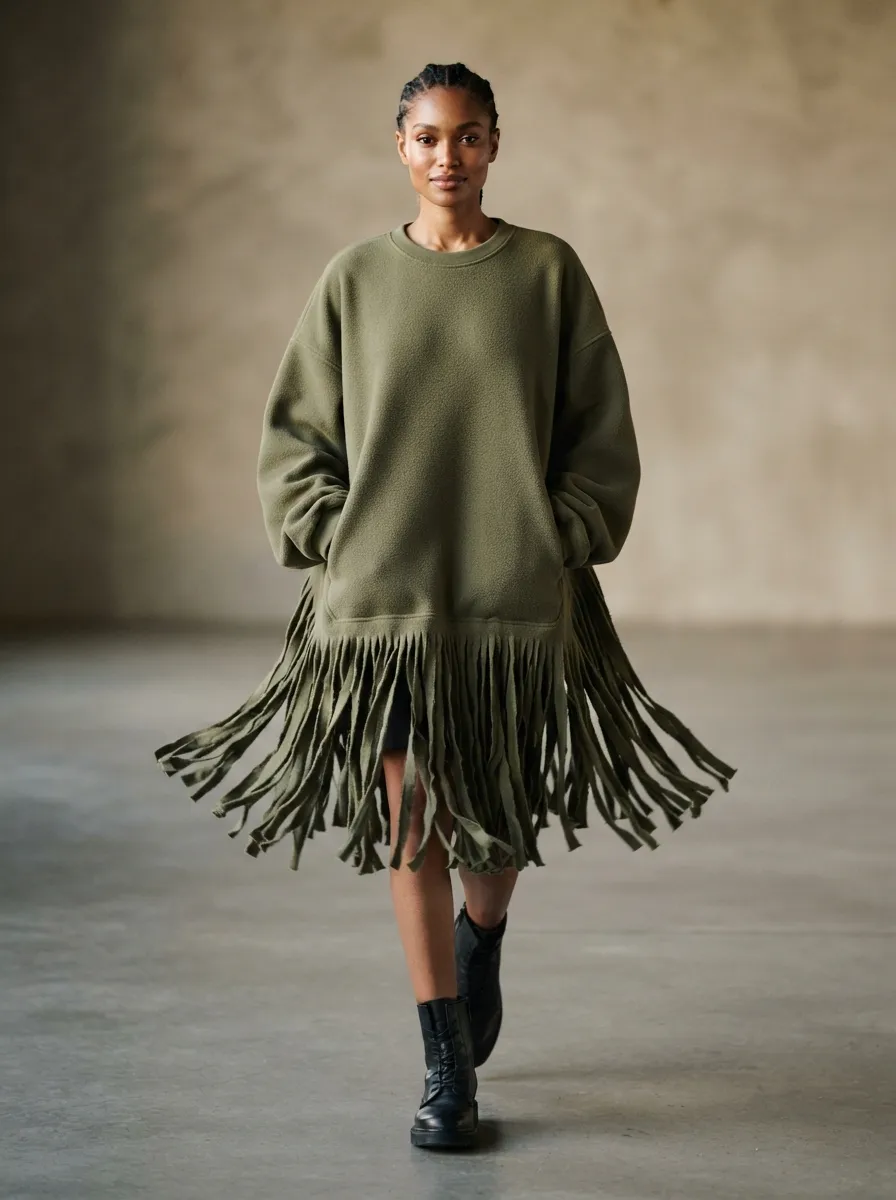
Olive fleece drops past the hip and ends in dense, swinging fringe that moves with every step. Dozens of narrow strips replace what would normally be a plain hem, turning the sweatshirt into something closer to a dress. Sleeves stay full and sit low on the arm, keeping proportions relaxed against all that motion below. Combat boots add weight and structure to balance the softness of the fringe. Cutting this at home means slicing the bottom several inches into even strips, spaced close together, then leaving raw edges to curl with wash and wear. A longer, oversized sweatshirt works best for this project since the extra length gives the fringe somewhere to actually swing.
Cropped Shoulder Peekaboo Sweatshirt
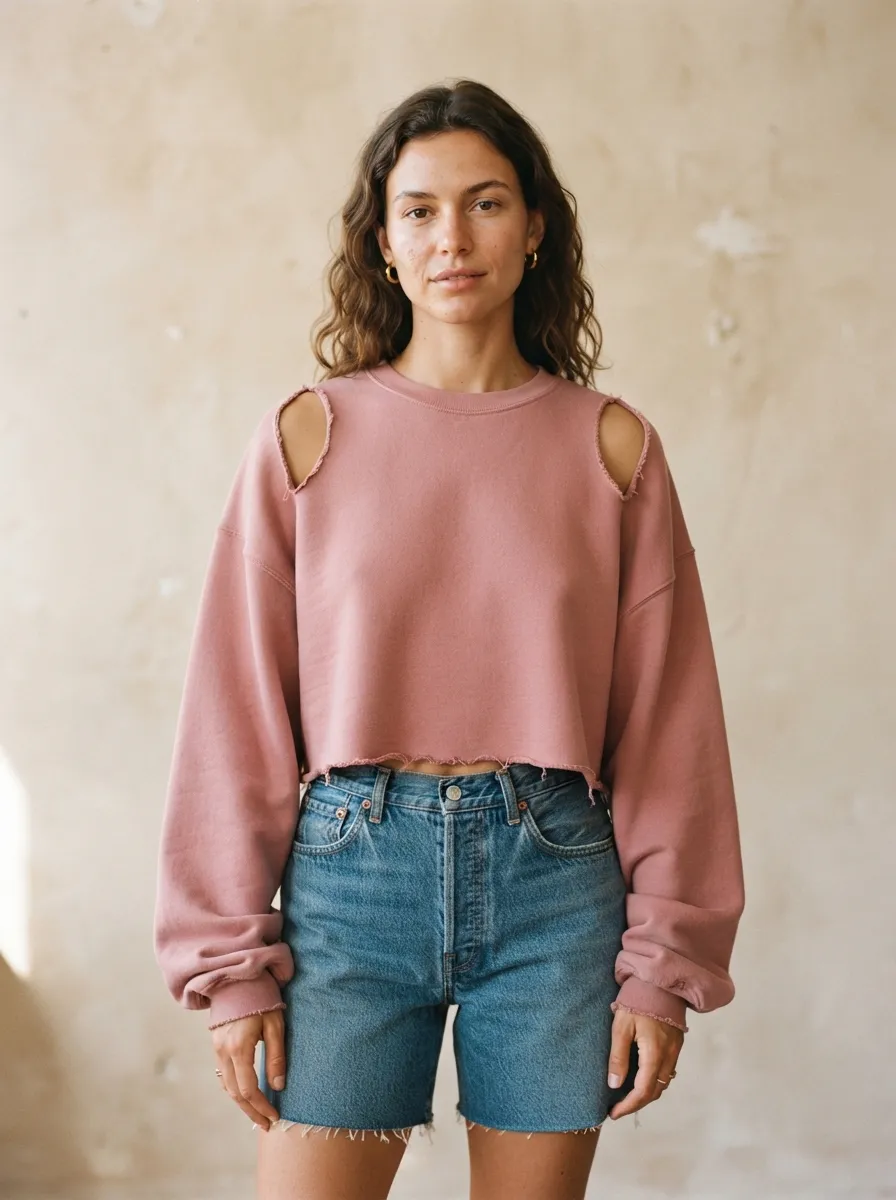
Dusty pink fleece gets small teardrop openings cut right at each shoulder seam, letting a sliver of skin show through on both sides. The crop stops just above the waist, hem left raw and slightly uneven. Sleeves stay loose and full, keeping the overall shape relaxed despite the cropped length. Denim shorts with a frayed hem echo the raw texture up top. This cut suits anyone who wants a subtle detail rather than a dramatic one, since the openings sit small and symmetrical. Mark a short oval at each shoulder seam, cut through both fabric layers, then pull gently to widen the gap. Trim the hem short and let it fray on its own over a few washes for the most natural finish.
Deconstructed Cowl Neck Sweatshirt
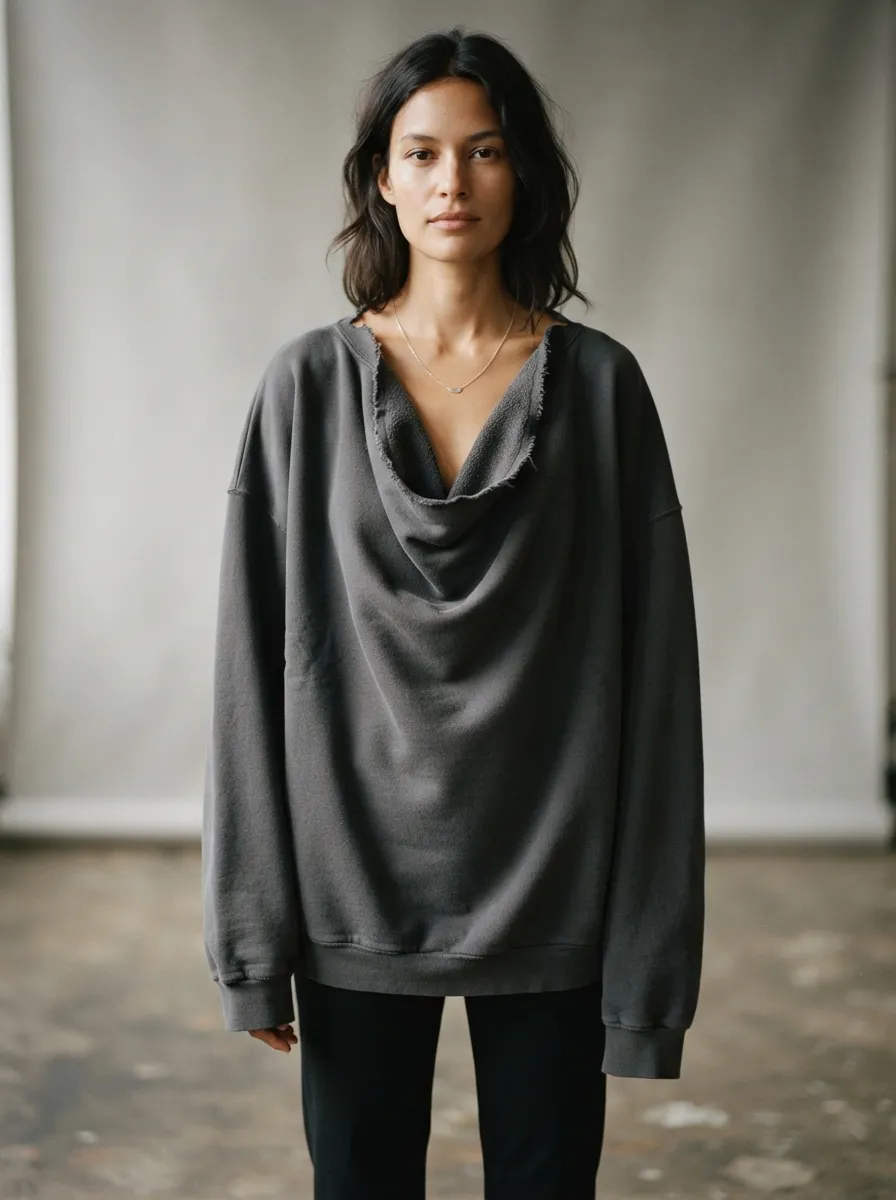
Charcoal fleece drapes into a deep cowl once the collar gets reshaped and left unfinished. Fabric pools low across the chest, held loosely rather than fitted, with frayed edges running the full curve of the neckline. A thin necklace sits against bare skin, visible through the wide opening. Sleeves and body keep their original oversized cut, so the neckline alone carries the transformation. Getting this shape means cutting the collar wider and lower than the original seam, then working the extra fabric into loose folds by hand rather than stitching it flat. Black trousers underneath keep the outfit simple and let the draped neckline do the talking. A soft, worn sweatshirt drapes best for this particular cut.
Corset Lace Side Sweatshirt
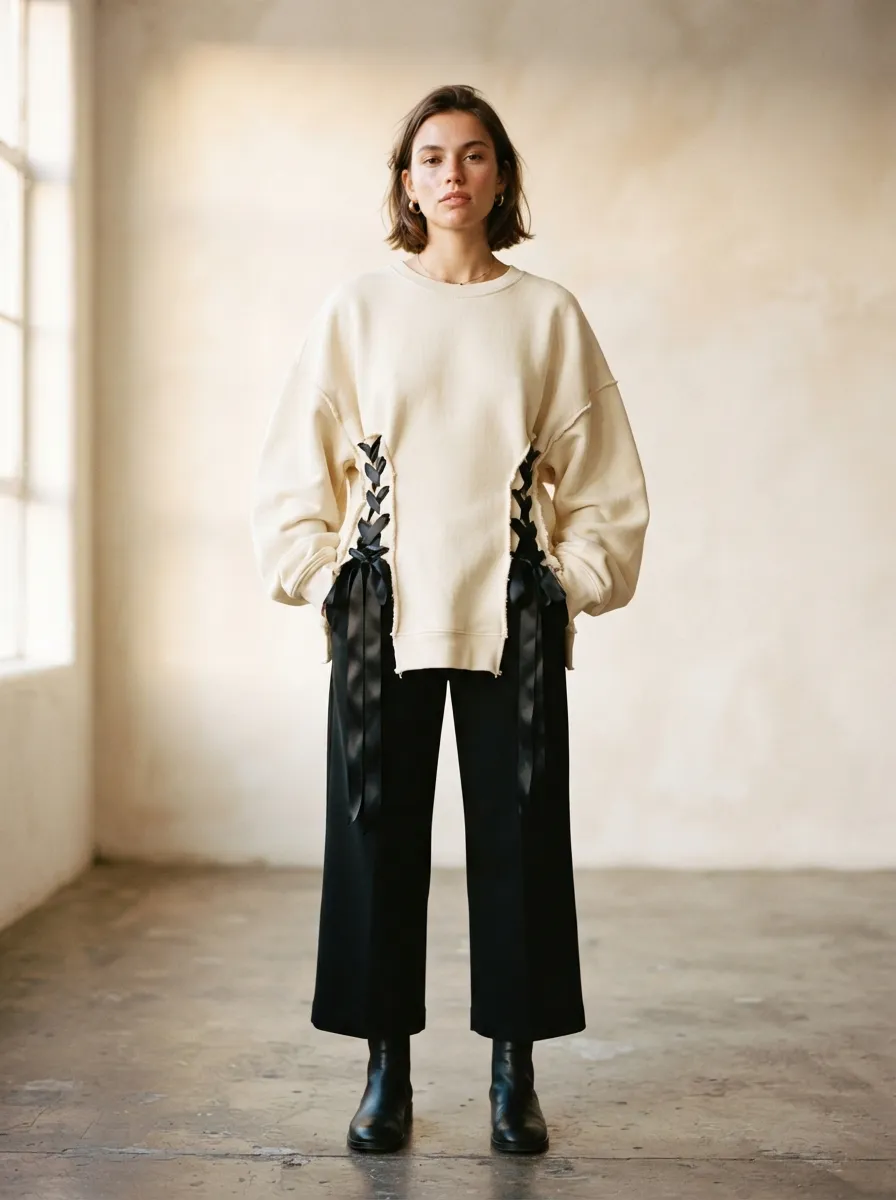
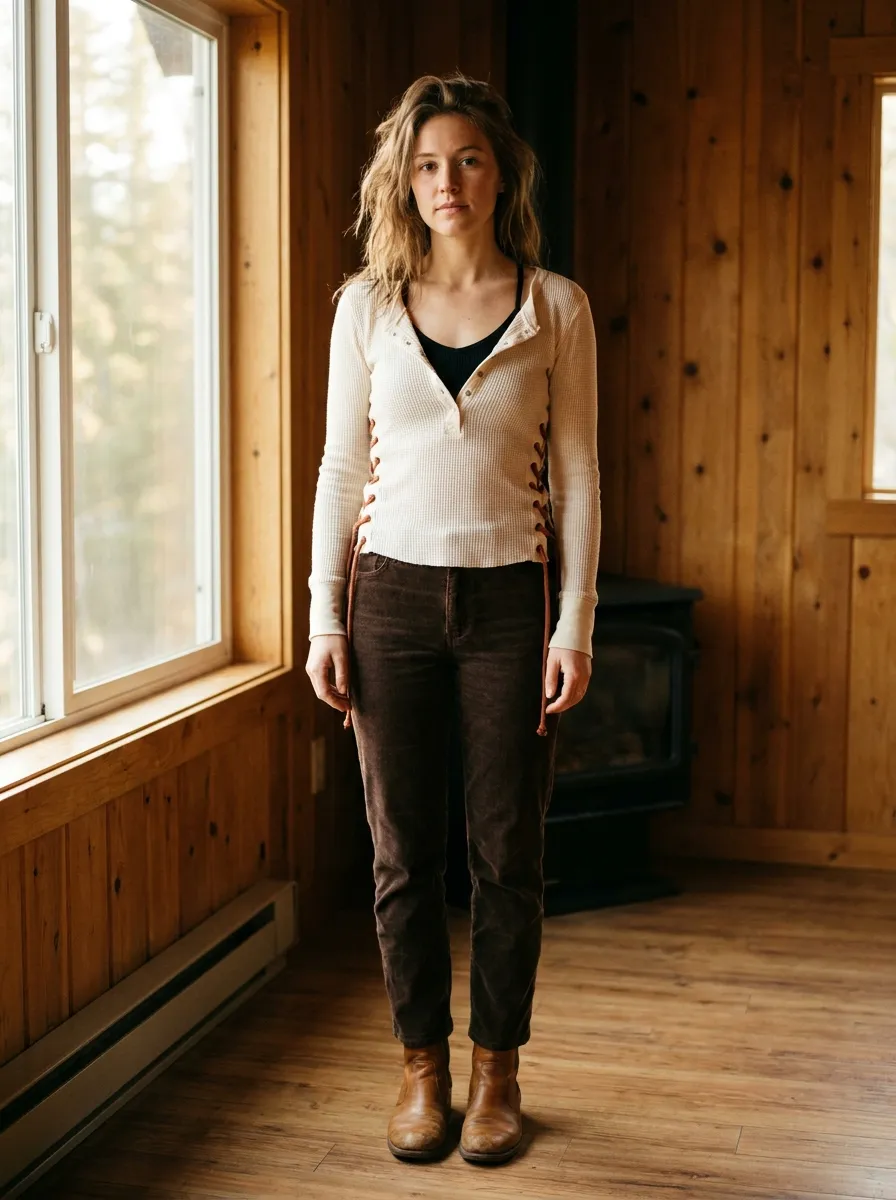
Cream fleece gets cinched at both sides once vertical slits are cut and threaded with black ribbon in a corset style lace. Grommet like eyelets line each side seam, pulling the fabric in and creating shape where the sweatshirt would otherwise hang straight. Sleeves stay loose and the crewneck collar stays untouched, so the waist detail alone reshapes the whole silhouette. Wide black trousers and boots keep the rest of the outfit clean and structured. Recreating this takes a bit more setup, small holes punched along each side seam, then ribbon laced through in a crisscross pattern and pulled tight. Loosen or tighten the lacing depending on how fitted a shape feels right for the day.
Off Shoulder Slash Cutout Sweatshirt
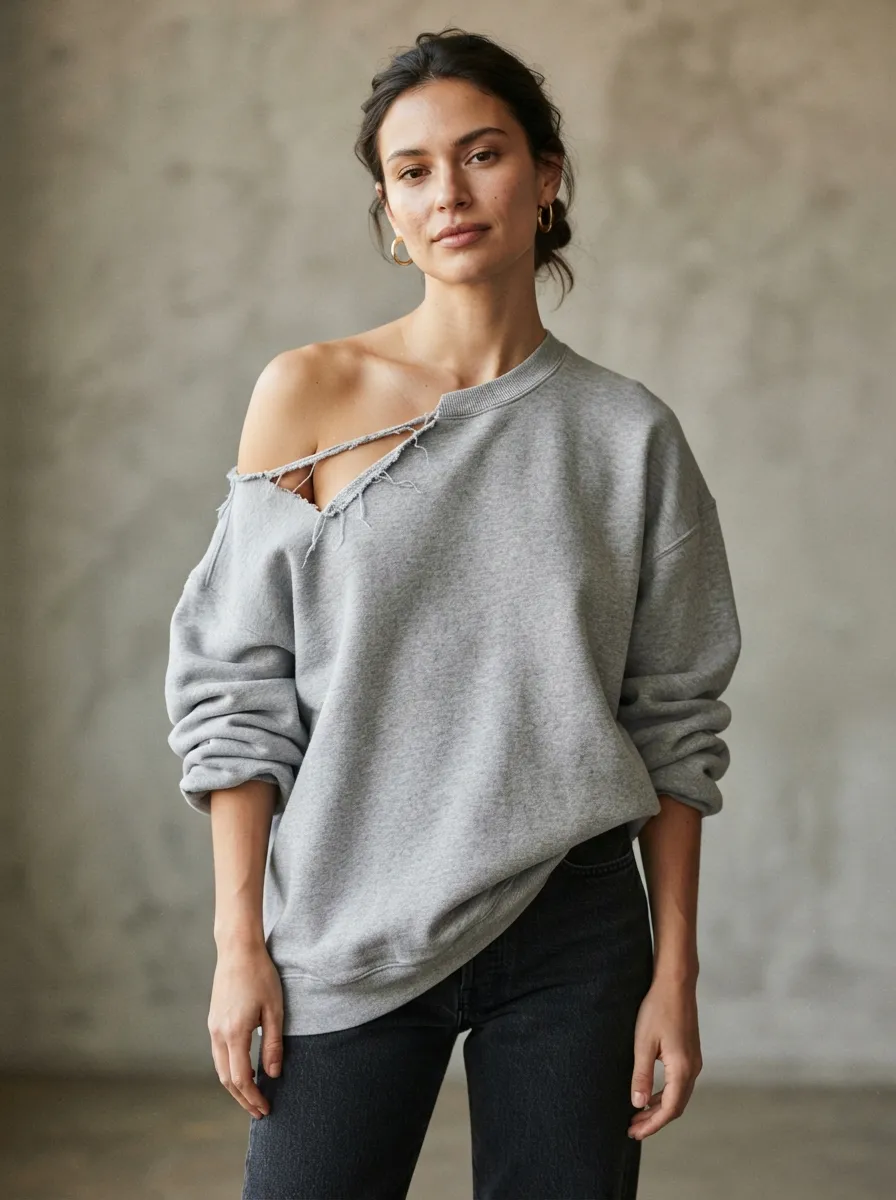
Heather grey fleece slips off one shoulder while a small angled cutout opens just below the collarbone on the same side. The neckline sits asymmetric, higher on one side and dropped bare on the other, with frayed threads hanging loose around the slash. Sleeves stay oversized and slouchy, adding contrast to the sharper cut at the neck. Dark denim keeps the bottom half simple against all that asymmetry up top. This cut works on almost any crewneck: slice a diagonal opening near one shoulder seam, pull the collar down on that same side, and let the edges fray with time. A single gold hoop on each ear finishes the look without competing with the neckline detail.
Sweatshirt Cutting Questions, Answered
What is the easiest way to cut a sweatshirt without sewing?
Waist cutouts and simple slashed sleeves need only sharp fabric scissors and no needle work. Mark your shape with chalk first, cut slowly, and let raw edges fray naturally through washing. Corset lacing and woven back panels take longer since they involve threading cord or ribbon by hand.
Can you wear a cut sweatshirt in cold weather?
Yes, though the technique matters. Shoulder cutouts and off shoulder slashes work fine under a coat or jacket in fall. Full back openings or deep cowl necks lose more warmth, so save those for layering over a turtleneck or bodysuit once temperatures drop further.
What kind of sweatshirt works best for DIY cutting projects?
A plain, oversized crewneck in thick cotton fleece holds a cut edge better than thin or blended fabric. Older sweatshirts already softened by washing fray more naturally too. Avoid anything with side seams or panels, since plain construction gives cleaner, more predictable results.
How do you keep the cut edges from unravelling too much? Cotton fleece frays on its own but slows down after a few washes as loose threads fall away naturally. For more control, run a line of fabric glue or a loose zigzag stitch just inside the cut edge before wearing it the first time.
Can you dress up a cut sweatshirt for a night out?
Certain cuts move easily from casual to evening. Corset lacing, lattice back panels, and off shoulder slashes read more polished than a plain crewneck. Pair one with tailored trousers, heeled boots, and gold jewellery instead of denim to shift the whole look upward.
What is a budget friendly way to try this trend?
Skip buying anything new. Thrifted sweatshirts or older ones already sitting unused in a drawer work just as well, often better, since worn cotton frays more evenly. A pair of scissors and maybe some ribbon or cord covers the entire cost of most of these projects.
Your Cut, Your Sweatshirt, Your Rules
None of these techniques come with a right answer. Some readers will gravitate toward a quiet slit at the shoulder, others toward a full fringe hem that moves with every step. What matters is picking the cut that actually feels like you, not the one that looks best on someone else. Oversized sweatshirt cutting rewards a bit of nerve.
Bookmark this one before your next slow weekend and send it to a friend staring down a pile of old crewnecks. Cold season gives plenty of chances to grab the scissors and try another look from this list.