14 Upcycled Clothing Ideas to Revive Vintage Pieces
How to use this guide
Choose ideas based on the materials, time, skill level, and finish you can realistically manage. For any dye, bleach, paint, or alteration project, test on a spare piece first and follow the product safety instructions.
You look at a sturdy denim jacket or a wool skirt that fits well but feels dated. It sits in your drawer because the silhouette belongs to a different decade. Instead of discarding these gems, you can use 14 upcycled clothing ideas to give vintage pieces new life through minor structural changes. This approach keeps quality textiles out of landfills while building a wardrobe that fits your current body and aesthetic preferences.
This guide provides 14 distinct methods to transform thrifted finds into modern staples. We focus on practical sewing adjustments, smart tailoring, and styling shifts that change the character of a garment. Whether you have basic needle skills or prefer no sew techniques, these steps help you reclaim your style. You will find specific advice on silhouettes, fabric care, and pairing strategies to ensure your finished pieces look intentional rather than makeshift.
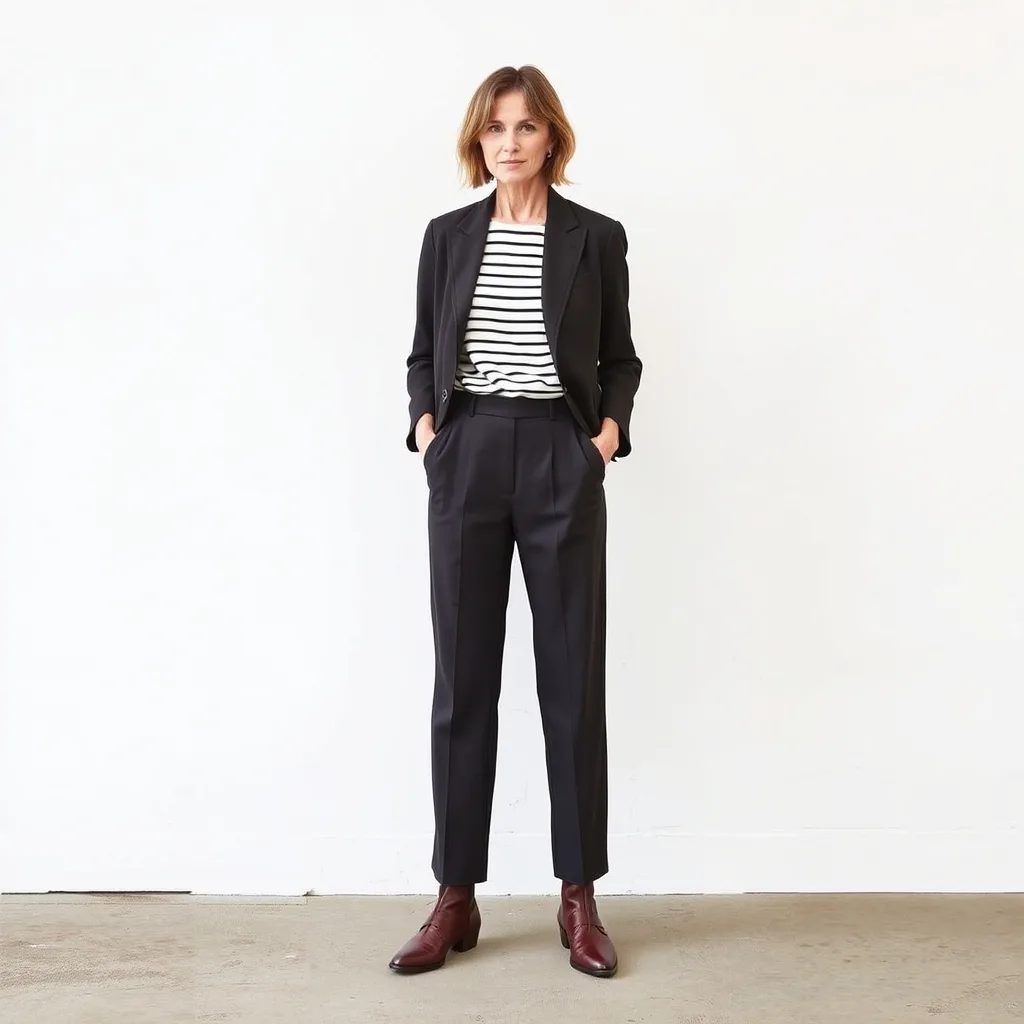
Cropped Boxy Blazer
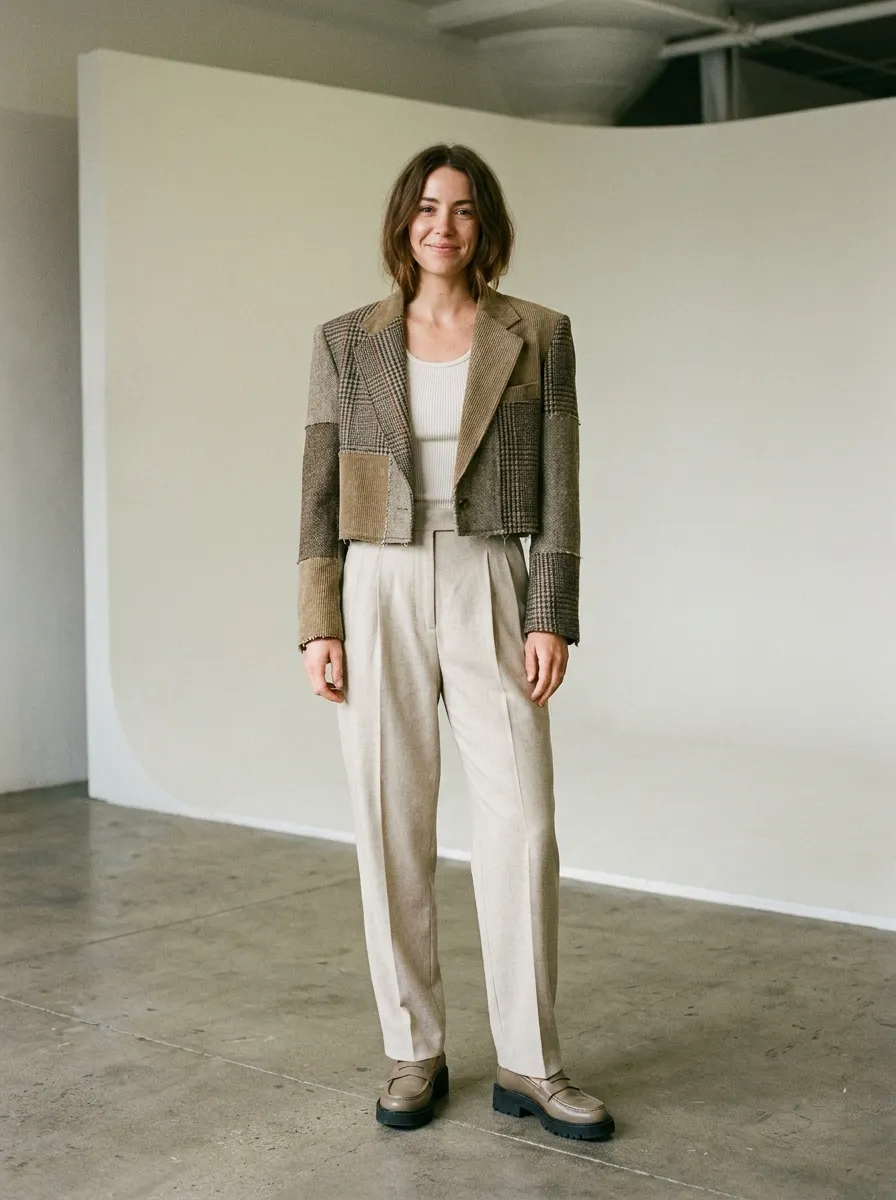
Take an oversized blazer with bulky shoulder pads and remove the lining to shorten the hem. Cut the length to hit just above your hip bone for a modern boxy look. Pair this with high waisted trousers to balance the volume. Keep the original buttons for a vintage touch. A limitation here involves the internal construction. If the blazer is fully canvassed, you might need a tailor to handle the internal structure to avoid puckering at the new hemline. This piece works well for professional settings where you want a relaxed edge.
Midi Skirt from Maxi Dress
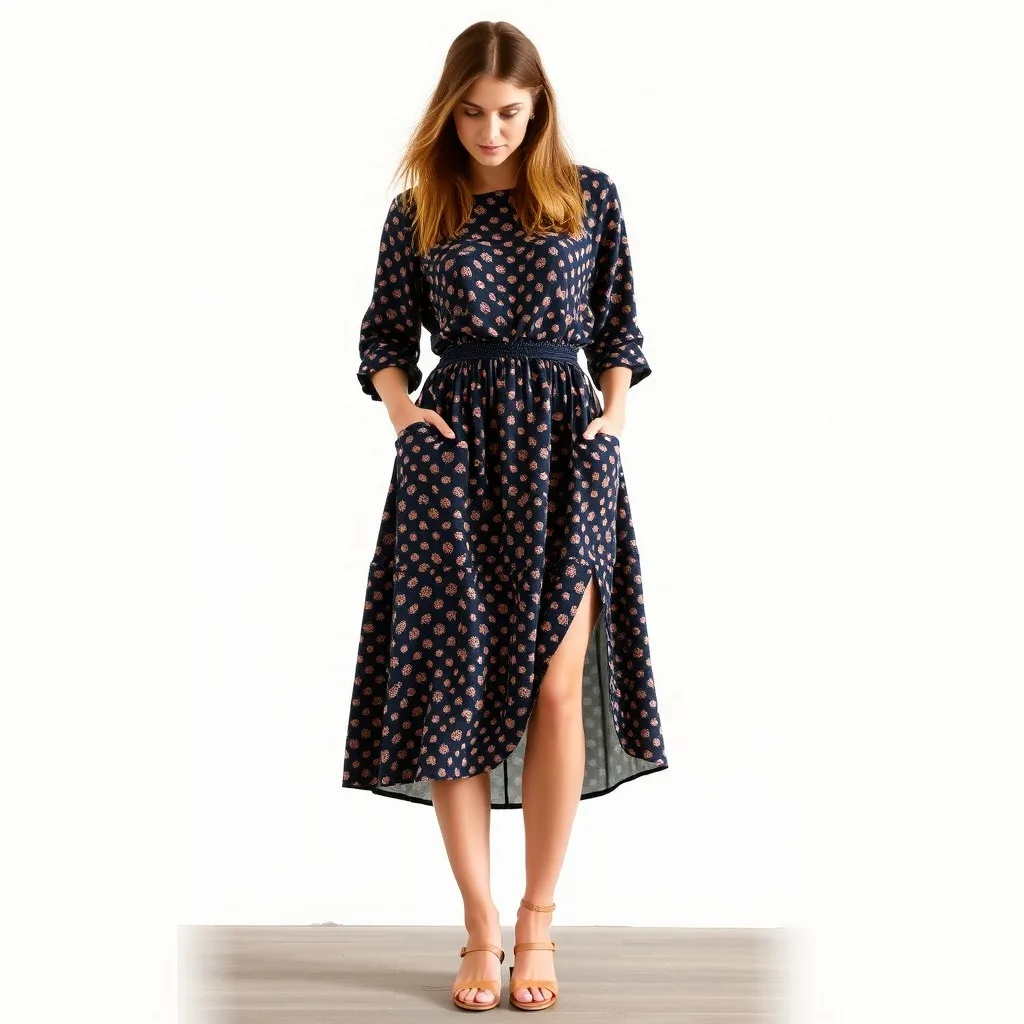
Many vintage maxi dresses feature beautiful patterns but feel too formal for daily wear. Measure a hemline that falls at your mid calf and trim the excess fabric. You can use the leftover material to create a matching hair accessory or a small pocket. The midi length allows you to show off your footwear, making it a versatile choice for spring or autumn. Be mindful of the original side slit placement, as cutting the length might alter how the garment moves when you walk.
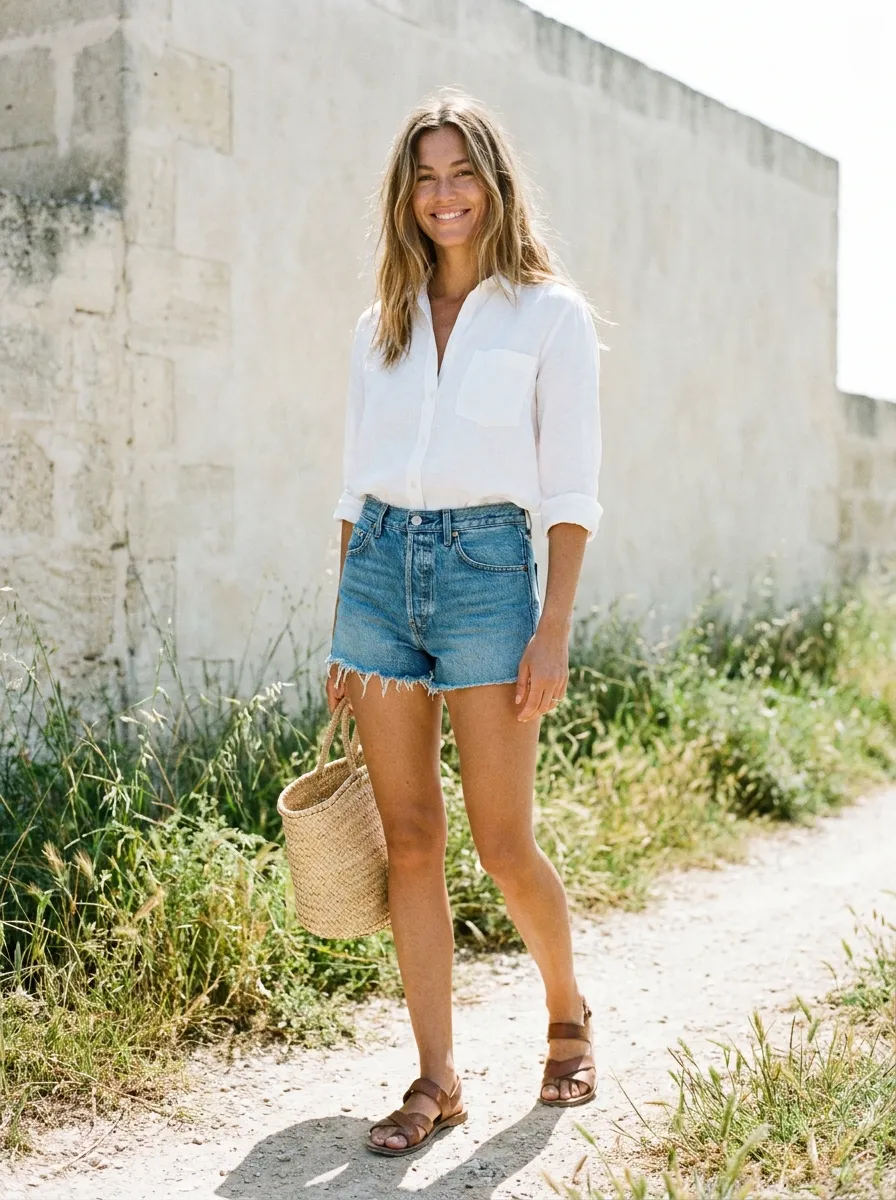
Frayed Hem Denim Cutoffs
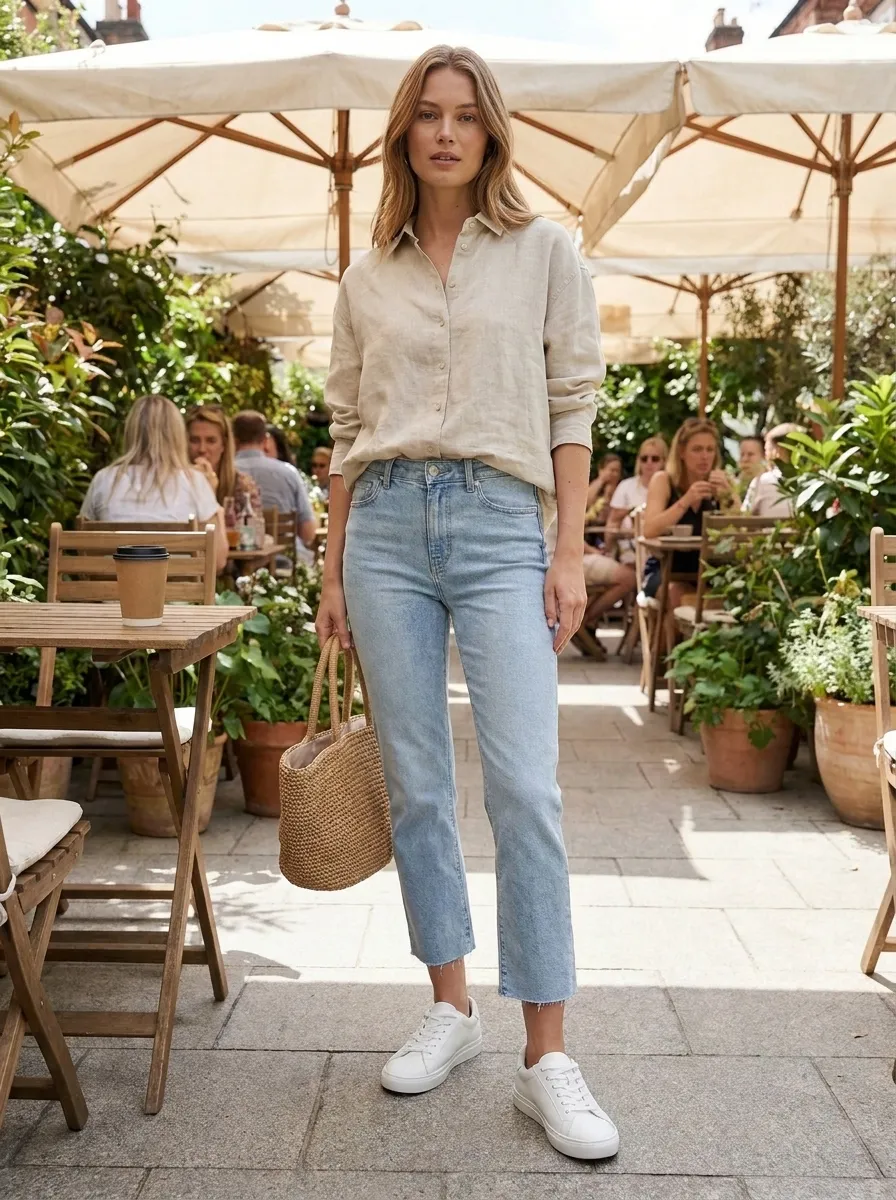
Find a pair of high rise vintage jeans with a worn out knee or a dated flare. Cut the legs to your preferred length, leaving an extra inch for fraying. Wash the shorts once to encourage the threads to loosen naturally. These are a summer staple for casual weekends. A comfort note is to avoid cutting too short if the denim is rigid, as rigid fabric lacks the stretch needed for active movement. Pair these with a tucked in linen shirt for a balanced look.
Sleeveless Vest from Men Shirt
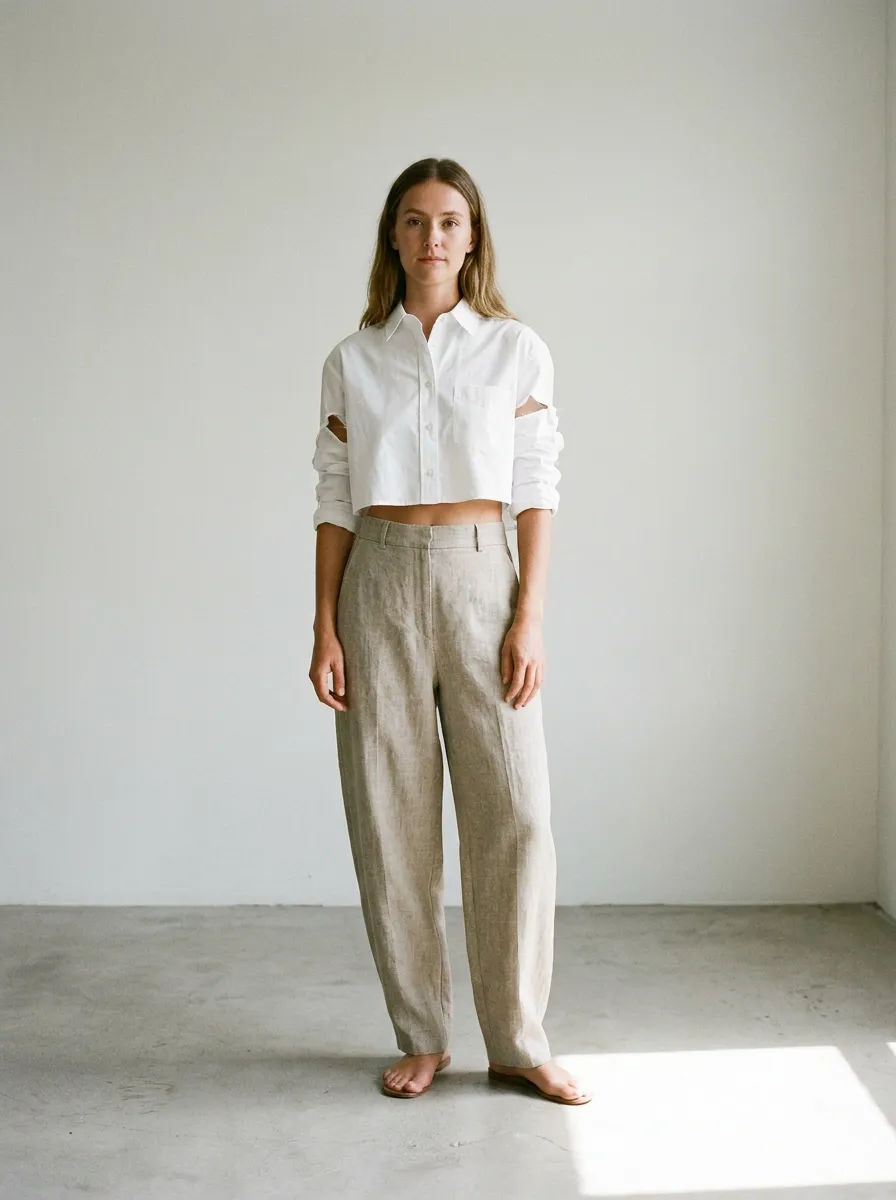
Source a large men shirt in a quality cotton or linen blend. Remove the sleeves carefully at the shoulder seam and hem the armholes for a clean finish. You can wear this buttoned up as a top or open over a dress. This creates a structured yet breathable layer. A care point is to ensure you press the new armhole seams flat to maintain a sharp appearance. It works well for layering in transitional weather when you need a light extra piece.
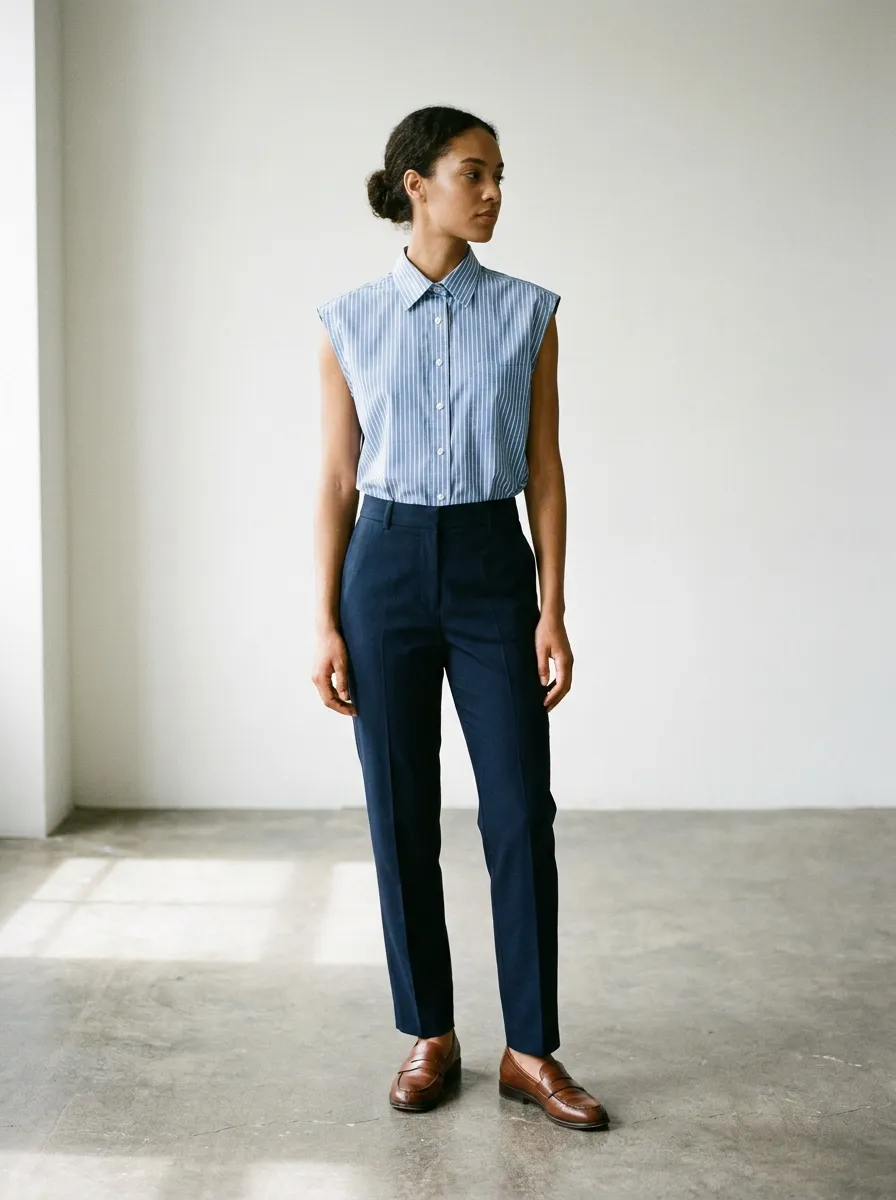
Tapered Leg Trousers
Vintage trousers often feature a wide leg that can feel overwhelming. Pin the inner seam from the knee down to create a gentle taper toward the ankle. Stitch the new seam and press it open to avoid bulk. This update transforms a baggy pant into a sleek cigarette style. These look great with loafers or slim boots. Be careful not to make the opening too small, as you need enough room for your foot to pass through comfortably when putting them on.
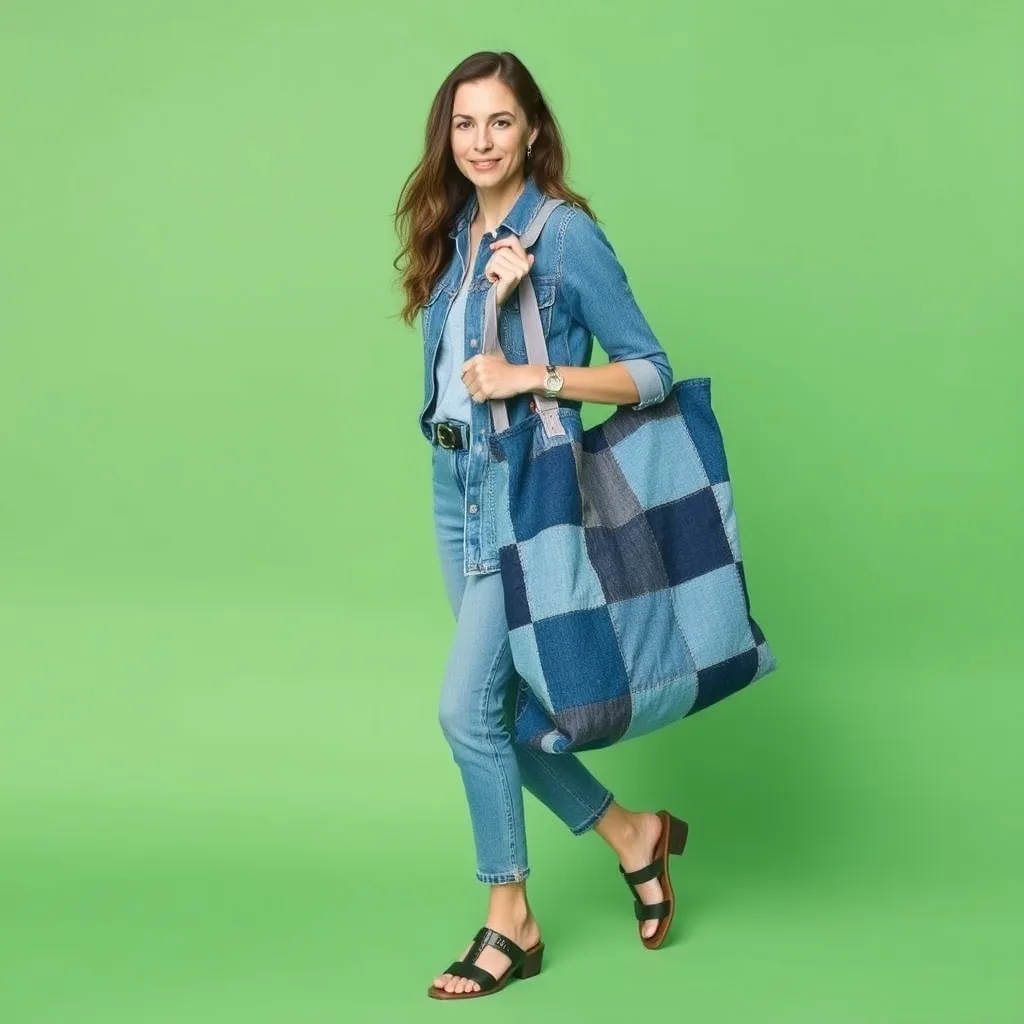
Patchwork Denim Tote
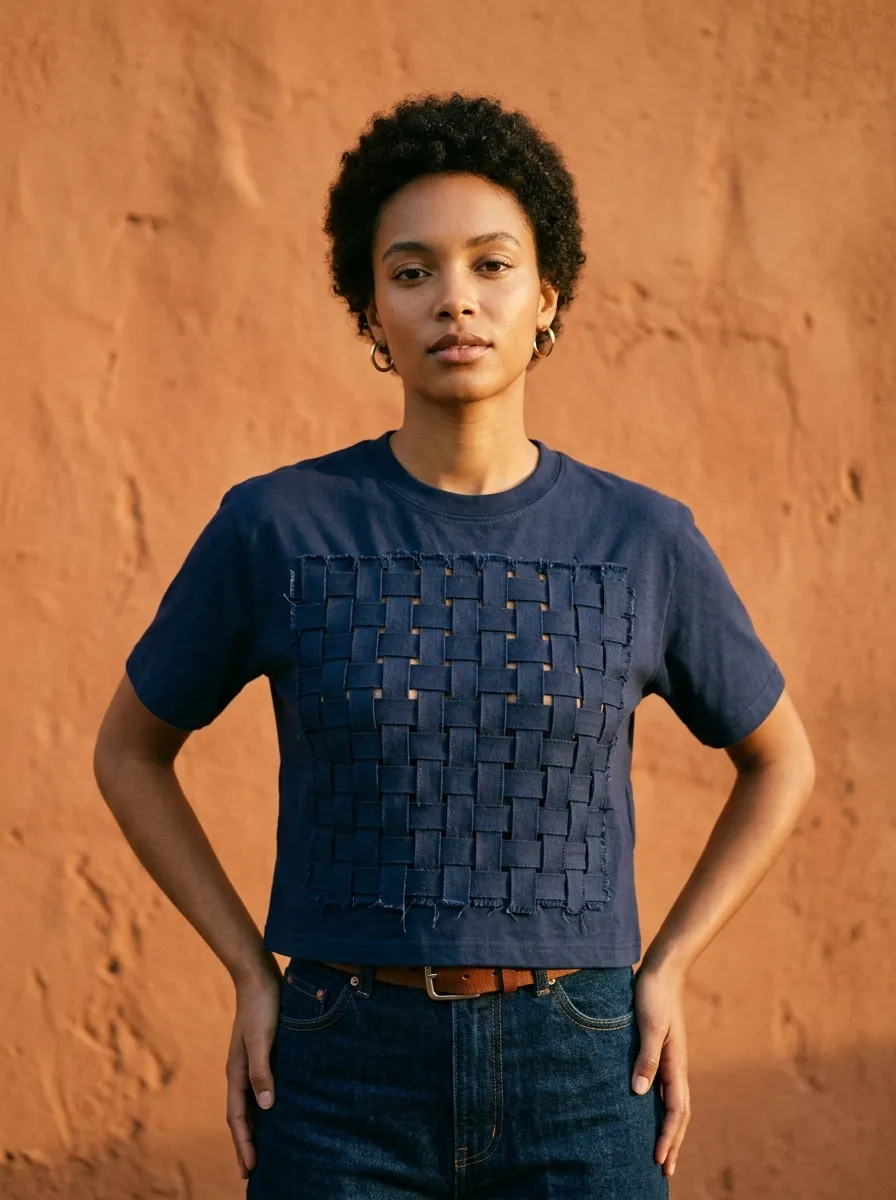
Use scraps from damaged denim jeans to create a durable tote bag. Cut squares of similar sizes and sew them together in a checkerboard pattern. Add sturdy straps from an old belt or heavy webbing. This is a functional way to use fabric that is otherwise beyond repair. It serves as a great grocery or library bag. The limitation is the weight of the denim, so ensure your sewing machine needle is strong enough to pierce through multiple layers of heavy fabric.
Bow Detail Blouse
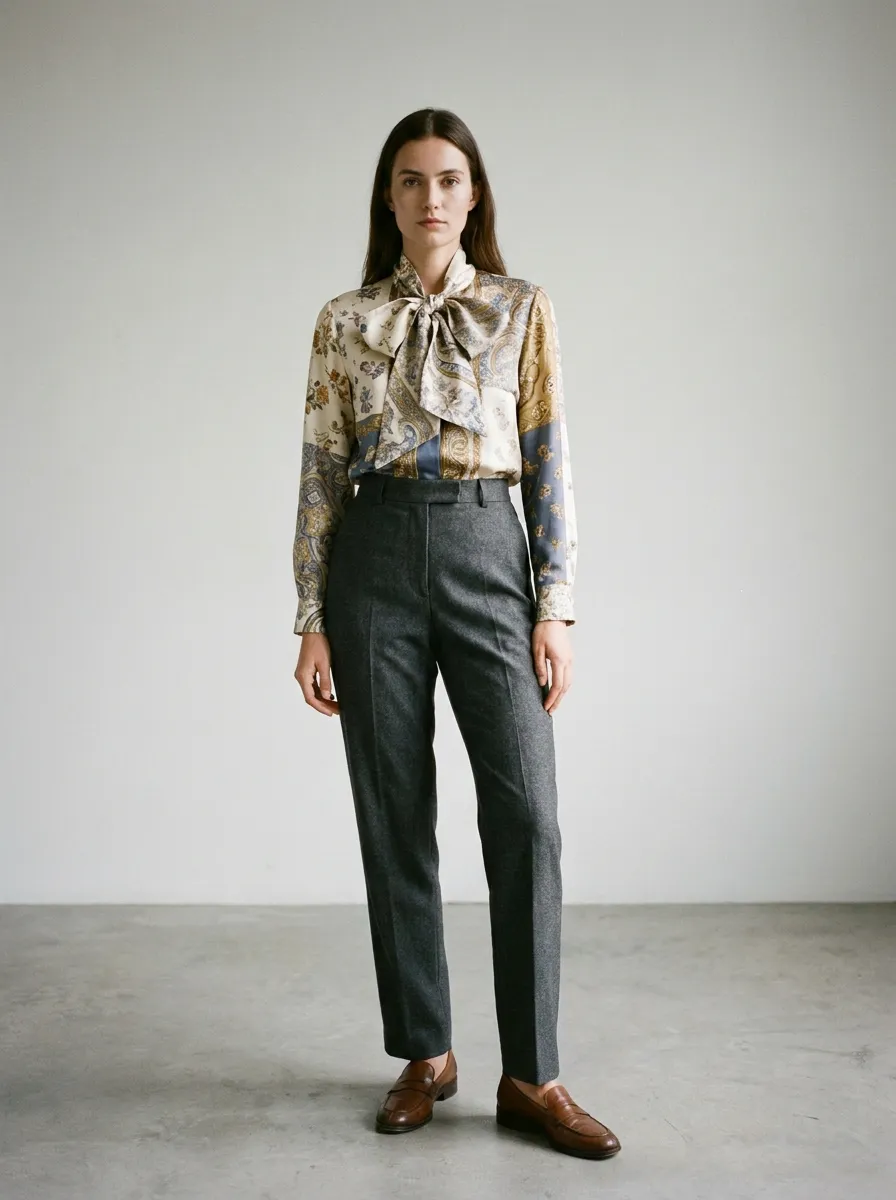
Take a simple silk or rayon blouse and add a tie detail at the neckline using leftover fabric strips. You can attach these to the collar to create a pussy bow effect. This adds feminine interest to a plain vintage top. It works for office wear or a dinner date. A decision point is the placement of the ties; centering them creates a classic look, while moving them to the side offers a modern asymmetrical aesthetic. Use a light hand with the sewing to avoid puckering the delicate fabric.
Scarf Hem Skirt
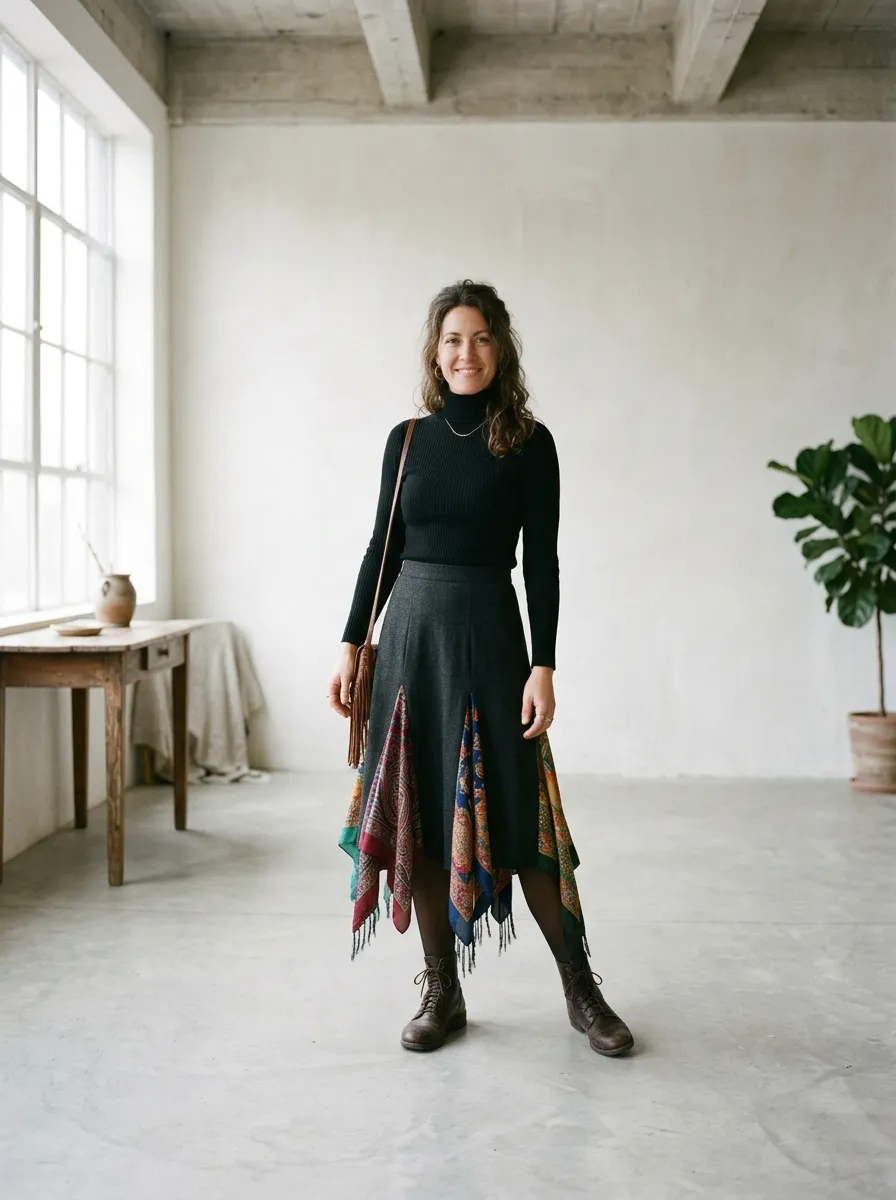
If you have a vintage skirt with a boring straight hem, cut triangular sections from the bottom to create a handkerchief or scarf hem. This adds movement and a bohemian feel to the garment. Pair it with a fitted turtleneck to keep the silhouette balanced. This is a great way to hide minor stains or tears at the very bottom of a skirt. Note that the fabric will drape differently after cutting, so test the length while wearing shoes to ensure it hits at a flattering spot.
Contrasting Pocket Detail
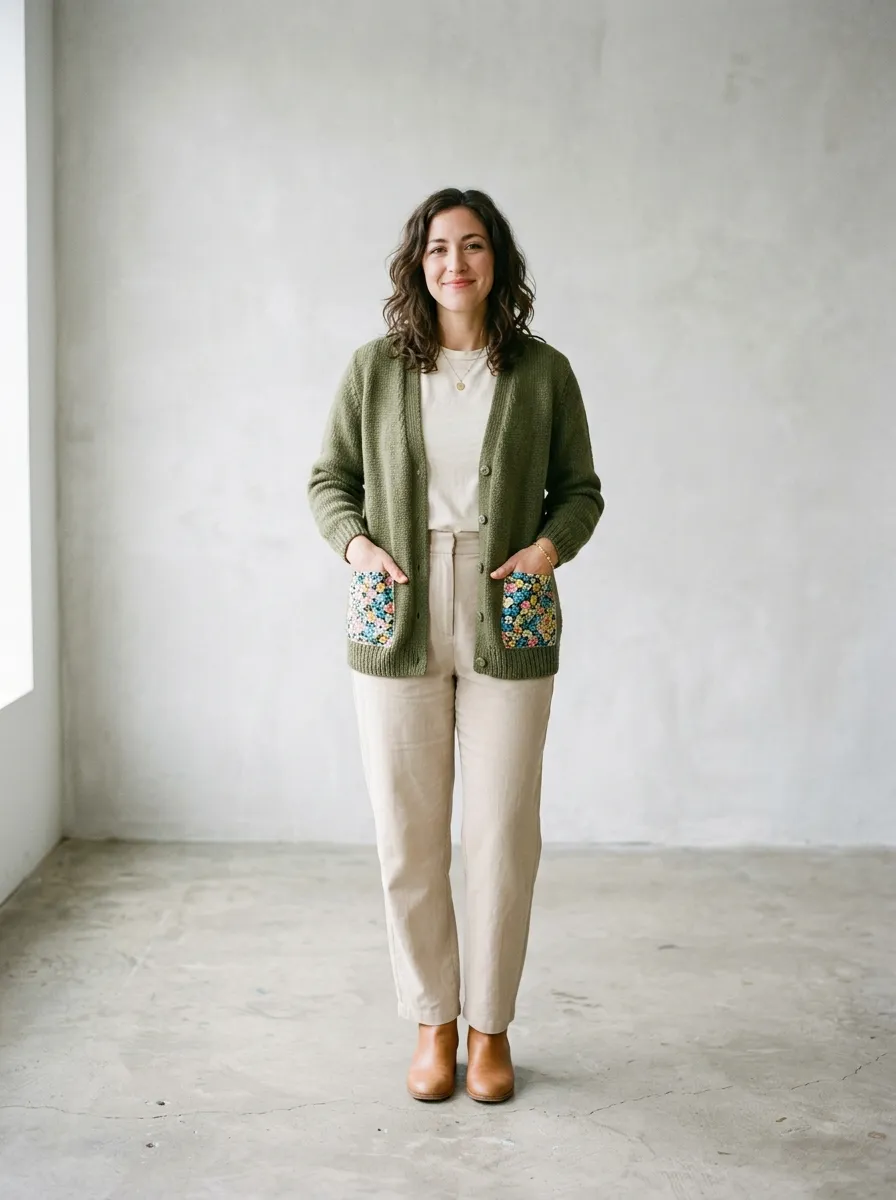
Take a plain vintage cardigan or jacket and sew on contrasting pockets. Use fabric from a different garment, such as a floral scrap or a different color wool. This small addition changes the entire vibe of the piece. It adds color and personality without requiring a full reconstruction. A comfort note is to ensure the pockets are placed at a natural height for your hands so they remain functional. Use a zigzag stitch to secure the edges and prevent fraying over time.
Belted Wrap Dress
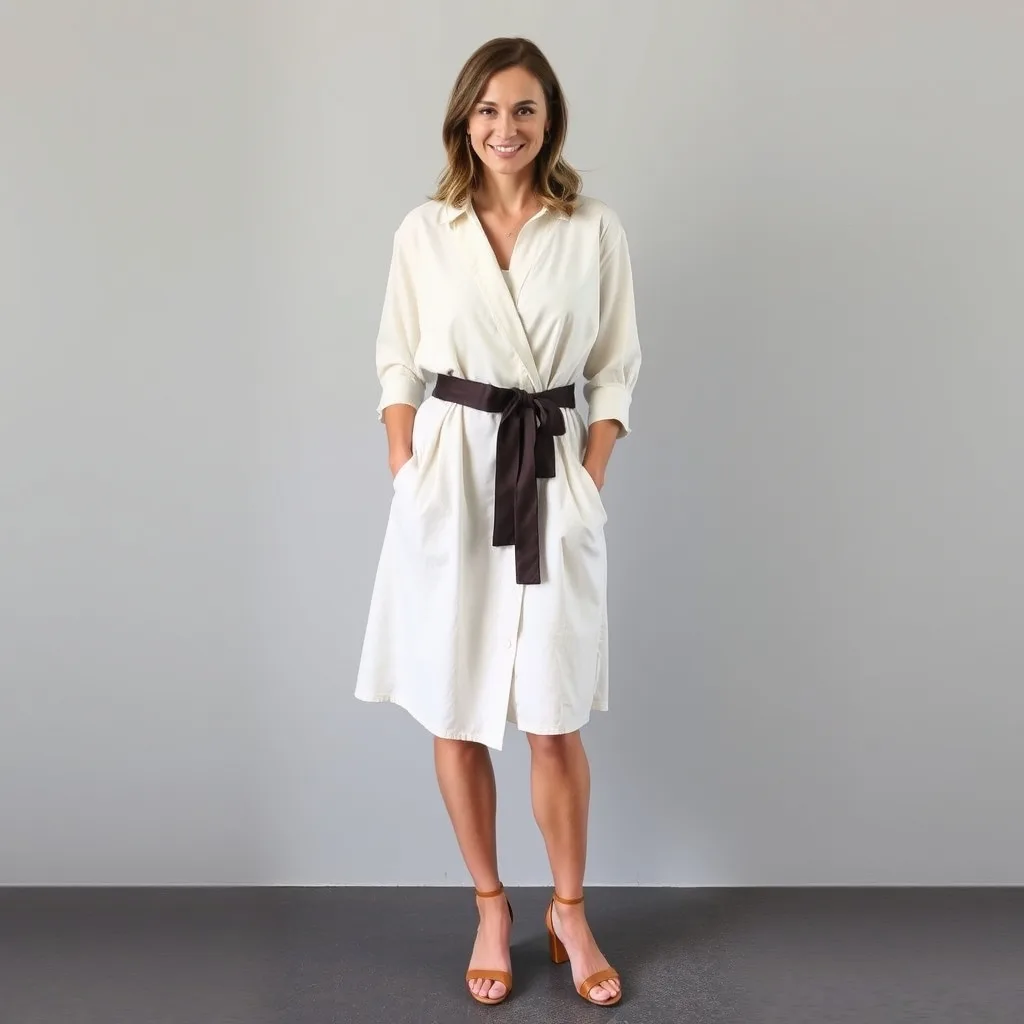
Find a button down dress that feels too loose or shapeless. Add belt loops at the waist and create a matching sash from the excess fabric if you shorten the hem. This pulls the fabric in to create a wrap effect that defines your silhouette. It is a simple way to change the fit without complex tailoring. A limitation is that the original button placement might show when you pull the fabric tight, so you may need to add a hidden snap closure to keep it secure.
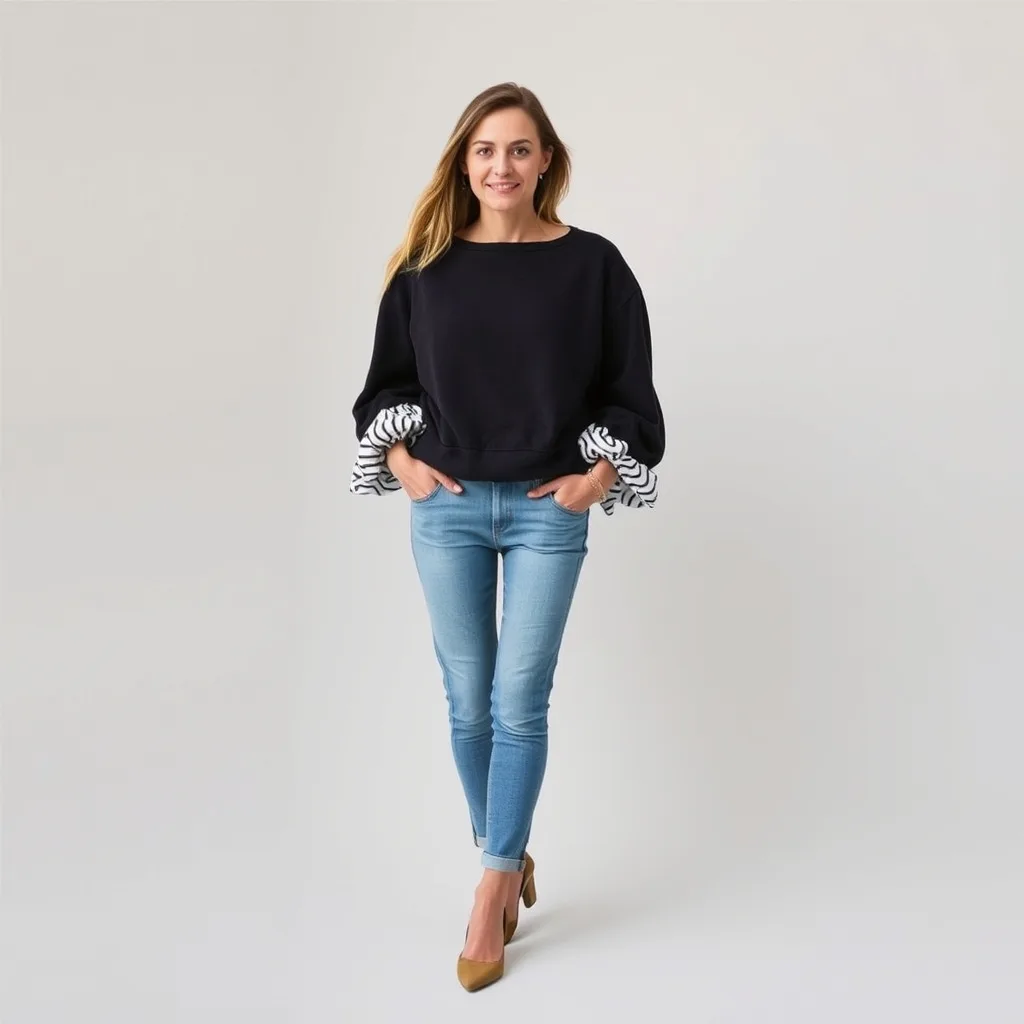
Statement Sleeve Sweatshirt
Take a basic vintage sweatshirt and replace the sleeves with a different fabric, like a patterned cotton or a lightweight knit. You can also add gathered cuffs to create a balloon sleeve effect. This turns a loungewear piece into a stylish top for casual outings. A care point is to ensure the new fabric has a similar weight to the original sweatshirt body so it hangs correctly. This looks excellent paired with slim fit jeans or a skirt.
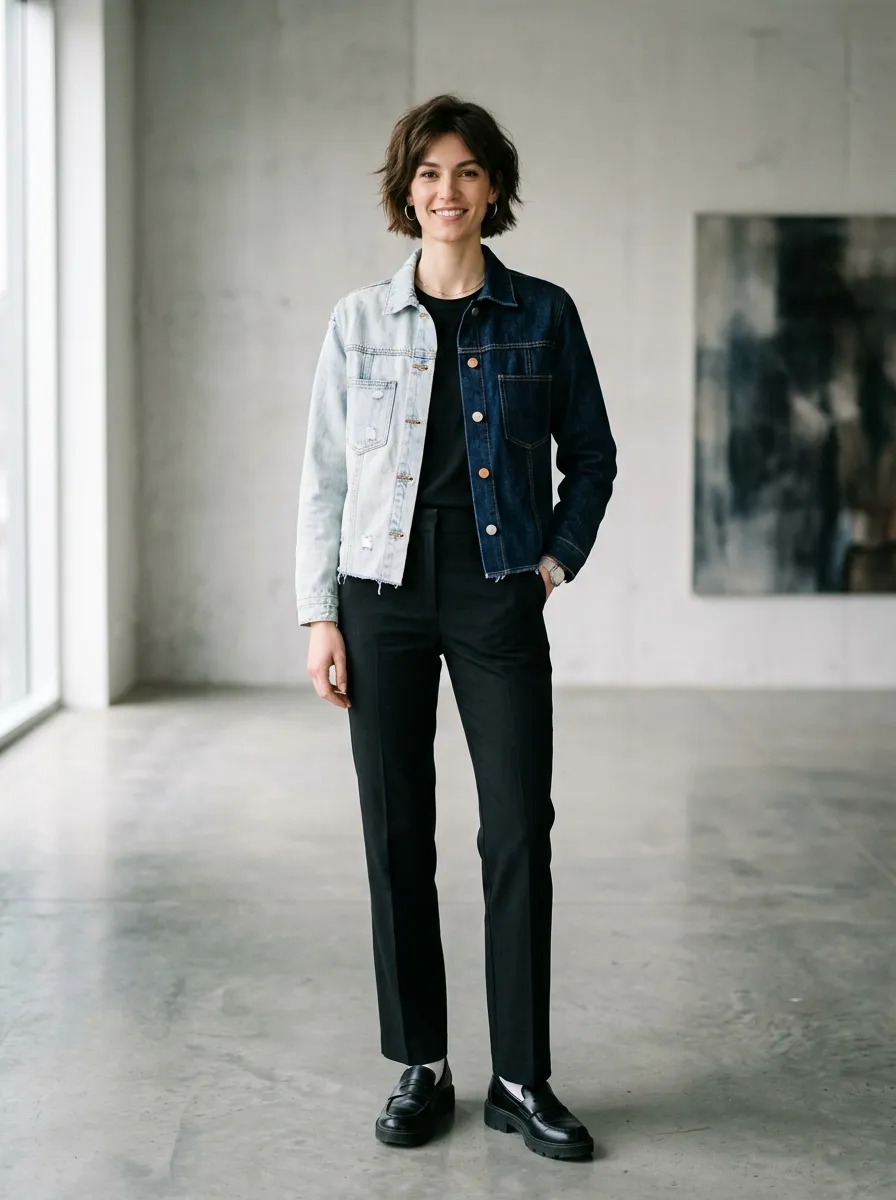
Two Tone Denim Jacket
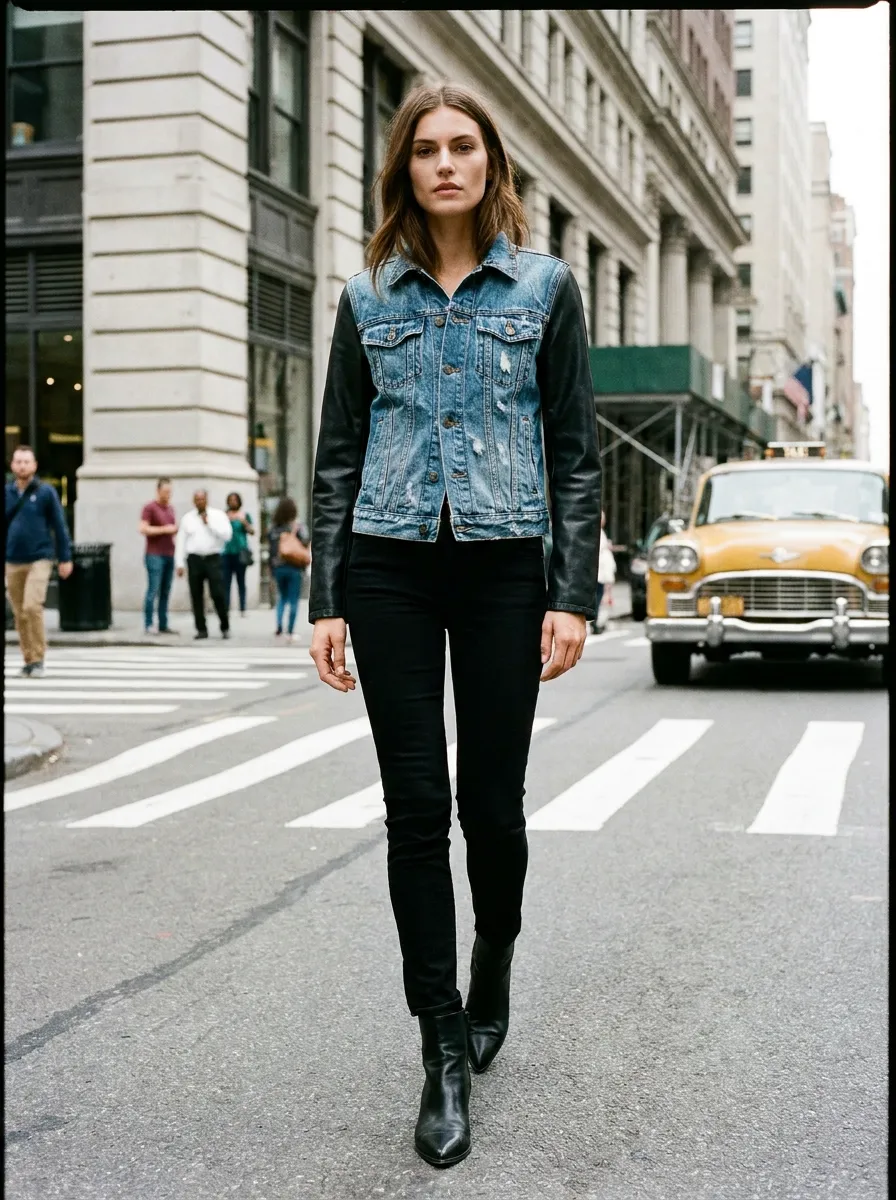
If you have two denim jackets that are damaged in different areas, combine them. Cut one jacket in half and attach the sleeves or panels to the other. This results in a unique two tone design. It is a bold look that stands out. The main limitation is the thickness of the denim, which can be difficult to sew through. Use a heavy duty needle and take your time to align the seams correctly for a professional finish.
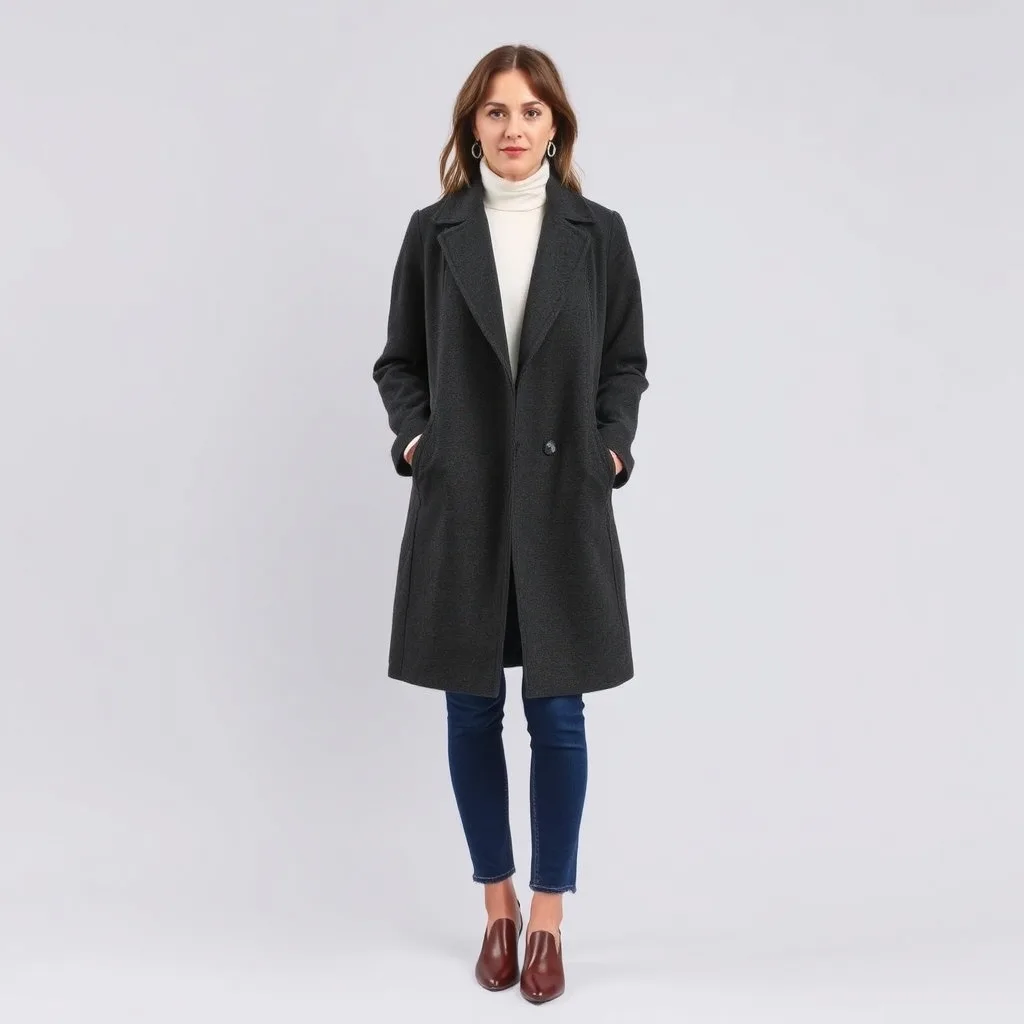
Refined Collarless Coat
Many vintage coats have oversized collars that feel heavy. Remove the collar entirely and finish the neckline with a bias tape binding. This creates a clean, minimalist coat that works well over scarves and turtlenecks. It shifts the focus to the silhouette of the coat itself. A decision point is whether to leave the edge raw or hide it with binding; binding is more durable and looks more finished. This is an excellent update for a winter coat that feels slightly dated.
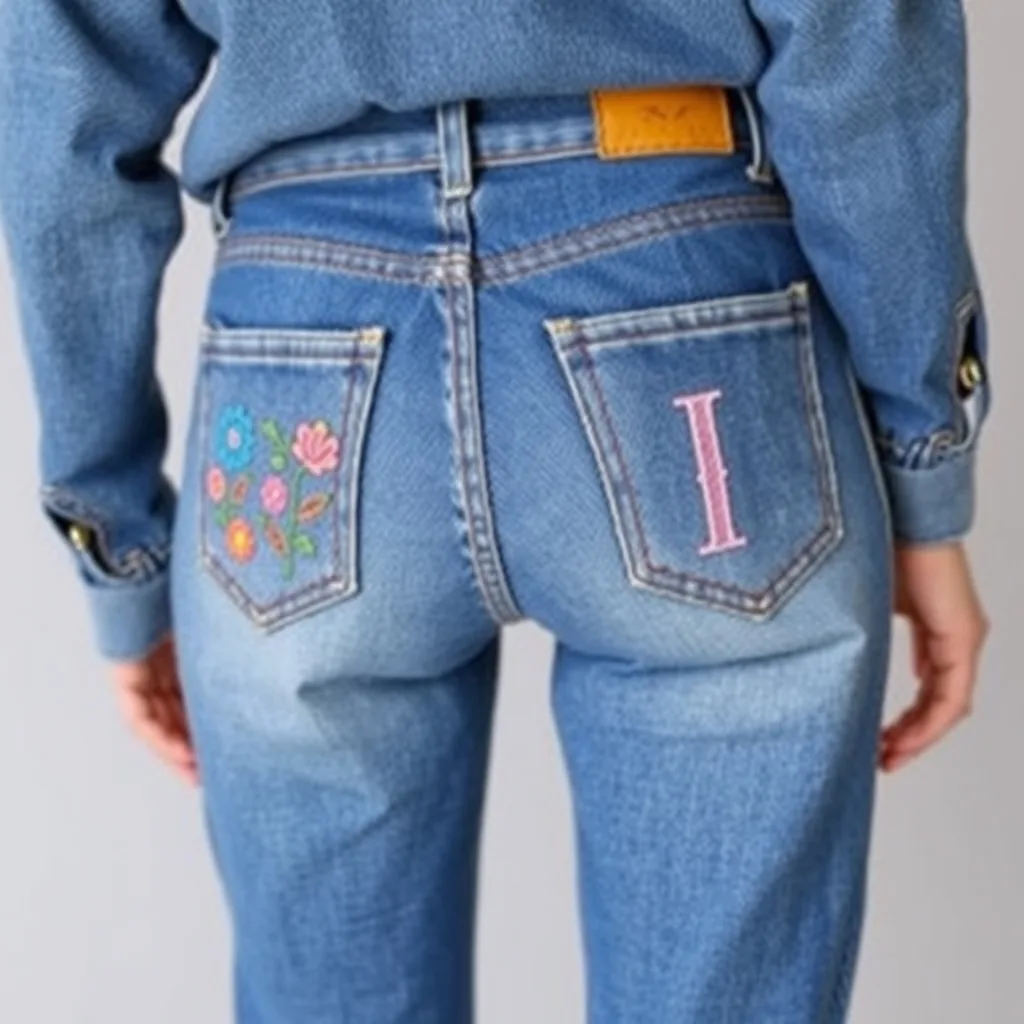
Embroidered Denim Pockets
Use simple embroidery thread to add patterns or initials to the back pockets of vintage jeans. This adds a custom touch that makes the garment feel one of a kind. It is a relaxing activity that requires minimal supplies. You can choose a simple floral motif or geometric lines. A limitation is that the fabric on jean pockets is thick, so use a thimble to protect your fingers. This detail makes a standard pair of jeans feel like a designer item.
Common Questions About Upcycled Clothing
How do I start upcycling vintage clothing if I have limited sewing skills?
Begin with simple no sew projects like cutting jeans into shorts or adding a belt to a dress. Use fabric glue for hems or iron on tape for clean edges. Practice on items you do not wear often before moving to your favorite vintage pieces to build your confidence and technique.
What tools are essential for these upcycled clothing ideas to give vintage pieces new life?
You need a sharp pair of fabric scissors, a seam ripper, sewing pins, and a sturdy needle. A basic sewing machine is helpful for structural changes but not always required. Keep a measuring tape and some fabric chalk nearby to mark your cuts accurately before making any permanent changes to the garment.
How can I ensure my upcycled pieces still look professional and stylish?
Focus on clean lines and proper finishing. Press every seam you sew with an iron to remove bulk and create sharp edges. Choose high quality thread that matches your fabric color. When in doubt, keep the design simple rather than adding too many embellishments that might make the garment look messy.
Are there specific fabrics that are easier to work with for beginners?
Cotton and linen are the most forgiving fabrics for beginners. They hold a crease well, do not slide under the needle, and are easy to sew by hand or machine. Avoid working with slippery silks or heavy leathers until you have more experience, as these require specialized needles and sewing techniques.
How do I care for my upcycled garments after I have modified them?
Treat your upcycled items with gentle care. Hand wash them in cool water if you used delicate trims or embroidery. If you used a machine, turn the garment inside out before washing to protect your new seams. Always air dry your pieces to prevent the fabric from shrinking or the seams from pulling.
Building Your Upcycled Collection
Starting your journey with these 14 upcycled clothing ideas to give vintage pieces new life allows you to curate a wardrobe that is truly your own. Each small adjustment builds your confidence and helps you see the potential in items that others might overlook. Your style becomes a reflection of your creativity and values rather than current fast fashion cycles.
Pick one simple project from this list to try this weekend. Whether you start by fraying a hem or adding a bow, you are already making a positive impact on your personal style. Save this guide for when you find your next thrift store treasure.