12 Ways to Upcycle Clothes Without a Sewing Machine for Everyday Style
How to use this guide
Choose ideas based on the materials, time, skill level, and finish you can realistically manage. For any dye, bleach, paint, or alteration project, test on a spare piece first and follow the product safety instructions.
You stare at a pile of garments that no longer spark joy, yet they remain in good condition. The thought of learning complex needlework feels like a barrier to refreshing your look for the new season. You can actually breathe fresh life into your existing pieces using nothing but clever folding, fabric glue, or strategic cutting techniques that require zero thread or needles. For one garment worth going deeper on, upcycling a button-up shirt specifically covers more collar- and cuff-specific techniques.
This guide provides 12 ways to upcycle clothes without a sewing machine to help you curate a functional and stylish rotation. Each method focuses on practical modifications that respect the original integrity of the fabric while giving you a fresh silhouette. From adjusting hems to adding hardware, these updates offer accessible ways to modernize your attire while keeping your budget intact.
The Raw Edge Cropped Denim
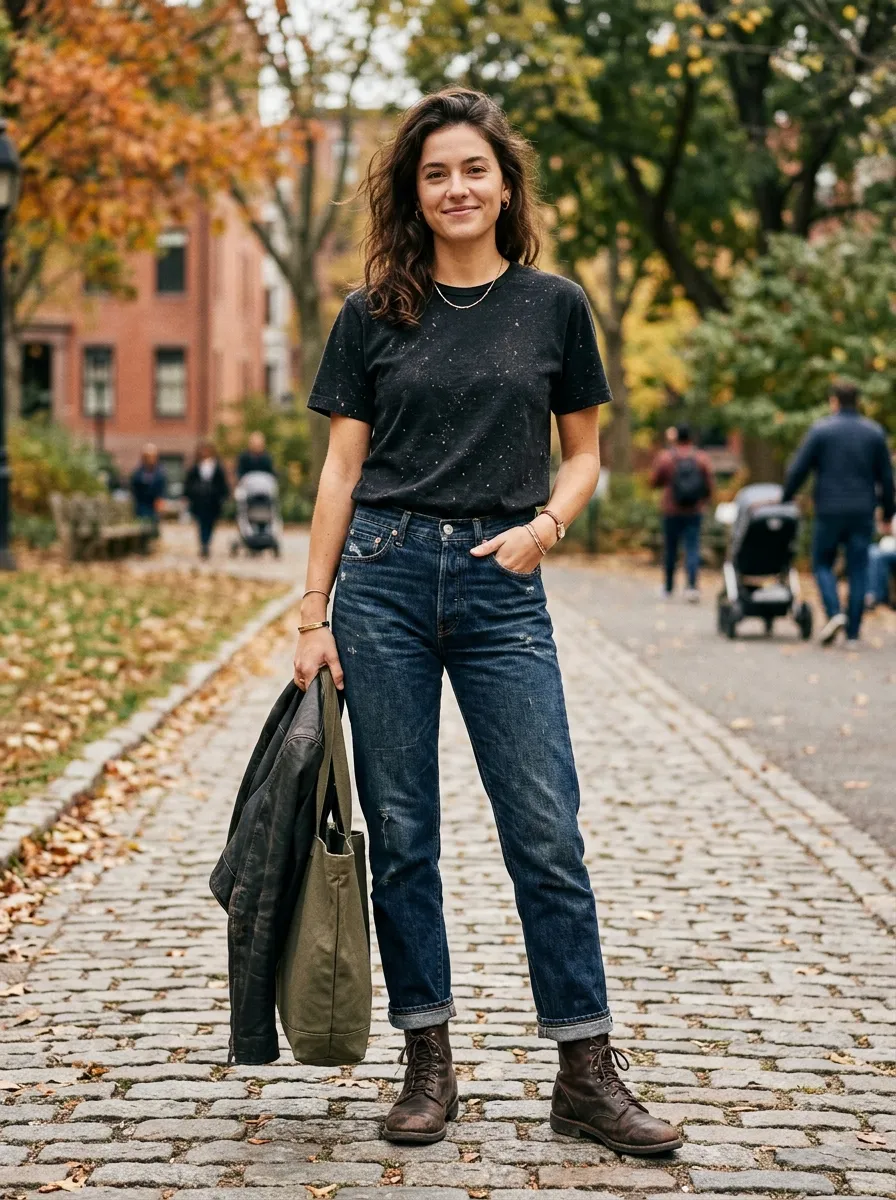
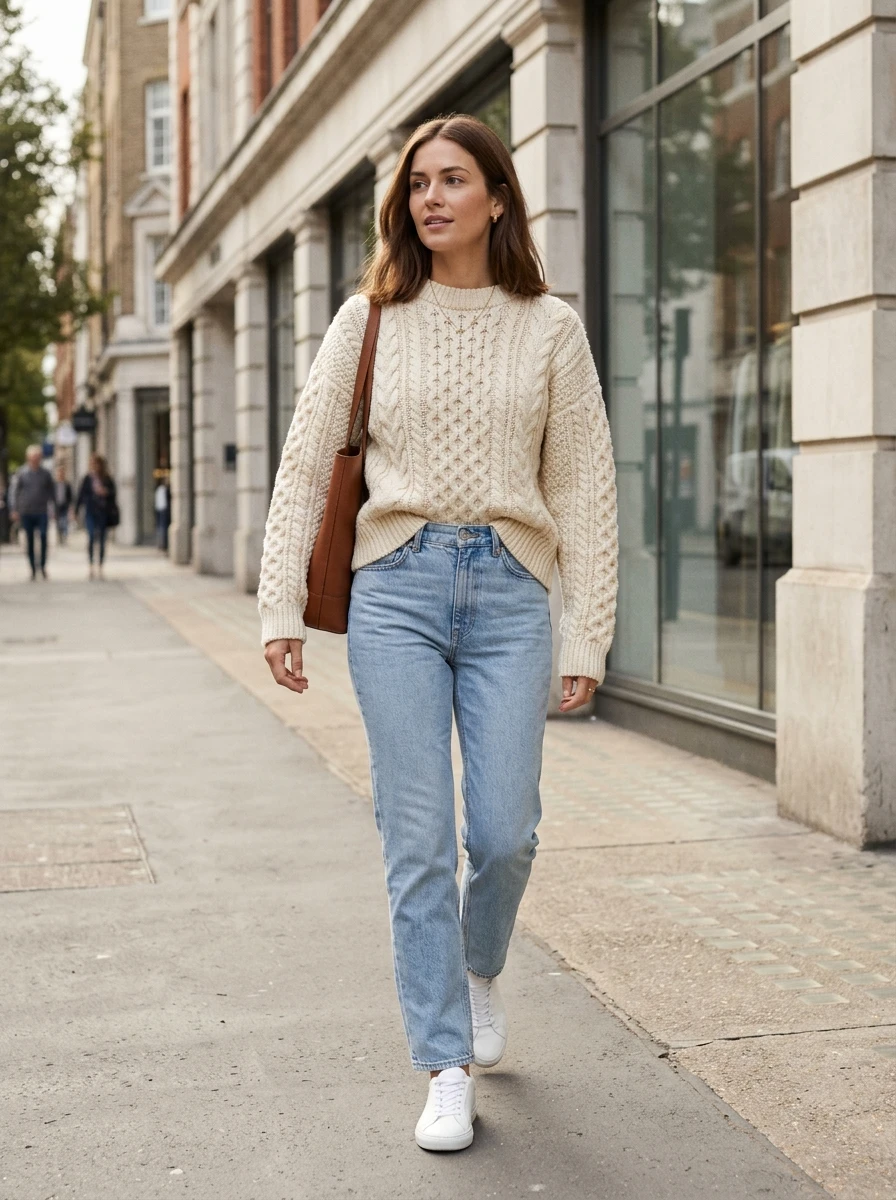
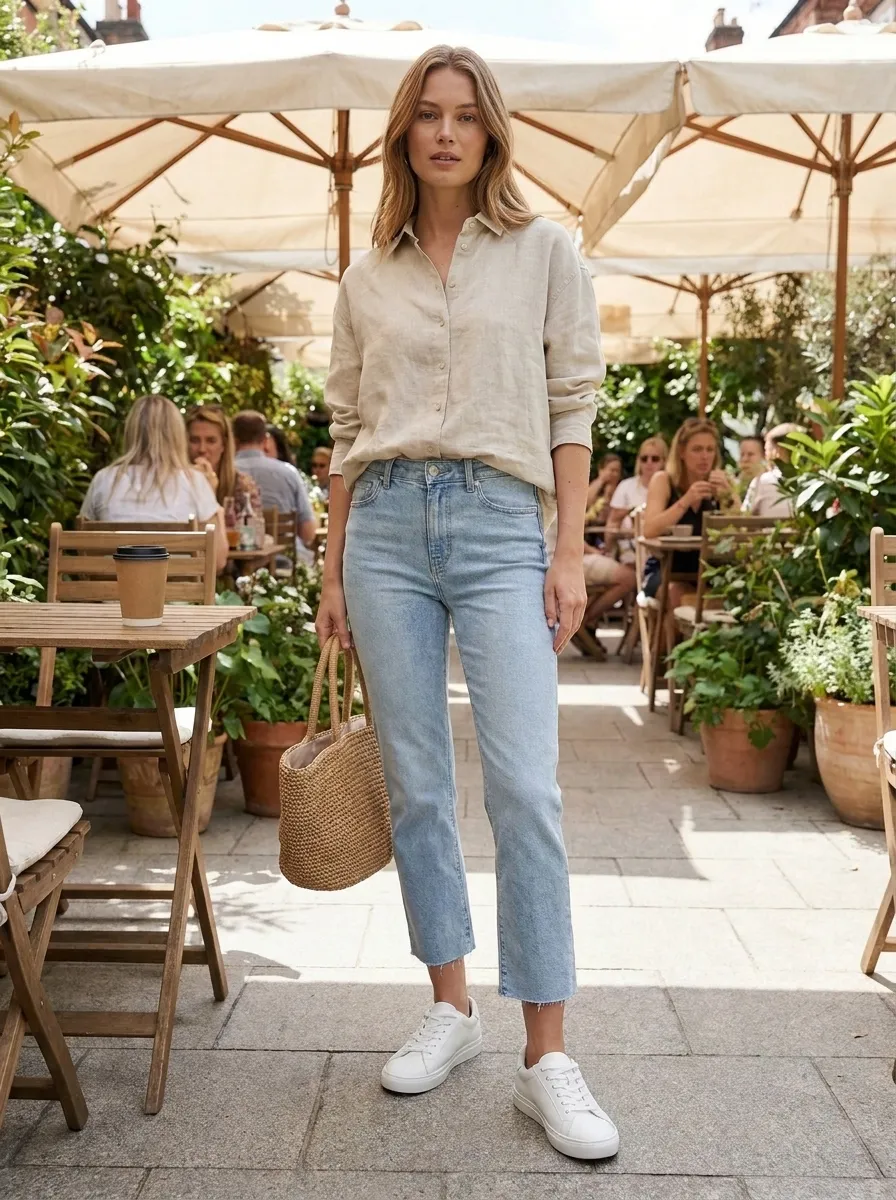
A pair of jeans that feels too long or dated can become a modern staple with a simple straight cut. Lay your denim flat on a hard surface and use fabric chalk to mark your desired length just above the ankle bone. Use sharp shears to cut across the line in one smooth motion for a clean edge. You can create a frayed look by tossing the jeans in the wash or gently pulling at the threads with tweezers. This style pairs well with ankle boots or crisp white sneakers for a weekend brunch. One limitation is that the denim will continue to fray slightly after each wash, so monitor the length over time.
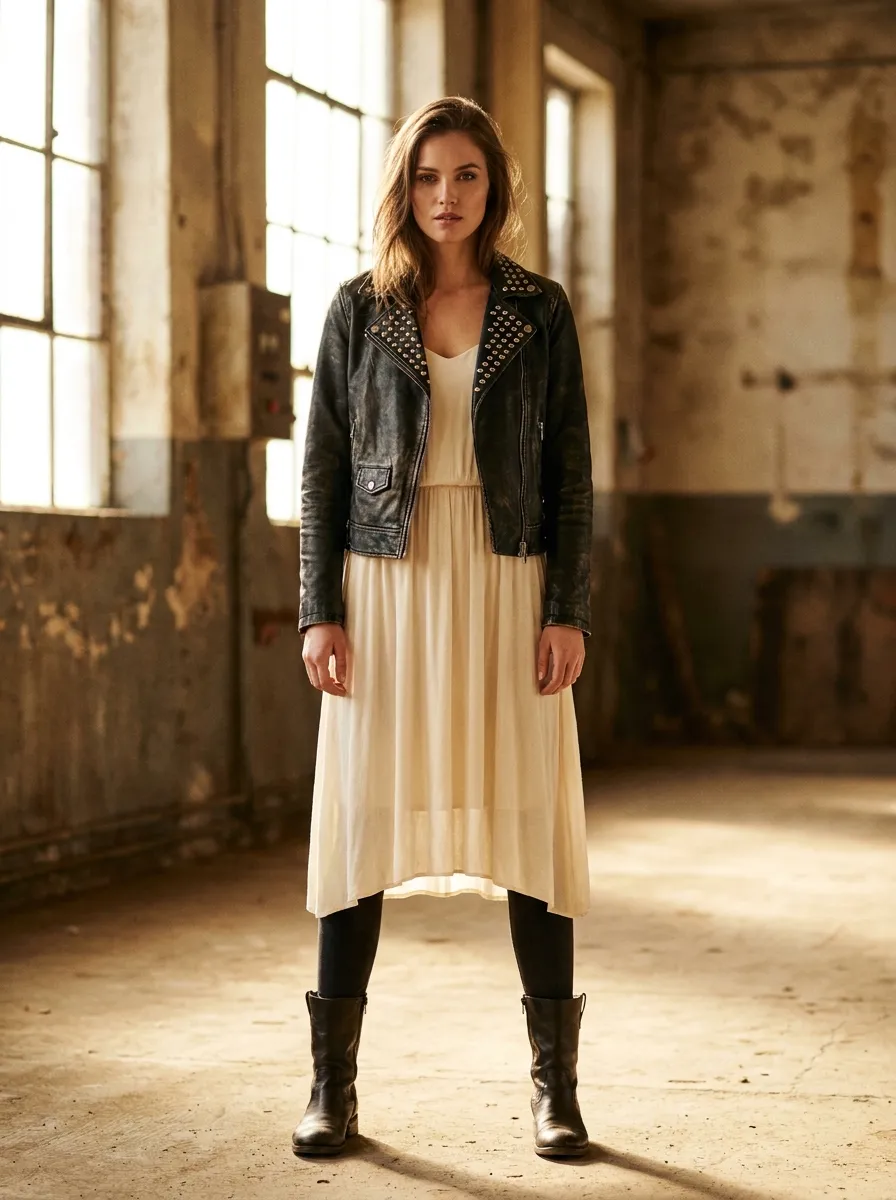
The Studded Leather Accent
Give a tired leather or faux leather jacket a personality boost by adding metal studs to the collar or shoulder seams. You can find press on or pronged studs that require only firm pressure or small pliers to secure. Place them in a symmetrical pattern along the lapels to mimic a high end designer look. This adds a bit of edge to a soft dress or basic leggings and a sweater. Be careful when choosing the placement, as heavy metal hardware might weigh down thinner materials. Always test the studs on a hidden area first to ensure they do not damage the surface finish.
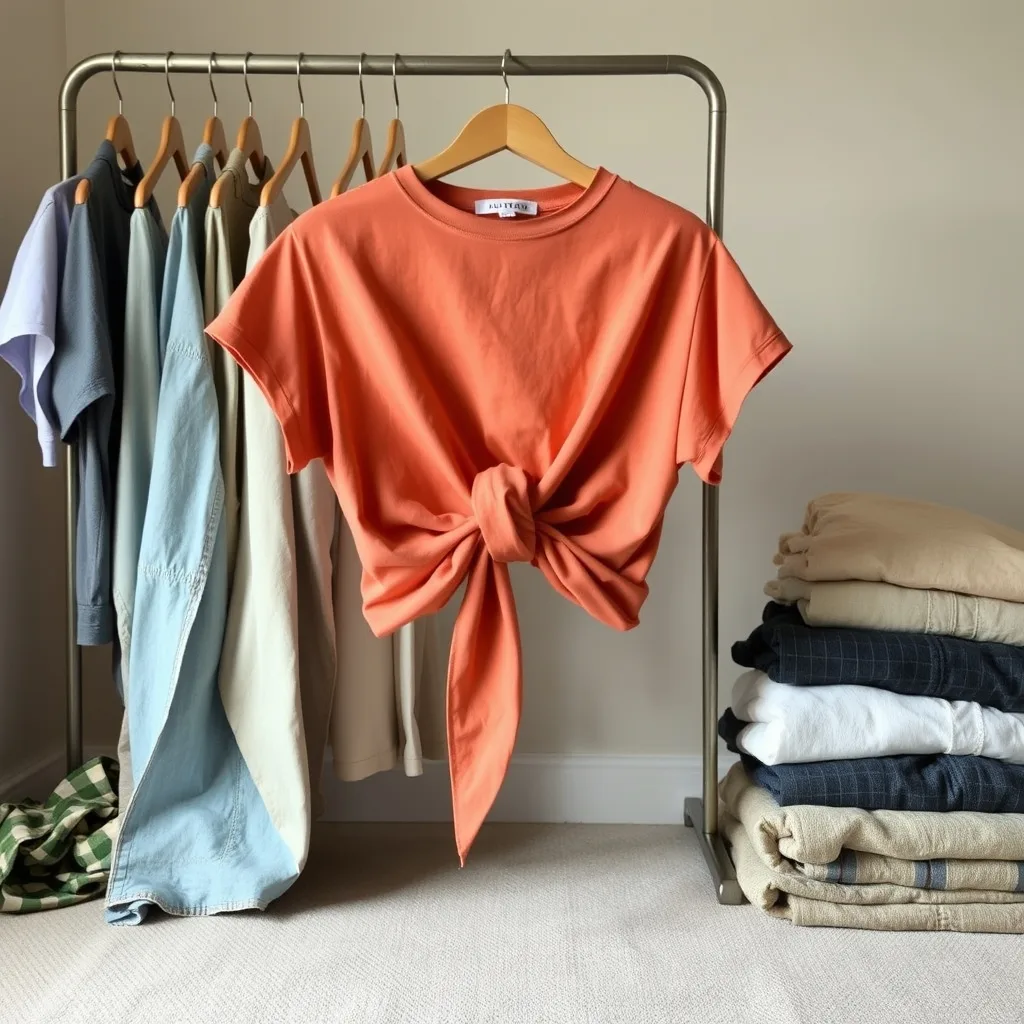
The Knot Front Tee
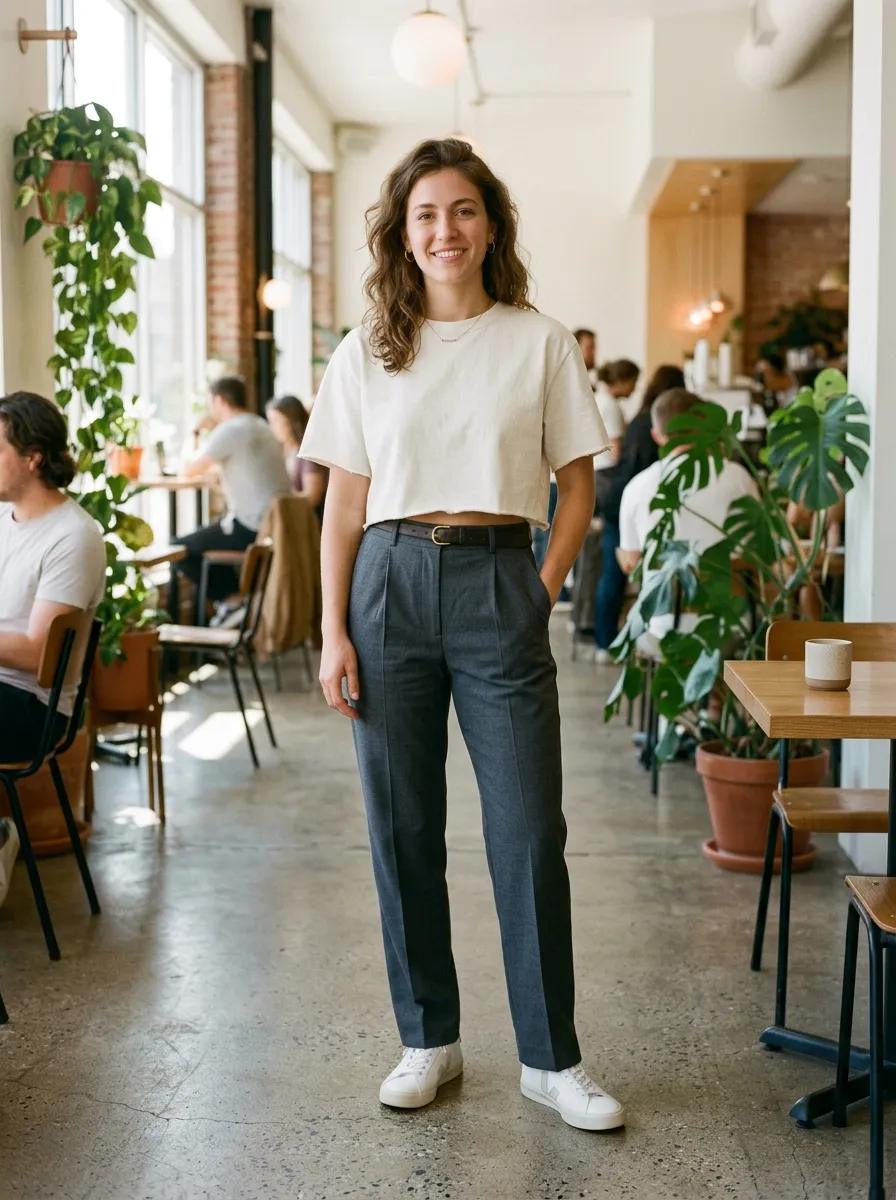
Turn a boxy or oversized t shirt into a flattering silhouette by using the knot technique at the waist. Gather the excess fabric at the front or side, twist it into a small bundle, and secure it with a clear hair elastic tucked underneath. This creates a cropped effect that highlights your waistline without permanent changes. It works best with lighter cotton blends that drape easily. You can wear this with high waisted trousers or a midi skirt for a balanced look. The main comfort note is to ensure the elastic is not too tight against your skin to avoid irritation during the day.
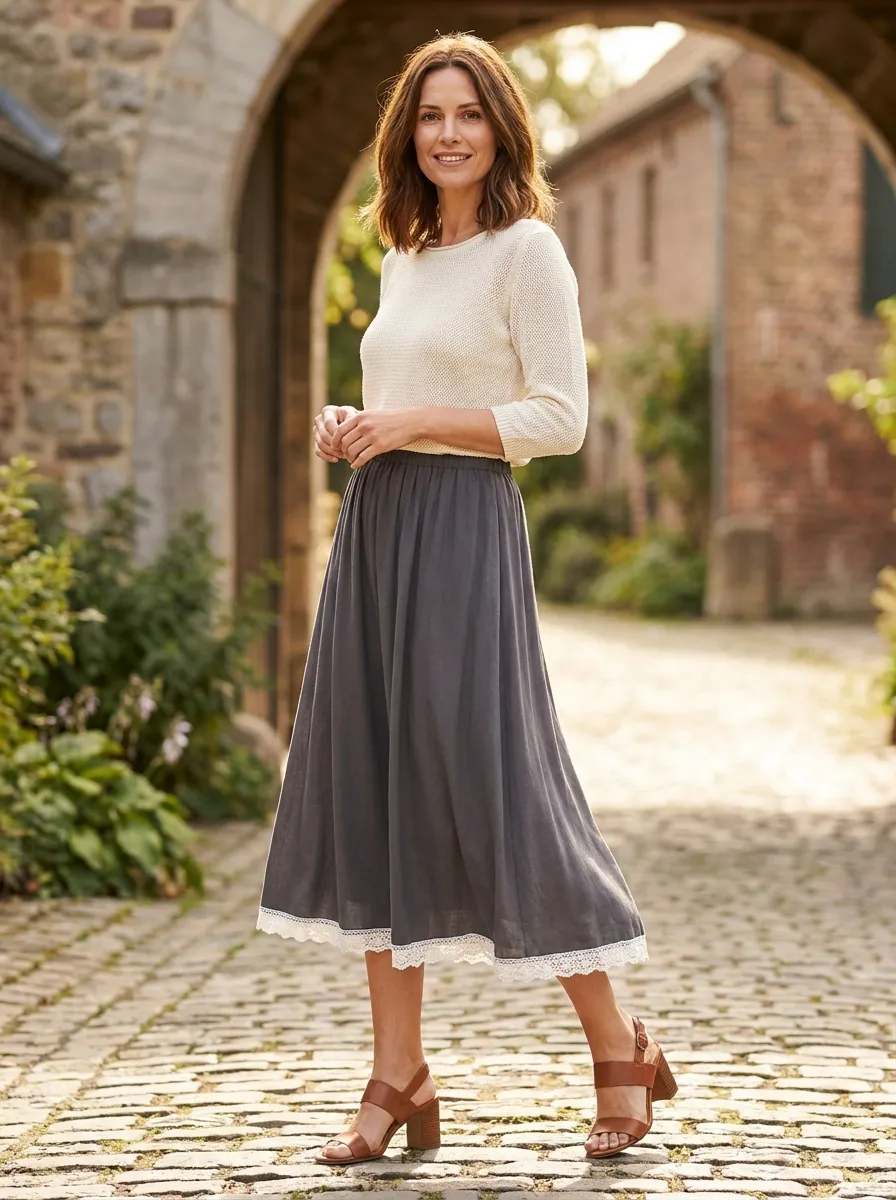
The Lace Trim Hemline
Add a feminine touch to a plain skirt or dress by attaching lace trim using fabric glue. Choose a high quality adhesive that remains flexible when dry to ensure the fabric moves naturally. Measure the hem carefully, apply a thin bead of glue, and press the lace firmly into place. This is an excellent way to extend the length of a skirt that feels slightly too short for certain occasions. Pair the updated piece with simple flats or block heels. A care point is that you must hand wash the garment afterward to preserve the glue bond and the delicate lace.
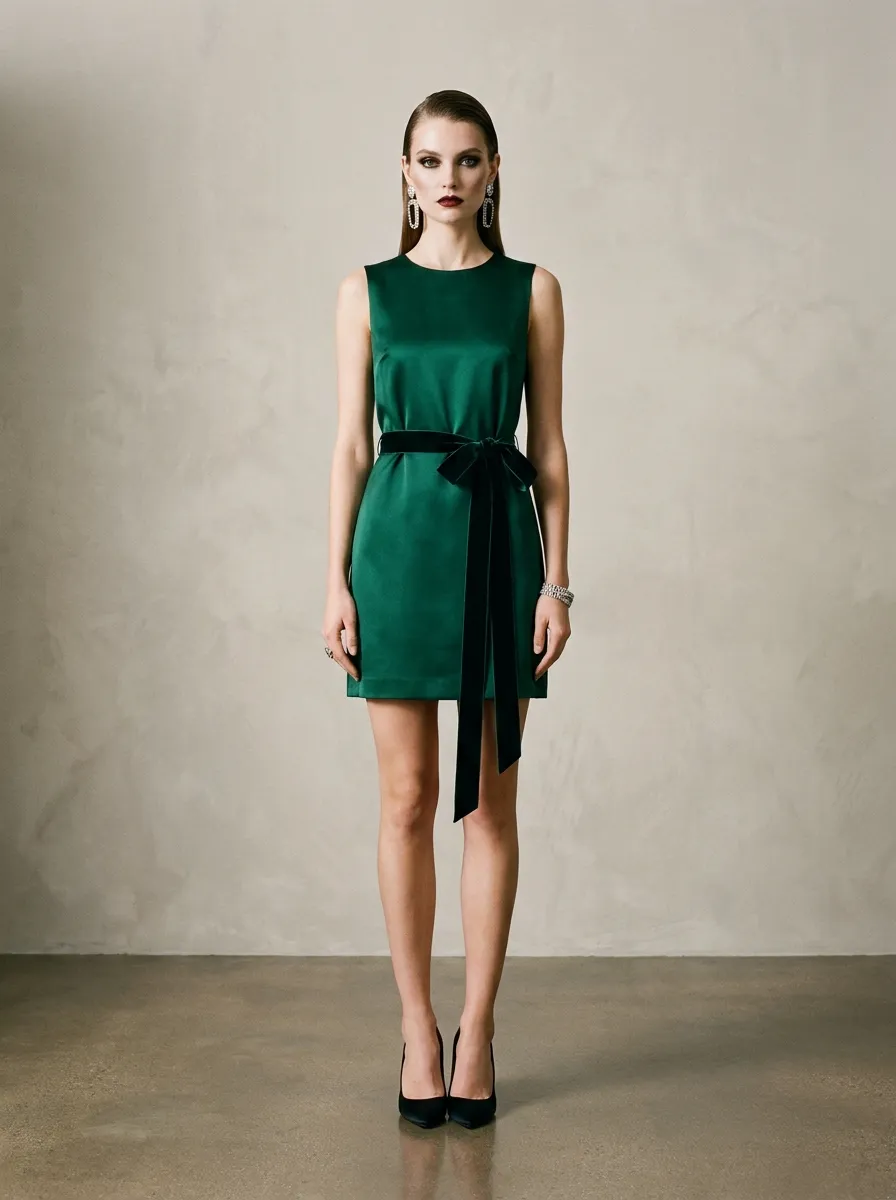
The Ribbon Tie Waist
Define your shape in a loose fitting shift dress by creating a custom waist tie using a long piece of velvet or silk ribbon. Thread the ribbon through the existing belt loops or create small slits in the side seams to pull it through. Tie it in a soft bow at the center or side for a customized fit. This simple addition changes the entire mood of the garment from loungewear to evening ready. It works beautifully with solid colors or subtle patterns. A decision point is selecting a ribbon color that complements rather than clashes with the primary fabric of your dress.
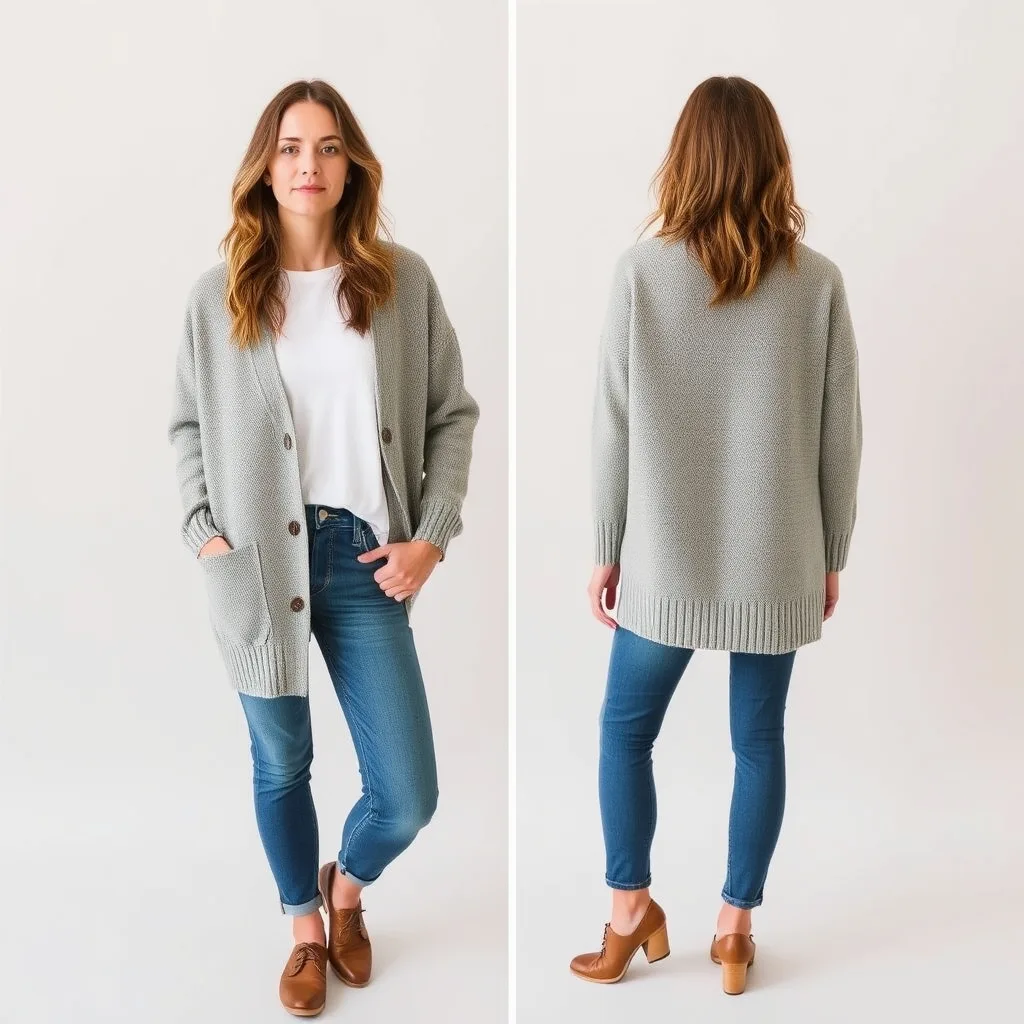
The Fabric Patch Pocket
If you have a sweater or cardigan with a small snag or stain, cover it with a decorative patch using strong fabric adhesive. You can use scraps of patterned fabric, denim, or even leather to create a small pocket or geometric shape. Apply the glue to the edges and press it onto the area that needs hiding. This adds a playful layer of texture and makes the garment feel one of a kind. It works well for casual outfits paired with jeans. One limitation is that the patch might feel slightly stiff compared to the rest of the knitted material.
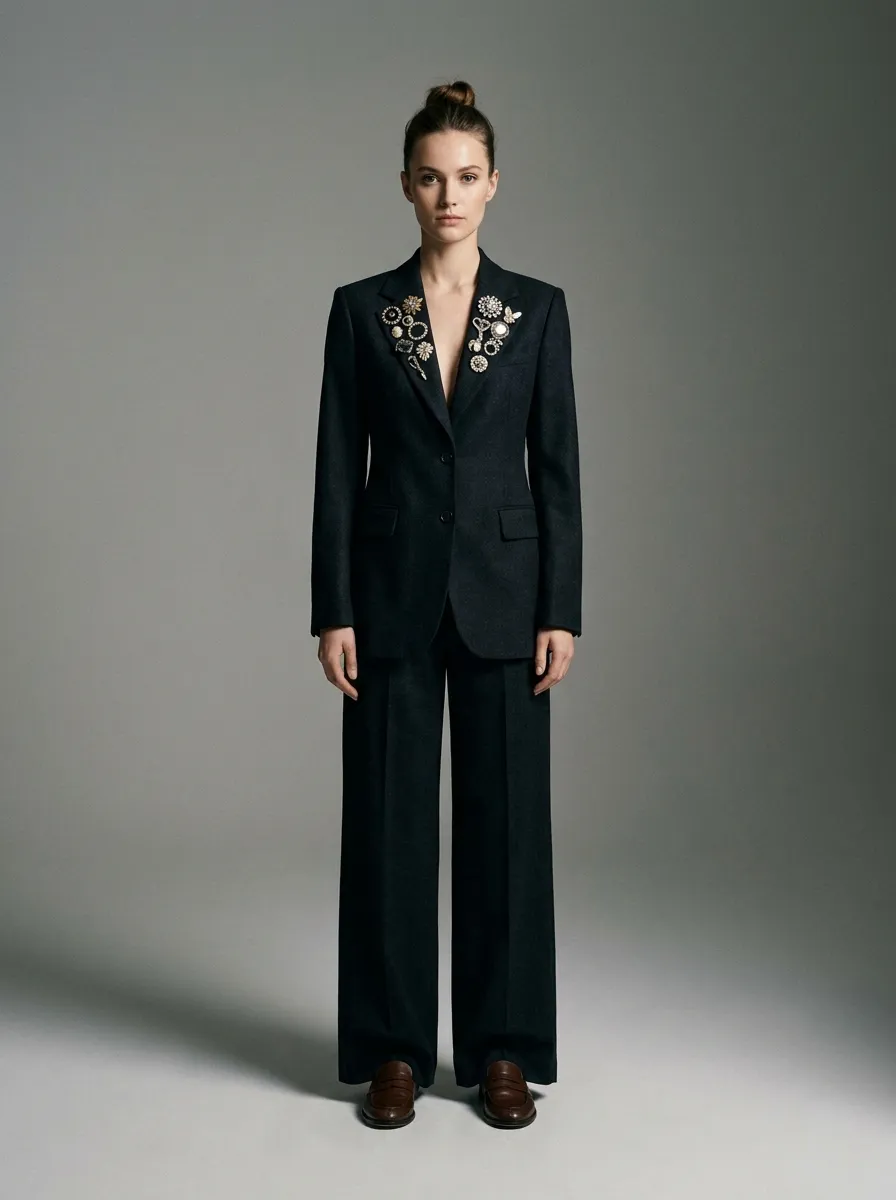
The Brooch Cluster Detail
Use a collection of vintage or modern brooches to transform a basic blazer or coat. Cluster them on the lapel to create a focal point that draws the eye upward. This requires no permanent damage to the fabric, as you can easily remove or rearrange them whenever you want a different look. It is a fantastic way to add sparkle or texture to an outfit for formal events. Ensure the pins are sharp and the clasps are secure to avoid losing them while moving. This style is strong for transitioning a work blazer into a dinner party piece.
The Scarf Belt Transformation
A silk or cotton scarf can serve as a stylish belt for trousers or skirts that lack structure. Fold the scarf into a long thin strip and thread it through the belt loops, tying it in a secure knot at the front. This adds a pop of color and pattern to an otherwise monochromatic outfit. It is a light and comfortable alternative to leather belts that can feel restrictive. Because scarves are delicate, avoid wearing them with very abrasive fabrics that might cause snags. This look is suitable for spring and summer seasons when you want a breezy aesthetic.

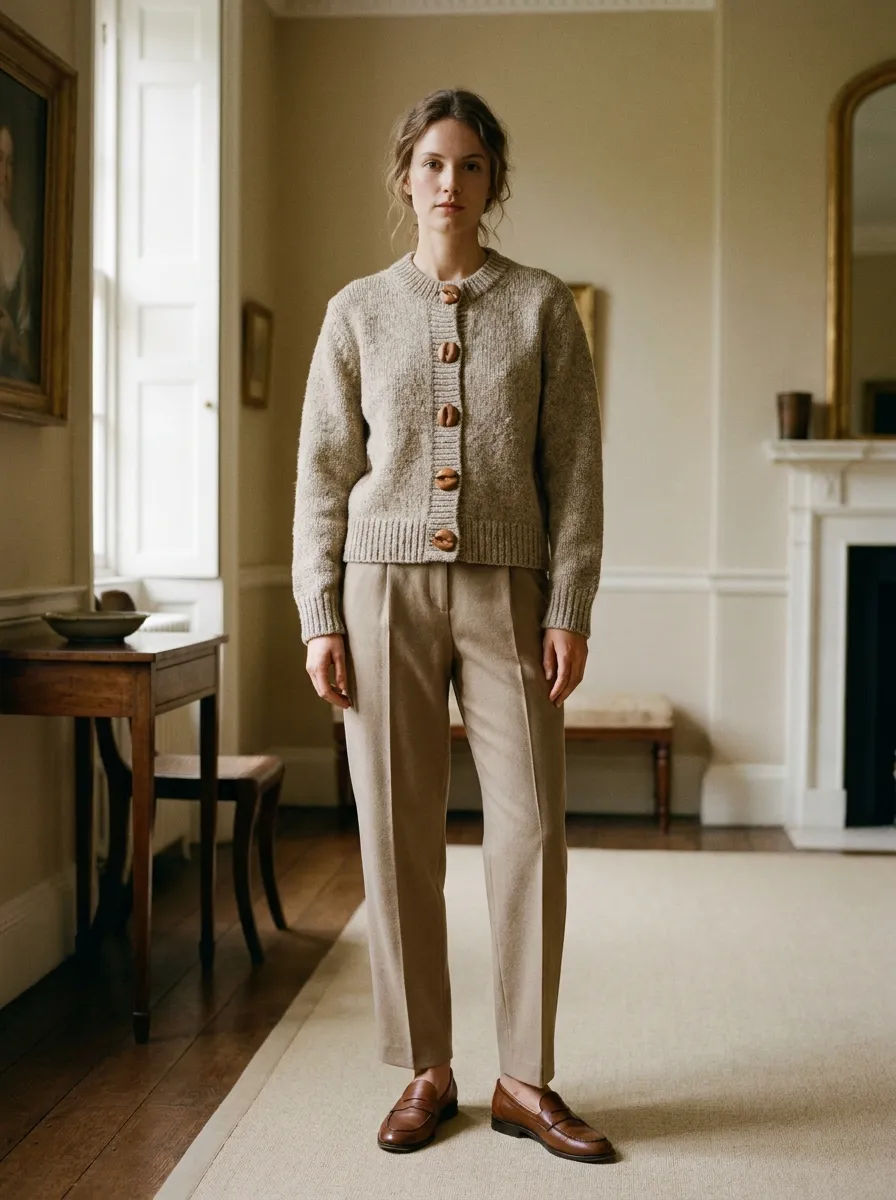
The Button Swap Update
Changing the buttons on a coat, cardigan, or shirt is perhaps the fastest way to upgrade a garment. Look for unique options like tortoiseshell, wood, or vintage metal buttons that fit the existing buttonholes. You can use a strong fabric glue or a temporary adhesive to hold them in place if you are not comfortable with basic tools. This small change makes a mass produced item look custom and expensive. It is a subtle detail that significantly impacts the overall quality of the piece. Consider the weight of the buttons so they do not pull on the fabric too heavily.
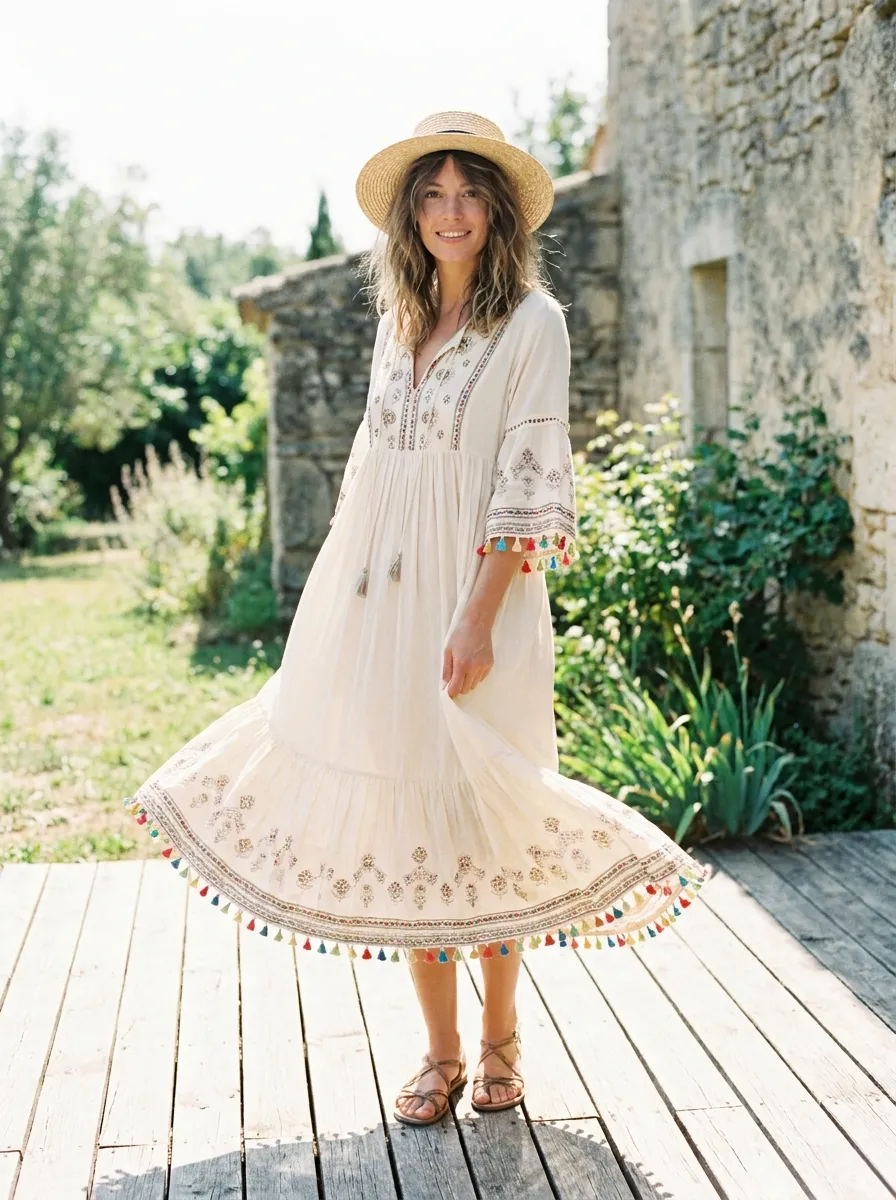
The Tassel Hem Addition
Add movement and playfulness to a lightweight scarf or the hem of a summer dress by attaching small tassels with fabric glue. Choose tassels that match or contrast with the base color for a bohemian vibe. Space them evenly along the edge and allow them to dry completely before wearing the garment. This technique adds a whimsical feel that moves beautifully when you walk. It works best on cotton or linen fabrics that hold the weight of the tassels well. Be aware that these decorations can tangle easily, so store the garment carefully between wears to maintain their shape.
The Iron On Motif
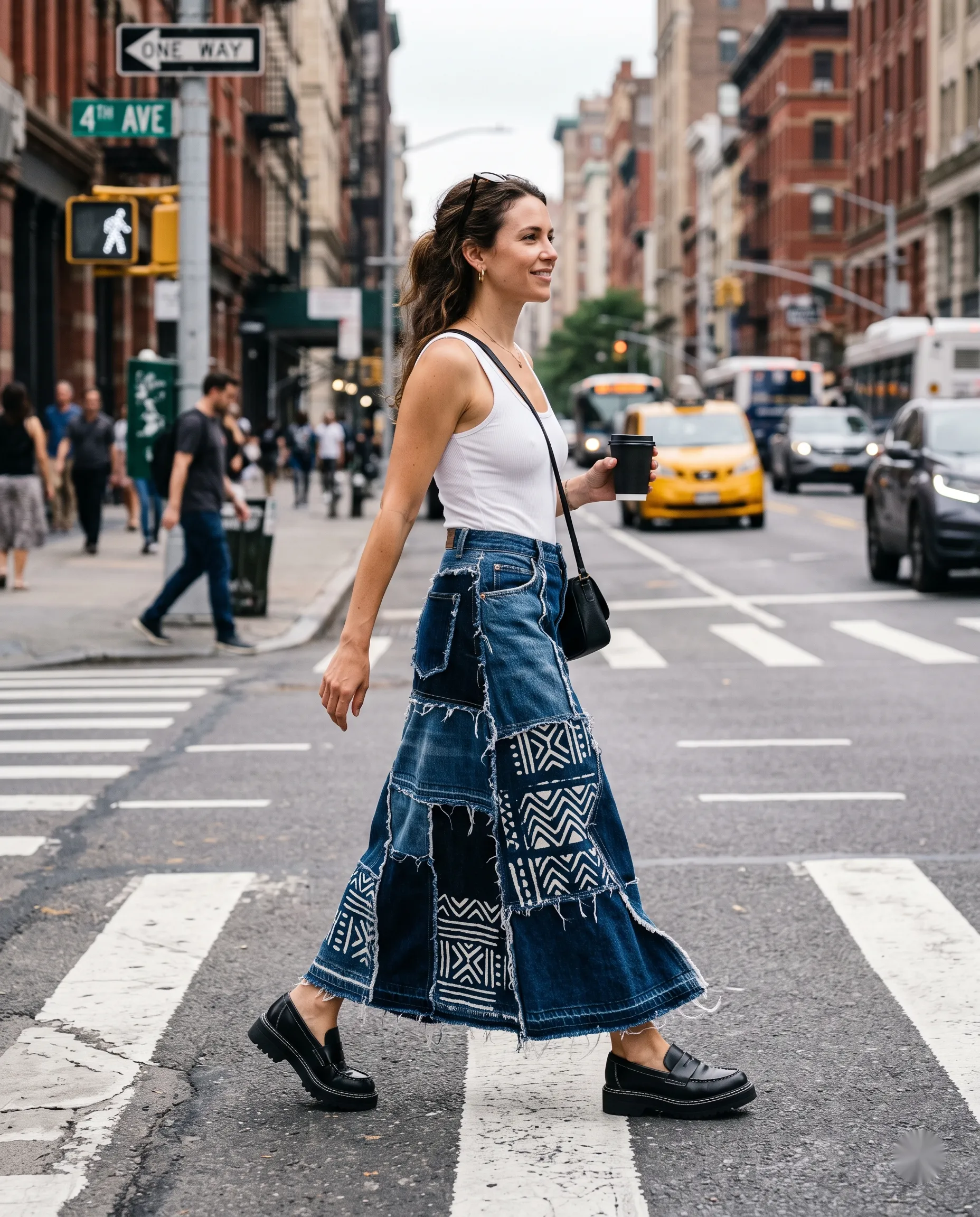
If you want to add a graphic element to a plain denim jacket or backpack, iron on motifs are a simple solution. These patches come with a heat activated adhesive on the back. Simply place the motif where you want it, cover it with a thin pressing cloth, and apply your iron on the cotton setting for thirty seconds. This creates a permanent bond that withstands regular wear. It is a great way to express your style or interests. Choose a motif that reflects your personality and keep the placement balanced to ensure it looks intentional rather than cluttered.
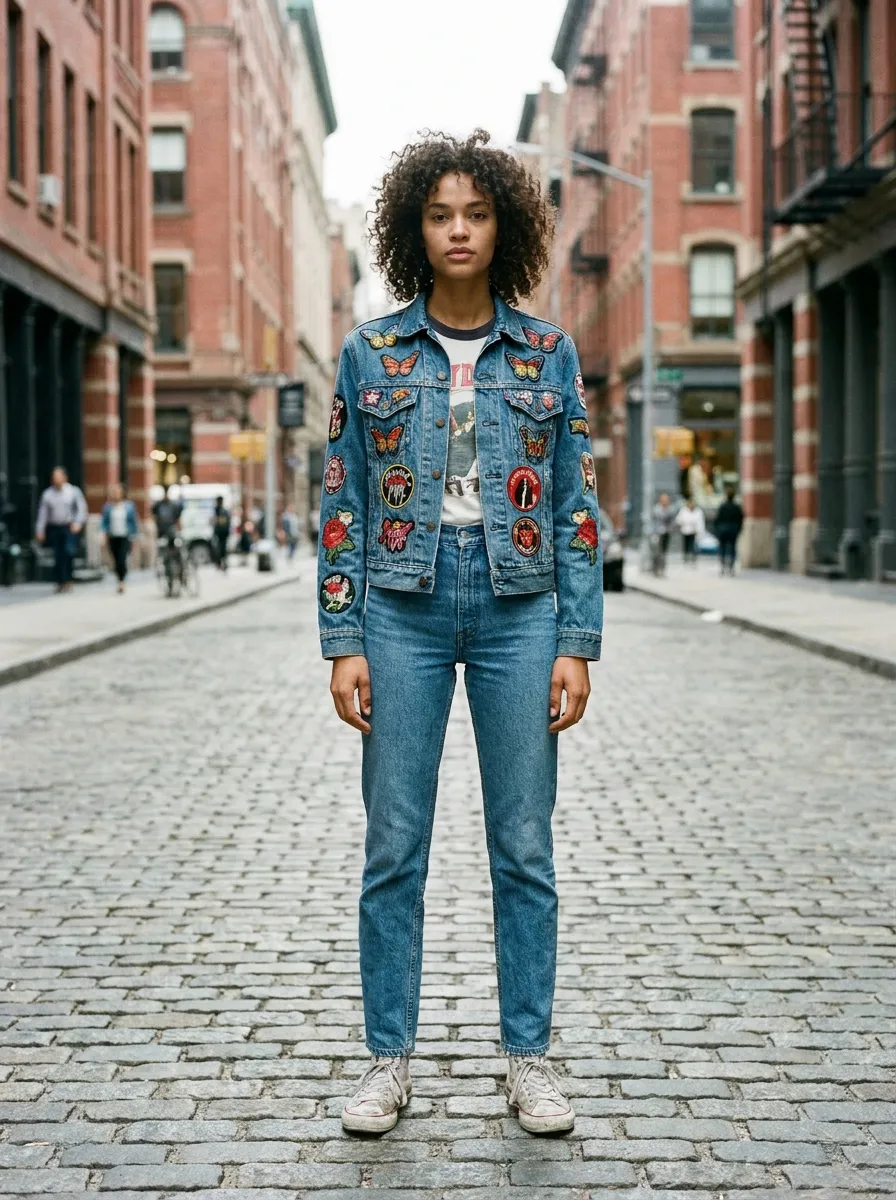
The Cut Out Shoulder
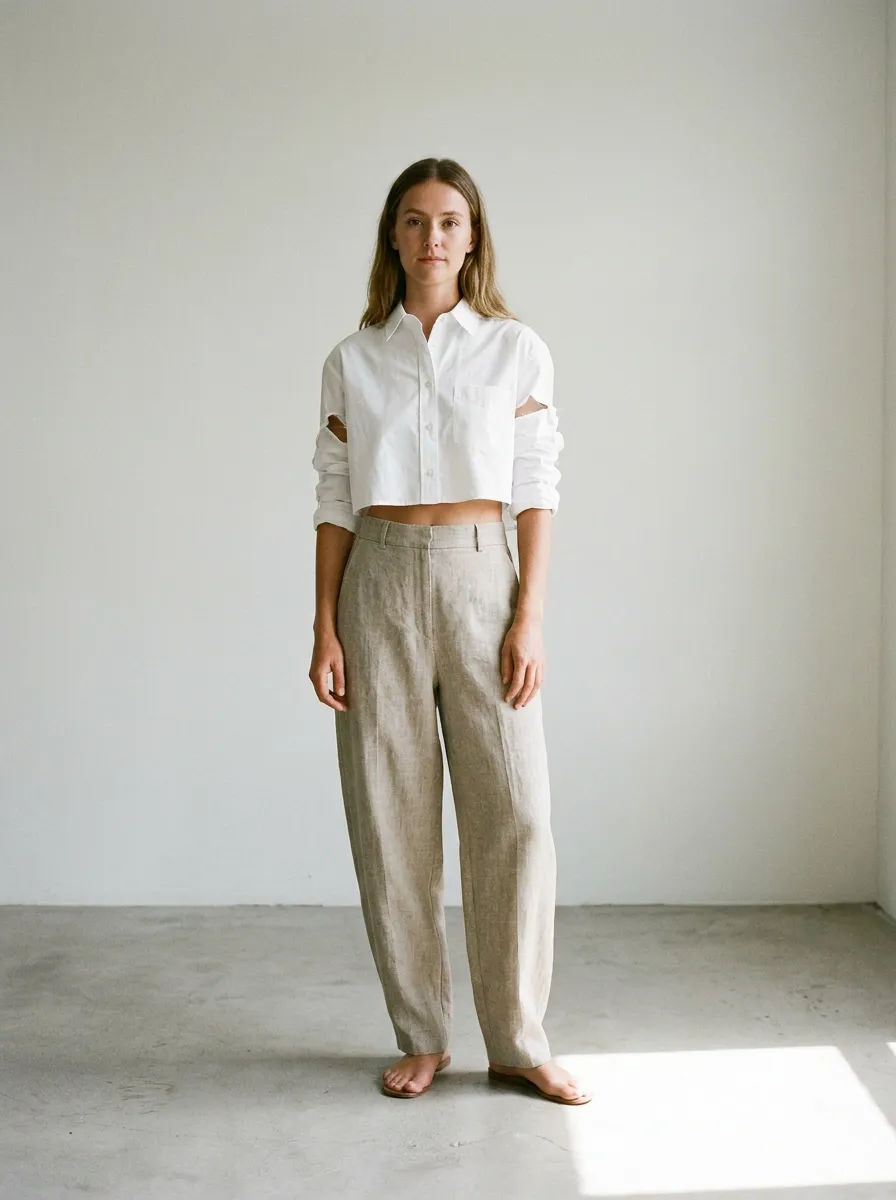
Create a modern cut out look on a knit sweater by carefully removing the fabric at the shoulder area. Use sharp fabric scissors to cut a small oval or diamond shape. Since knit fabric does not fray as easily as woven cloth, you can often leave the edges raw for a relaxed look. This adds a subtle hint of skin, making it a great option for layering under a leather jacket. Pair it with dark jeans for a night out. A comfort note is to ensure the cut is not too wide, so the sweater remains stable on your shoulders while you move.

Common Questions About Upcycling
Are these methods durable for long term wear?
Most of these techniques are surprisingly durable if you use quality adhesives and follow the care instructions. Hand washing is generally recommended to keep your modifications in place. While they might not be as permanent as machine stitching, they hold up well for seasonal rotation and regular casual use.
Can I upcycle clothes without a sewing machine if the fabric is delicate?
For delicate fabrics like silk or thin synthetics, avoid heavy glues or excessive cutting. Instead, focus on accessories like brooches, scarves, or ribbon ties that do not require permanent alterations. These methods keep the material safe while still allowing you to change the silhouette or style of the piece.
How do I choose the right adhesive for my project?
Select a fabric specific glue that remains flexible when dry. Test the glue on a small, hidden patch of fabric first to ensure it does not bleed through or cause stiffness. Always follow the manufacturer instructions regarding drying time to ensure a strong bond that survives gentle movement during wear.
What if I make a mistake while cutting my clothes?
If a cut goes wrong, consider it an opportunity to pivot. You can often trim the edge further to make it symmetrical or cover the area with a decorative patch or a brooch. Most mistakes in upcycling are actually just chances to add a unique detail you had not planned.
Is it worth upcycling items that are already worn out?
Upcycling is a great way to save items that have minor flaws like a snag or a stain. However, if the fabric itself is thinning or tearing due to age, it might be better to repurpose the textile into something else entirely, such as a tote bag or a cloth napkin.
Your Wardrobe, Refreshed
Updating your clothing is a personal journey that reflects your evolving taste and values. By choosing to upcycle your items, you extend their lifespan and reduce waste, contributing to a more thoughtful approach to your daily fashion choices. Each small modification serves as a creative exercise that makes your collection feel entirely your own.
Take a look at your current rotation today and pick one garment to start with. Whether you try a simple hem or a new accessory, enjoy the process of making something old feel new again.