10 To Upcycle An Old Hoodie Into Custom Streetwear
How to use this guide
Choose ideas based on the materials, time, skill level, and finish you can realistically manage. For any dye, bleach, paint, or alteration project, test on a spare piece first and follow the product safety instructions.
You stare at that faded cotton pullover in the back of your drawer and wonder if it deserves a second life. Most people discard their worn out loungewear when the cuffs fray or the color loses its original depth. Instead of letting that fabric go to waste, you can turn it into a unique piece of clothing that reflects your actual taste. Repurposing existing items saves money while ensuring you own a garment no one else has. If the piece in question is a crewneck rather than a hoodie, cutting a plain sweatshirt instead applies most of the same tricks minus the hood.
This guide provides 10 actionable methods to upcycle an old hoodie into custom streetwear that stands out. We focus on construction techniques, silhouette changes, and hardware additions that require basic tools like scissors, pins, and thread. You will learn how to reshape, distress, and accessorize your base layer to create a professional look. Follow these steps to build a fresh, sustainable wardrobe piece that fits your life.
The Cropped Raw Hem Boxy Fit
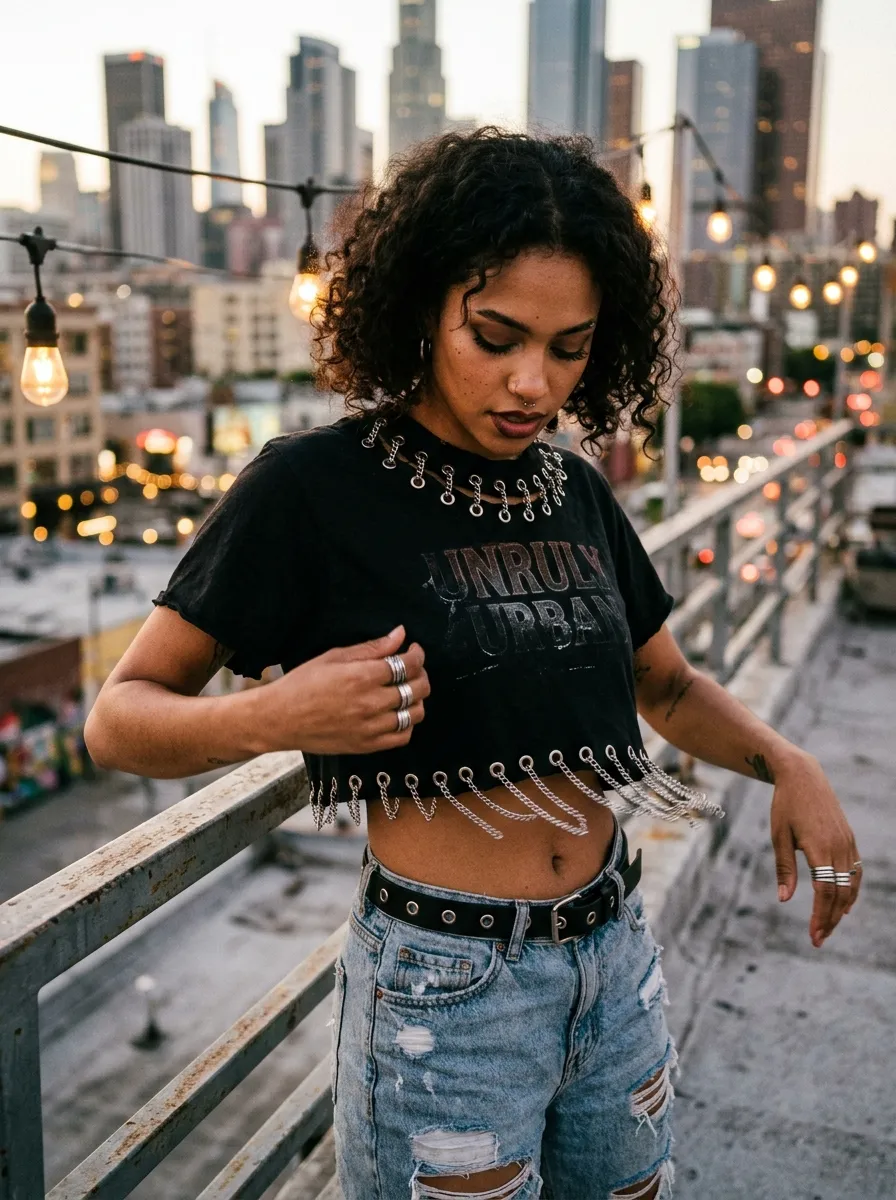
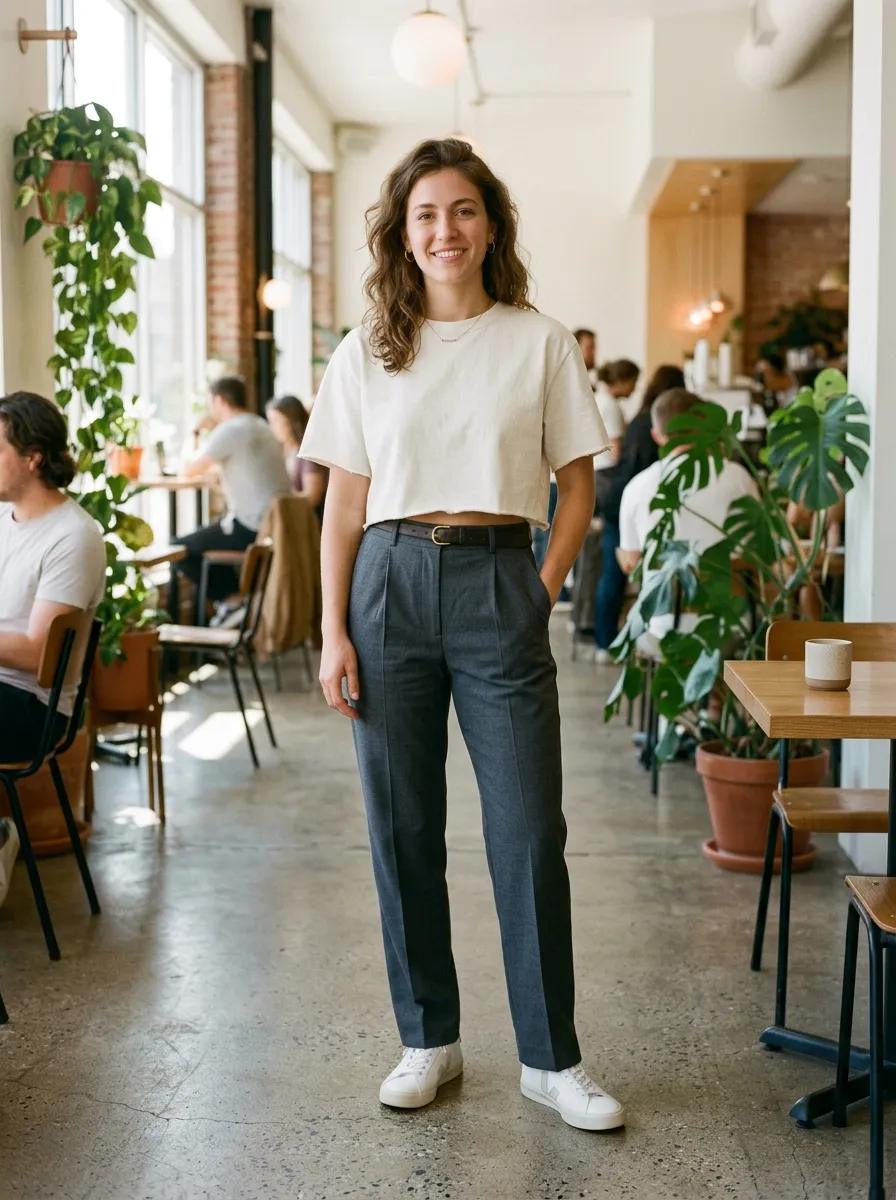
Cutting the bottom band creates an instant boxy silhouette that pairs well with high waisted trousers. Measure twice before you cut to ensure the length sits just above your belt line. A raw edge will naturally curl over time, adding to the relaxed aesthetic. Use sharp fabric shears for a clean line. If you prefer a sturdier finish, you can sew a simple zig zag stitch along the edge to prevent further fraying. This look is comfortable for casual weekend errands or coffee runs. Keep in mind that heavy cotton weights work best for this shape, as thin jersey may lose its structure too quickly.
Exposed Contrast Stitching
Use heavy embroidery thread in a bright color to trace the existing seams of your hoodie. This technique draws attention to the construction lines and mimics high end designer detailing. Work slowly to keep your stitches consistent in length. You can choose a neon shade for a loud look or a tonal thread for subtle depth. This hack works well on dark fabrics where the contrast pops. Ensure you knot your thread securely on the inside to avoid unraveling. It is a time intensive process, so plan for a few hours of focused work while watching a movie.
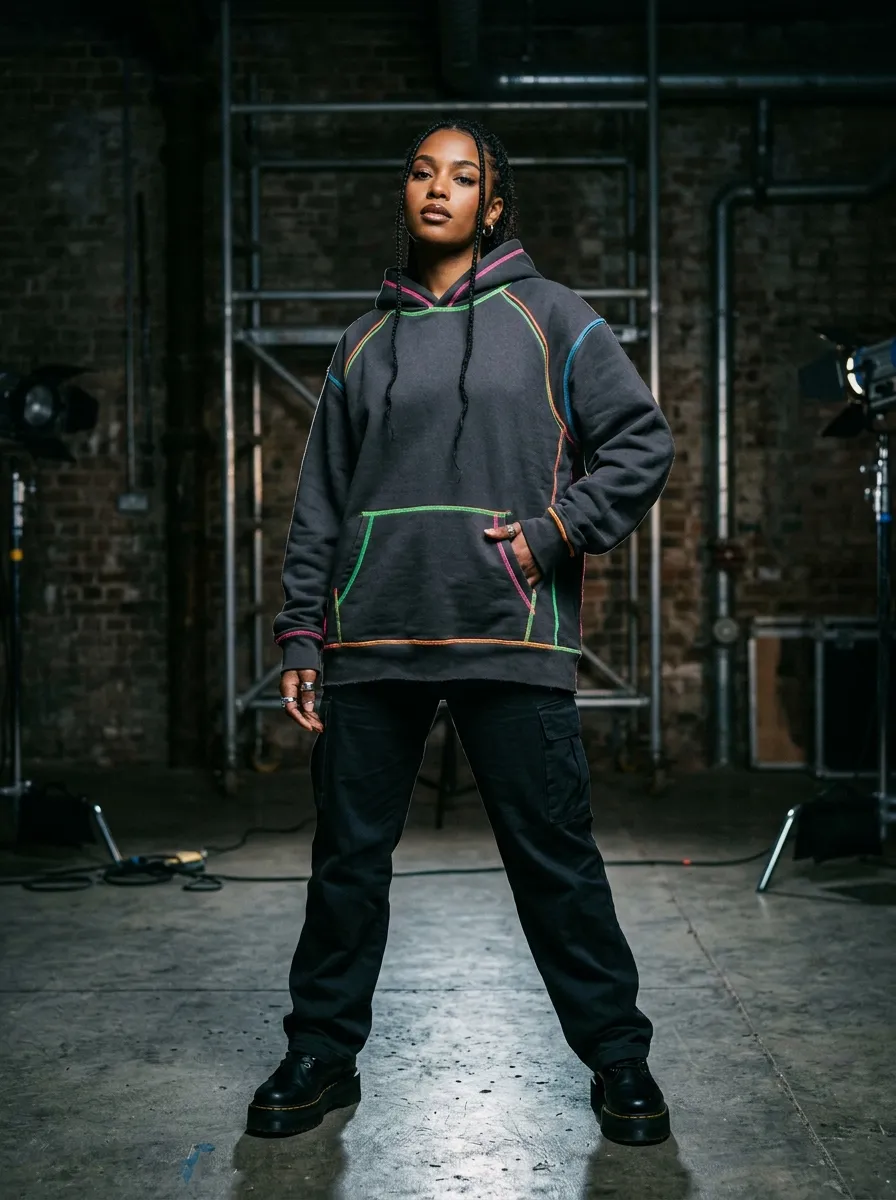
The Distressed Grunge Cutout
Strategic distressing around the neckline or cuffs adds a worn in feel without compromising the integrity of the garment. Use a seam ripper to create small holes and then gently pull the threads to widen them. Avoid cutting large sections, as this can weaken the fabric too much. Focus on areas that naturally experience friction. This style works well with layered outfits, perhaps worn over a long sleeve thermal shirt for winter. Remember that once you remove fabric, you cannot add it back, so start small and assess the look as you go.
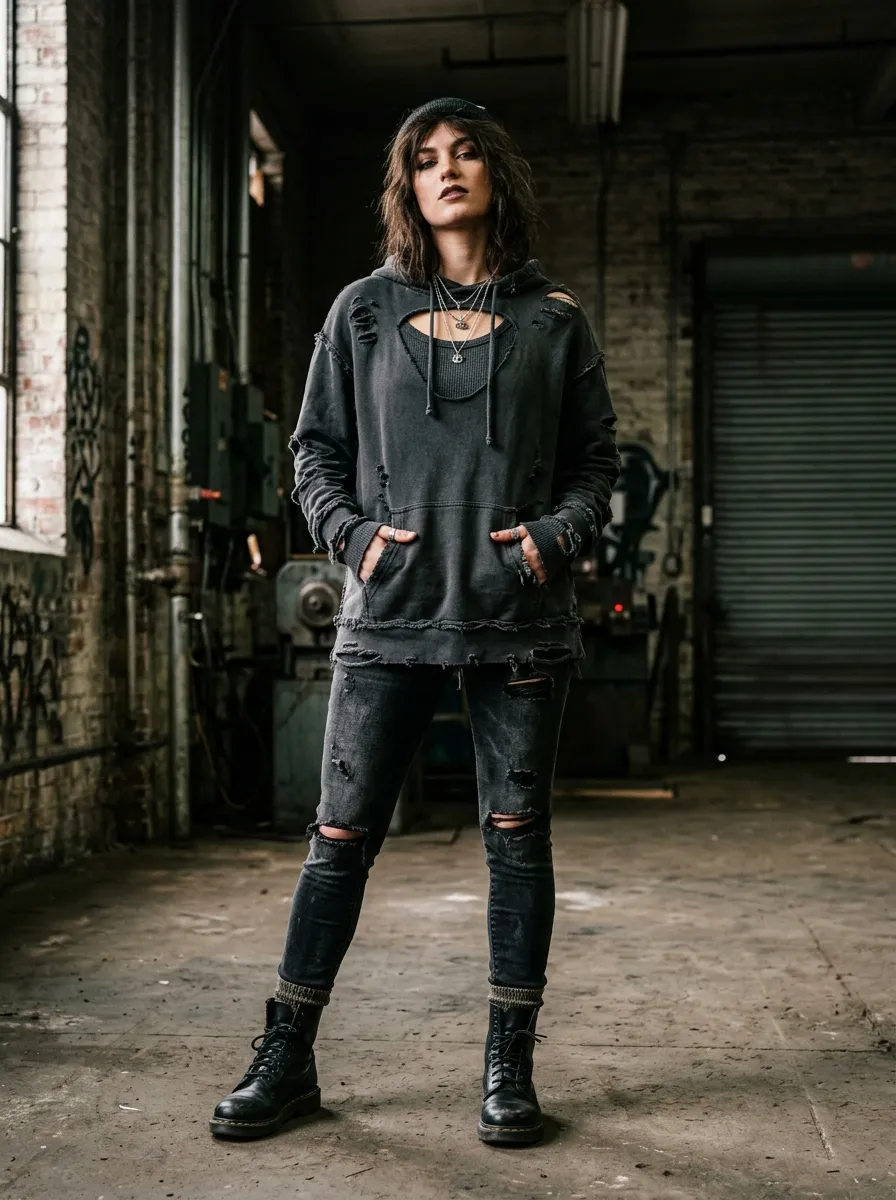
Hardware Heavy Utility Straps
Attach nylon webbing straps and plastic buckles to the front pockets or sleeves to give your hoodie a techwear edge. You can source these materials from old bags or craft stores. Use a heavy duty needle to secure the webbing to the fabric. These straps serve no functional purpose, but they provide a tactical look that is popular in modern streetwear. Be careful not to make the garment too heavy or uncomfortable. This modification is great for music festivals or outdoor events where you want a rugged aesthetic without the cost of expensive technical gear.
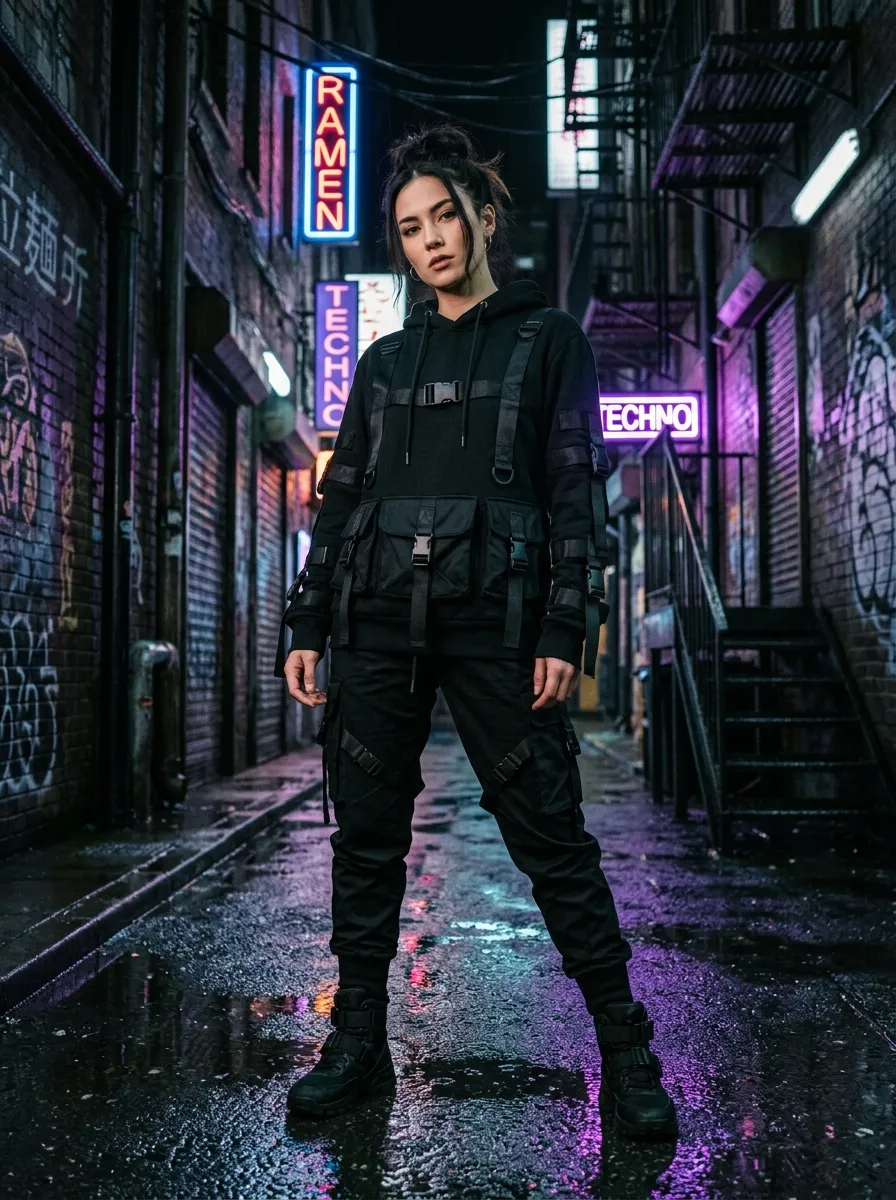
The Asymmetrical Side Slit
Adding a side slit to the hem allows for better movement and a more interesting drape when tucked into a waistband. Use a ruler to mark a straight line from the hem upward about six inches. Carefully cut and then fold the edges inward to hem them down with a straight stitch. This simple modification changes the entire silhouette from a standard box to something more architectural. It is particularly effective on oversized hoodies that feel too bulky. The slit adds a touch of sophistication to an otherwise basic piece of loungewear.
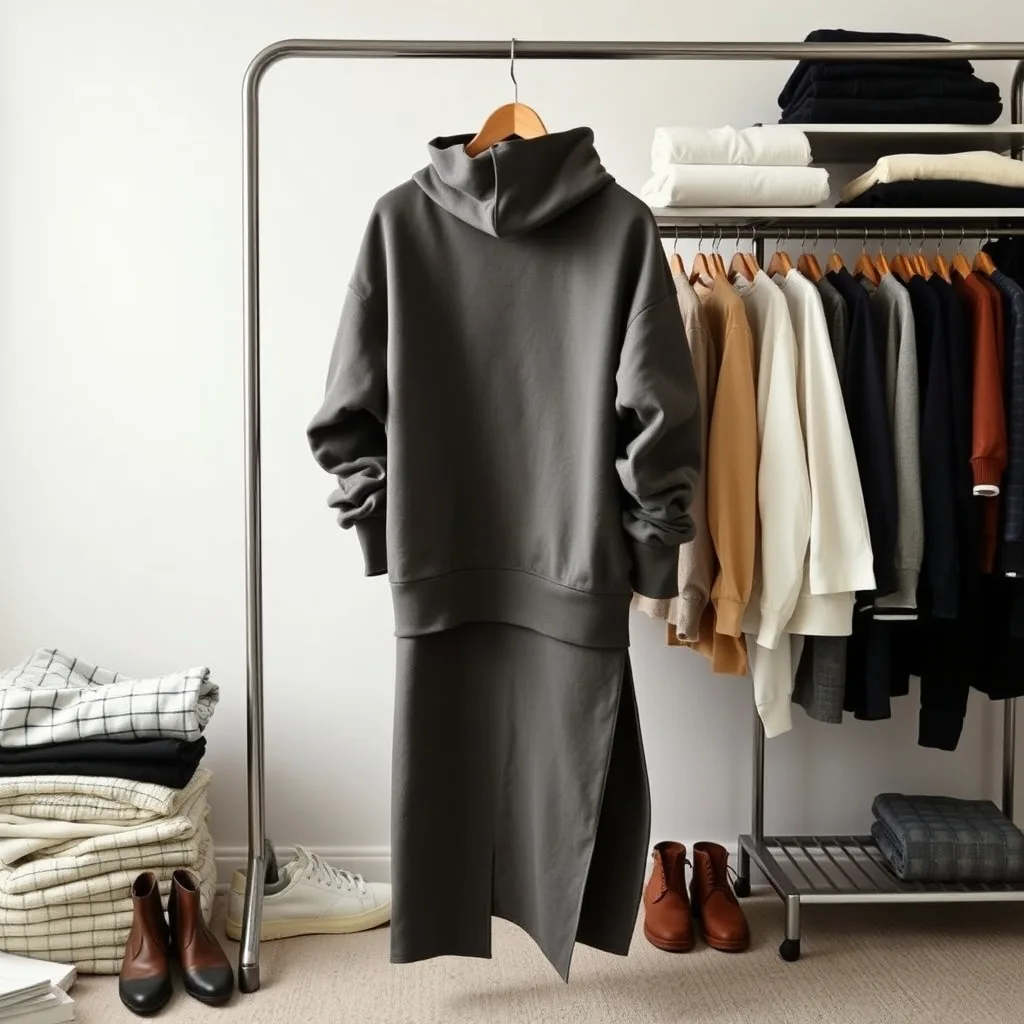
Oversized Patchwork Applique
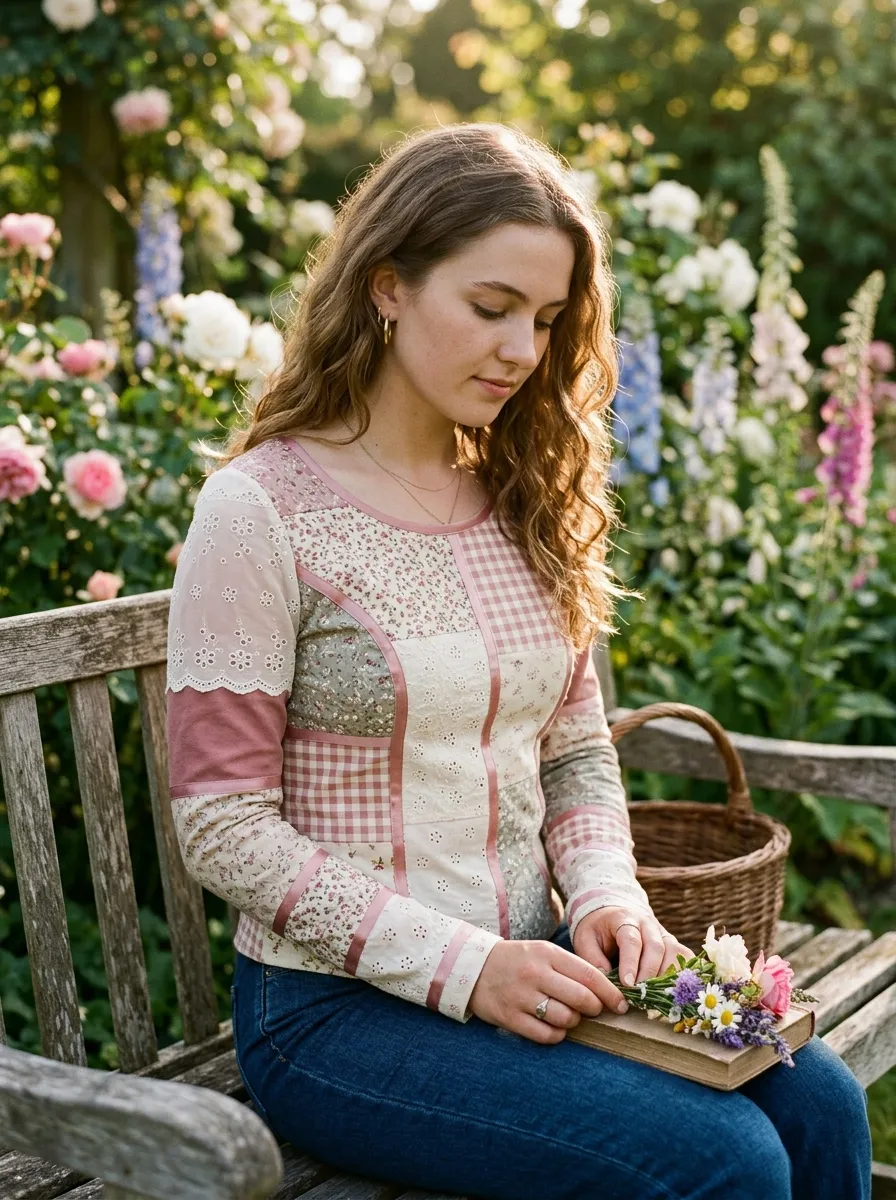
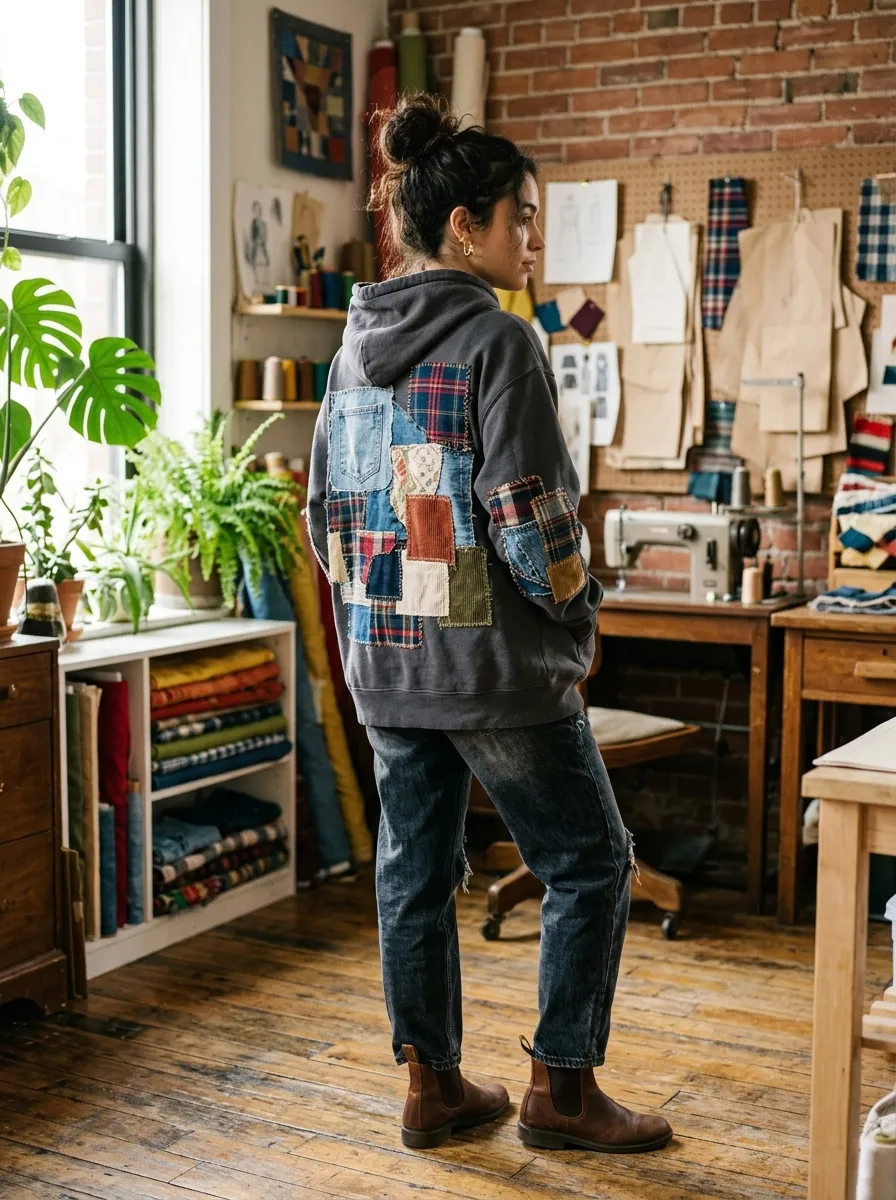
Use scraps of denim, flannel, or corduroy to create large patches on the elbows or back of your hoodie. You can use fabric glue for a temporary hold or sew them down for a permanent finish. Contrasting textures make the garment look like a custom piece from a boutique. This is also a practical way to cover stains or small tears. Choose fabrics that are similar in weight to the hoodie so the garment drapes correctly. This look is strong for colder months when you want extra warmth and a layered aesthetic.
Drawstring Swap and Toggle
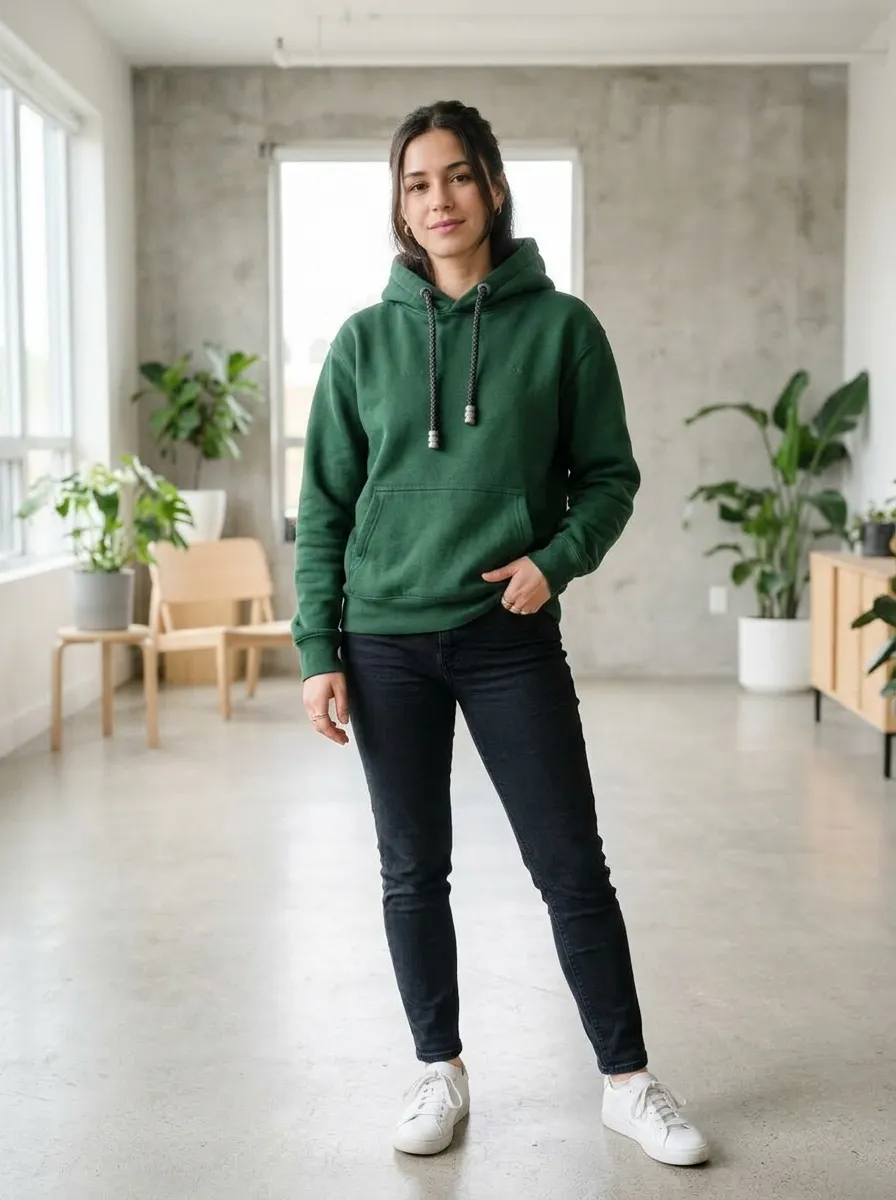
Replace the standard flat shoelace style string with round paracord or thick rope for a more industrial look. Add metal toggles at the ends to keep the strings in place. This small detail is often overlooked but changes the overall vibe of the hood. You can find these items at hardware stores or outdoor supply shops. It is an inexpensive way to refine the quality of your garment. Make sure the toggle is light enough that it does not pull the hood down or cause neck fatigue throughout the day.
The Layered Sleeveless Vest
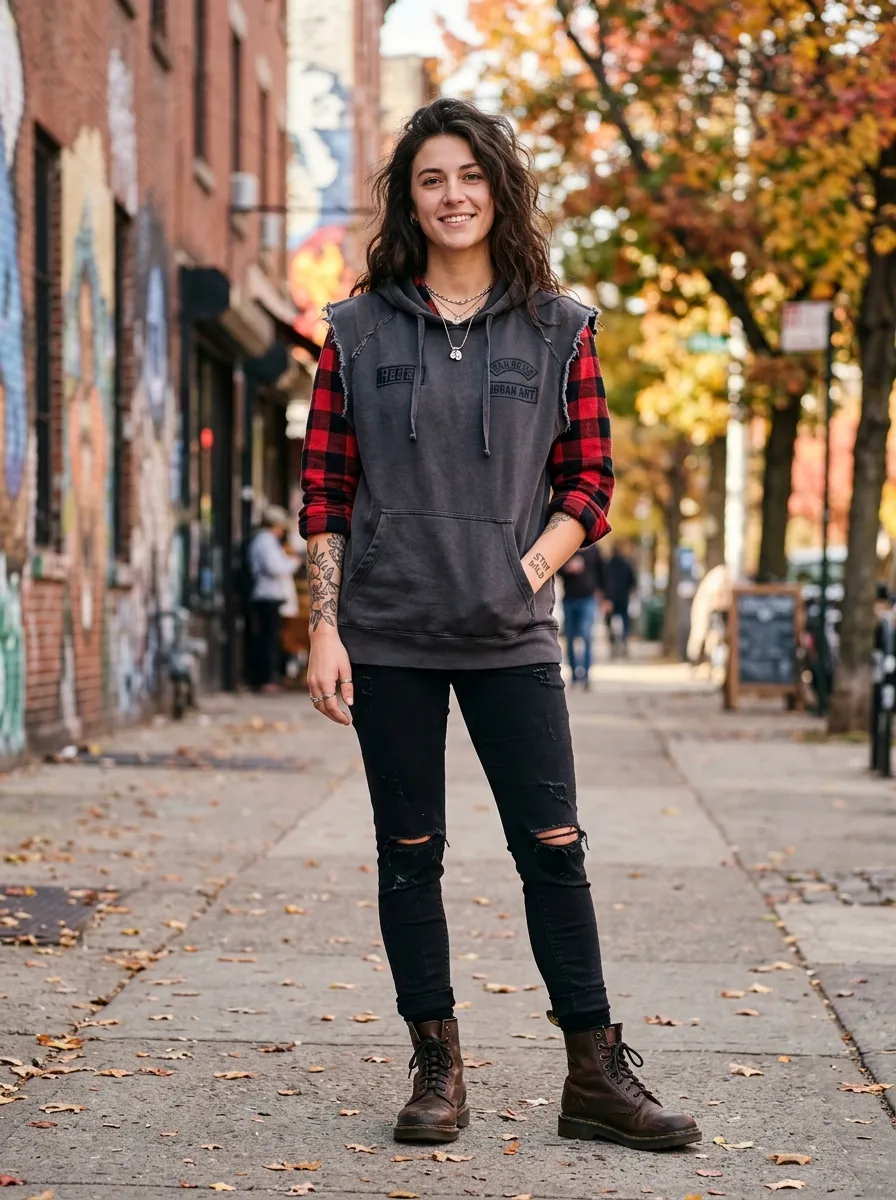
If the sleeves of your hoodie are damaged, cut them off entirely to create a sleeveless vest. Finish the armholes with bias tape for a polished look, or leave them raw for a punk inspired style. This piece is excellent for layering over long sleeve flannel shirts or hoodies in a different color. It adds a new dimension to your outfit combinations. Consider the fit of the armholes; they should be large enough to allow for a thick layer underneath without restricting your arm movement. This is a versatile piece for spring or autumn weather.
Bleach Wash Pattern
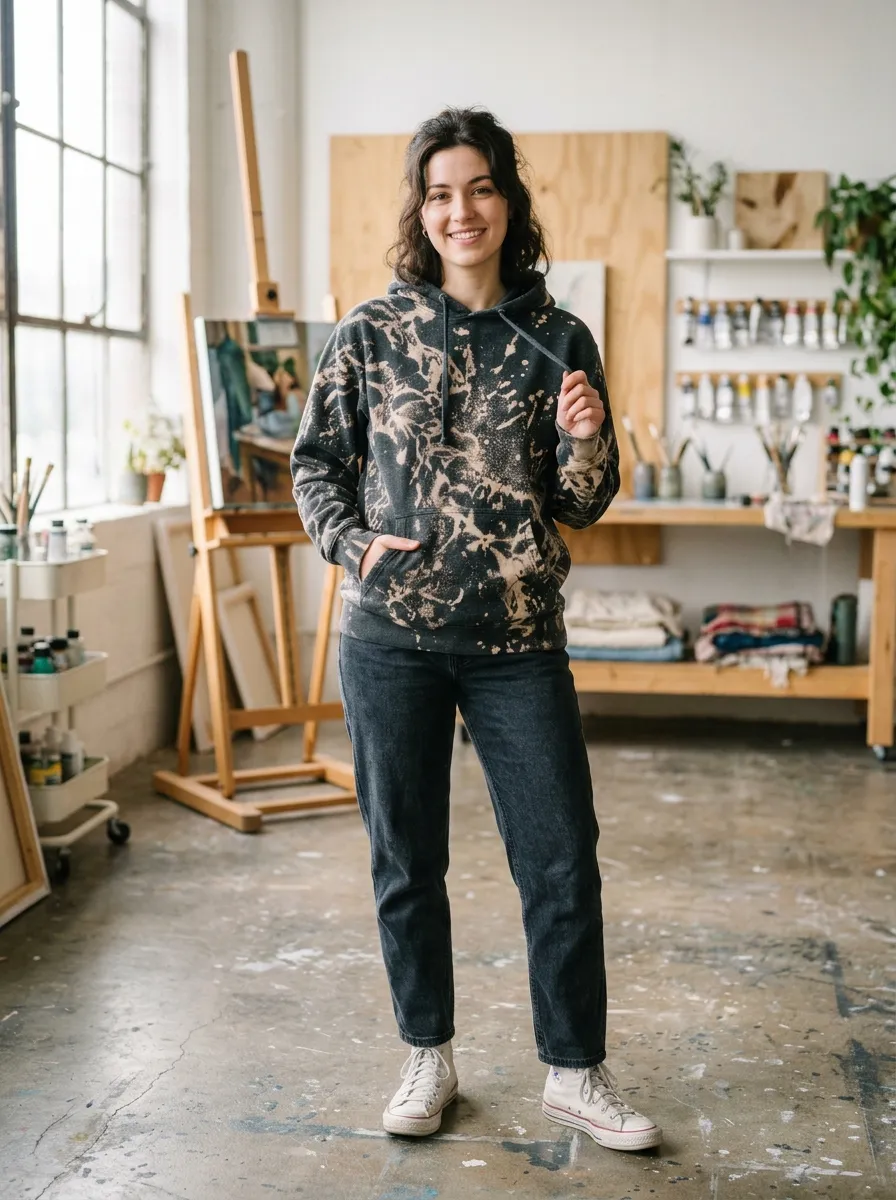
Create a custom pattern by applying a diluted bleach solution to your hoodie. Use a spray bottle for a misted effect or a brush for more controlled lines. This creates a one of a kind marble or splatter effect that looks professional. Always work in a well ventilated area and wear gloves to protect your skin. Wash the garment immediately after the desired color is reached to stop the chemical reaction. This works best on dark cotton hoodies. Be aware that bleach can weaken fabric fibers, so do not overdo the application.
Hidden Zipper Pocket
Add a hidden zipper to the kangaroo pocket or the sleeve for extra storage and a functional streetwear detail. You will need a sewing machine or a steady hand to install the zipper cleanly. This is a more advanced project but adds significant value to the garment. Use a zipper color that matches the fabric for a stealth look or a contrasting one to make it a statement piece. It is a great place to store a key or card while you are out. Ensure the zipper is smooth and does not snag on the cotton fabric.
Common Questions About Upcycling Hoodies
What is the best way to ensure my upcycled hoodie remains comfortable?
Focus on the weight of your additions. Heavy hardware or excess fabric can create pulling sensations on the shoulders or neck. Always test the garment for movement after adding straps or zippers. If a modification feels restrictive, rethink the placement before finalizing your stitches to ensure long term comfort.
Can I upcycle a hoodie if I do not have a sewing machine?
Yes, many of these hacks rely on hand sewing or simple cutting techniques. A needle and thread can handle most repairs and attachments if you work slowly. Use fabric glue for non structural elements, but prioritize hand stitching for areas that experience tension to ensure the durability of your work.
How do I choose the right fabric for patching a hoodie?
Select a fabric weight that matches the base hoodie. If you attach a heavy denim patch to a thin jersey hoodie, the weight difference will cause the fabric to sag or tear over time. Aim for similar cotton blends or soft corduroy to maintain the structural integrity of the piece.
What tools are essential for these streetwear modifications?
You need sharp fabric shears, a seam ripper, sewing needles, and quality thread. A tailor chalk or a light pencil is helpful for marking lines before you cut. Having a few basic metal toggles or spare nylon webbing on hand will also help you complete most of these custom looks.
How do I care for a hoodie that has been distressed or modified?
Wash modified garments on a gentle cycle inside a mesh laundry bag. This prevents straps, raw edges, or hardware from catching on other items in the machine. Air drying is always the safest method to preserve the integrity of your stitches and prevent the fabric from shrinking or warping.
Building Your Custom Streetwear Wardrobe
Upcycling your old hoodies allows you to express your creativity while building a more sustainable and personal wardrobe. Each of these 10 hacks provides a way to refine your style without needing a massive budget or advanced sewing skills. Start with the modification that feels most achievable for your current tools and confidence level.
Choose one project to attempt this weekend and see how it transforms your daily look. If you found these ideas helpful, consider saving this guide for your next DIY session or sharing it with a friend who enjoys custom fashion.