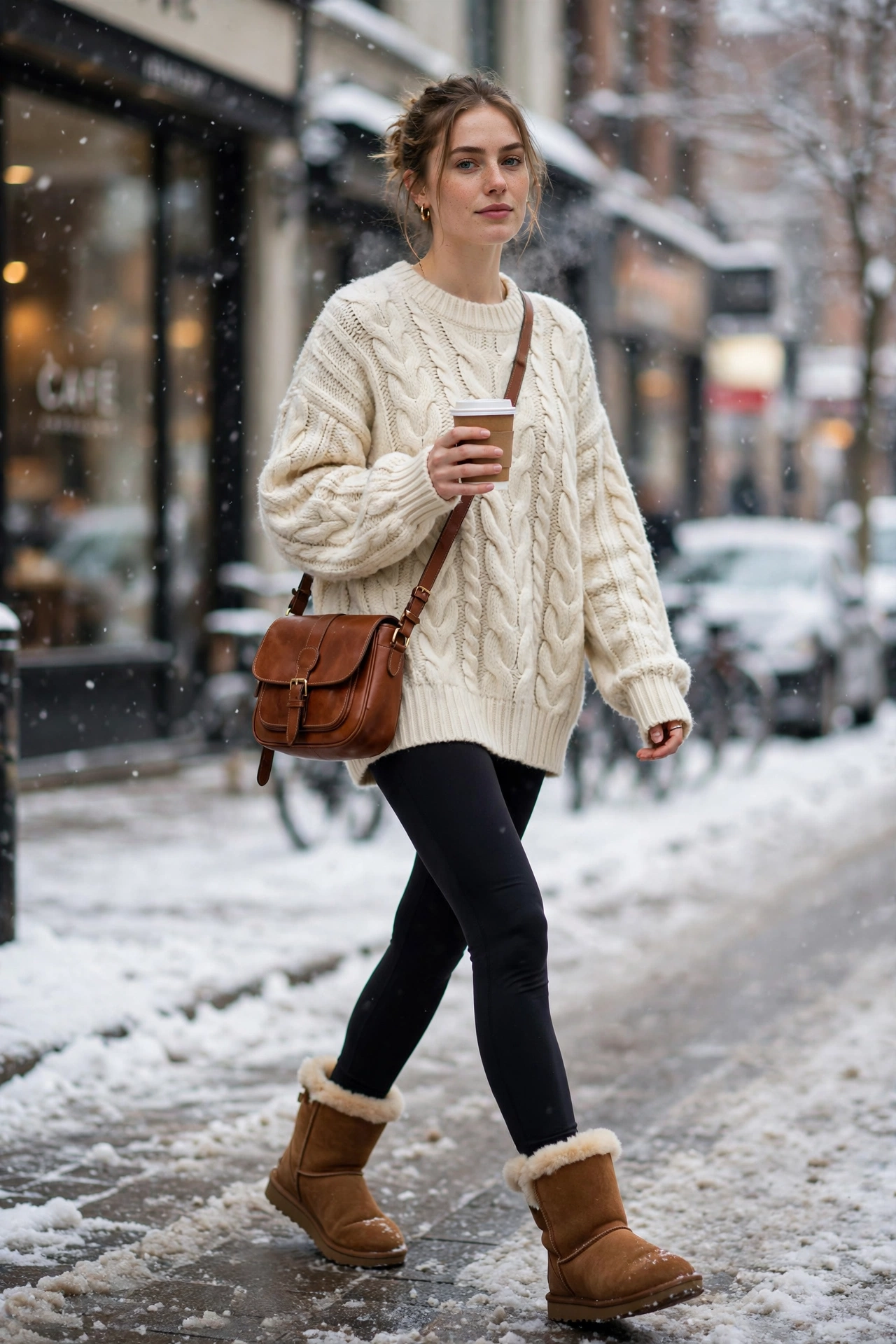
15 Thrift Flip Ideas for a Grunge Inspired Wardrobe

How to use this guide
Choose ideas based on the materials, time, skill level, and finish you can realistically manage. For any dye, bleach, paint, or alteration project, test on a spare piece first and follow the product safety instructions.
Old jeans, worn out band tees, and stretched sweaters pile up in donation bags every year, and most of that fabric still has real life left in it. A pair of scissors, a handful of grommets, and an hour on a Saturday afternoon can turn a stained blazer into a bustier or a men's shirt three sizes too big into a dress with one bare shoulder. Thrift racks hold more raw material than most shoppers realize, sitting there for a few dollars a piece while fast fashion charges full price for the distressed look people are already throwing away.
This guide walks through 15 flips built from denim, leather, flannel, silk scarves, and old band merch, covering everything from laced up vests to woven bags. Each idea includes the exact cuts, stitches, or laces needed, so a single trip to the thrift store can produce a wardrobe that looks pulled from a runway rather than a donation bin.
Corset Lace Thermal Henley
A basic waffle knit henley gets new life with laced side seams that pull in at the waist. Leather cord threads through metal grommets down each side, turning a plain thermal into a fitted silhouette with corset styling. Brown corduroy trousers and worn tan boots keep the look grounded in a cabin cozy palette. This flip works on any oversized henley or long sleeve top pulled from a donation bin. Grab an awl or a leather punch, space out even holes along both side seams, then lace with paracord, ribbon, or thin leather strips. Tie off at the hem and let the ends hang loose for a rustic finish. The technique instantly shapes boxy tops without a single stitch of sewing, making it a quick weekend project for beginners.
Denim Basket Weave Vest and Bag Set

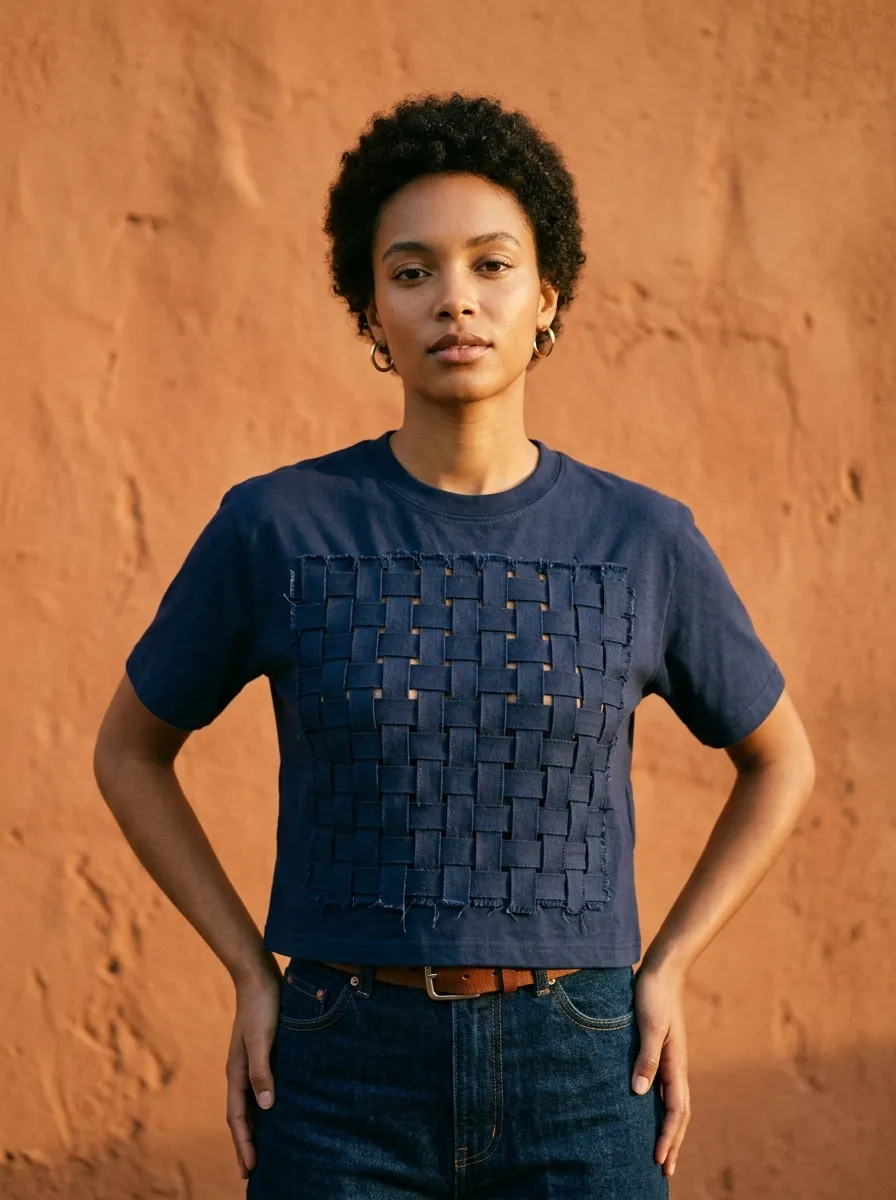
Old jeans become something entirely new in this woven vest and matching bag. Strips cut from several pairs of denim get braided into a basket pattern, then stitched onto a base garment for structure. A cropped silhouette pairs with a crossbody bag made from the same woven technique, both finished in soft, faded blue tones. White jeans and sneakers keep the rest of the outfit simple so the textured top stays the star. This project takes patience more than skill. Cut even strips from three or four old pairs of jeans, weave them over and under in a checkerboard grid, then baste the panel onto fusible interfacing before attaching it to a vest pattern. Fraying edges add texture naturally, so there is no need to hem every strip. Save leftover strips for the bag.
Necktie Bustier
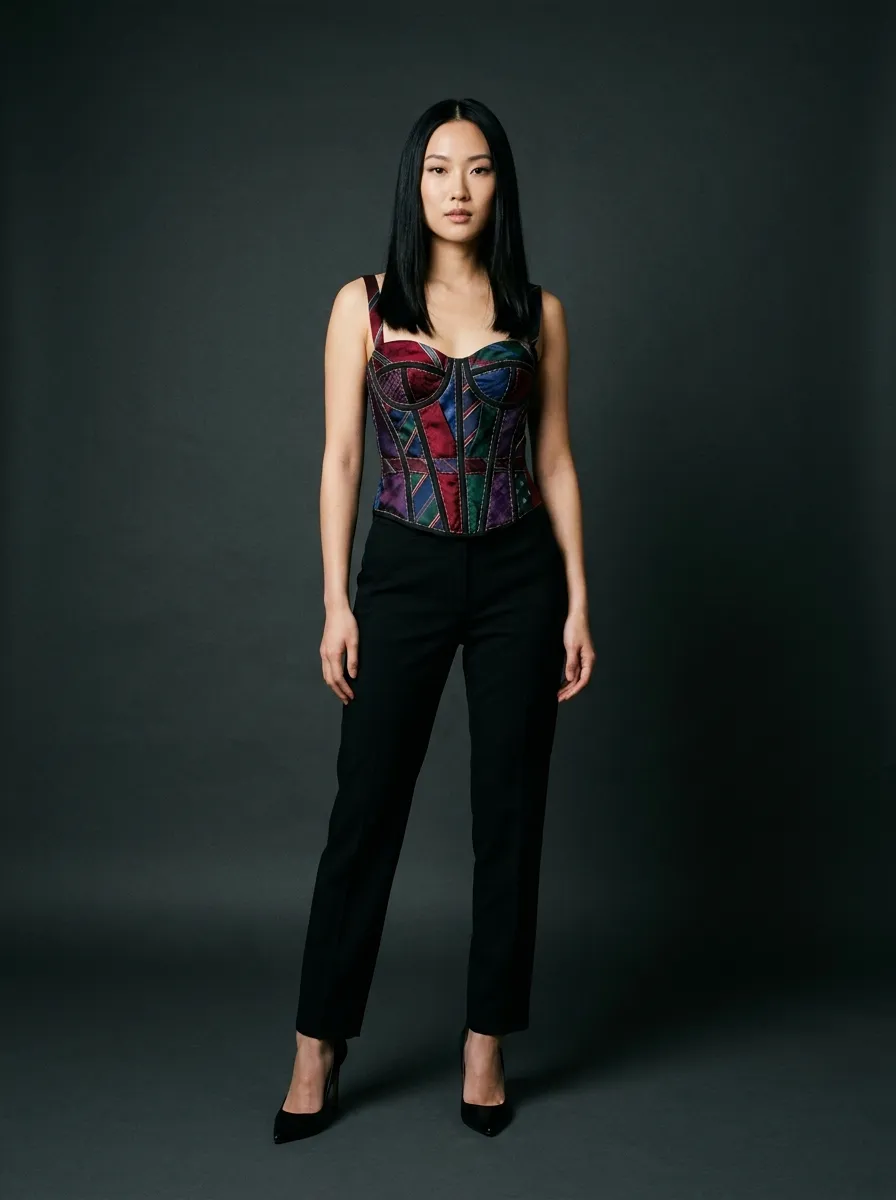
Dozens of second-hand neckties find a bold second purpose in this structured bustier. Silk ties in maroon, teal, and purple are cut and pieced into angular panels, then boned like a corset for shape and support. Black trousers and heels turn the piece into eveningwear rather than costume. Thrift stores often sell neckties in bulk for pocket change, which makes this one of the cheapest fabric sources around. Start by collecting ties with similar weight and finish, then unpick the seams to lay them flat before cutting geometric shapes. Piece the sections together on a bustier base pattern, adding boning channels for structure. The mix of patterns and colours reads as intentional once everything is sewn into clean lines. This flip suits anyone with basic corsetry experience and a stack of ties.
One Shoulder Hoodie Dress

An oversized hoodie twists into an asymmetric dress with almost no cutting involved. The hood drapes over one shoulder while the body wraps diagonally across the torso, leaving the other shoulder bare. Knee high boots dress up what started as loungewear, proving a hoodie can hold its own on a night out. Fleece from any oversized hoodie works, especially one two or three sizes too big. Fold the garment diagonally across the body, pin the hood so it sits on one shoulder, then stitch a new seam along the fold to lock the shape in place. Trim excess fabric from the opposite side and finish raw edges with a serger or zigzag stitch. The kangaroo pocket often ends up repositioned near the hip, adding a nice detail without extra effort.
Silk Scarf Wrap Top
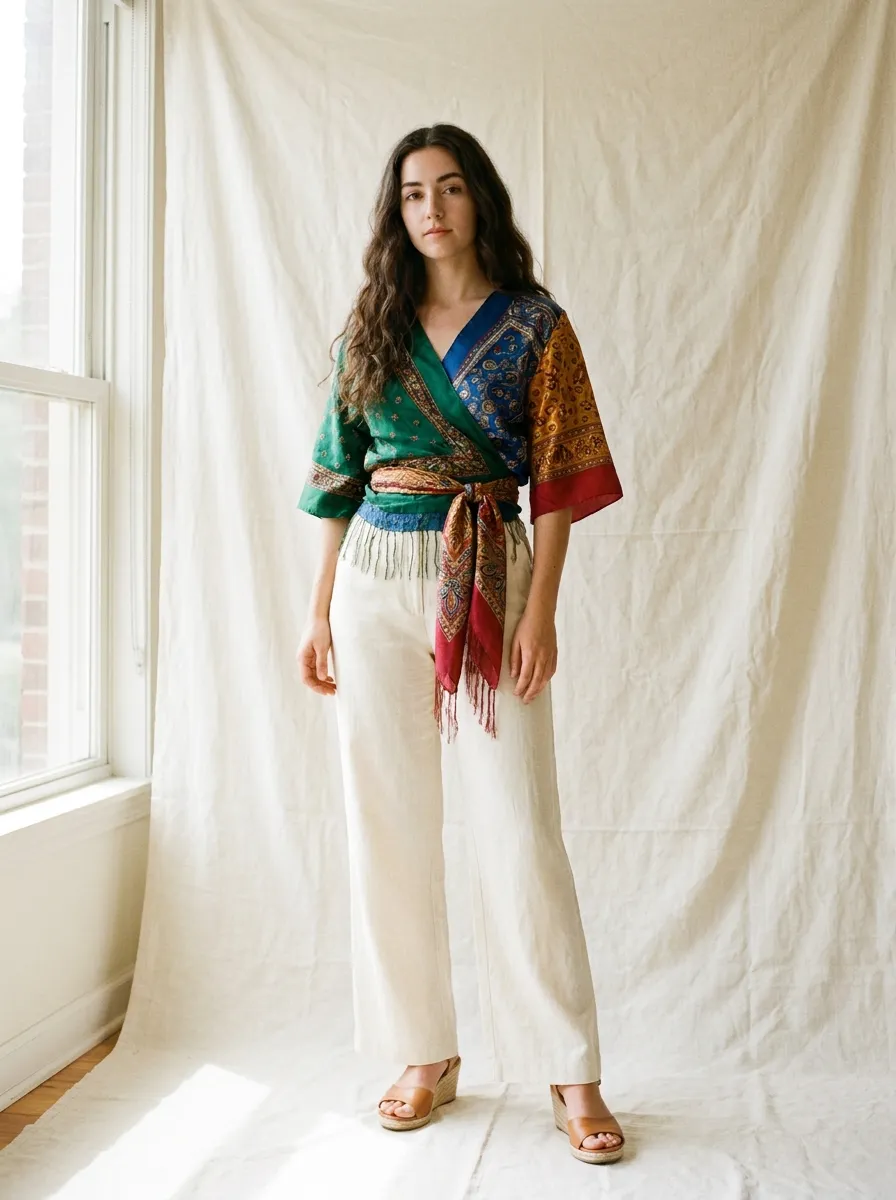
Vintage silk scarves in clashing prints combine into a wrap top with kimono sleeves. Green, blue, and gold panels meet at angled seams, while a fringed scarf doubles as a belt cinching the waist. Cream trousers and wedge sandals balance the busy print with something neutral. Estate sales and thrift shops often have boxes of scarves too small to wear alone but great for piecing together. Choose three or four scarves with a shared colour thread running through them, then cut wide triangular panels from each. Sew the panels along the diagonal to form kimono sleeves, add ties at the front for closure, and hem the edges by hand for a cleaner finish on delicate silk. A spare scarf tied around the waist finishes the look with no extra sewing.
Laced Leather Moto Vest

A second-hand leather jacket loses its sleeves and gains laced side panels in this moto vest flip. Metal grommets run down both sides, threaded with dark cord that cinches the fit at the waist. Layered over a graphic tee and skinny jeans, the vest brings edge to a casual outfit. Thrifted leather jackets with damaged sleeves or a boxy fit make the best candidates, since the sleeves get removed anyway. Cut the sleeves off close to the seam, then finish the raw armhole with bias tape or leave it as is for a rougher look. Punch evenly spaced holes along each side seam using a leather hole punch, then lace with waxed cord in a crisscross pattern. Cinch the ties for a fitted shape or leave them loose for an open drape.
Convertible Cargo Skirt
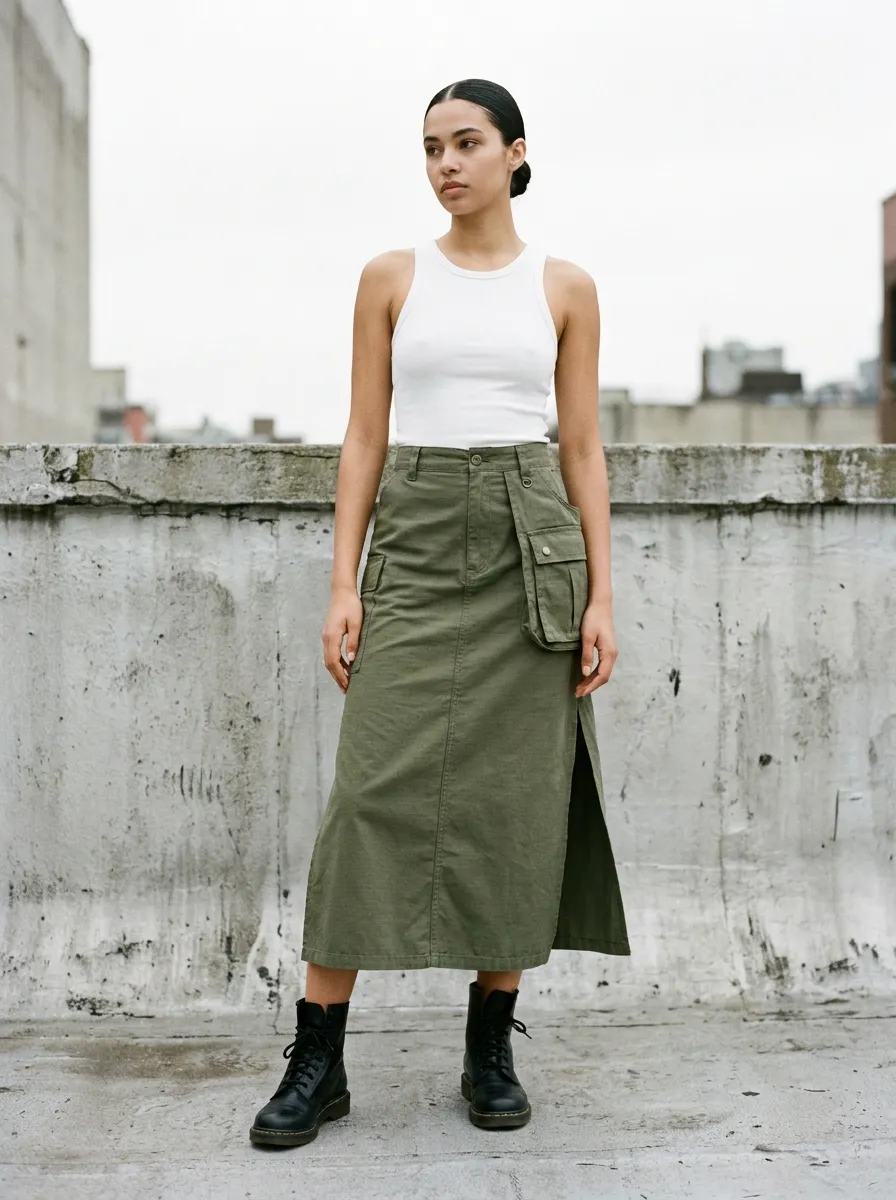
Two pairs of cargo pants merge into one long skirt with working side pockets intact. The waistband keeps its original button fly while the legs get opened and joined into flared panels reaching past the knee. A white tank and combat boots keep the styling minimal, letting the utility details speak for themselves. This flip works best with pants that already share a similar wash and weight. Cut both pairs open along the inseam, keeping the pockets and waistband untouched, then join the panels with a straight seam down the center front and back. A slit left unhemmed at one side adds movement without extra sewing. Press all seams flat before topstitching for a finish that looks store bought rather than homemade. Cargo pockets stay fully functional throughout.
Lace Curtain Blouse

An old lace curtain panel transforms into a sheer blouse with puffed sleeves and a scalloped hem. Floral embroidery runs through the fabric naturally, since curtain lace already comes patterned and finished along the edges. Paired with straight leg jeans and cream flats, the blouse reads romantic rather than costume like. Estate sales and thrift stores often sell lace curtains for a few dollars a panel, far cheaper than lace fabric by the yard. Wash the curtain first to soften it, then lay a simple blouse pattern over the existing scalloped border so the hem needs no extra finishing. Gather the sleeve caps for volume and set them into the armholes by hand for control over delicate lace. A slip worn underneath keeps the sheer fabric modest while showing off the pattern.
Sweater Shrug and Leg Warmer Set
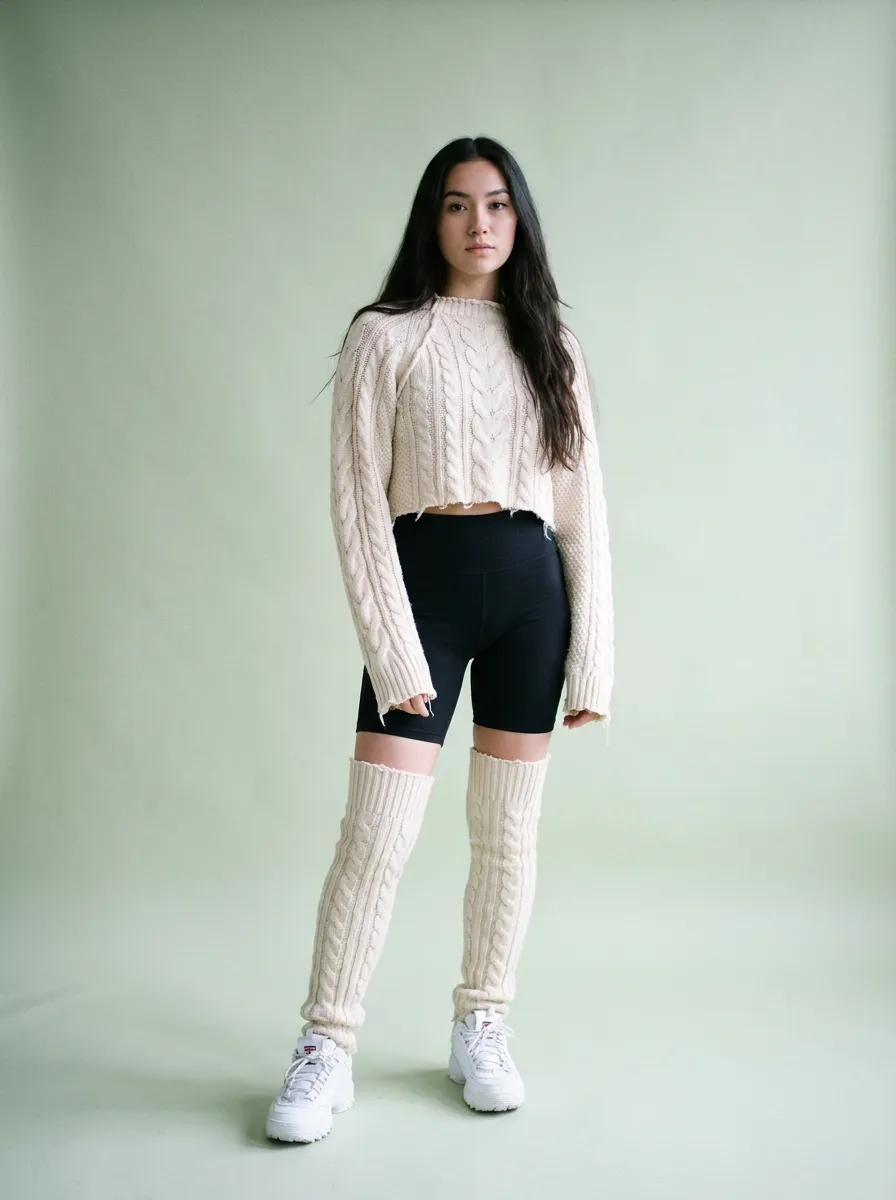
One oversized cable knit sweater splits into three separate pieces: a cropped shrug and a pair of leg warmers. The sleeves get sewn into tubes that slide over the knee, while the body shortens into a boxy cropped topper worn over bike shorts. White sneakers finish the sporty, layered look. Bulky sweaters with a hole in the elbow or a stained hem work well here, since only the sleeves and part of the body get used. Detach both sleeves at the shoulder seam, hem one end of each, and leave the other raw for a lived in edge. Crop the remaining sweater body just below the bust, then finish the new hem with a simple zigzag stitch. Three garments come from one, stretching a single thrift find much further than expected.
Draped One Shoulder Shirt Dress

A classic button up shirt reshapes into an asymmetric dress with a gathered side seam. One shoulder stays bare while the collar and cuff remain intact on the other, giving the piece a tailored edge despite the dramatic drape. Tan trousers peek out beneath the hem, and heeled sandals complete a look that reads more runway than repurposed. Oversized men's shirts from the thrift rack work best, since the extra fabric allows for the gathered drape. Remove one sleeve entirely and tack the shoulder seam closed on that side. Sew a drawstring channel along one side seam, then pull the cord to gather the fabric into soft folds cascading down the body. Knot the cord at the hip to hold the shape, and the shirt becomes a dress with no extra pattern pieces needed.
Laced Band Tee Dress

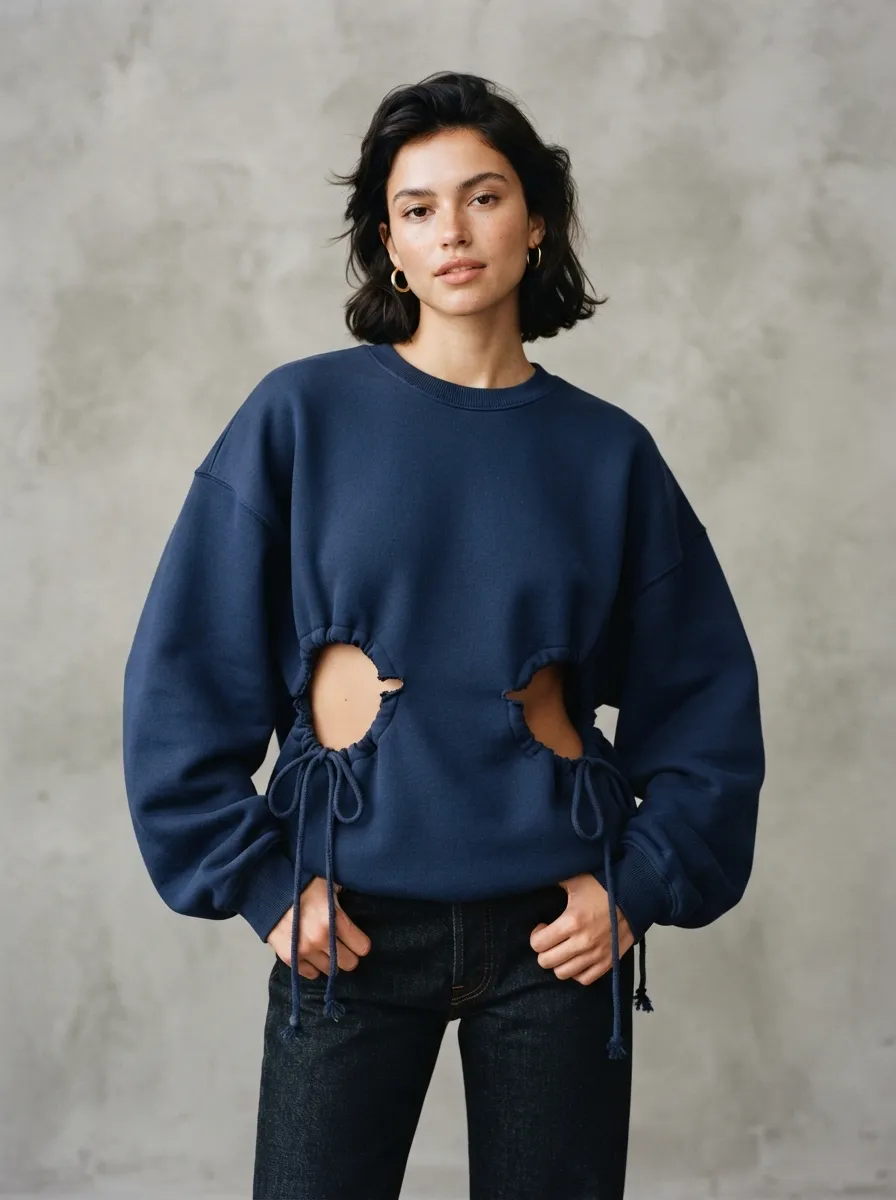
A worn-out band tee stretches into an oversized dress with laced side slits running up each hip. Metal grommets and black cord replace what used to be plain side seams, adding both fit control and a rocker edge. White sneakers keep the styling casual, proving a graphic tee can double as a dress with the right adjustments. Any oversized graphic tee works for this flip, especially one already a size or two too large. Cut a slit up each side seam starting at the hem, then punch evenly spaced holes along both edges using a grommet kit. Lace cord through the holes in a crisscross pattern and knot at the top. The laced sides let the wearer adjust fit and hem length in seconds, tightening or loosening as needed.
Patchwork Denim Halter Top

Four different denim washes come together in a patchwork halter top with a raw hem and back pockets repurposed as front detail. A single strap ties behind the neck, leaving the back bare, while white wide leg jeans and platform sandals round out the outfit. This flip works as a great stash buster for anyone with mismatched jean scraps sitting in a bin. Cut equal sized squares from several pairs of old jeans, mixing light and dark washes for contrast. Piece the squares into a grid using a straight stitch, then cut a halter pattern from the finished panel so a pocket lands somewhere visible on the front. Leave the edges raw and let them fray naturally with washing for texture that looks intentional rather than unfinished.
Structured Blazer Bustier
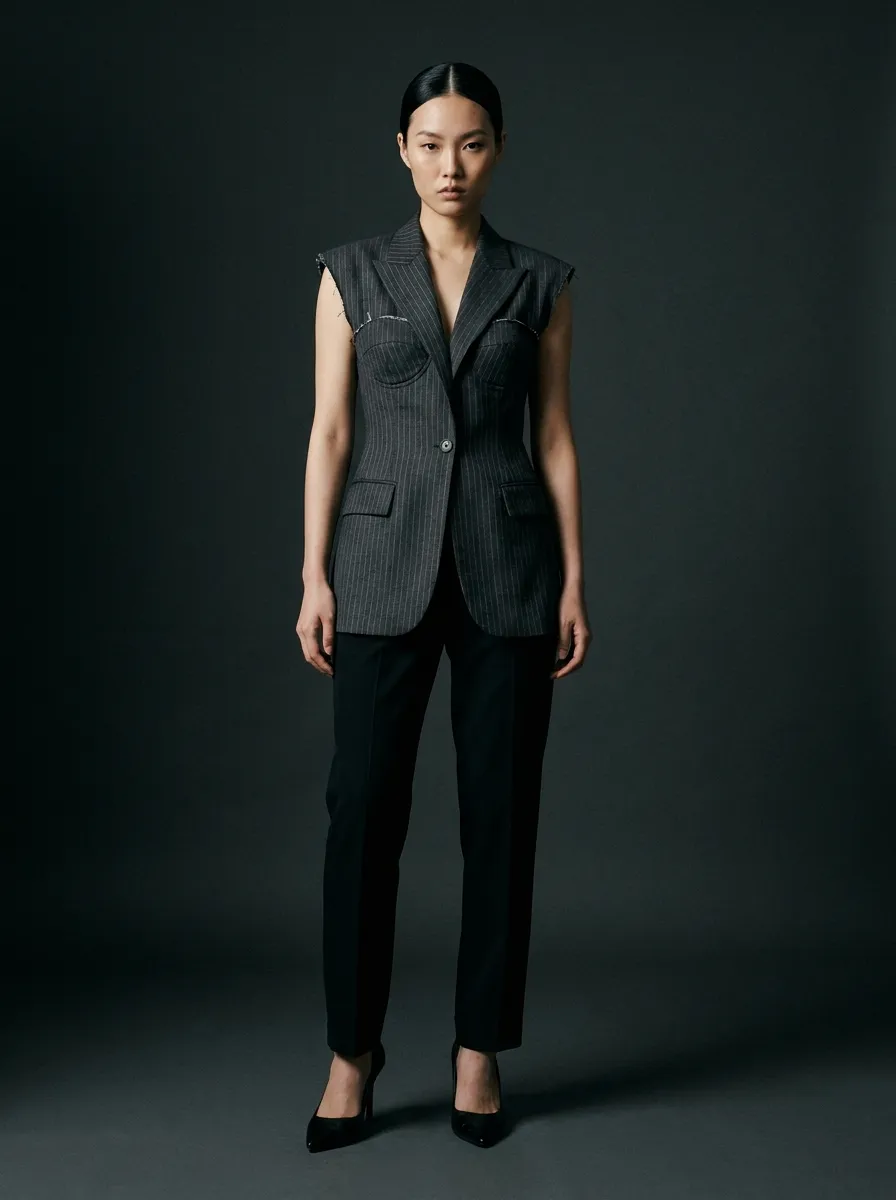
A pinstripe blazer loses its sleeves and collar structure in Favor of a fitted bustier silhouette. The lapels stay intact for contrast against smooth princess seams, while distressed shoulder edges add a raw, unfinished detail. Black trousers and pointed heels turn the piece into after-hours eveningwear rather than office wear. Structured blazers with built in shoulder pads work best, since the jacket already has the shaping, this flip needs. Remove the sleeves and cut the jacket down to bustier length, then add boning channels along the princess seams for support. Fray the shoulder edges by hand for texture or leave them clean depending on the desired finish. The original lapels and pockets stay as design details, giving the piece a tailored look a plain corset pattern could not match.
Laced Denim Trucker Jacket
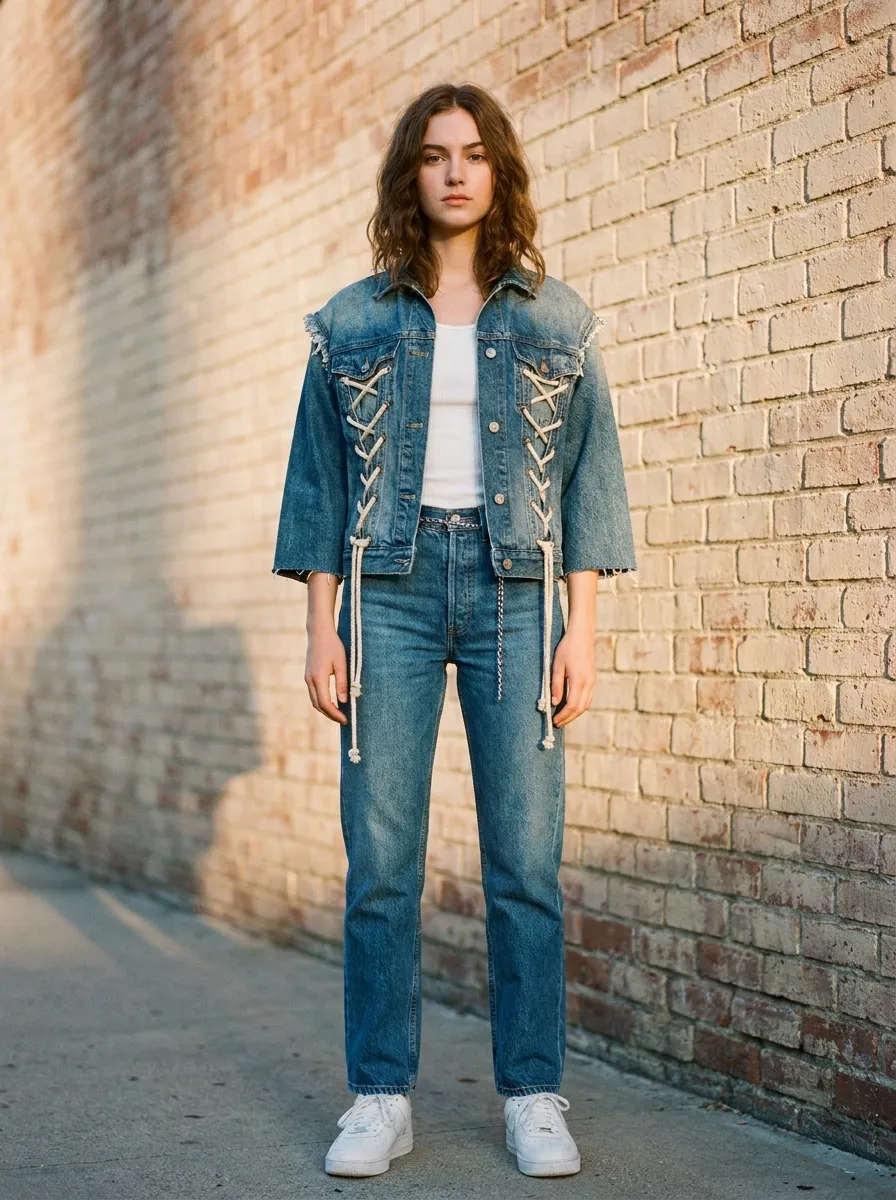
A denim trucker jacket gets a corset inspired update with laced panels replacing the original side seams. Cream cord threads through metal grommets running down both sides, cinching the jacket at the waist for a fitted shape. Paired with matching jeans and white sneakers, the outfit stays denim on denim while the laced detail adds interest. Cropped or slightly oversized trucker jackets from the thrift rack both works, depending on the desired fit. Cut a straight vertical opening along each side seam, then finish the raw edges with a zigzag stitch or bias tape. Space grommets evenly along both sides of each opening and lace with sturdy cord or ribbon. Tighten the laces for a fitted waist or leave them loose for a relaxed drape.
Flannel Wrap Skirt
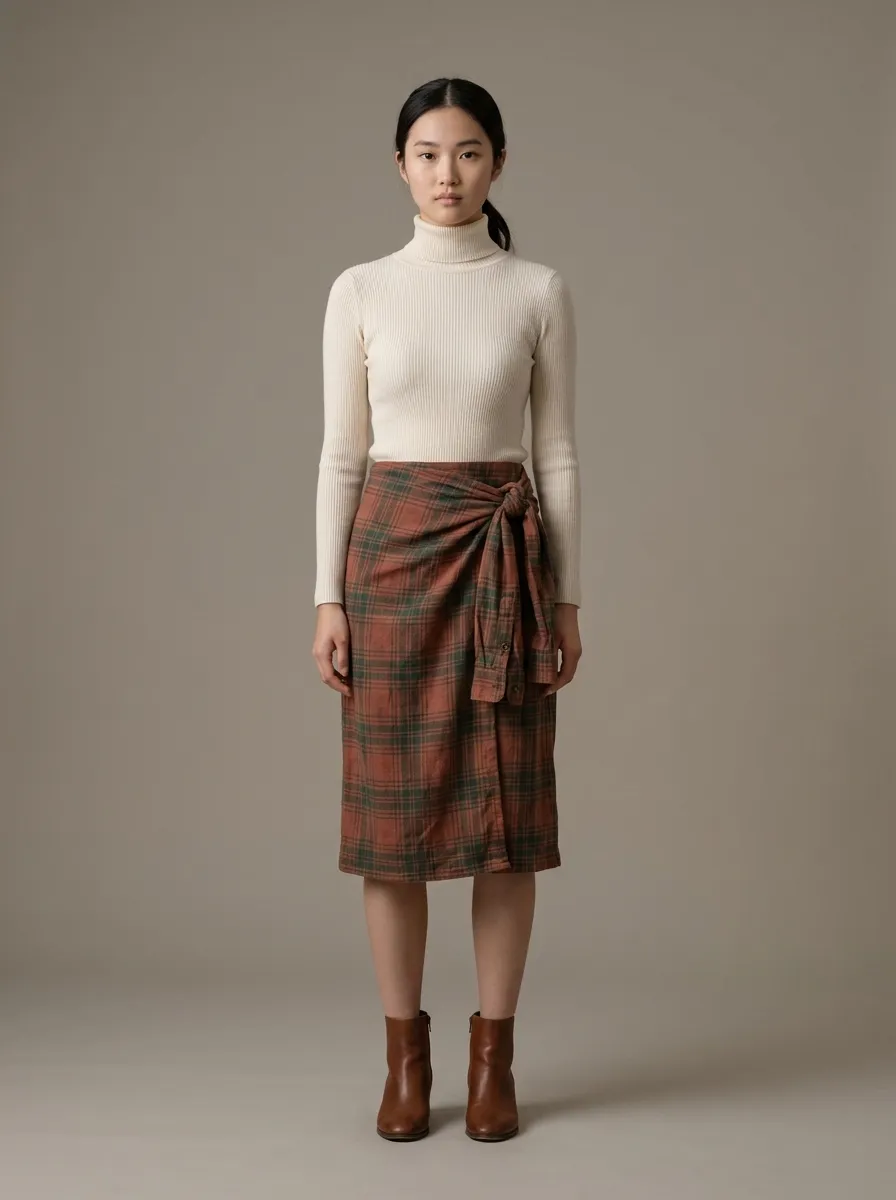
An old flannel shirt unbuttons and refolds into a wrap skirt with the sleeves doing double duty as ties. Plaid in rust and green wraps around the hips, knotted at the front where the sleeve fabric becomes a sash. A cream turtleneck and brown boots keep the rest of the outfit simple, letting the plaid pattern stand out. Any oversized flannel with a full button front works for this flip, and larger sizes give more fabric to wrap around the waist. Button the shirt fully, then put it on backward so the opening sits at the front of the body. Tie the sleeves around the waist to secure the wrap, adjusting fullness by pulling the shirt higher or lower on the hips. No cutting or sewing is required, making this the easiest flip on the list.
Thrift Flip Questions People Actually Ask
What clothes are best for thrift flipping?
Oversized button up shirts, denim jackets, bulky sweaters, and old band tees work best. Structured pieces like blazers hold shape well for corset style flips. Avoid delicate knits or anything with major stains near seams, since those areas often get cut and reused.
How much does a thrift flip cost compared to buying new?
Most flips cost under 15 dollars total, including the thrifted item and basic supplies like grommets or cord. A denim jacket alone often runs 5 to 8 dollars second-hand. Retail versions of similar distressed or laced pieces frequently sell for 80 dollars or more.
Do you need a sewing machine to thrift flip clothes?
Some flips need one, but plenty do not. Wrap skirts, laced vests, and tied dresses rely on cutting, knotting, or grommet work instead of stitching. A basic machine helps with hemming and boning channels, but a needle and thread cover most simple projects.
What tools do I need to start thrift flipping clothes?
A grommet kit, sharp fabric scissors, and a seam ripper cover most projects in this list. Add a hole punch for leather pieces and a basic sewing kit for hems. None of these tools cost much, and most last through dozens of future flips.
Can thrift flip outfits work for both winter and summer?
Yes, the fabric determines the season more than the technique. Flannel wraps and cable knit sweaters suit colder months, while silk scarf tops and denim halters fit warmer weather. Swap heavier base garments for lighter ones and the same cutting methods still apply.
How do you wash and care for a thrift flipped garment?
Turn laced or grommet pieces inside out before washing to protect the hardware. Hand wash silk or delicate lace items in cold water. Cotton and denim flips tolerate a regular machine cycle on cold, but air drying keeps raw or frayed edges looking intentional longer.
Your Closet Has More Potential Than You Think
Every thrift flip on this list starts with something ordinary. What makes each piece work comes down to how you cut, lace, or wrap it into shape. Your style shows up in those choices, not in what a tag says or what a store charges. A denim jacket or an old sweater can become anything once you decide what story you want it to tell.
Send this guide to a friend who has a closet full of forgotten pieces. Save it too. Next time you spot a promising find at the thrift store, you will already know exactly where to start.