12 Aesthetic Ways to Repurpose Old Jeans No Sewing Required
How to use this guide
Choose ideas based on the materials, time, skill level, and finish you can realistically manage. For any dye, bleach, paint, or alteration project, test on a spare piece first and follow the product safety instructions.
Staring at a stack of worn denim that no longer fits or has developed a stubborn tear can feel frustrating when you want to minimize waste. Instead of discarding these heavy fabrics, you can breathe new life into them using simple tools like adhesive strips or fabric glue. This guide provides 12 aesthetic ways to repurpose old jeans no sewing required, helping you turn forgotten garments into fresh accessories and home staples. If a jacket is sitting in the same pile as the jeans, a denim jacket worth the same treatment uses identical no-sew hardware tricks.
Each project below focuses on utility and styling appeal, ensuring your upcycled items look intentional rather than salvaged. You will find instructions that prioritize clean lines and durability without needing a needle or thread. Whether you want to update your workspace or create a unique gift, these methods offer a practical path to sustainable style that respects your time and current skill level.
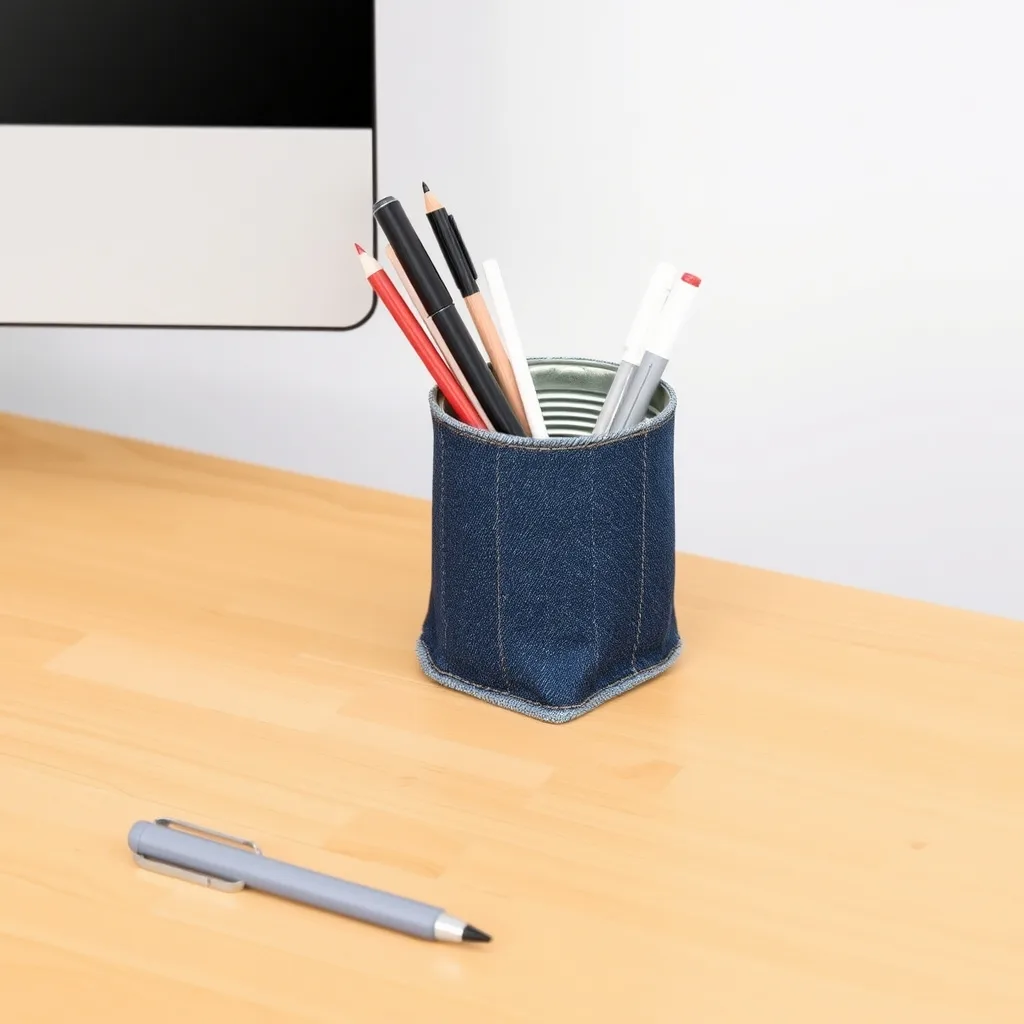
Structured Denim Desk Organizer
A sturdy denim organizer keeps your pens and stationary items contained while adding a rustic texture to your desk. Cut the lower leg of a straight fit jean to your desired height, ensuring the bottom edge remains intact. Use fabric glue to attach the denim piece around a recycled tin can or a square cardboard box. This project works best with thicker denim that maintains its shape. A limitation to consider is that the fabric might fray slightly over time if the edges are not sealed with a clear adhesive. Keep this on a flat surface to avoid tipping. It pairs well with minimalist wood or white office supplies to highlight the indigo color.
Woven Denim Wall Hanging
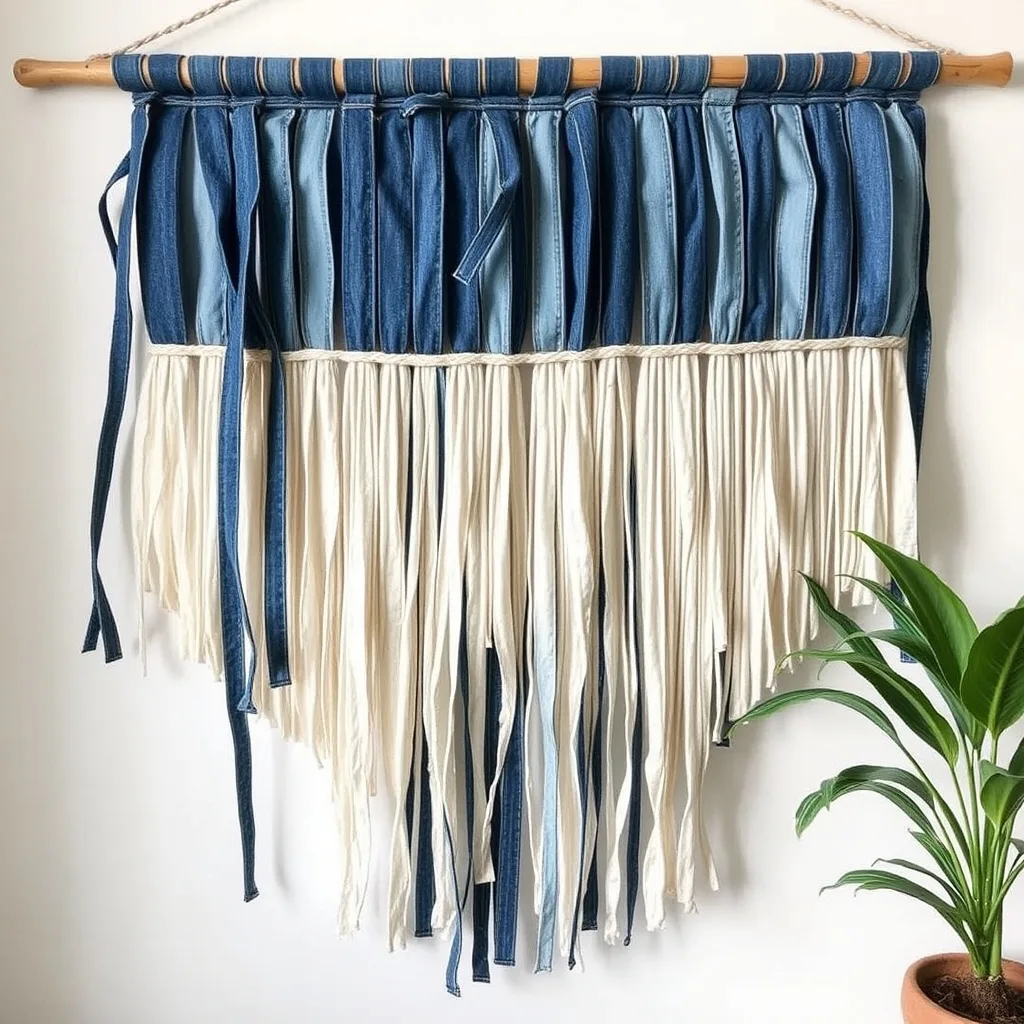
Create a textured wall piece by weaving strips of denim through a wooden dowel. Cut your fabric into long, uniform strips and tie them securely to the dowel using a lark head knot. You can alternate between light wash and dark wash denim to create a gradient effect that mimics natural shadows. This piece adds styling depth to a bedroom or living area. A comfort note is that the weight of the denim can pull on the dowel, so ensure you use a sturdy branch or a thick wooden rod. This project is budget friendly and requires only your leftover fabric and a piece of twine for hanging.
Denim Pocket Wall Planner
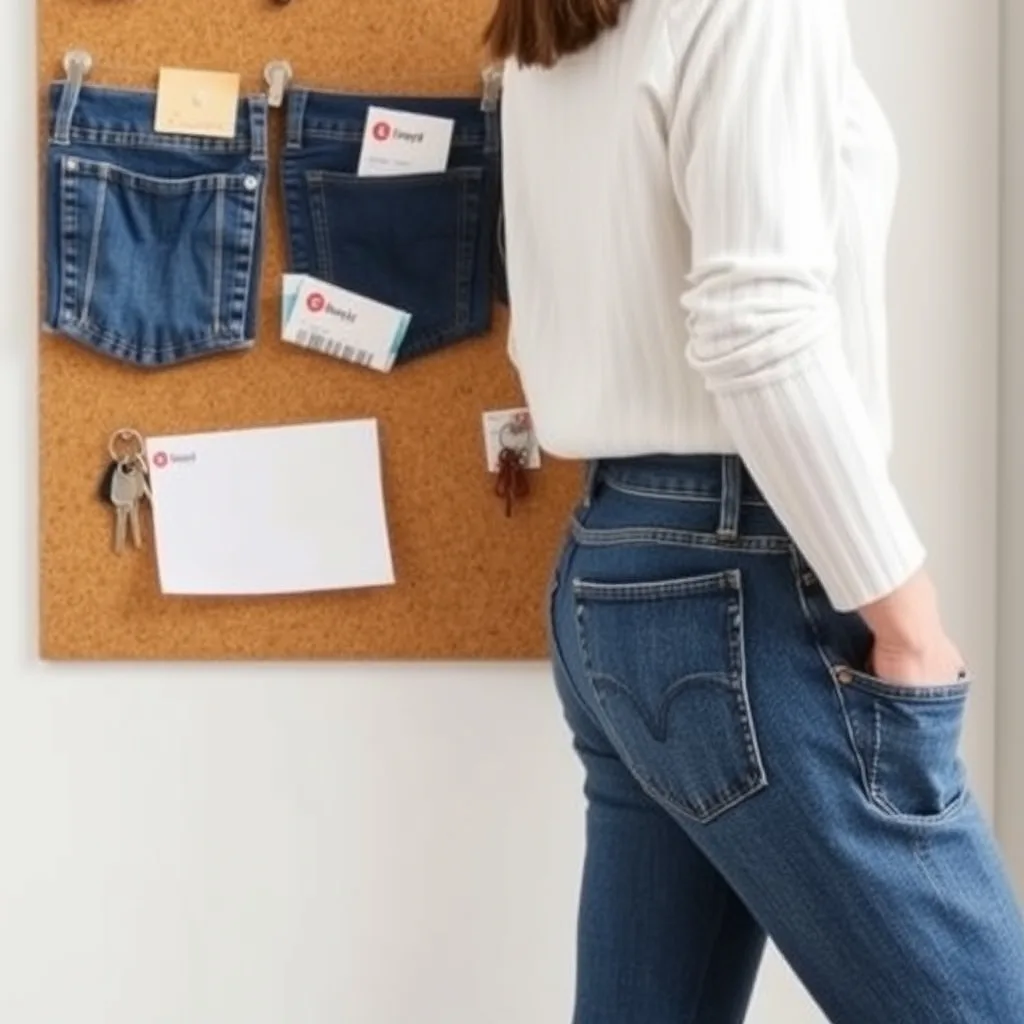
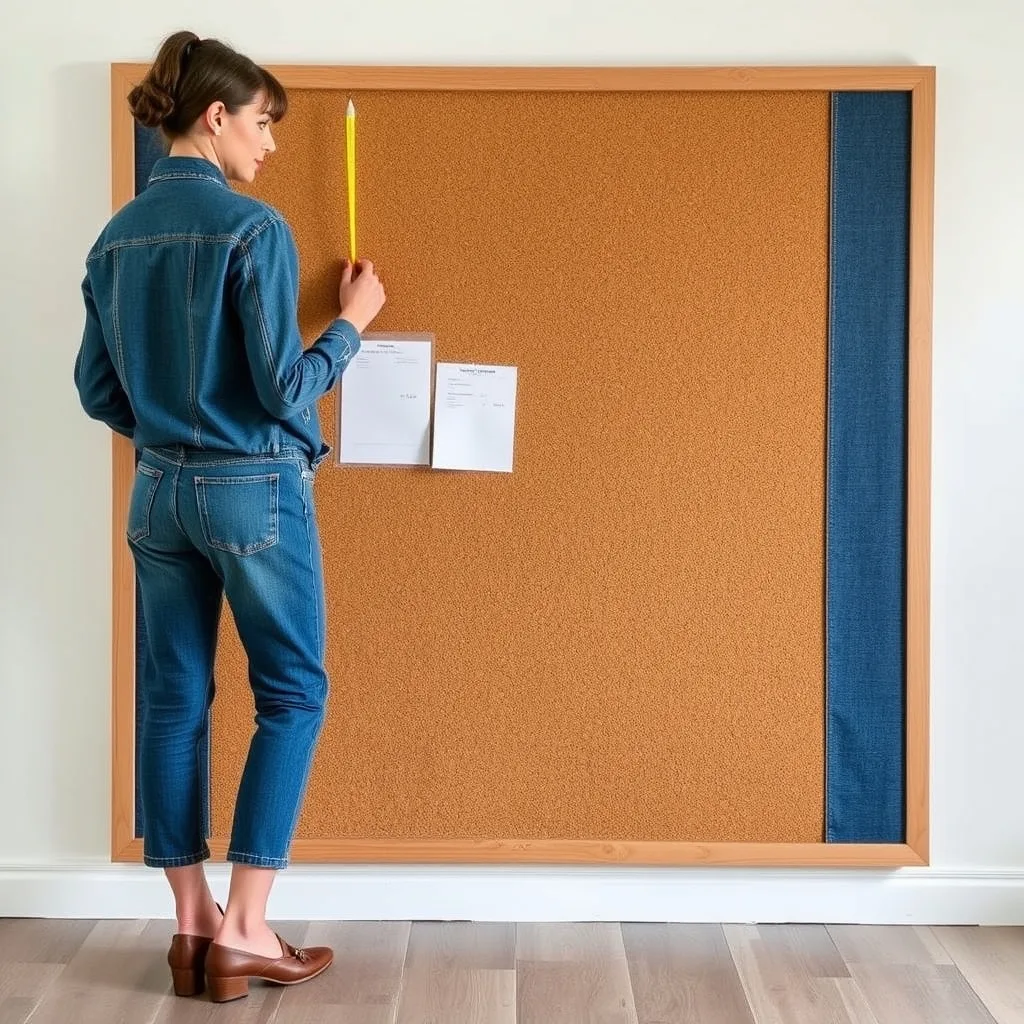
Repurpose the back pockets of your old jeans into a functional wall planner for your keys, mail, or small trinkets. Carefully cut the pockets away from the jeans, keeping a small border of fabric around the edges for stability. Use heavy duty adhesive strips to mount these pockets onto a cork board or a painted wooden board. This system is excellent for entryways where you need a quick place to drop your items. One decision point is the placement of the pockets; staggering them at different heights creates a more dynamic look. Ensure the adhesive is strong enough to hold the weight of your keys.
Braided Denim Coasters
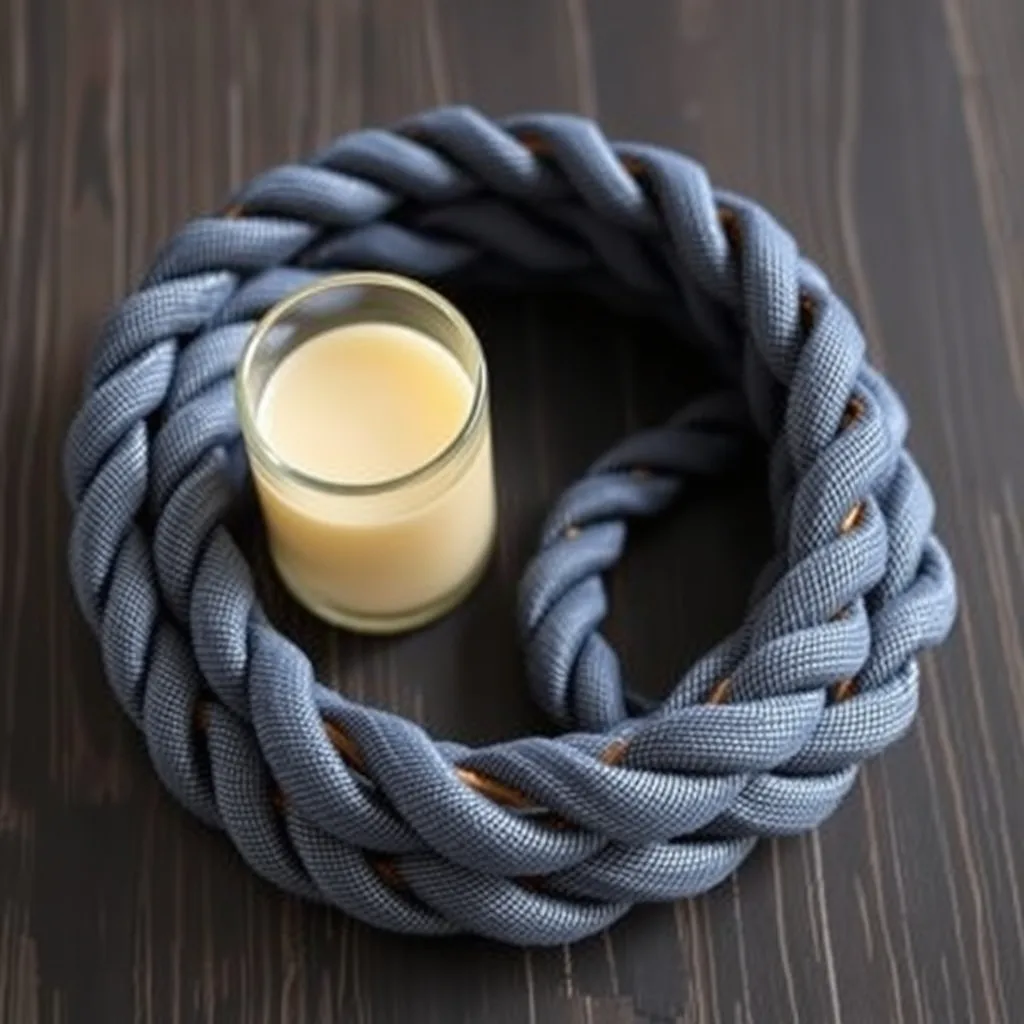
Protect your furniture with durable coasters made from braided denim strips. Cut your jeans into thin, long ribbons and braid three strands together to form a long rope. Coil this braid into a flat circle, using fabric glue at each turn to hold the shape firmly. These coasters are highly absorbent and offer a rugged, casual aesthetic that fits well in a den or sunroom. A care point is to avoid using them with extremely hot liquids, as the glue might soften. They are best suited for cold drinks or room temperature mugs. The thickness of the denim provides excellent heat protection for most surfaces.
Denim Wrapped Picture Frames
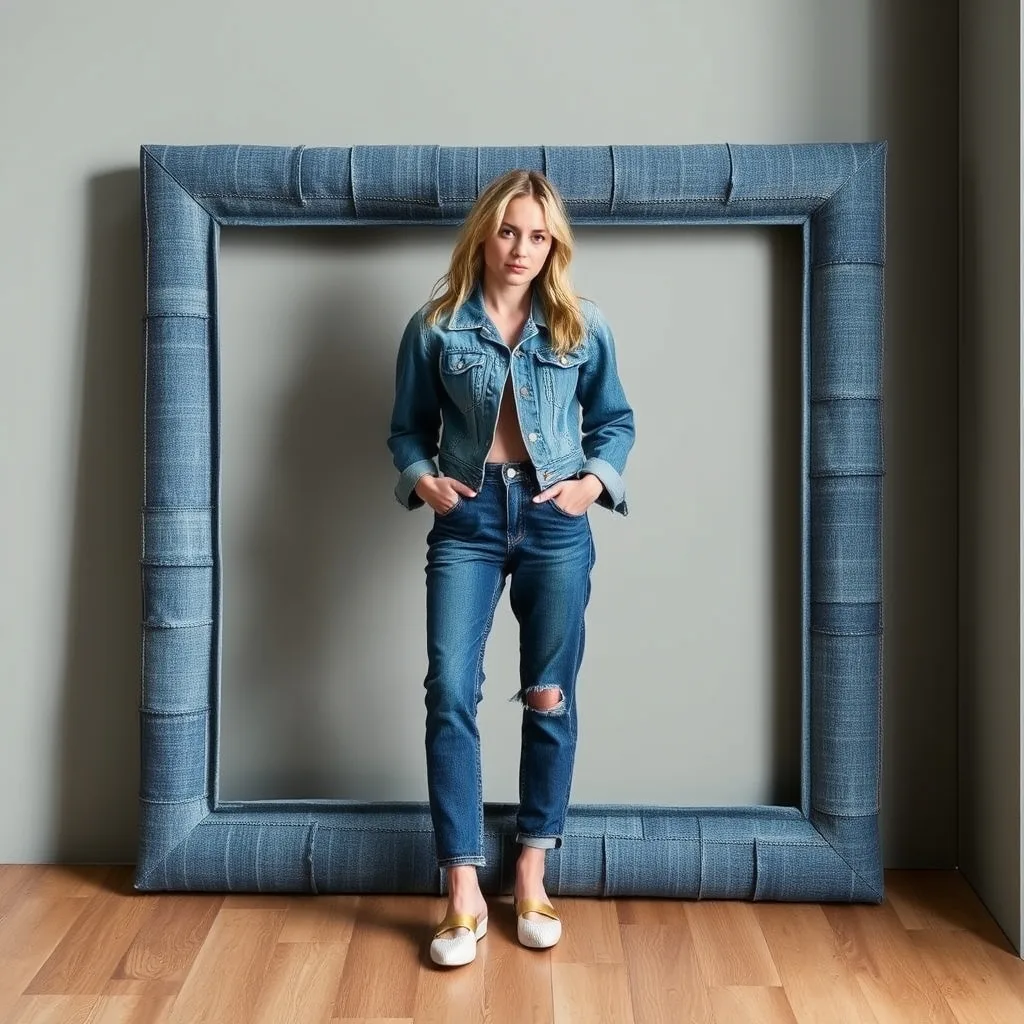
Give a standard frame a new look by wrapping it in strips of denim. Use a light wash fabric for a beachy feel or dark raw denim for a moody, sophisticated vibe. Apply a thin layer of adhesive to the frame and press the fabric strips down, folding them neatly over the corners for a clean finish. This is a great way to tie a room together by using denim that matches your upholstery or curtains. A limitation is that you must be careful with the corners to avoid bulky fabric overlaps. Use a flat tool to smooth the denim down for a seamless appearance.
Denim Fabric Plant Wrap
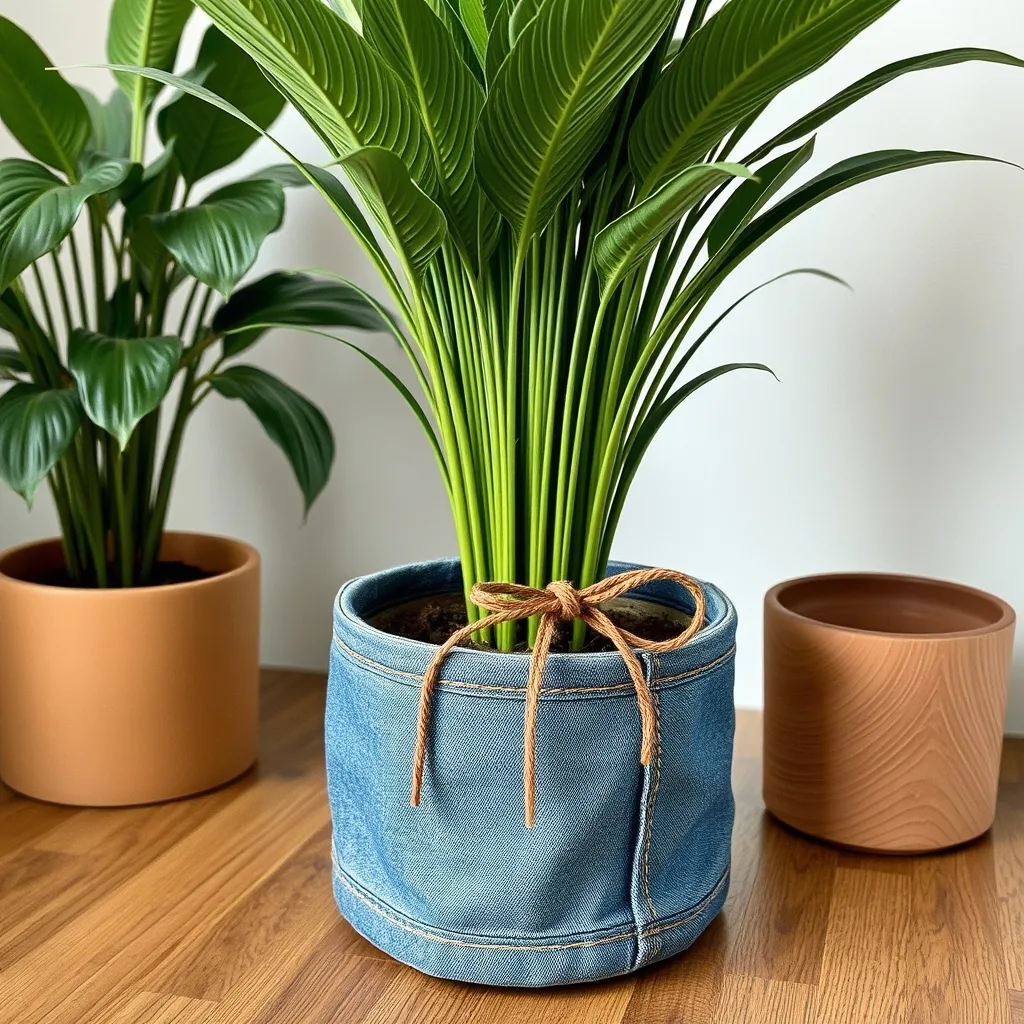
Instead of using plastic pots, wrap your indoor plants in denim for a modern, earthy look. Simply cut a large rectangle from the leg of your jeans and wrap it around the existing pot. Secure the fabric with a leather cord or a simple knot to keep it in place. This method allows you to change the aesthetic of your plant collection whenever you want. A practical limitation is water drainage; ensure you remove the fabric wrap when watering to prevent the denim from staying damp and developing an odor. This project works best with sturdy, upright plants like snake plants or small palms.
Denim Pocket Laptop Sleeve
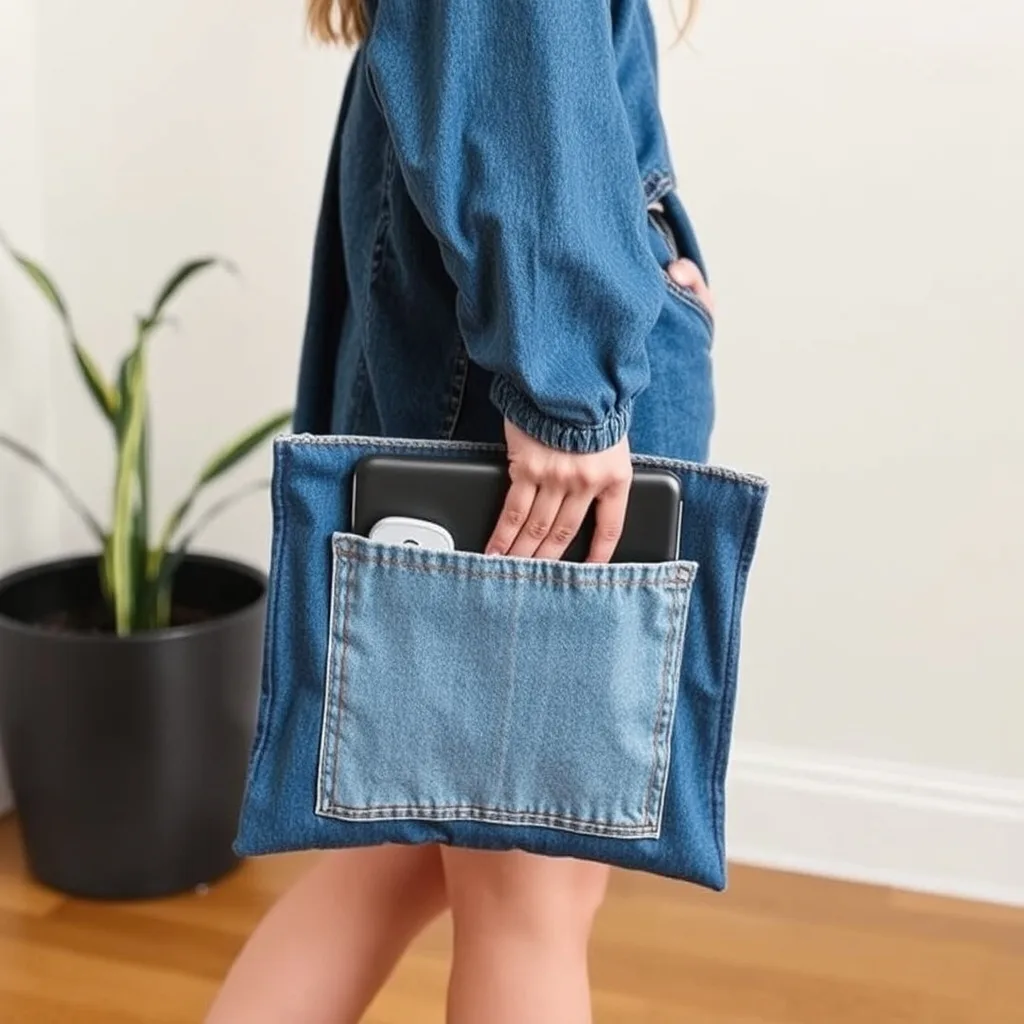
Construct a protective sleeve for your laptop using the flat panels of your old jeans. Measure your device and cut two large squares of denim, leaving enough room for a fold over flap. Use fabric glue to seal the three sides, creating a pocket. For an added touch, glue a denim back pocket onto the front of the sleeve to hold your charger or a mouse. This is a great way to keep your tech safe while adding a custom, handmade element to your gear. A comfort note is to ensure the glue is fully cured before inserting your laptop to avoid any sticky residue.
Denim Wrapped Storage Baskets
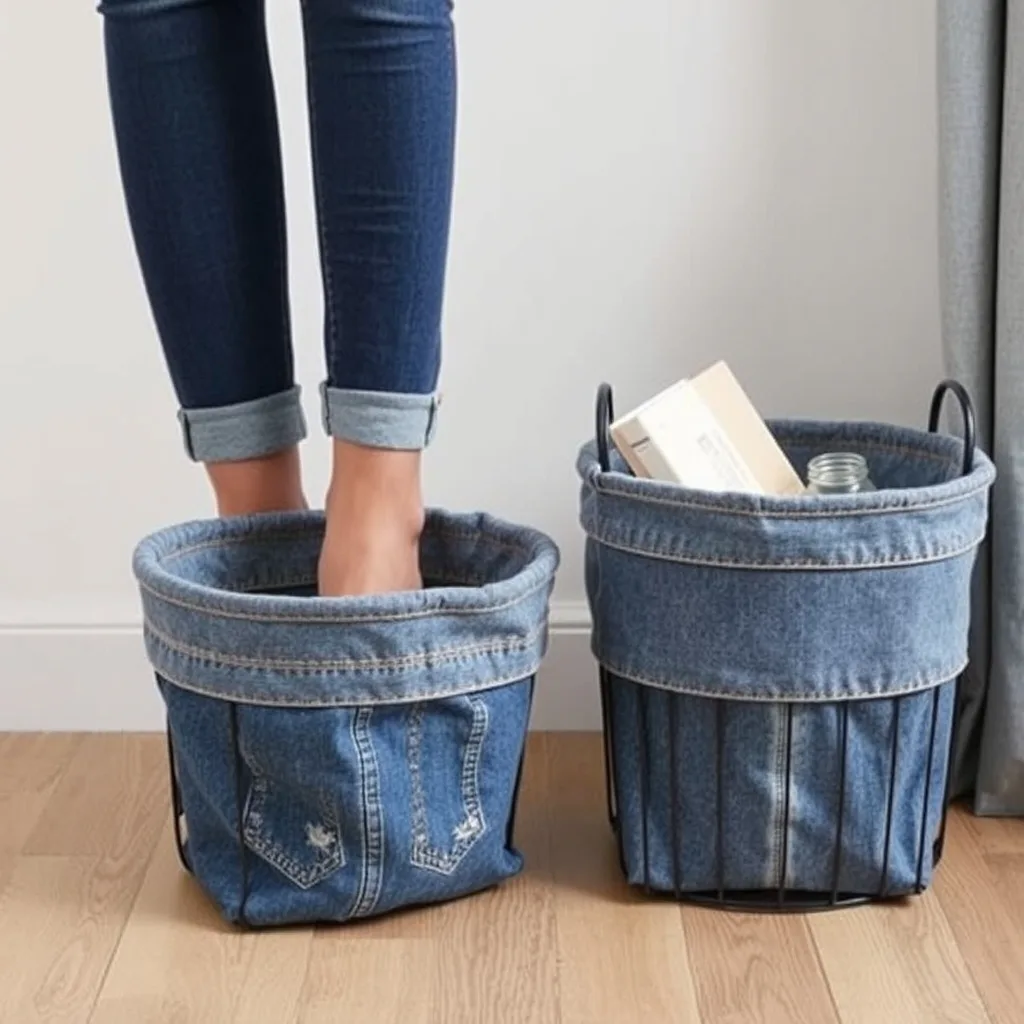
Transform plain plastic or wire baskets into stylish storage containers by lining them with denim. Cut the fabric to fit the interior or exterior of the basket and use strong adhesive to secure it. This hides clutter and adds a layer of warmth to your storage solutions. It is an excellent way to organize scarves, books, or toys in a living room. A budget tip is to use old jeans that have holes, as you can cut around the damaged areas to get clean, usable fabric pieces. The resulting look is cohesive and blends well with most interior design styles.
Denim Fabric Napkin Rings
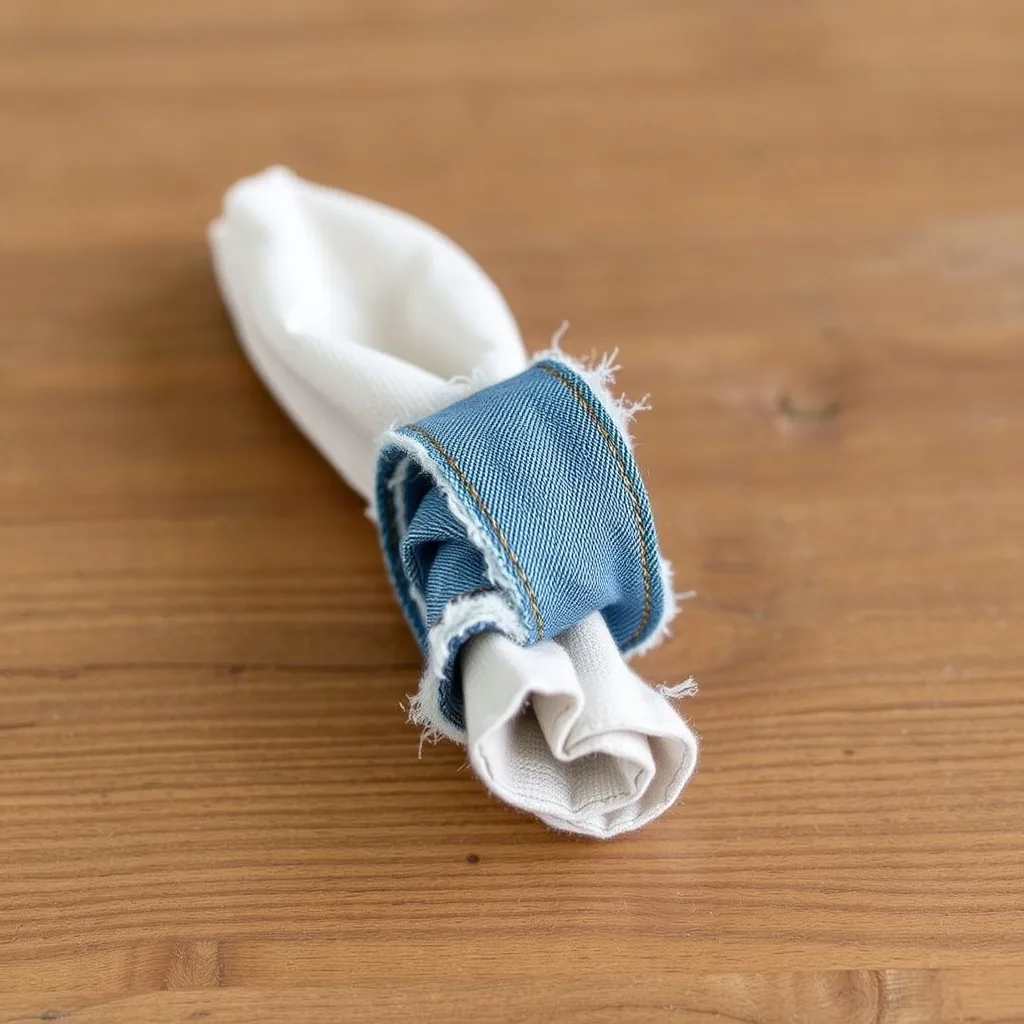
Add a rustic touch to your dining table with napkin rings made from strips of denim. Cut short, thick strips of fabric and roll them into rings, securing the ends with a dab of fabric glue. You can leave the edges frayed for a relaxed, farmhouse look or fold them inward for a cleaner appearance. These work well for casual dinners or outdoor gatherings. A care point is to keep them away from food spills, as denim is porous and can stain. They are best for a dry, decorative table setting. Pair them with linen napkins in neutral tones to let the denim color stand out.
Denim Ribbon Gift Wrap
refine your gift giving by using strips of denim as sustainable ribbon. Cut long, thin ribbons from the legs of your jeans and tie them around wrapped boxes. This adds a unique, tactile element to your gifts that shows thoughtfulness. It is a great alternative to paper bows that often end up in the trash. One limitation is that denim ribbons do not curl like traditional ribbon, so focus on simple, elegant knots or bows. This works especially well for gifts wrapped in brown kraft paper, creating a nice color balance between the natural paper and the deep blue fabric.

Denim Covered Bulletin Board
Create a custom bulletin board by covering a piece of cork or foam board with denim fabric. Stretch the fabric tightly over the board and secure it at the back using heavy duty tape or adhesive. This gives you a large, functional surface for pinning notes, examples, or inspiration. It is a great addition to a craft room or a home office. A decision point is whether to include pockets; you can glue a few back pockets onto the board to hold markers or pins. This keeps your most used tools within reach while maintaining a neat, organized appearance.
Denim Drawer Dividers
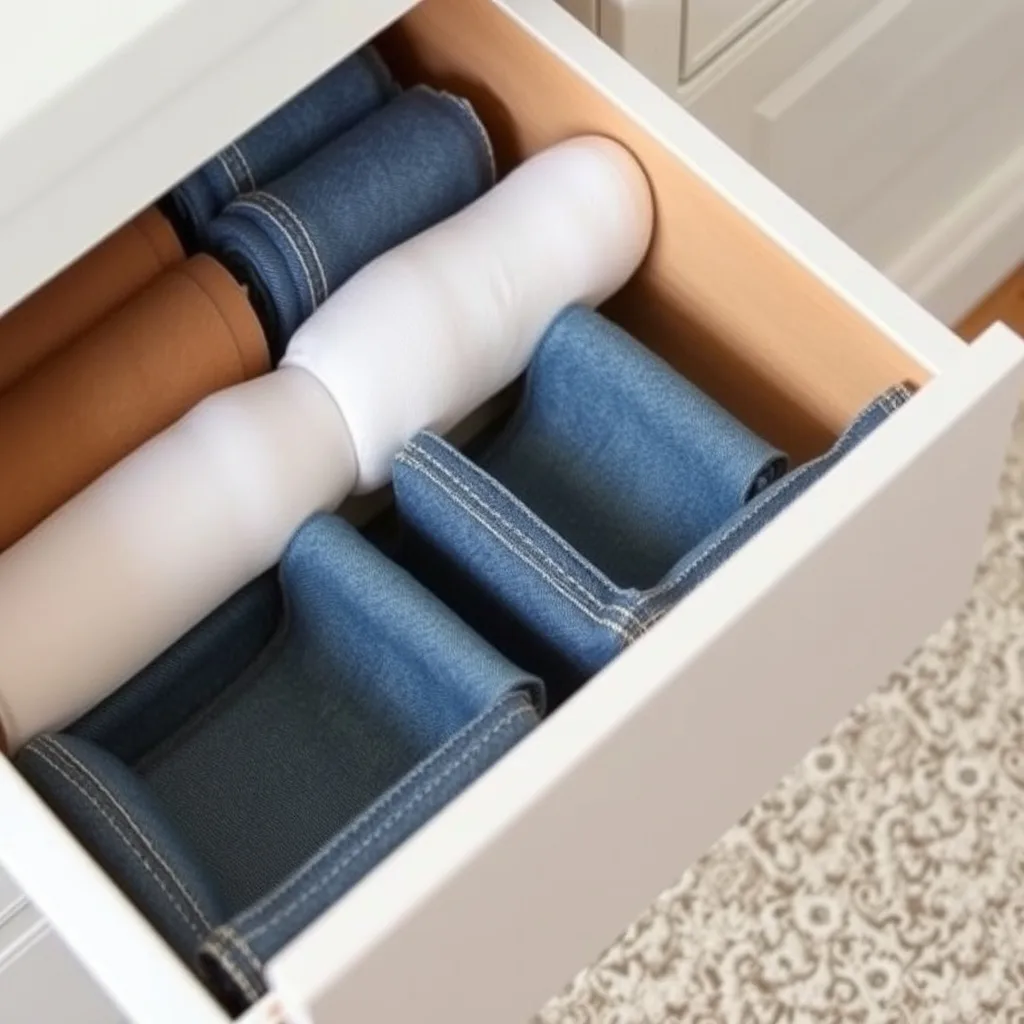
Keep your drawers organized by using denim covered cardboard as dividers. Cut cardboard to the height and length of your drawer, then wrap each piece in denim fabric using adhesive. These dividers are sturdy enough to keep socks, underwear, or accessories separated. The denim adds a nice texture to the interior of your dresser. A practical limitation is the thickness of the fabric; make sure your dividers are thin enough to fit comfortably in the drawer. This is a very effective way to make use of smaller denim scraps that might otherwise be discarded during other projects.
Common Questions About Denim Repurposing
How do I ensure the denim edges do not fray after cutting?
To prevent fraying without sewing, apply a thin line of clear fabric glue or a fray check liquid along the cut edges. For a more rugged look, you can leave the edges raw, but periodically trim any long, loose threads with sharp scissors to maintain a clean appearance over time.
What is the best adhesive for these no sew denim projects?
For most denim projects, a high quality fabric glue or heavy duty double sided adhesive tape works best. Ensure the surfaces are clean and dry before applying. If you are attaching denim to wood or metal, a permanent craft adhesive will provide the most durable and long lasting results.
Can I wash items made from repurposed denim without sewing?
Most no sew projects are not intended for frequent washing. If you must clean them, spot treat the fabric with a damp cloth and mild soap. Avoid soaking the items, as water can weaken the adhesive bonds and cause the fabric to peel away from the base material or frame.
How do I choose which jeans are suitable for these projects?
Select jeans based on the weight and color you need. Heavier denim is suitable for structural items like baskets or organizers, while lighter weight or stretch denim works better for wrapping frames or smaller decor. Always inspect the fabric for holes or heavy wear that might affect the final look.
Are these denim projects suitable for a beginner crafter?
These projects are designed for anyone, regardless of experience level. No sewing skills are required, and the steps focus on simple cutting and gluing techniques. Start with a small, manageable project like the coasters or napkin rings to build your confidence before moving on to larger, more complex items.
Your Sustainable Style Journey
Repurposing old jeans is more than just a way to clear space; it is a creative exercise in seeing potential in everyday items. By choosing these no sew projects, you have embraced a sustainable approach that honors the durability of denim while adding a personal touch to your home and lifestyle. Your choices today contribute to a more mindful way of consuming fashion.
Take a moment to look at your stack of denim and pick just one idea to start. Whether you begin with a simple coaster or a desk organizer, you will find satisfaction in the process of making. Save this article to your digital inspiration board so you have these steps ready for your next quiet afternoon of crafting.