How to Make an Upcycled Denim Jacket Look Insanely Expensive
How to use this guide
Choose ideas based on the materials, time, skill level, and finish you can realistically manage. For any dye, bleach, paint, or alteration project, test on a spare piece first and follow the product safety instructions.
What separates a thrifted denim jacket from one that looks designer made? It is rarely the denim itself. More often it comes down to three small decisions: hardware that matches, textures that contrast, and a fit that looks deliberate. The thirteen projects in this guide each fix one of those three things, and the cost and difficulty table below shows which project fits your weekend and your budget. The same hardware and texture logic works below the waist too, so see repurposing old jeans without sewing for the denim you are not wearing as a jacket.
Each project below focuses on material choices, silhouette adjustments, and hardware swaps, with notes on longevity and care so the finished jacket holds up as a daily layer rather than a one-off experiment.
Cost and difficulty at a glance
| Project | Cost | Difficulty |
|---|---|---|
| Brass hardware swap | Under $15 | Easy |
| Contrast stitching | Under $10 | Easy |
| Raw edge hem extension | Under $10 | Easy |
| Cropped boxy cut | Free | Easy |
| Suede elbow patches | $10 to $20 | Medium |
| Pearl accents | $15 to $25 | Medium |
| Leather panel integration | $25 to $40 | Hard |
| Vintage silk lining | $15 to $30 | Hard |
| Shearling collar | $20 to $35 | Medium |
| Weighted zipper upgrade | $15 to $25 | Hard |
Levi's denim care guide explains why cold water keeps indigo and hardware looking new. Every project below prioritizes longevity and styling interest while addressing common construction limitations or care requirements. Whether you prefer subtle structural changes or bold embellishments, these projects let you build a unique garment that anchors a daily wardrobe, with a polished finish that needs no expensive equipment.
Leather Panels for Instant Contrast
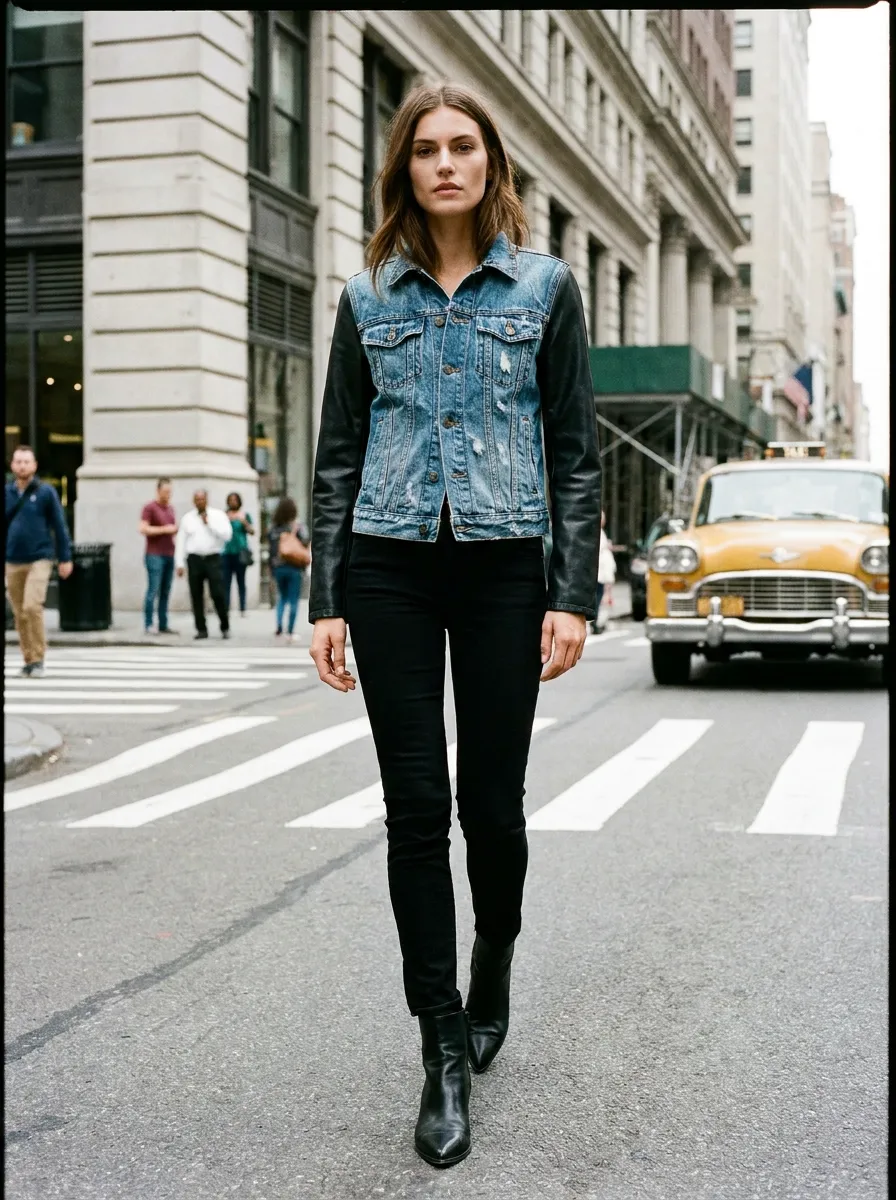
Replacing the standard denim back panel or sleeves with high quality faux leather creates an immediate styling contrast that feels intentional and high end. A matte finish is the safer choice, since it reads supple rather than plastic. You will need a heavy duty needle designed for leather to avoid skipped stitches.
Wear it with: slim fit jeans and pointed boots for a clean city look.
Care tip: once leather is added, the jacket cannot go through a machine wash. Plan for spot cleaning only, so the material does not crack over time.
A Hidden Silk Lining
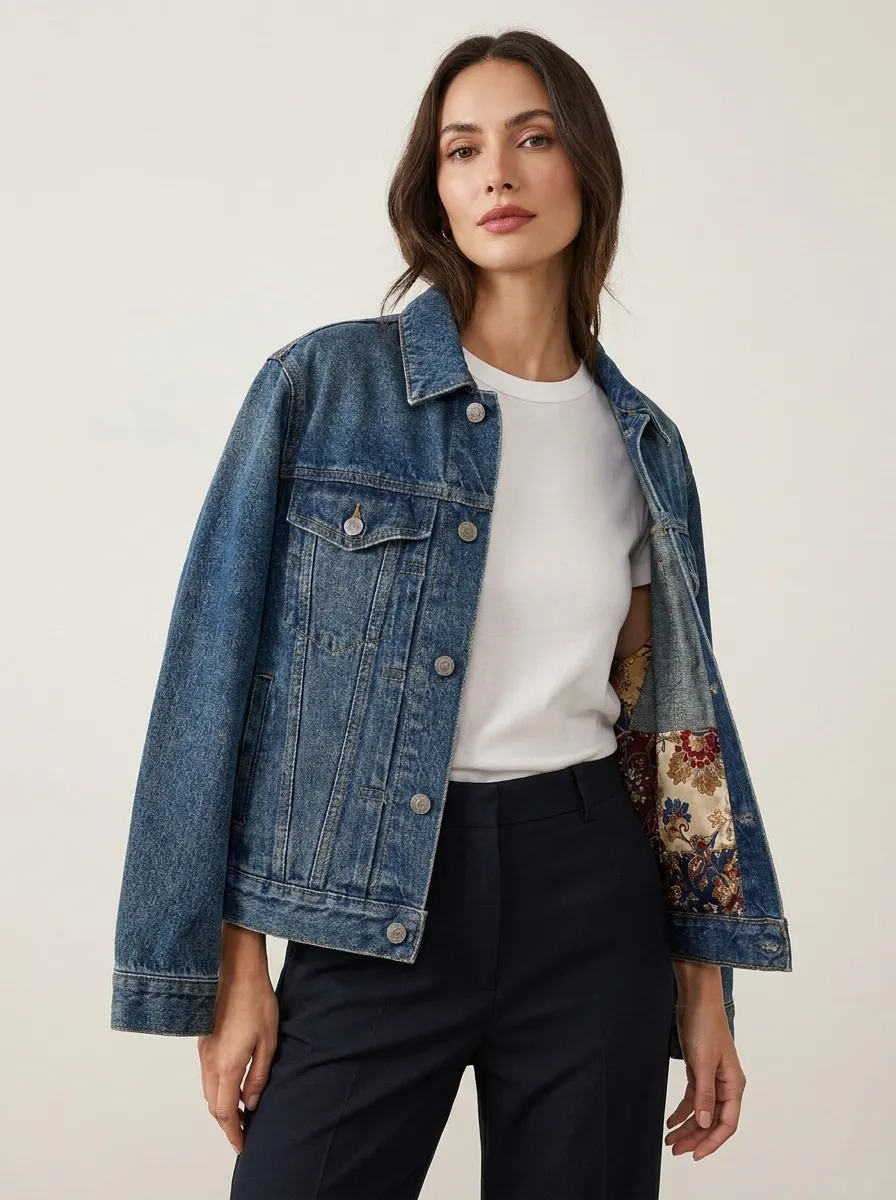
A hidden layer of vintage floral or patterned silk inside the jacket adds a touch of luxury that only shows when the jacket comes off. Thrifted silk scarves are the cheapest lining source; thrift flip ideas for a grunge inspired wardrobe covers where to hunt for them. Use silk scraps sourced from thrifted scarves for a sustainable approach. The extra layer adds surprising weight and drape, so the denim hangs more like a structured blazer.
Wear it with: a simple white tee and trousers, so the unexpected interior detail gets its moment.
Fit note: this one needs basic sewing skills, since the lining has to sit flat against the seams to look right.
The Antique Brass Hardware Swap
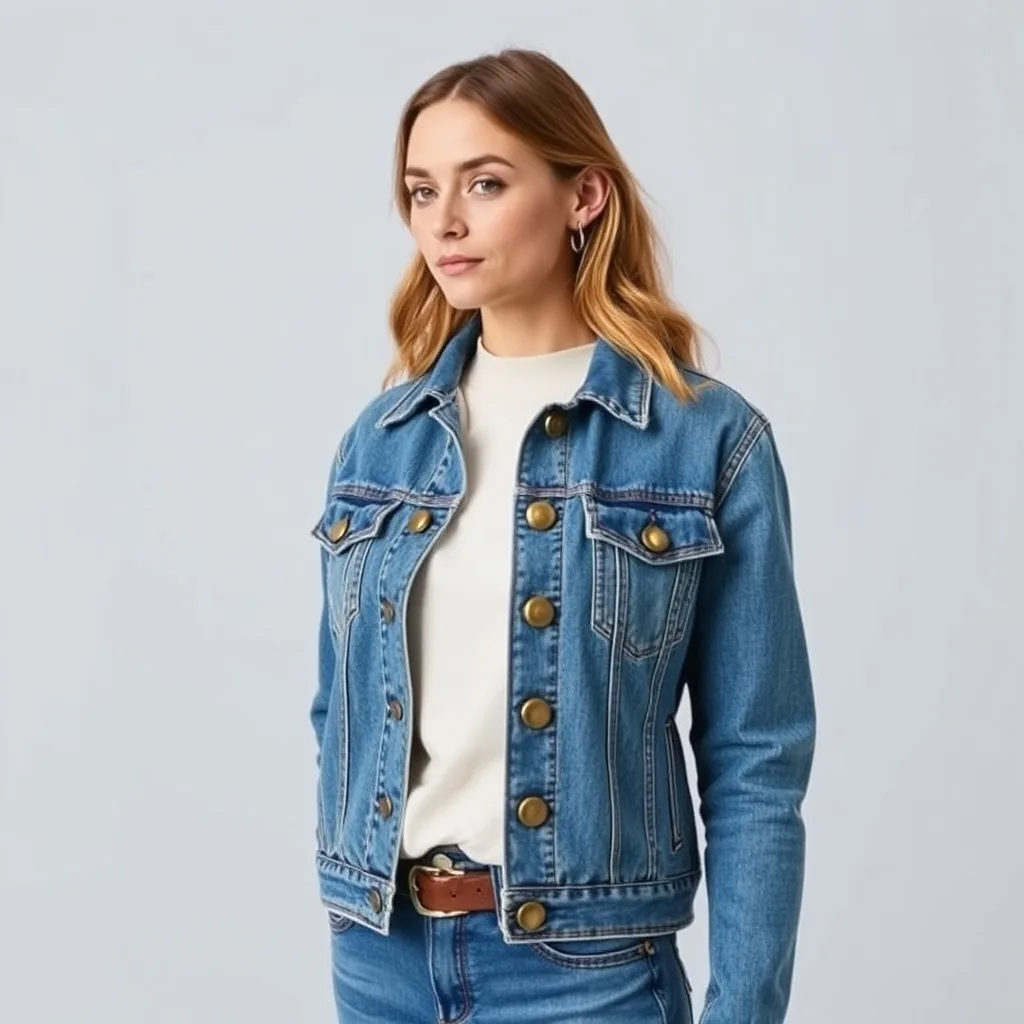
Standard silver buttons often look cheap or mass produced. Replacing every button and rivet with antique brass hardware immediately grounds the denim in a more expensive, heritage aesthetic. You can find these kits at most craft stores, but you need a specialized setter tool to keep them secure. This change works best on medium wash denim, where the warm tones of the metal stand out. The practical cost is time: removing the existing buttons without damaging the fabric takes patience.
Once finished, this hardware upgrade makes the whole piece read like a vintage find.
Raw Edge Hem Extension
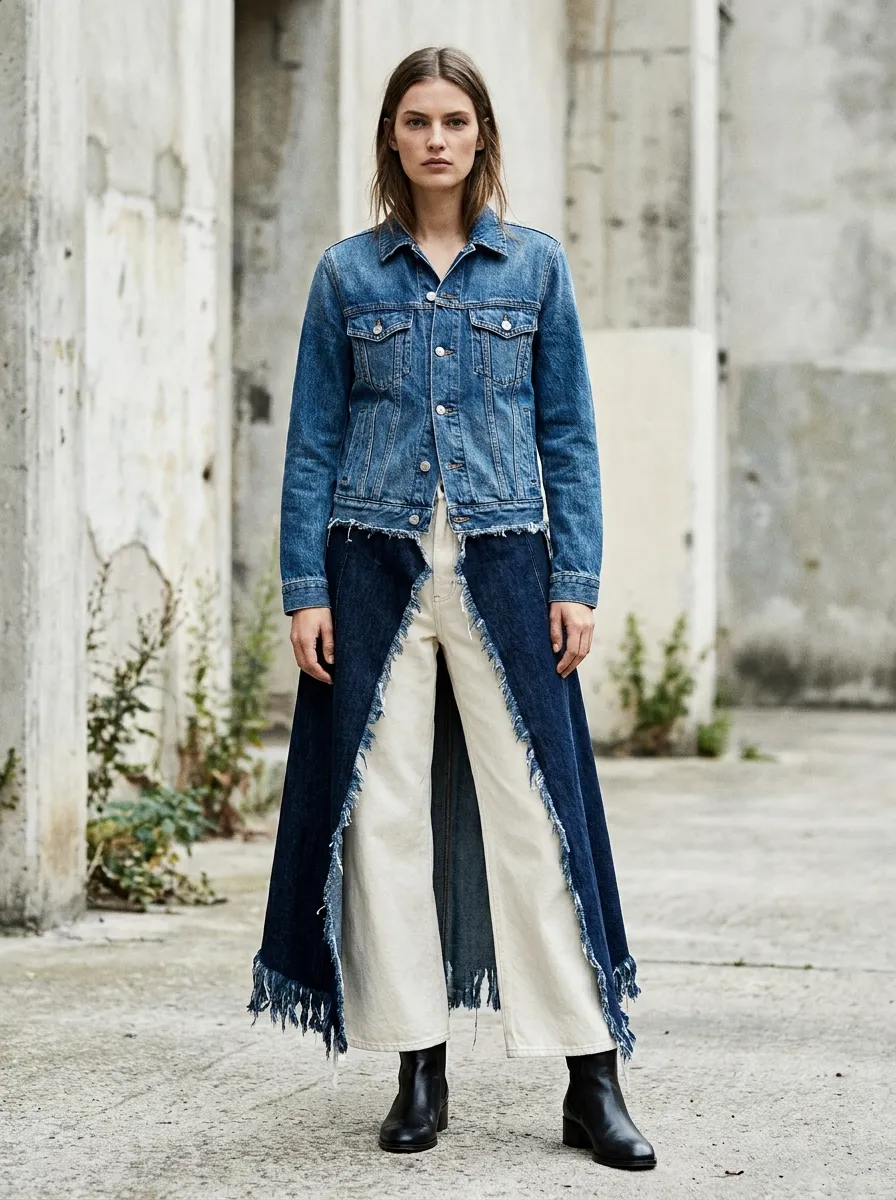
If a jacket feels too short or dated, attach a contrasting strip of denim or heavy canvas to the bottom hem. The same raw edge logic works with no machine at all; see ways to upcycle clothes without a sewing machine. Leave the edge raw and frayed for texture and a modern, deconstructed look. The extension shifts the silhouette from a boxy trucker shape to a longer, coat-like line. It pairs beautifully with wide leg trousers or midi skirts.
Care tip: trim the fraying threads now and then, so the jacket looks intentional rather than worn out. Use a matching thread color to keep the structural seam clean and professional.
Oversized Pearl Accents
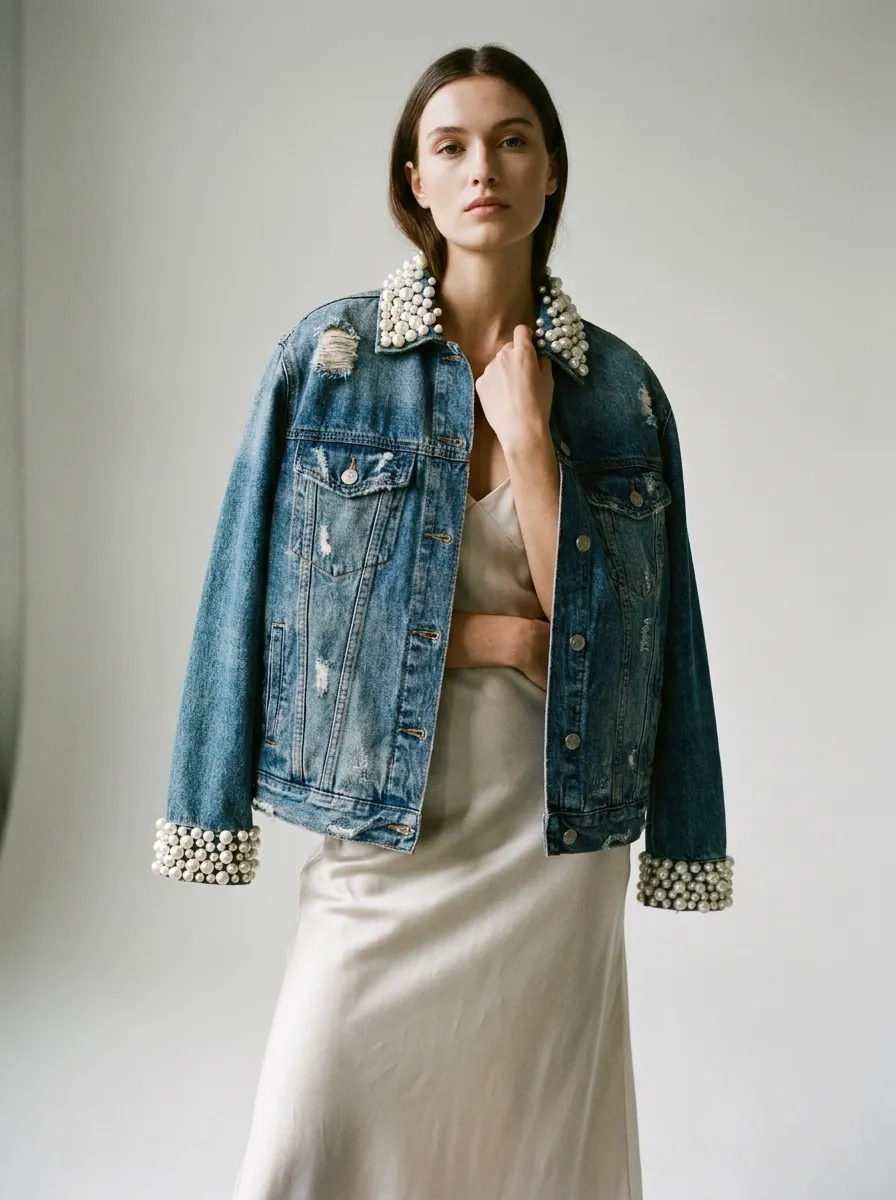
Strategic placement of oversized, heavy faux pearls along the collar or cuffs adds a soft, expensive detail to a rugged jacket. Choose pearls with a flat back for easier application, using a strong fabric glue or small hand stitches. The look balances the toughness of denim with something opulent.
Wear it with: a slip dress, which keeps the balance between rugged and refined.
Care tip: pearls can snag on other fabrics, so skip delicate knits underneath, and store the jacket carefully so the pearls are not crushed or detached in travel.
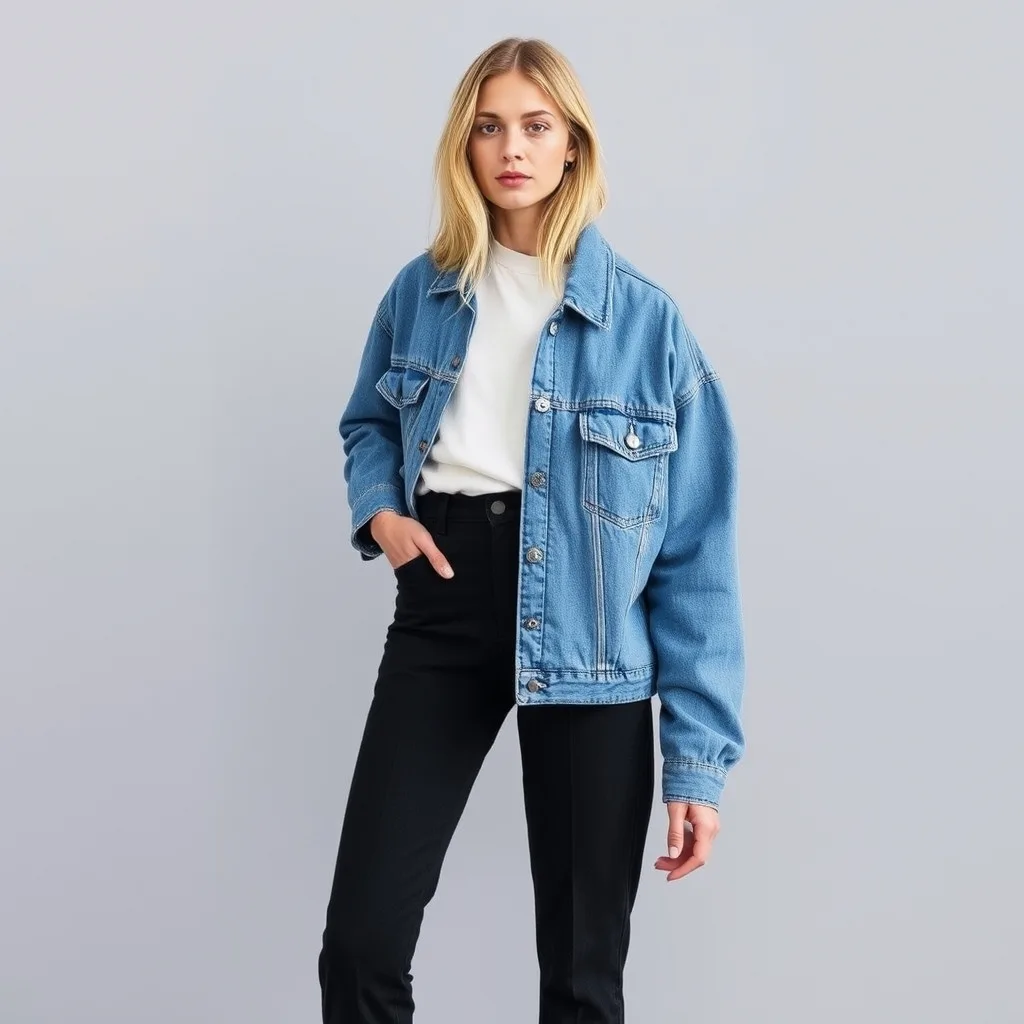
Cropped Boxy Silhouette
Transform a long, baggy jacket into a cropped, boxy piece that hits just above the waist. A cropped jacket pairs best with a crisp layer underneath; see ways to style a white button down shirt. This cut is current and works well with high waisted bottoms. Simply measure the desired length, mark it carefully, and cut with sharp fabric shears. You can sew a clean hem or leave it raw for an edgy finish.
Fit note: the main decision point is pocket placement, since cropping can cut through existing pockets. If that happens, remove the pockets entirely for a cleaner, more minimalist look that feels sophisticated and intentional.
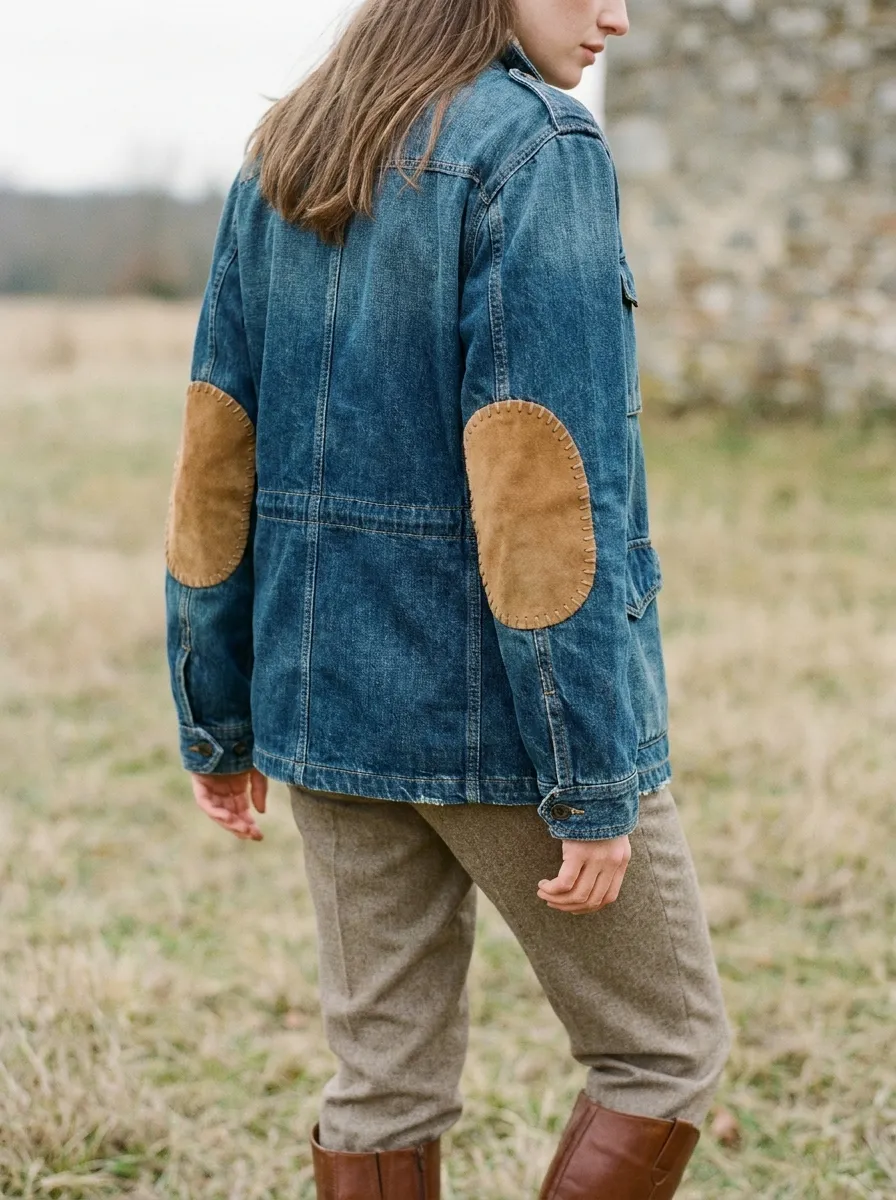
Suede Elbow Patches
Add suede elbow patches in a neutral tone like camel or chocolate brown to give a jacket a scholarly, refined feel. Suede provides a soft texture that contrasts with the stiff denim. You can sew these on by hand using a blanket stitch for a decorative touch. This project suits older jackets that show wear on the sleeves, and it adds longevity while moving the style toward a classic field jacket vibe.
Fabric note: suede needs specific care, so keep the patches dry to prevent spotting.
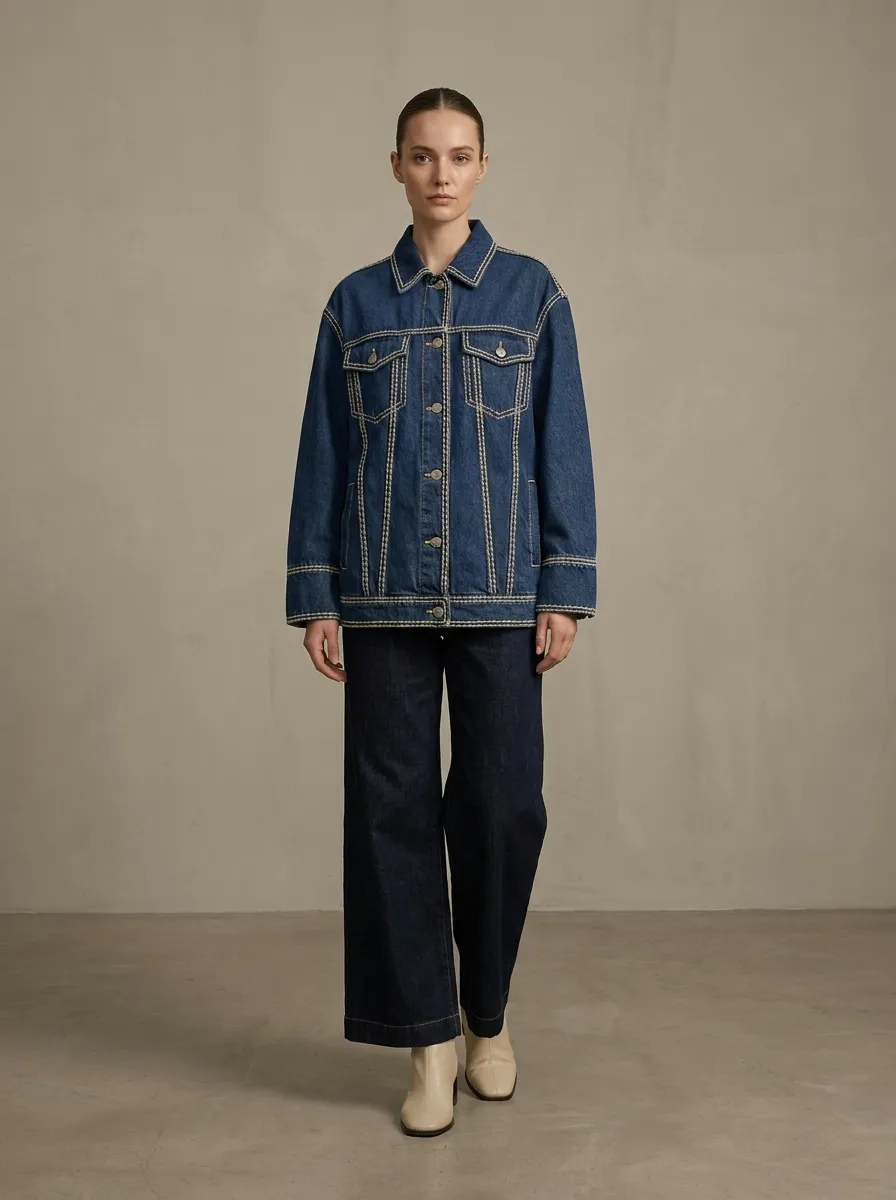
Contrast Stitching Overhaul
Using a thick, high quality embroidery thread, go over the existing seams of the jacket with a contrasting color like cream or deep gold. This mimics the construction of high end designer denim. You must be patient and maintain a consistent tension to achieve a professional result. Even if your sewing is not strong, the uniform color change makes the jacket look like a deliberate design choice. This is a low cost project that requires only thread and a steady hand.
It is a strong way to refine a basic indigo jacket into something truly special.
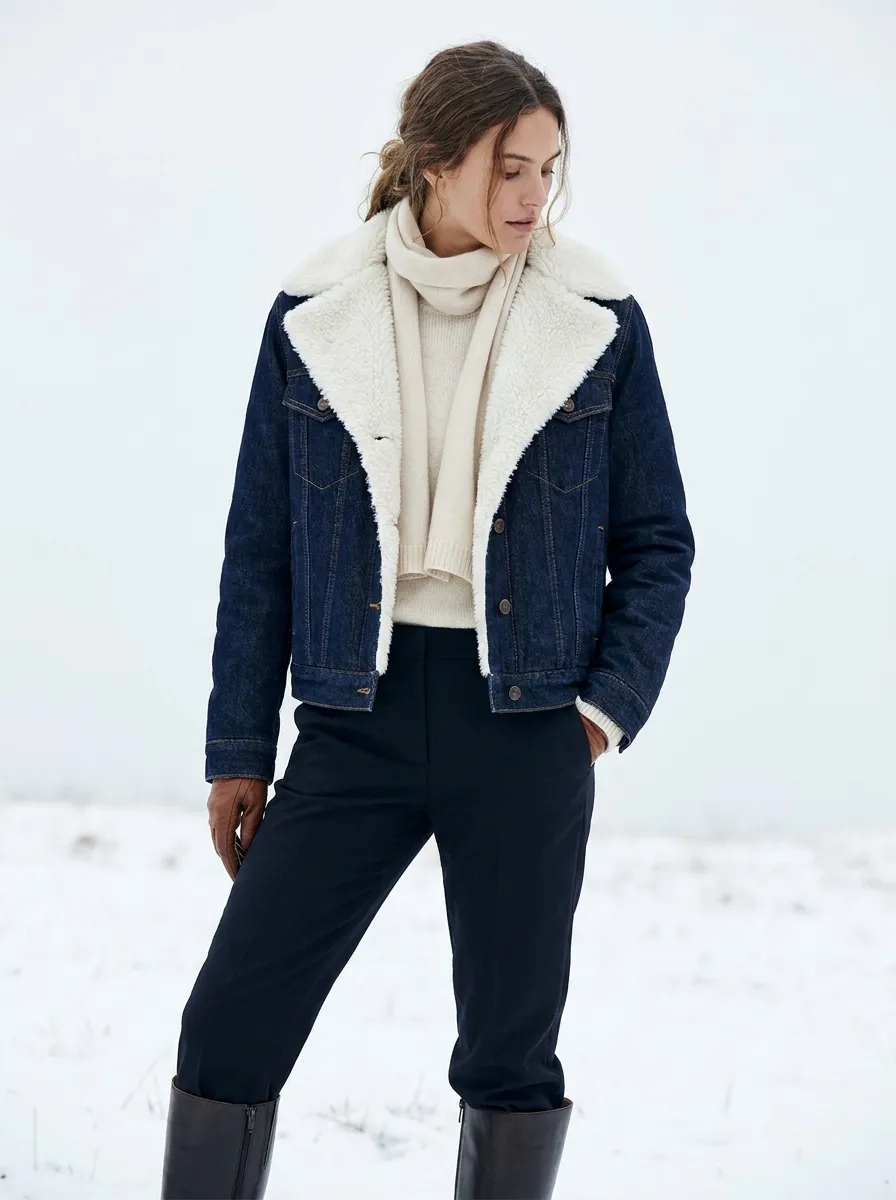
Detachable Shearling Collar
Create a detachable collar using high quality faux shearling that buttons or snaps onto the existing denim collar. This lets the jacket transition from autumn to winter without a second coat. The shearling adds a plush, expensive element that makes the jacket feel like a premium outerwear piece. Keep the snaps hidden on the underside of the collar for a clean look. The project is versatile because the collar comes off for warmer days.
Care tip: brush the shearling regularly to keep it looking fluffy and new.
Minimalist Hardware Removal
Sometimes the most expensive looking jackets are the ones with the least visible branding or hardware. Carefully remove all exterior buttons and replace the closure with a hidden zipper or a simple internal hook system. This creates a sleek, minimalist silhouette that feels modern and high end. Without the bulk of buttons, the jacket becomes a versatile layering piece. This is a significant construction commitment, so make sure the zipper is sturdy and installed correctly.
The result is a clean front that pairs easily with everything from silk dresses to tailored slacks.
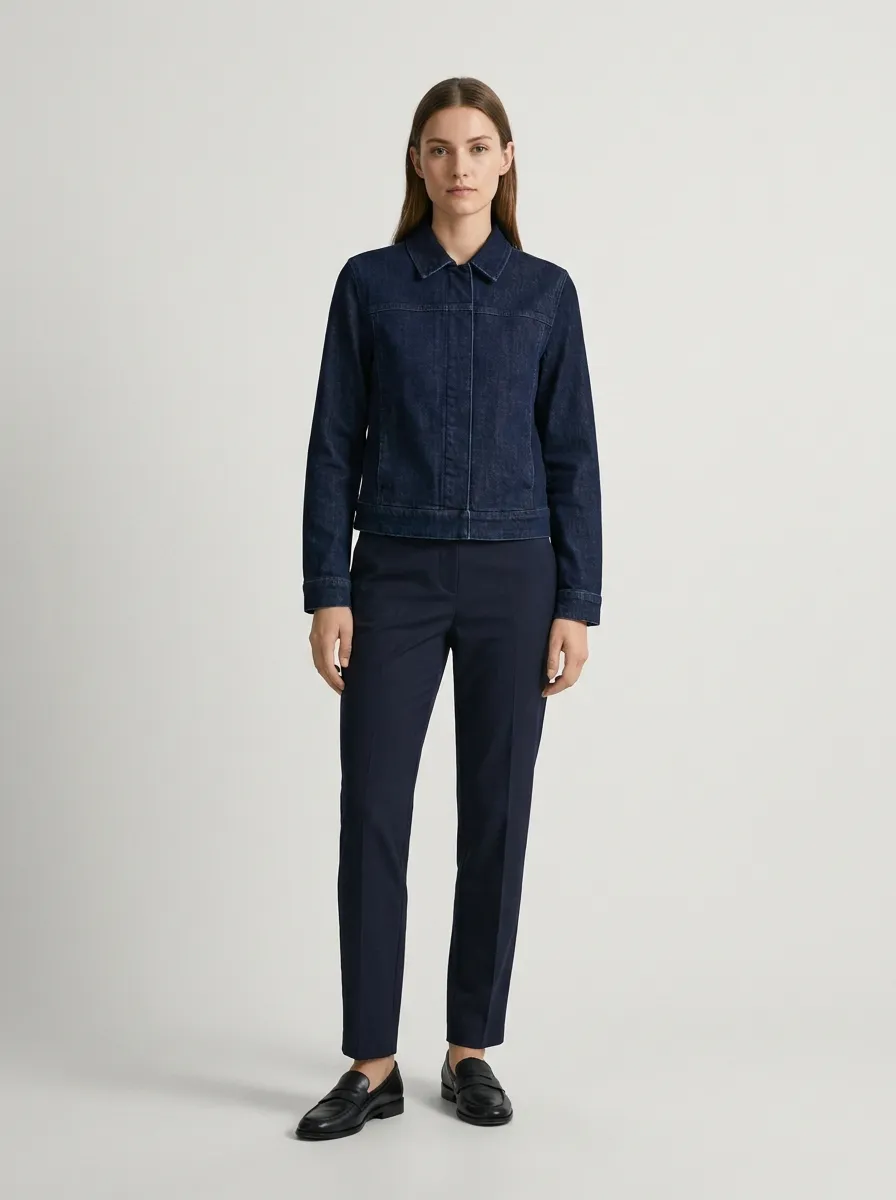
Tapered Sleeve Cuffs
Many standard denim jackets have loose, boxy sleeves that feel sloppy. Tapering the sleeves from the elbow to the wrist creates a more tailored, refined shape. Turn the jacket inside out, pin the sleeves to the desired width, and sew a new seam line. Be sure to leave enough room for your hand to pass through. This small adjustment makes the jacket look like it was custom made for your frame.
Fit note: it works exceptionally well when you push the sleeves up, since the tighter cuff stays in place better than a loose one.
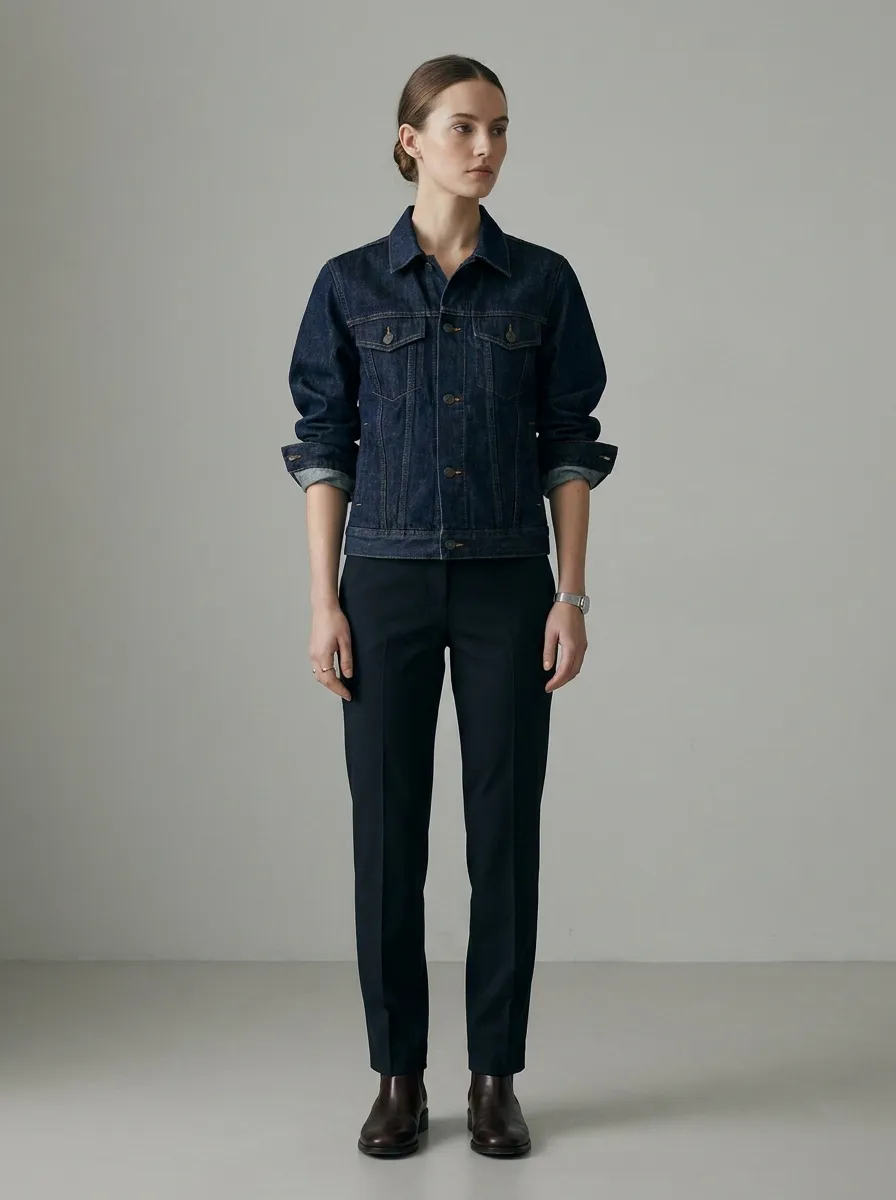
Custom Fabric Back Patches
Instead of screen printed patches, use high quality remnants of tweed, plaid wool, or jacquard fabric to create a large back panel design. Sew the fabric on with a clean, straight stitch for a polished look. This adds texture and a bespoke, artistic quality to the jacket. Leftover denim scraps can become patches, and the same zero waste instinct drives cut up tee DIY ideas for summer. Avoid using too many different fabrics, since one large, cohesive panel looks more expensive than a collection of small, mismatched patches.
Fabric note: this is a good way to use up leftover fabric from other projects, and it turns the jacket into a true one of a kind piece.
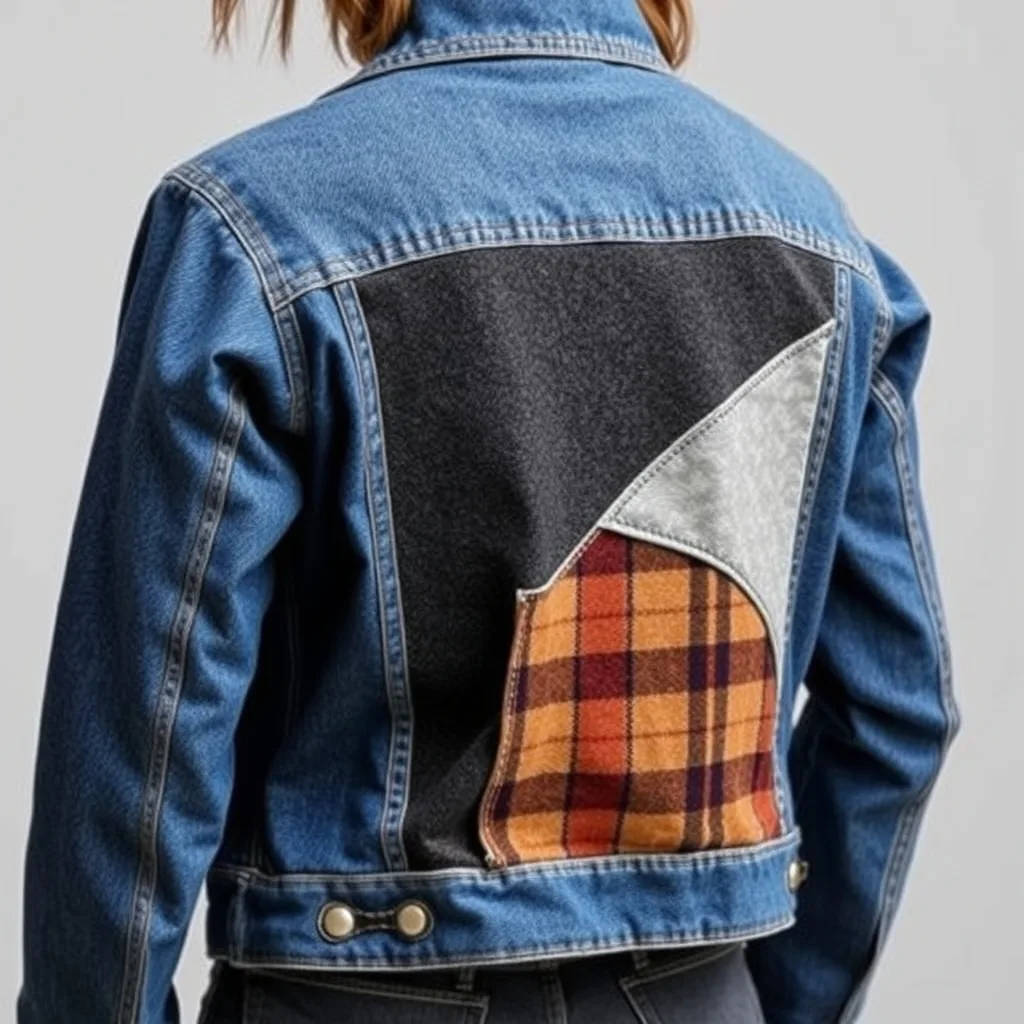
Weighted Metal Zipper Upgrade
If a jacket has a front zipper, replace a lightweight plastic or flimsy metal one with a heavy, oversized brass or nickel zipper. The weight of the metal makes the jacket feel substantial and expensive. You will need to carefully remove the old zipper and sew the new one in, which requires a sewing machine capable of handling thick denim layers. This is a practical upgrade that also improves how the jacket functions.
The zipper becomes a focal point of the design, so choose a finish that complements your other accessories. A faded wash under the jacket keeps it casual; bleach shirt designs to DIY this weekend show how to fade a tee to match.
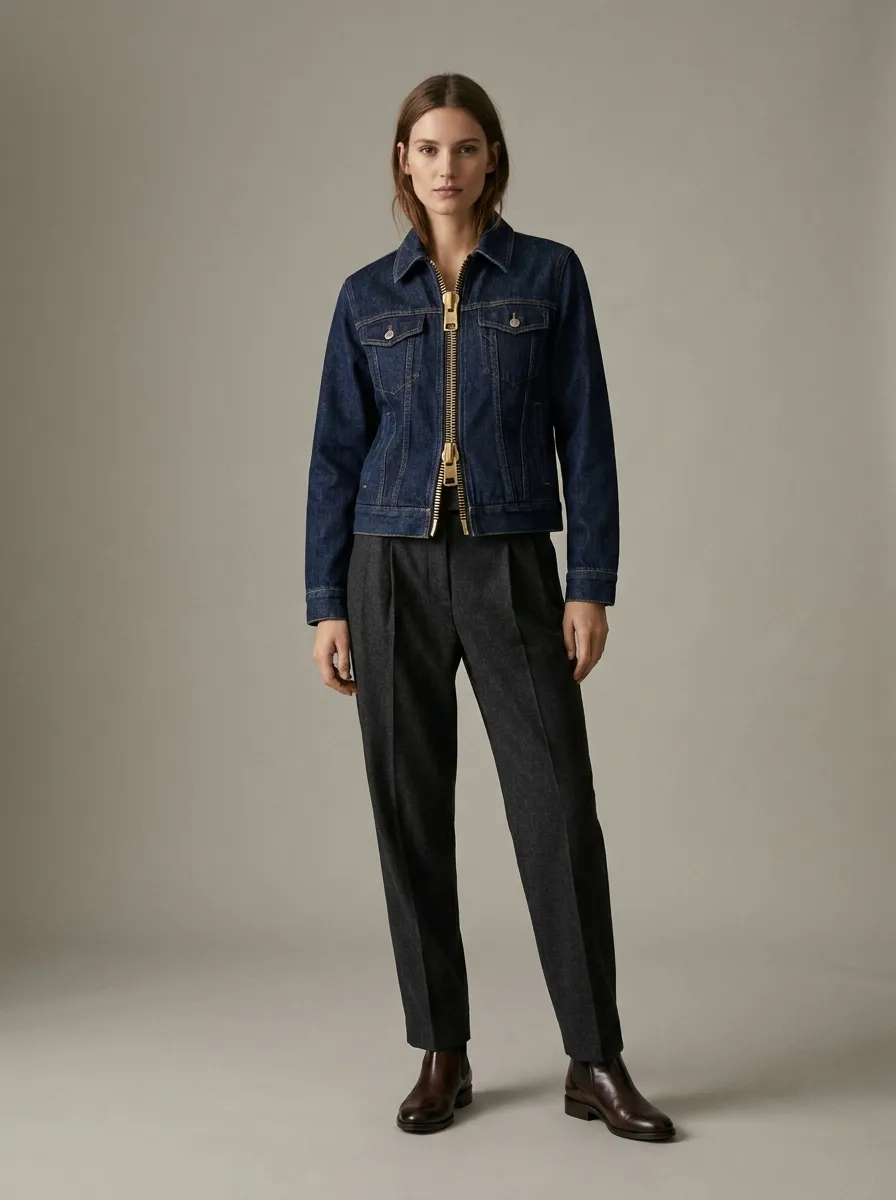
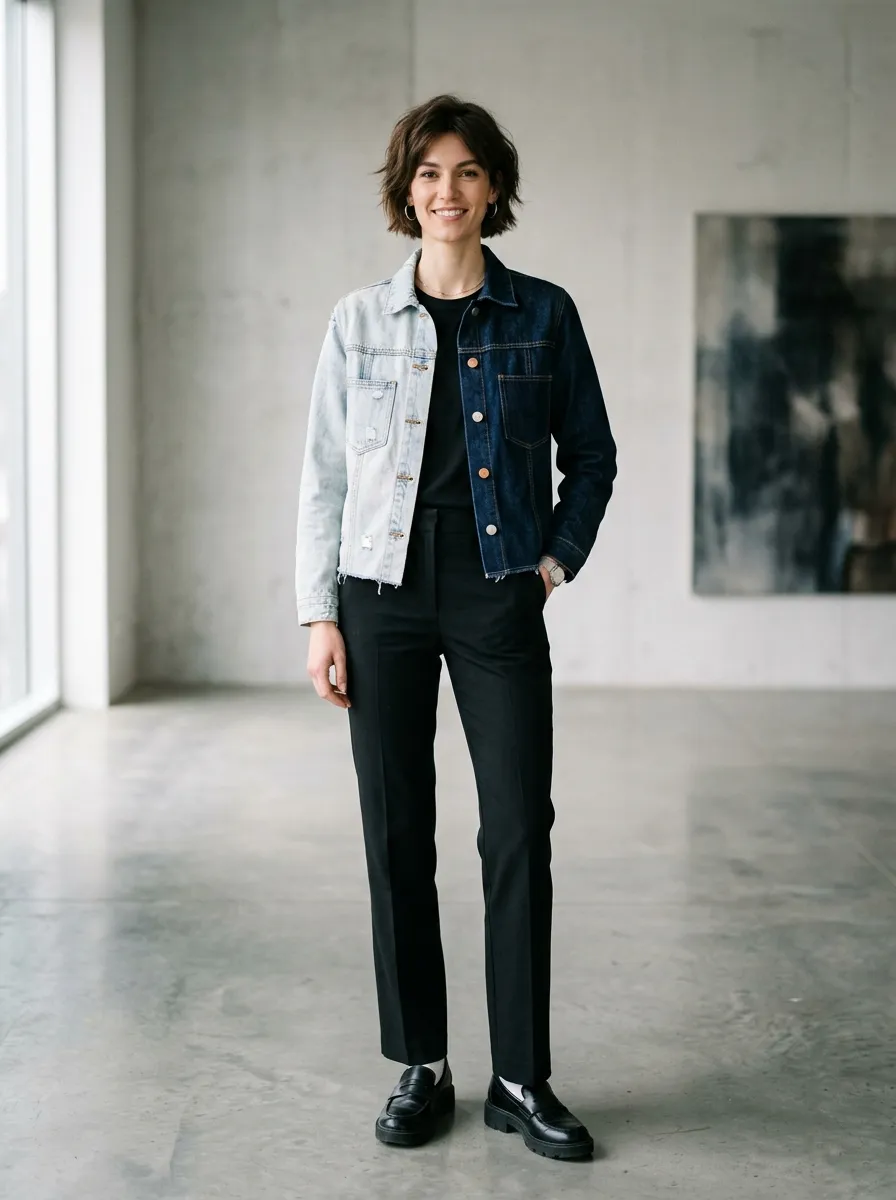
Bonus: Two Tone Denim Jacket
If you have two denim jackets that are damaged in different areas, combine them. Cut one jacket in half and attach the sleeves or panels to the other. This results in a unique two tone design. It is a bold look that stands out. The main limitation is the thickness of the denim, which can be difficult to sew through. Use a heavy duty needle and take your time to align the seams correctly for a professional finish.
Thrifted vintage jackets: what to look for
The cheapest route to an expensive looking jacket starts at the thrift store, not the craft store. Look for 1980s and 1990s trucker jackets in one hundred percent cotton denim with no stretch: the fabric is heavier, the seams are stronger, and the wash has already settled. Check the collar, cuffs, and armpits for thinning, since those are the spots that fail first.
A jacket with a sound body and tired hardware is the ideal candidate, because a brass swap costs under fifteen dollars and changes the whole read of the piece.
Skip jackets with cracked prints or ironed on logos across the back, since those fight every custom project you add. A plain back is a blank canvas, which is exactly what the two tone bonus project above needs. One good vintage find, plus one project from the table above, beats a new jacket every time.
Common Questions About Your Upcycled Denim Jacket
What kind of denim jacket works best for these projects?
Look for a jacket made from one hundred percent cotton denim without stretch, as it holds its shape better during alterations. A slightly oversized fit offers more fabric for adjustments like cropping or adding panels. Always check that the existing seams are sturdy and free from deep fraying before starting.
Can I machine wash a jacket once leather or silk is added?
Once you introduce leather or delicate silk, machine washing is generally not recommended. MasterClass covers how to wash denim so custom work lasts. These materials react poorly to water and agitation. Instead, spot clean the denim areas with a damp cloth and mild soap. If the jacket requires a deep clean, take it to a professional dry cleaner who handles mixed materials.
Which tools do I need before starting a denim project?
A sturdy sewing machine with heavy duty needles is the most important tool for working with thick denim. You will also need sharp fabric shears, a seam ripper for removing hardware, and high quality thread. A tailor chalk for marking lines and a set of strong pins will keep your work accurate.
How do I keep the custom details looking expensive over time?
Avoid over washing the jacket, as this fades the denim and wears down your custom additions. Hang the jacket on a shaped wooden hanger to maintain its structure when not in use. If you added embellishments like pearls or patches, check them periodically to ensure they remain secure and free from snags.
How should I style an upcycled denim jacket for an expensive look?
Balance the rugged nature of denim with refined pieces like silk blouses, tailored trousers, or leather skirts. For the full expensive look, old money aesthetic outfits that look expensive show how restraint sells the jacket. If the jacket has bold embellishments, keep the rest of the outfit simple to let the jacket stand out. For a cohesive look, match your hardware choices with your jewelry and footwear metal tones.
Before You Start: A Quick Checklist
- Pick one project first. Start with the table above and choose the project that matches your skill level and your weekend.
- Check the jacket before cutting. Seams should be sturdy, the body sound, and the hardware the weakest part, not the fabric.
- Match your metals. Brass buttons, a brass zipper, and warm-toned jewelry read as one deliberate choice.
- Keep textures in contrast. Matte leather, soft suede, or plush shearling against stiff denim is what makes the jacket look expensive.
- Plan the care before you sew. Leather, silk, suede, and pearls all change how the jacket gets cleaned, so know the routine in advance.
- Try the full outfit on. Fit the jacket with the trousers, dress, or boots it will actually be worn with, not on a hanger alone.
One project, done well, changes how the whole jacket reads. Pick the one that fits your jacket and your skill level, finish it properly, and the result will look far more expensive than the jacket it started as.