10 Graphic Tee Styling Rules: From Basic to Put-Together

How to use this guide
These are editorial styling suggestions, not a one-size-fits-all formula. Adapt each look to your wardrobe, proportions, climate, comfort, budget, and the occasion; the most useful idea is the one you can genuinely wear.
What actually separates a graphic tee that looks put-together from one that reads as weekend-only? It is rarely the tee itself. The same cotton shirt can look unfinished with jeans and sneakers, then look deliberate an hour later once a structured layer, a defined waist, or a contrasting texture enters the picture. The graphic stays the same; everything around it changes.
That is the logic behind these 10 rules. Each one is written for fall, which means each rule names the exact layer to add and the temperature range it covers — a wool blazer, a corduroy jacket, a thermal base, or a long cardigan — so a summer shirt keeps working through cold weather without hiding the design that made it worth buying. The table near the end maps every rule to its layer and temperature, so on a cold morning you can dress from the temperature column first and pick the rule second.
The Blazer Rule: Structure Over a Loud Print
Fall layer: a wool blazer in navy or charcoal. Comfortable from 10 to 18C.
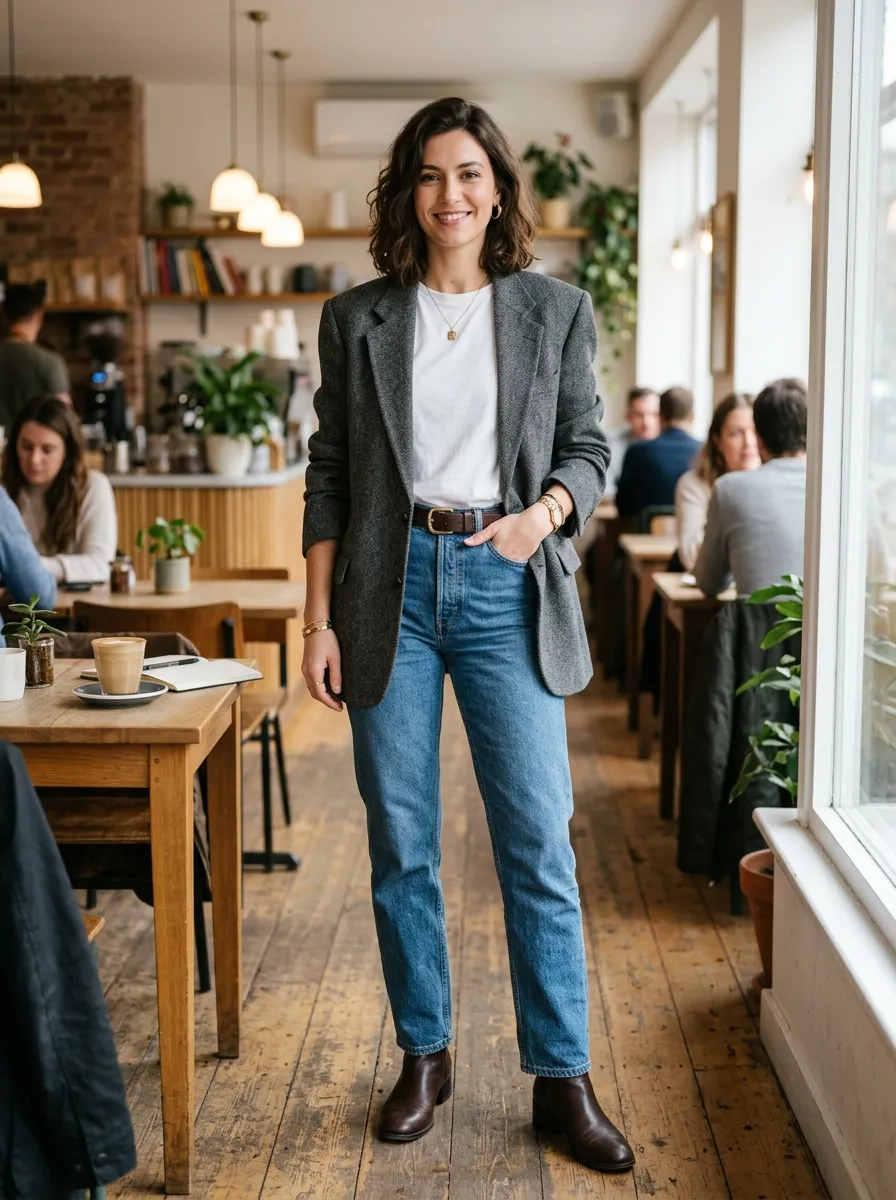
A structured blazer against a graphic tee creates a deliberate tension between formal and casual, and that tension is the whole point. Choose a fitted or slightly oversized blazer in a neutral shade like navy or charcoal to ground a loud design, and let the shirt stay the focal point by keeping the jacket free of heavy patterns. In fall the blazer should be wool rather than linen: wool holds its shape in damp air and adds real warmth over a thin cotton tee, which makes this pairing work for creative offices and dinner settings alike.
Fit note: the blazer should close comfortably over the tee without pulling at the button, and the tee's shoulder seam should sit at your natural shoulder, not halfway down the arm. If the jacket is boxy, a French tuck keeps the waist visible and stops the outfit from reading as two loose layers stacked on top of each other. A black blazer in wool is the most reliable version of this rule, because black works with every graphic colour and the wool weight matches the season. Woolmark has a clear care guide for wool blazers, which matters here, because a wool blazer that is washed wrong loses its shape in one season.
Tucked Into a Midi Skirt, With Fall Fabrics
Fall layer: a wool or corduroy midi skirt with opaque tights. Comfortable from 12 to 20C.
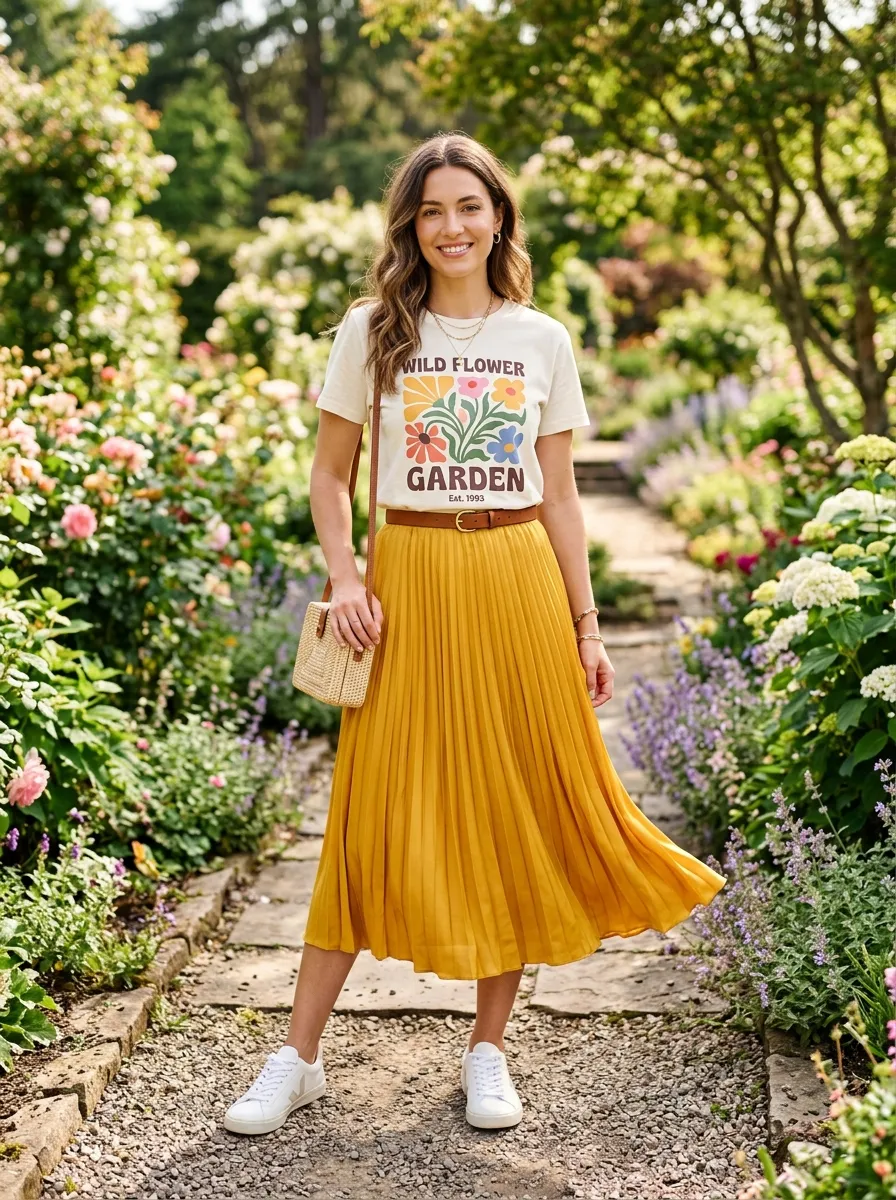
Tucking a tee into a midi skirt softens a garment that is usually read as masculine, and the skirt's movement contrasts with the stiff cotton of the shirt. A satin or pleated skirt works in warm weather, but in fall the fabric has to change: a wool or corduroy midi skirt holds its shape in cold air where satin goes limp, and opaque tights replace bare legs without changing the silhouette. A full tuck can add bulk at the waist, so a French tuck is the safer choice when the hem is thick.
Wear it with: a cropped cardigan over the tee on a cold morning, which moves the outfit from a mild-afternoon look to a full fall outfit without a second change. A white button down shirt layered under the tee is the other fall option here: the collar and cuffs show at the neck and wrists, and the shirt adds a warm layer the tee alone cannot provide. Waist definition is what keeps this look from being overwhelmed by fabric, so check the tuck in a mirror from the side, not just the front, before leaving the house.
The Layer You Cannot See: Long Sleeves Under the Tee
Fall layer: a thin thermal or merino long sleeve under the tee. Comfortable from 5 to 15C.
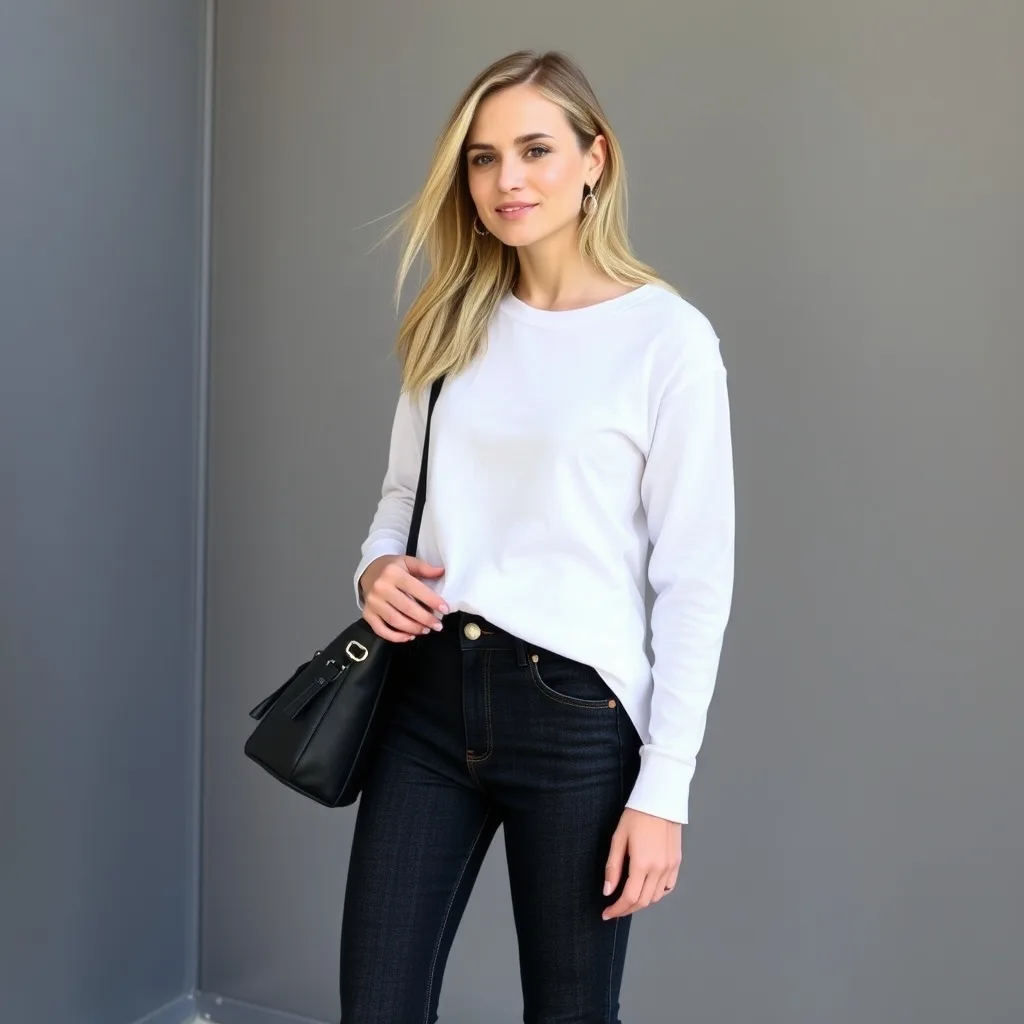
For cooler weather, wear a slim fitting long sleeve shirt under your graphic tee. The base layer adds depth and warmth without a bulky coat, and keeping the layers monochromatic — a plain white or black base under the print — stops the outfit from feeling messy. In fall the base layer should be thermal or merino wool, not cotton, because cotton holds sweat and turns cold against the skin once you come indoors.
Fabric note: the base layer must be thin enough to sit flat under the arms, or the tee will bunch and the sleeves will ride up every time you reach for something. Check the cuff length too: a base sleeve that peeks out just past the tee's sleeve reads as intentional, while one that hangs several inches past it reads as a sizing mistake. The layering guide from MasterClass explains why the base layer matters more than the outer layer when the temperature drops below 10C. This is the cheapest cold weather fix on this whole list, and it is also the most practical choice for brisk mornings, since one thin base layer works under every tee you own.
One Colour, Three Textures
Fall layer: black on black with texture contrast — leather or corduroy. Comfortable from 8 to 18C.
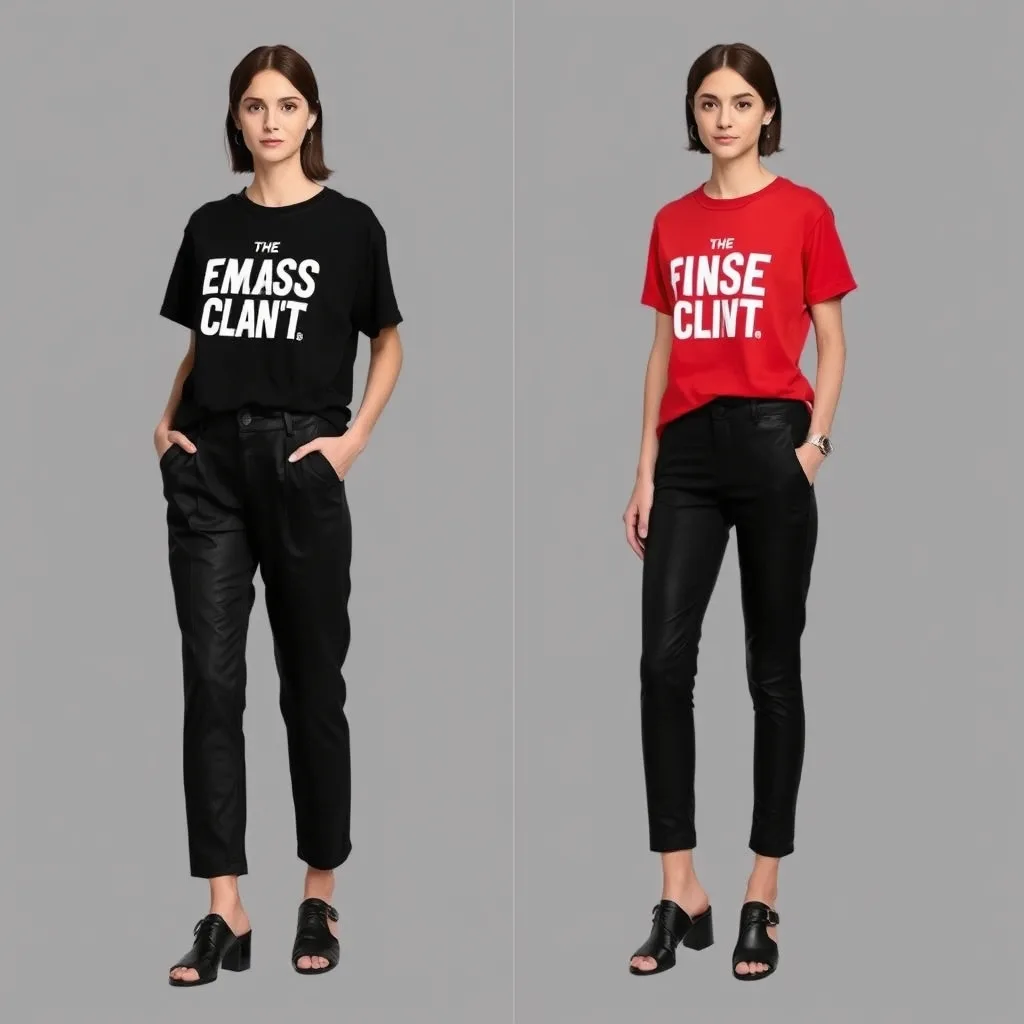
When in doubt, match the base colour of your graphic tee to your trousers or skirt. A black shirt with white text plus black pants creates one continuous line that feels sophisticated and put together, and it quiets the visual noise of the graphic. The risk with monochrome is that it can read as a uniform, so the fix is texture: pair the soft cotton of the tee with denim, leather, or corduroy, and the outfit gains depth without gaining a second colour.
In fall, texture contrast matters even more, because a black on black outfit in flat cotton reads as a uniform, while black cotton against black leather or black corduroy reads as deliberate. Add one warm texture on top — a wool scarf or a suede boot — and the monochrome base turns into a fall outfit instead of a summer outfit in dark colours.
Fit note: the bottom half needs some volume for this rule to work, or the single-colour line goes flat. Wide leg jeans in black are the easiest choice here, because the wide leg adds the shape a monochrome outfit needs, and the denim texture does the contrasting work on its own.
Accessories: One Bold Piece, Then Stop
Fall layer: a wool scarf and one bold piece, not a pile of jewellery. Comfortable from 10 to 18C.
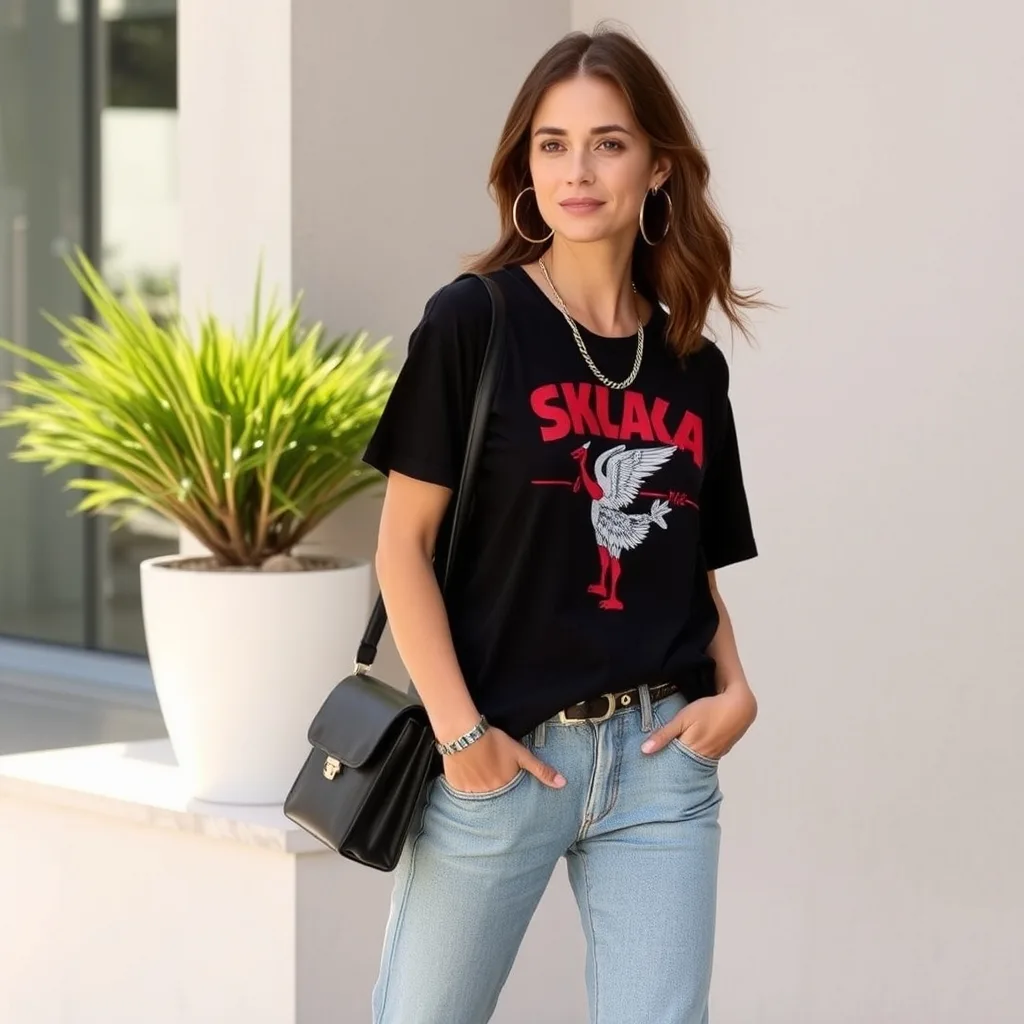
Bold jewellery shifts the vibe of a graphic tee faster than any other change. A heavy gold chain or large hoop earrings can turn a plain shirt into a statement piece, but the rest of the outfit has to stay simple, or the look tips into clutter. One bold piece plus a plain base is the ratio that works; five bold pieces competing with a busy graphic is the ratio that does not.
In fall, the accessory that does the most work is a wool scarf in a solid colour. It adds warmth and a second colour block at the neck, which is exactly where a graphic tee needs structure, and it does the styling work while the jewellery does the personality work. Neither one has to do both jobs.
Care tip: heavy jewellery can tug on the neckline of thinner shirts, so check the fabric before styling — a loosely knit or lightweight cotton tee will stretch out of shape under a heavy chain by the end of the day. A midweight cotton tee with a bound neckline holds up far better, and it is worth choosing the sturdier shirt when the necklace is the point of the outfit.
The Denim Jacket, Lined for Fall
Fall layer: a corduroy or sherpa lined denim jacket. Comfortable from 10 to 18C.
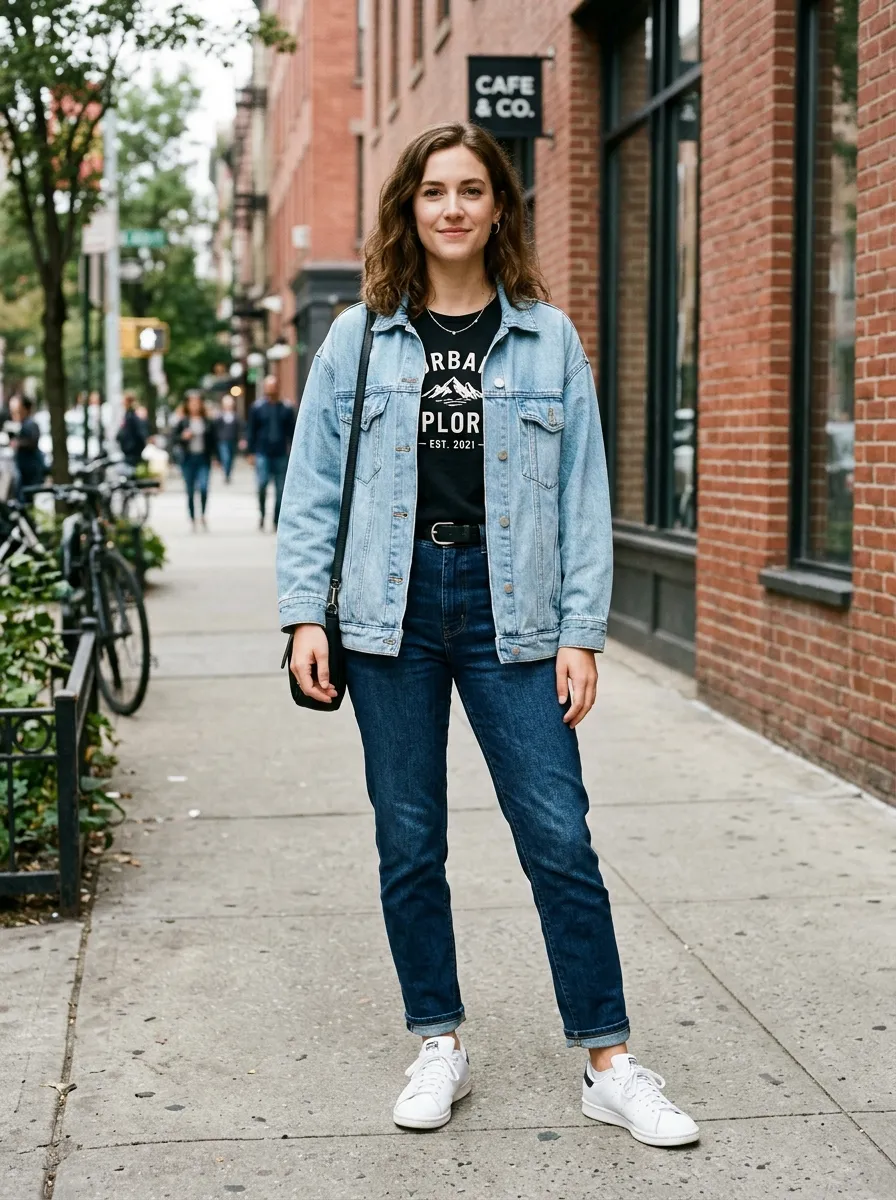
A classic denim jacket is a natural partner for a graphic tee, but the cut decides whether it looks current or dated. Choose a boxy or modern cut, and mix denim shades — a light wash jacket with dark jeans, for example — to add dimension without adding a new colour. In fall the denim jacket needs a lining: a sherpa lined or corduroy collared version adds the warmth a plain denim jacket cannot, and the lining itself becomes a texture detail at the collar and cuffs.
Fabric note: avoid jackets with heavy distressing if you want a cleaner, more modern finish, because rips and fraying fight with the graphic for attention and the outfit ends up with two focal points. A clean wash keeps the tee as the single statement. The fall outfit guide shows the same lined denim jacket over knit layers, which is the version of this rule that works on the coldest fall mornings, and it is a reliable choice for casual outings of any kind.
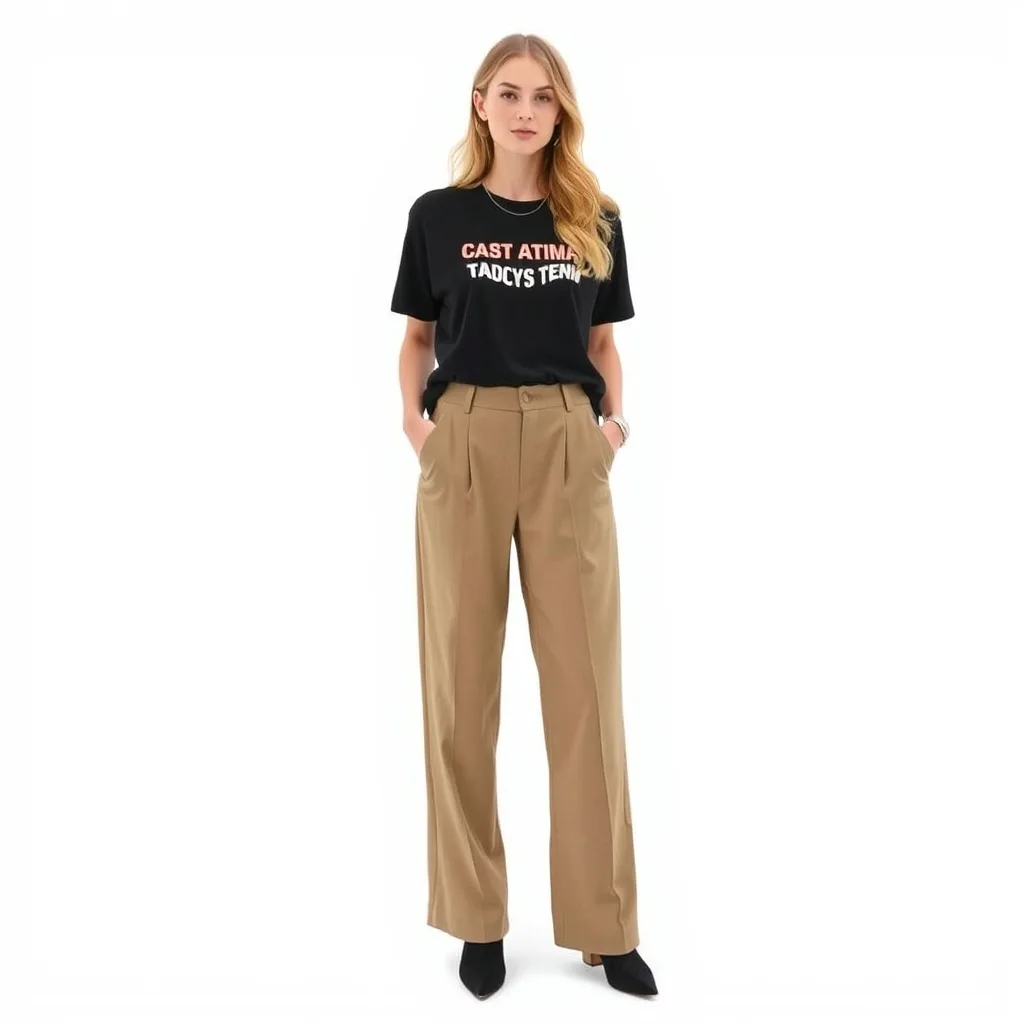
Wide-Leg Trousers in a Wool Weight
Fall layer: wool wide leg trousers with a slim boot. Comfortable from 10 to 20C.
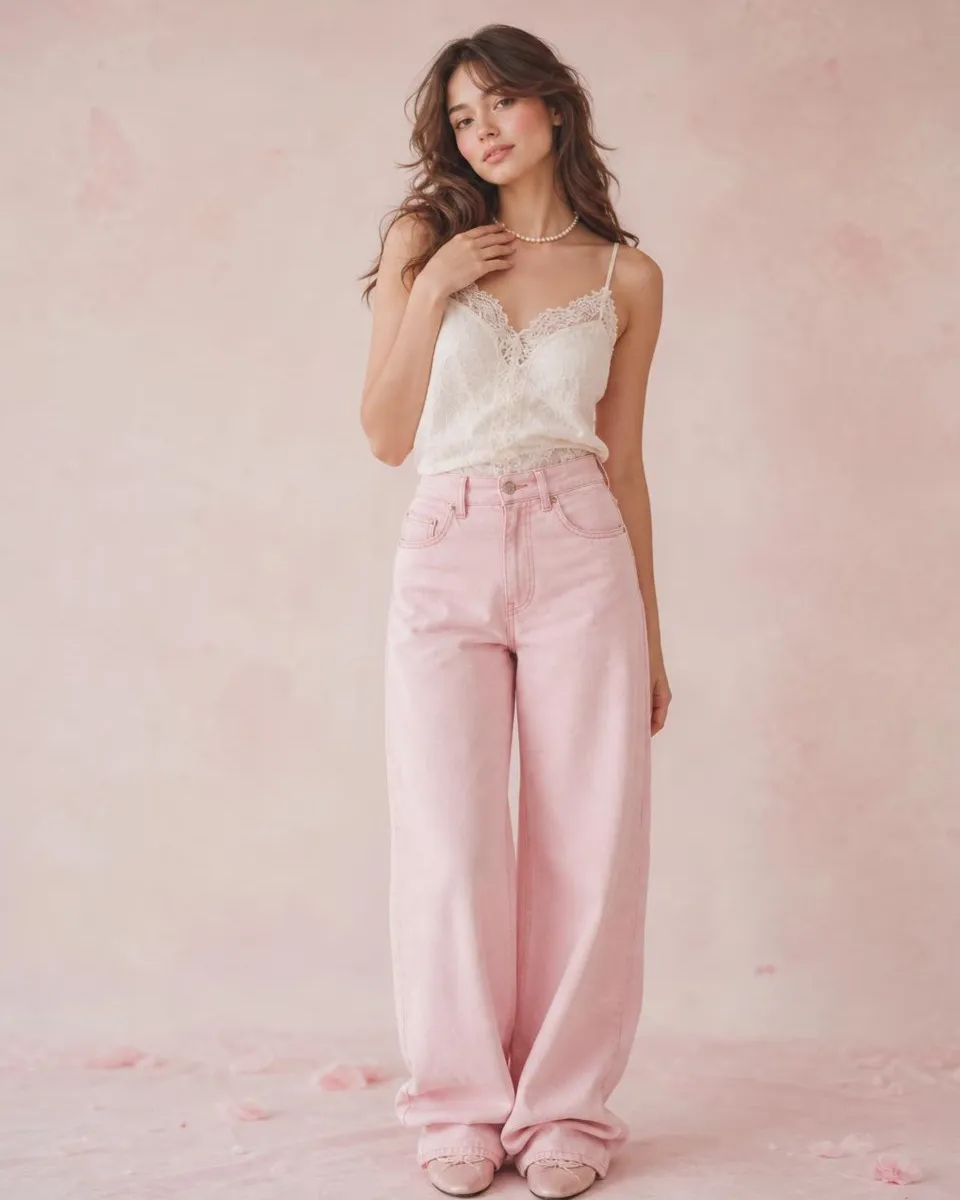
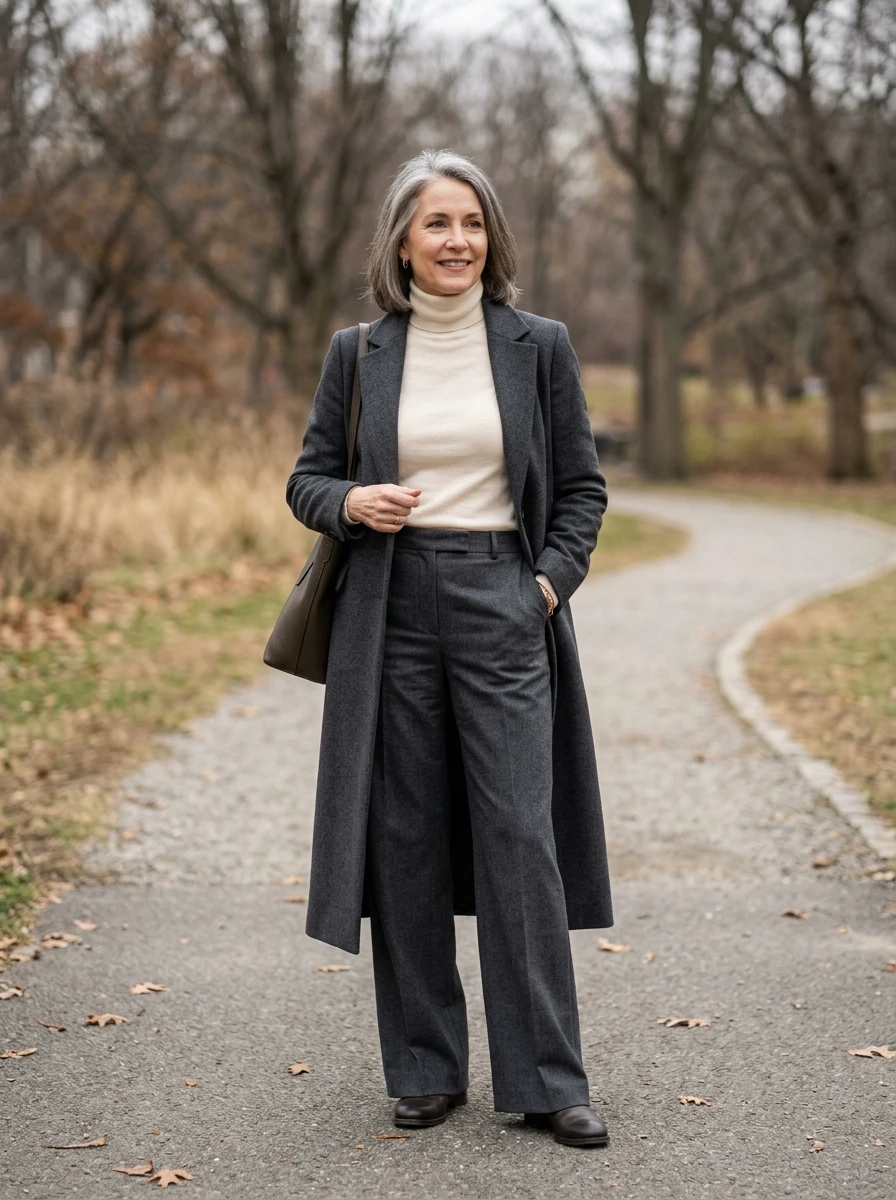
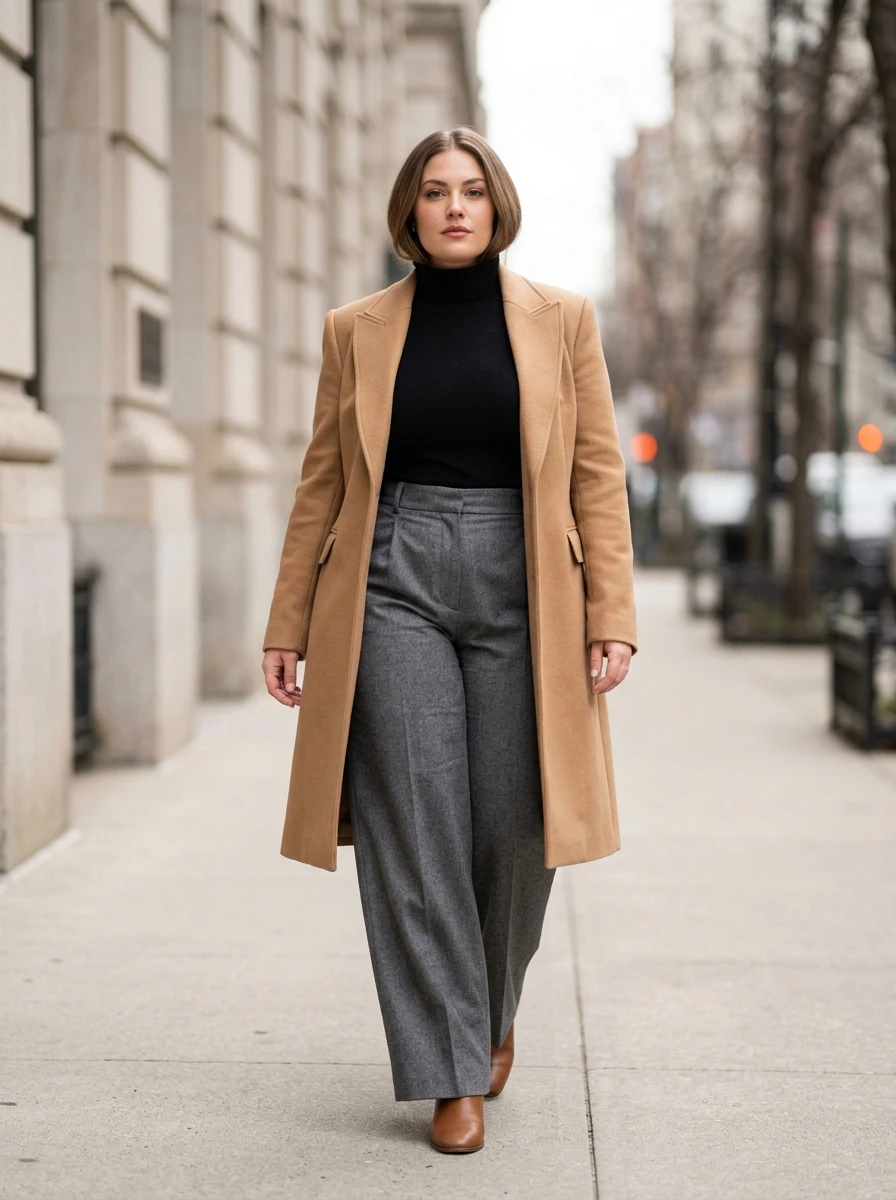
Pairing a graphic tee with wide leg trousers creates a modern, relaxed silhouette that is comfortable for all day wear while still looking intentional. High waisted trousers define the waist even under a loose shirt, and the wide leg balances the casual nature of the tee. In fall the trousers should be wool or a wool blend, because cotton wide leg trousers go limp in damp air and lose the drape that makes the silhouette work.
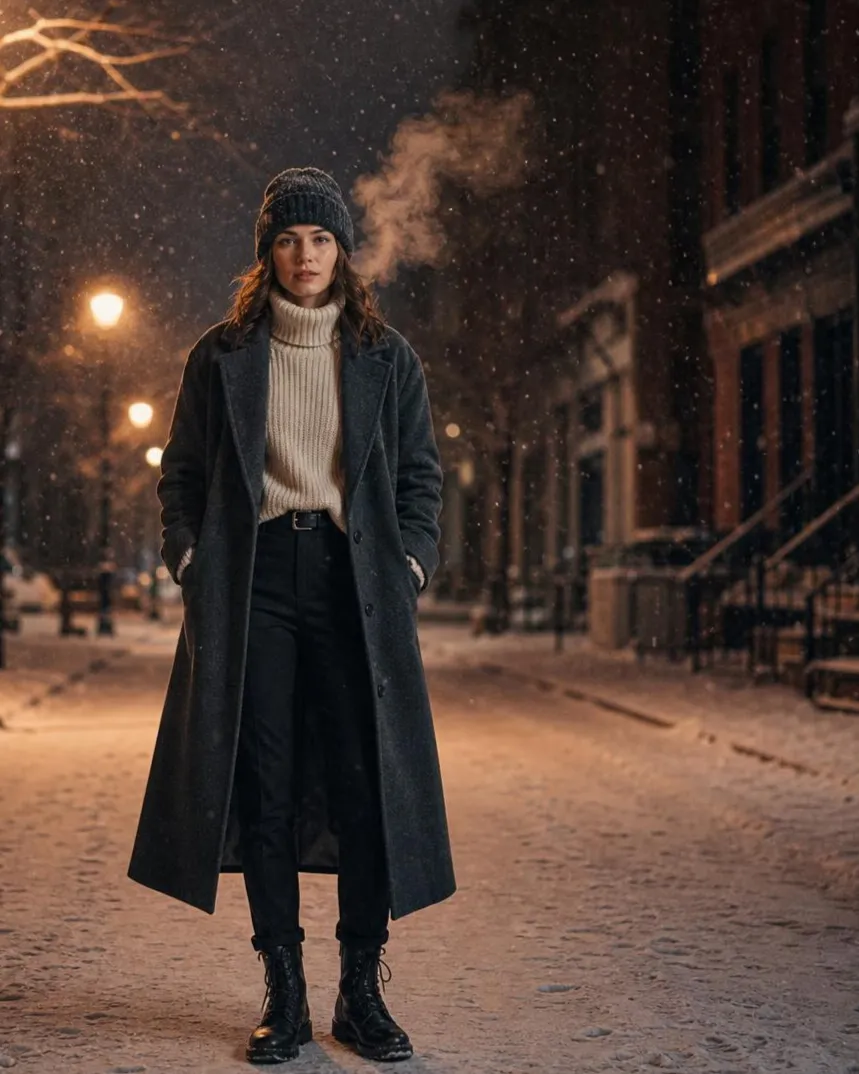
Wear it with: a slim boot or a sleek flat, not a chunky shoe, which can overwhelm the line of the trouser and make the whole outfit bottom-heavy. This is a strong transition look for moving from a casual morning to a dinner date, and the wool trouser version is the one that survives a full day of sitting, standing, and walking without wrinkling into a mess. The winter outfit guide uses the same wool trouser base under heavier coats, so this rule carries straight into winter with one layer added on top.
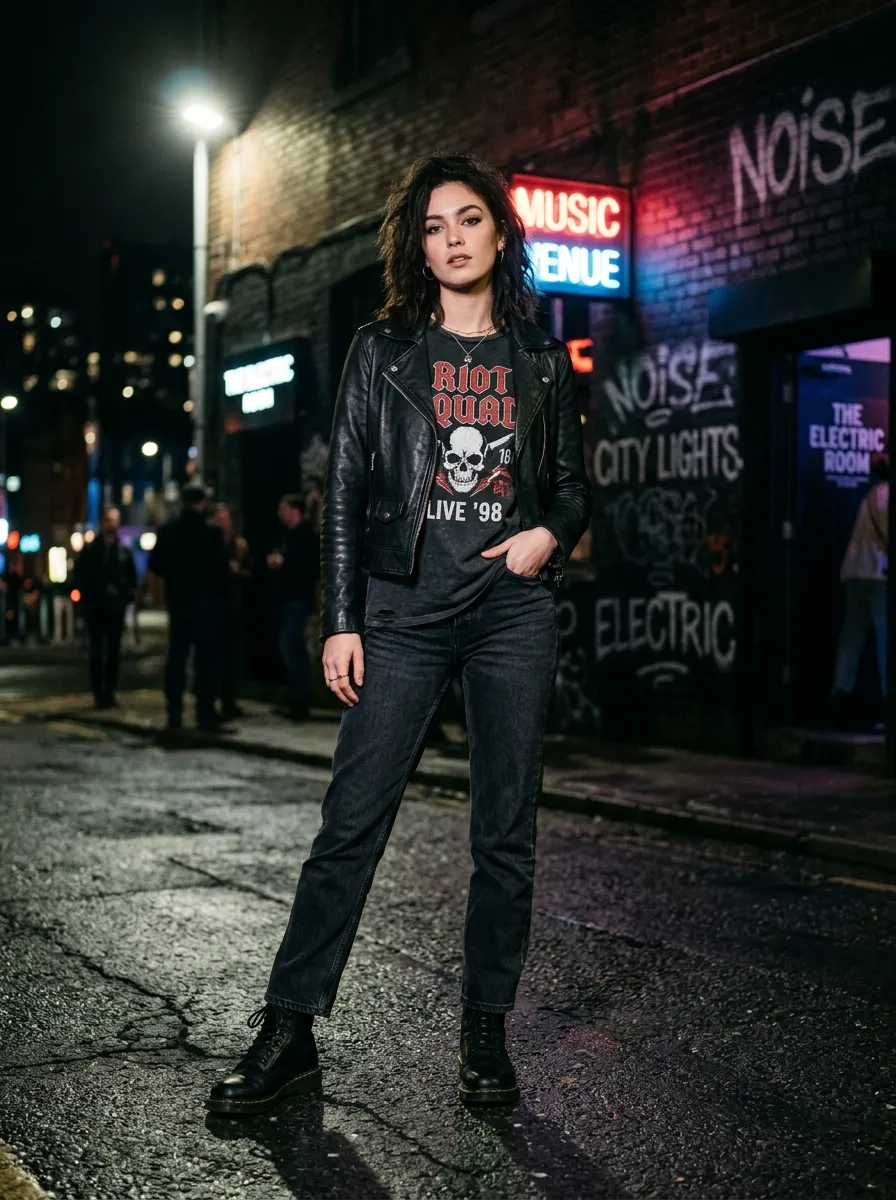
Leather Jacket Edge — With a Thermal Base
Fall layer: a fitted leather jacket with a thermal base underneath. Comfortable from 5 to 15C.
For a sharper look, throw a leather jacket over your graphic tee. The combination is timeless and works for evening events or concerts: a fitted leather jacket creates a strong silhouette that contrasts well with the soft cotton of the shirt, while a simple bottom half — straight leg jeans or a skirt — keeps the focus where it belongs. In fall the leather jacket needs a thermal base layer underneath the tee, because leather blocks wind but does not insulate, and a tee alone under leather leaves you cold within twenty minutes outdoors.
Fit note: the jacket should sit close to the body without pulling across the chest when zipped, and the tee underneath should be slim enough not to bunch at the waist. This is the rule for a night out rather than a day of errands — the jacket looks best in low light, and the thermal base stays invisible under it. Loafers or slim ankle boots are the right shoes here, because a chunky boot plus a leather jacket plus a graphic tee tips the outfit from edgy into costume.
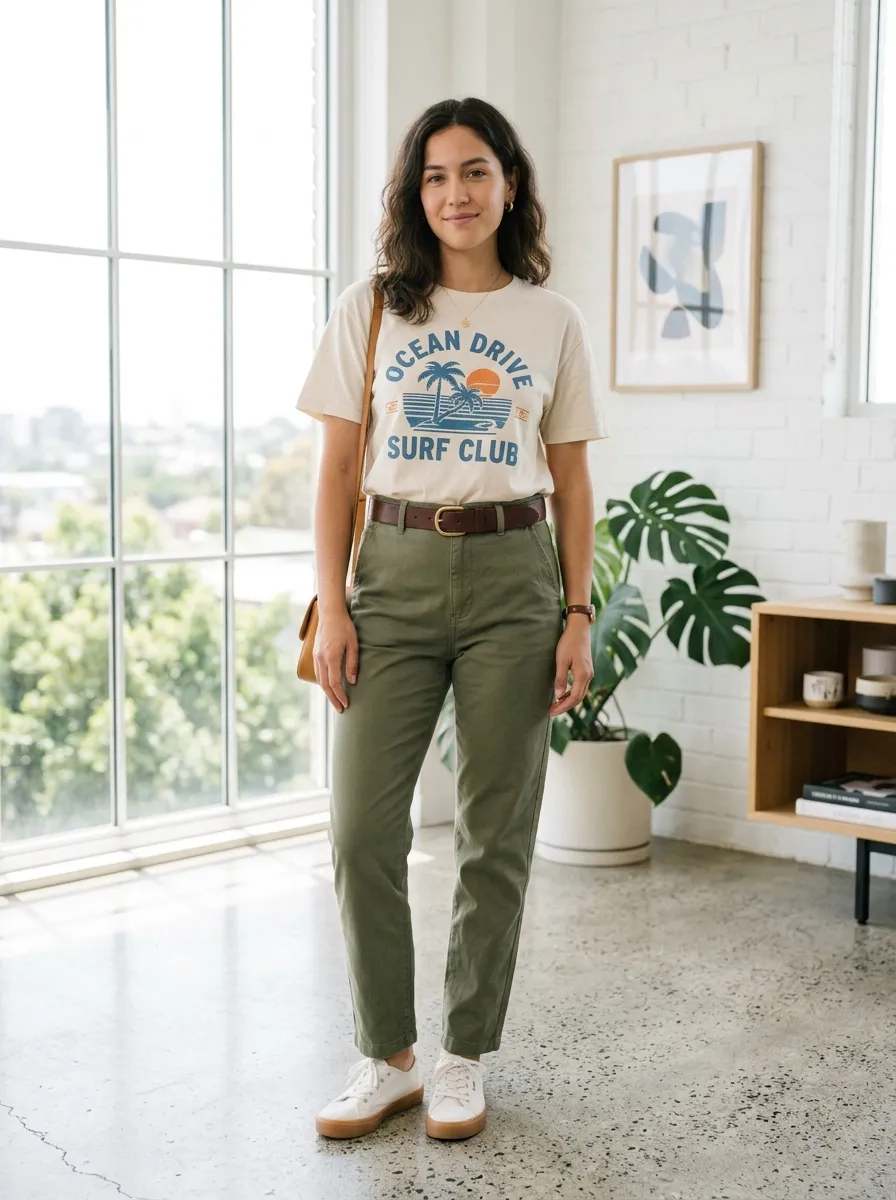
Belt It Over the Knit, Not the Tee
Fall layer: a wide leather belt over a knit layer, not just the tee. Comfortable from 12 to 20C.
Adding a belt to a tucked in graphic tee defines the waist and adds a finished detail, and it is especially useful when the shirt is slightly too large, since cinching the fit turns an oversized tee into a deliberate shape. Choose a leather belt with a simple buckle to keep the focus on the shirt design. In fall the belt works best over a thin knit layer rather than directly on the tee: tuck the tee into your trousers, add a fine knit cardigan, and belt over the cardigan at the waist.
Care tip: the belt then holds two layers together and stops the cardigan from drifting open, which is the small failure that makes a layered outfit look untidy by midday. Make sure the belt loops fit the width of the belt properly, and choose a belt in a colour that matches your shoes, because a belt that matches nothing reads as an afterthought. The capsule wardrobe pieces include exactly this kind of wide leather belt, because it is the one accessory that works across five different outfits.
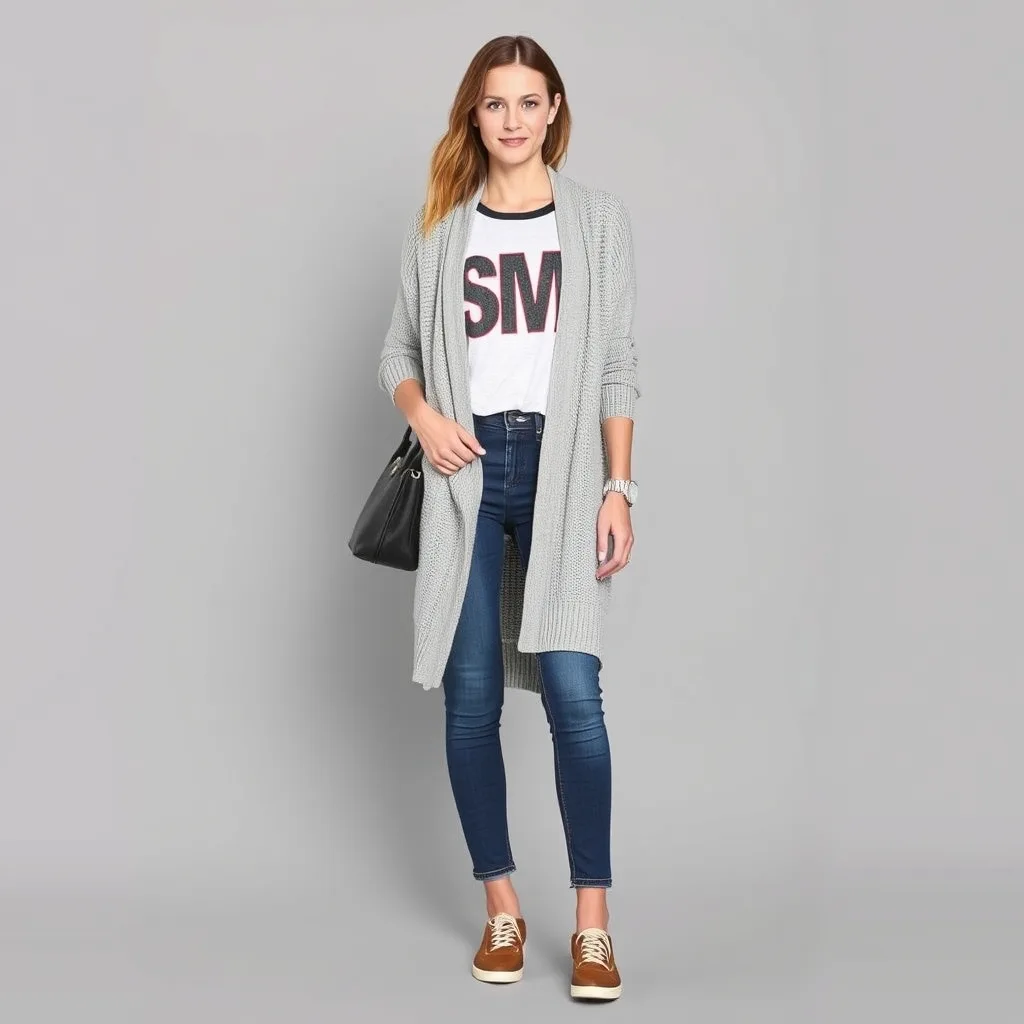
The Long Cardigan as Your Outer Layer
Fall layer: a long wool cardigan as the outer layer. Comfortable from 8 to 18C.
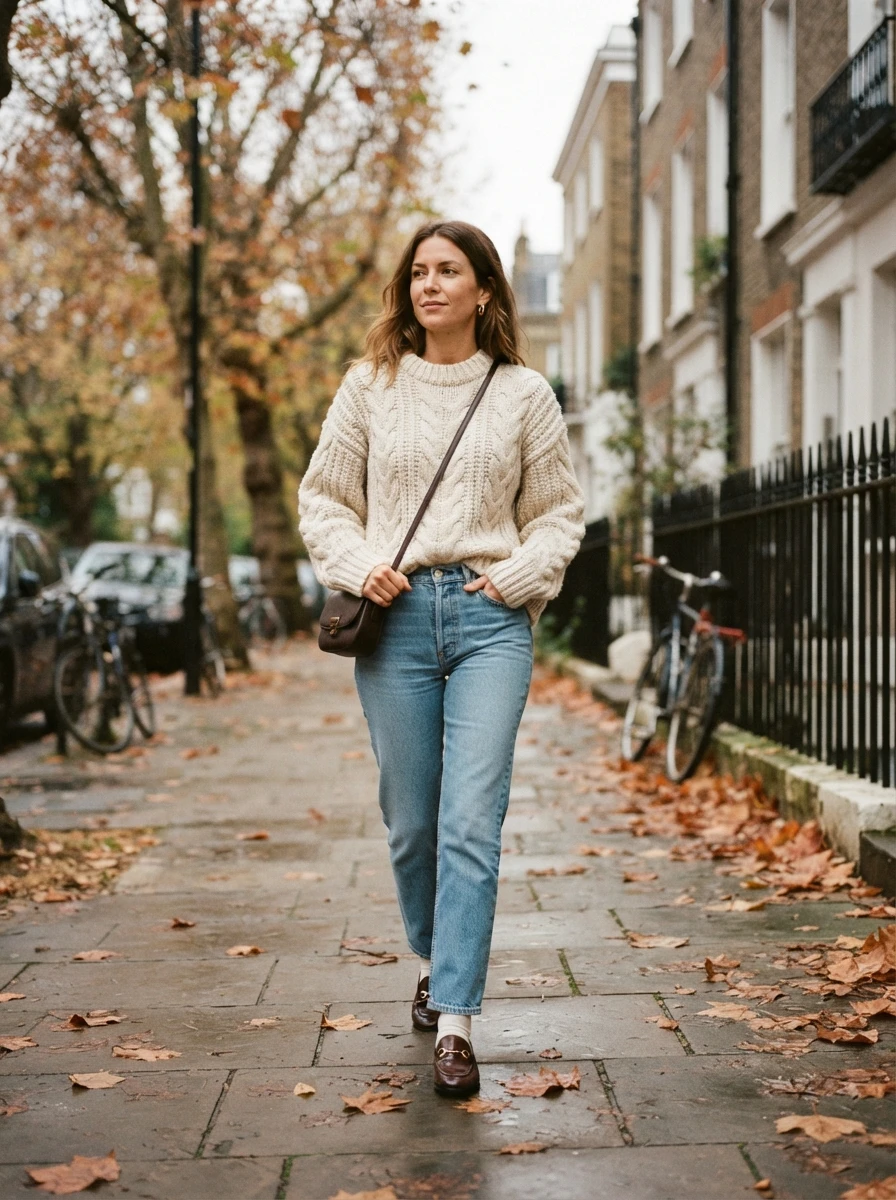
A long, open cardigan adds a layer of softness to a graphic tee, and it is a cozy option for home or casual office days. Choose a neutral knit to keep the look clean, and in fall the cardigan should be wool or a wool blend, long enough to cover the hip — a short cotton cardigan adds no warmth and no vertical line. Because the cardigan is long, it adds a vertical line that is flattering, but only if what sits underneath it is not bulky, or the cardigan will look misshapen.
Wear it with: the tee tucked in and warm boots on the coldest mornings, which turns the cardigan from an indoor layer into a full outdoor layer on a mild fall day, no jacket needed, as long as it reaches at least mid thigh. The UGG outfit guide pairs the same long cardigan shape with warm boots, which is the version of this rule for the coldest mornings — and it is a practical way to stay warm while showcasing your favorite shirt design.
The Whole Guide in One Table
| Rule | Fall layer to add | Temperature range |
|---|---|---|
| 1. Tailored blazer contrast | Wool blazer, navy or charcoal | 10 to 18C |
| 2. Tucked into midi skirts | Wool or corduroy midi skirt, opaque tights | 12 to 20C |
| 3. Layering over long sleeves | Thermal or merino long sleeve base | 5 to 15C |
| 4. Monochromatic foundation | Leather or corduroy texture, wool scarf | 8 to 18C |
| 5. Statement accessories balance | Wool scarf plus one bold piece | 10 to 18C |
| 6. Denim jacket texture mix | Sherpa lined or corduroy collared denim jacket | 10 to 18C |
| 7. Wide leg trousers chic | Wool wide leg trousers, slim boot | 10 to 20C |
| 8. Leather jacket edge | Thermal base under the tee | 5 to 15C |
| 9. Tucked in with a belt | Fine knit cardigan under the belt | 12 to 20C |
| 10. Cardigan softness layer | Long wool cardigan to mid thigh | 8 to 18C |
The pattern in the table is the whole guide in one view: below 10C you need a thermal base under the tee, between 10 and 18C a wool layer on top does the work, and above 18C the tee carries the outfit with one light layer for structure. Dress from the temperature column first, then pick the rule that fits the day.
Common Questions About Graphic Tee Styling
What is the first fall layer I should add over a graphic tee?
Start with a wool blazer in navy. It covers the blazer rule on its own, it layers over every tee you own, and it is the one fall layer that also works for work, dinner, and travel. A sherpa lined denim jacket is the second layer to add, because it covers the casual days the blazer cannot.
How do I tuck a graphic tee without adding bulk at the waist?
Use a French tuck — tuck only the front portion of the shirt into your waistband — which gives waist definition while keeping the back relaxed. It works best with a thin or midweight cotton tee. For a more formal look, a full tuck with a leather belt keeps the shirt in place all day, but check the tuck from the side in a mirror, since bulk hides there first.
What should I wear under a graphic tee when it drops below 10C?
A thin thermal or merino long sleeve base layer, in white or black to match the tee. Cotton is the wrong choice here, because it holds sweat and turns cold against the skin once you come indoors. The base layer should be slim enough to sit flat under the arms, with a cuff that peeks out just past the tee's sleeve.
Can a graphic tee work in a creative office?
Yes, with two conditions: a structured layer on top and a tailored bottom half. A wool blazer over the tee plus tailored trousers or a pencil skirt balances the casual nature of the graphic, and the shirt itself should be clean, well fitting, and free of heavy distressing. Keep accessories to one bold piece so the outfit reads as intentional rather than improvised.
How do I stop a long cardigan from making a graphic tee outfit look shapeless?
Three things: tuck the tee in, keep the layer underneath thin, and choose a cardigan that reaches at least mid thigh. A short or bulky cardigan over an untucked tee removes the waist entirely, which is what makes the outfit look shapeless. A belt over a fine knit cardigan also works, because it pins the layers together at the waist.
What shoes pair best with graphic tee outfits in fall?
The choice of footwear depends on the mood you want to create. Clean white sneakers keep the look casual and comfortable. For a more dressed up approach, opt for leather ankle boots, loafers, or simple flats. A slim boot is the right partner for wide leg trousers, while a chunky boot belongs nowhere near a leather jacket outfit — the two together tip the look into costume.
Before You Head Out: A Quick Checklist
- Temperature first: below 10C, a thermal base goes under the tee; 10 to 18C, a wool layer goes on top; above 18C, the tee carries the outfit with one light layer for structure.
- One focal point: the graphic, the blazer, or the jewellery leads — never all three at once.
- Fabric matches the season: wool, corduroy, and merino in fall; linen and satin stay in the summer rotation.
- Waist defined: a French tuck, a full tuck with a belt, or a high waisted bottom half, checked from the side.
- Texture, not just colour: if the outfit is one colour, vary the textures — cotton against leather, denim, or corduroy.
- Shoes finish the sentence: slim boots and loafers for dressed-up days, clean sneakers for casual ones.
Run through the list, pick the rule that fits the day's temperature, and the tee you already own does the rest. The goal was never a new wardrobe — it was a layer, a tuck, and a texture around the shirt you already love.