10 Senior Jeans Ideas for Beginners to Try This Year
How to use this guide
Choose ideas based on the materials, time, skill level, and finish you can realistically manage. For any dye, bleach, paint, or alteration project, test on a spare piece first and follow the product safety instructions.
You stare at a blank pair of denim jeans and feel the pressure to mark your final year with something memorable. The options seem endless, yet your schedule remains tight. You want a design that reflects your personality without requiring a professional art degree or a massive budget. This guide offers ten straightforward approaches to customizing your senior gear. We focus on techniques that work with basic supplies like fabric paint, stencils, and iron on patches. You will find methods that emphasize simplicity and durability. Whether you prefer bold graphics or subtle details, these ideas provide a clear path toward creating a custom piece that feels authentic to your journey. Let us start designing your signature look.
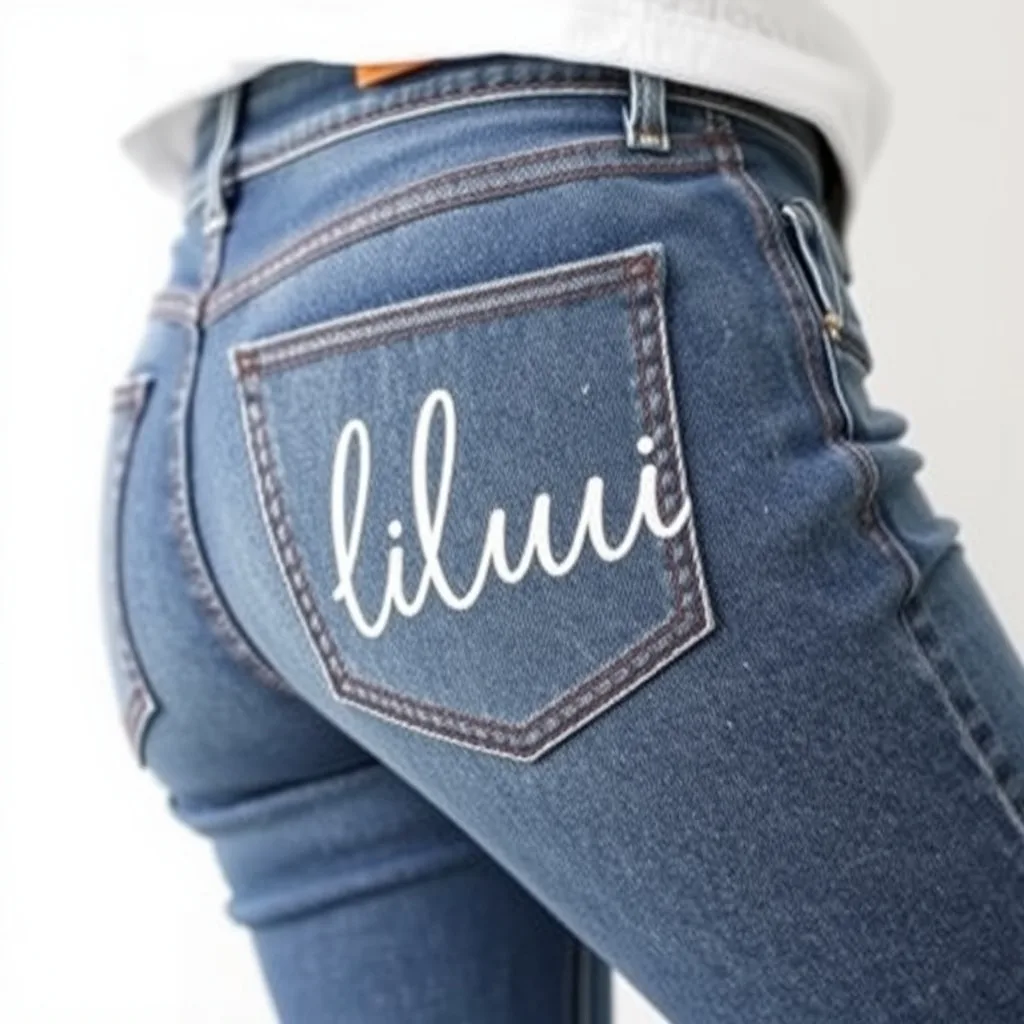
Minimalist Script Denim
Focus on clean typography to represent your graduation year or school name. Use a fine tip fabric marker to trace your lettering before filling it in with acrylic paint mixed with fabric medium. This ensures the ink does not bleed into the denim fibers. Place the text along the back pocket or down the side seam for a subtle touch. Keep the font consistent to maintain a professional appearance. For those who worry about freehand errors, use adhesive stencils to guide your placement. A major trade-off here is the drying time required between coats. Ensure you let the paint sit for at least twenty-four hours before wearing your jeans to prevent smudging or cracking during movement.
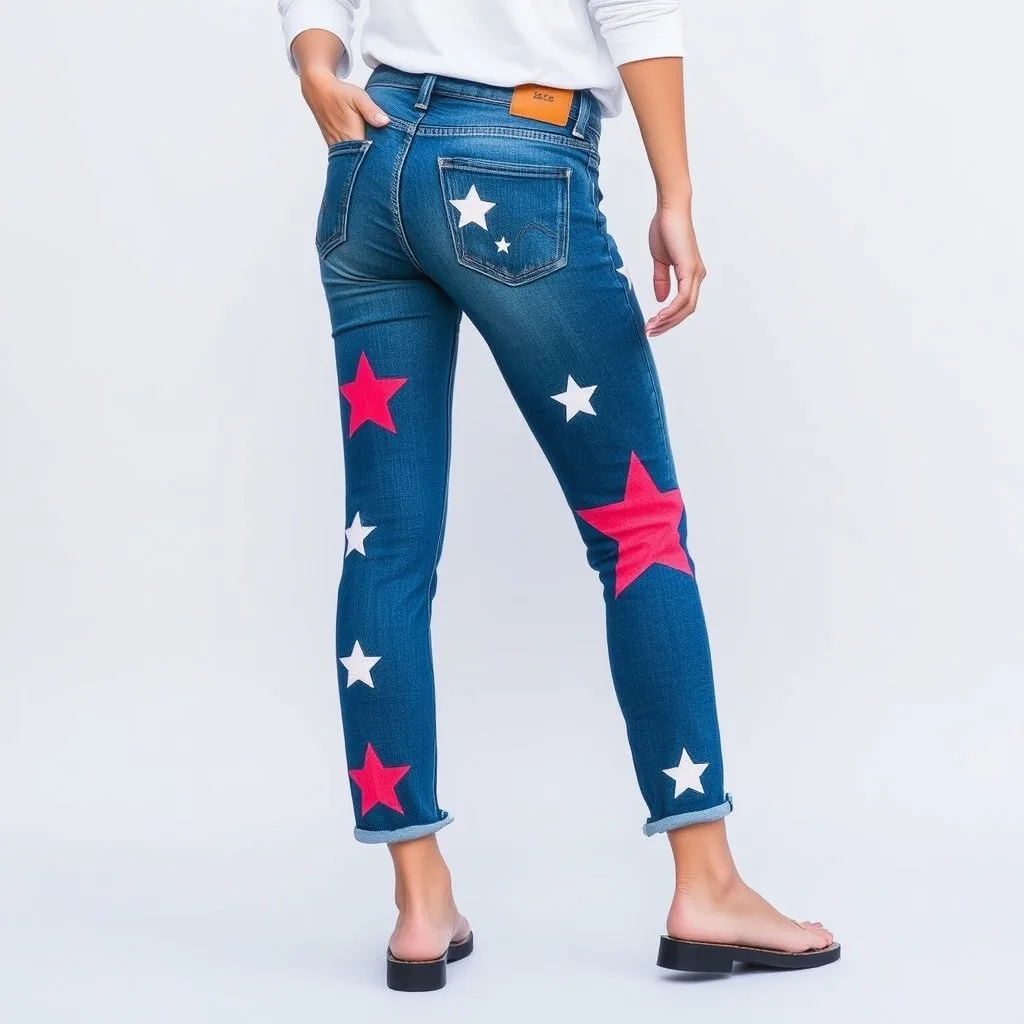
School Colour Stencilled Stars
Stars remain a classic motif that fits almost any school spirit theme. Select two colours that match your school pride and use sponge brushes to dab paint onto the fabric. Layering different sizes of stars creates depth and prevents the design from looking flat. Start from the hem and work your way up to the knee for a gradient effect. This approach is forgiving since star shapes look intentional even if they are not spaced with geometric precision. Consider using a heat set paint to ensure the design survives multiple wash cycles. Remember that heavier canvas or thick denim requires more paint coverage than thinner materials, so budget your supplies accordingly.
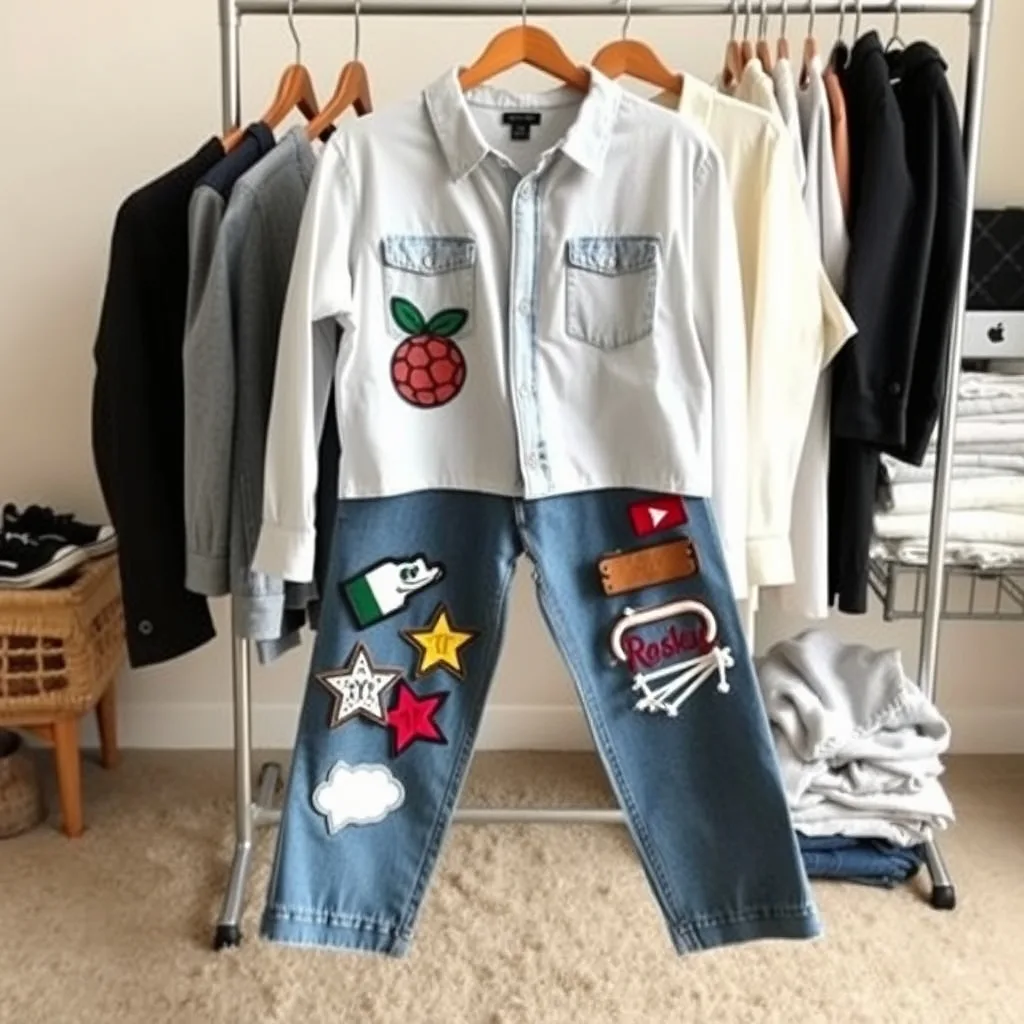
Iron On Patch Collage
Patches offer the fastest way to customize denim without needing artistic skills. Gather a collection of embroidered shapes that reflect your hobbies, sports, or graduation year. Arrange them on the front of the thighs before applying heat. Place a thin cloth between the iron and the patches to protect the fabric from scorching. This method allows you to remove or rearrange items if your interests change during the year. One downside is the risk of patches peeling after many washes. Use a needle and thread to secure the edges of each patch for long term durability. This extra step ensures your design stays put through busy school days.
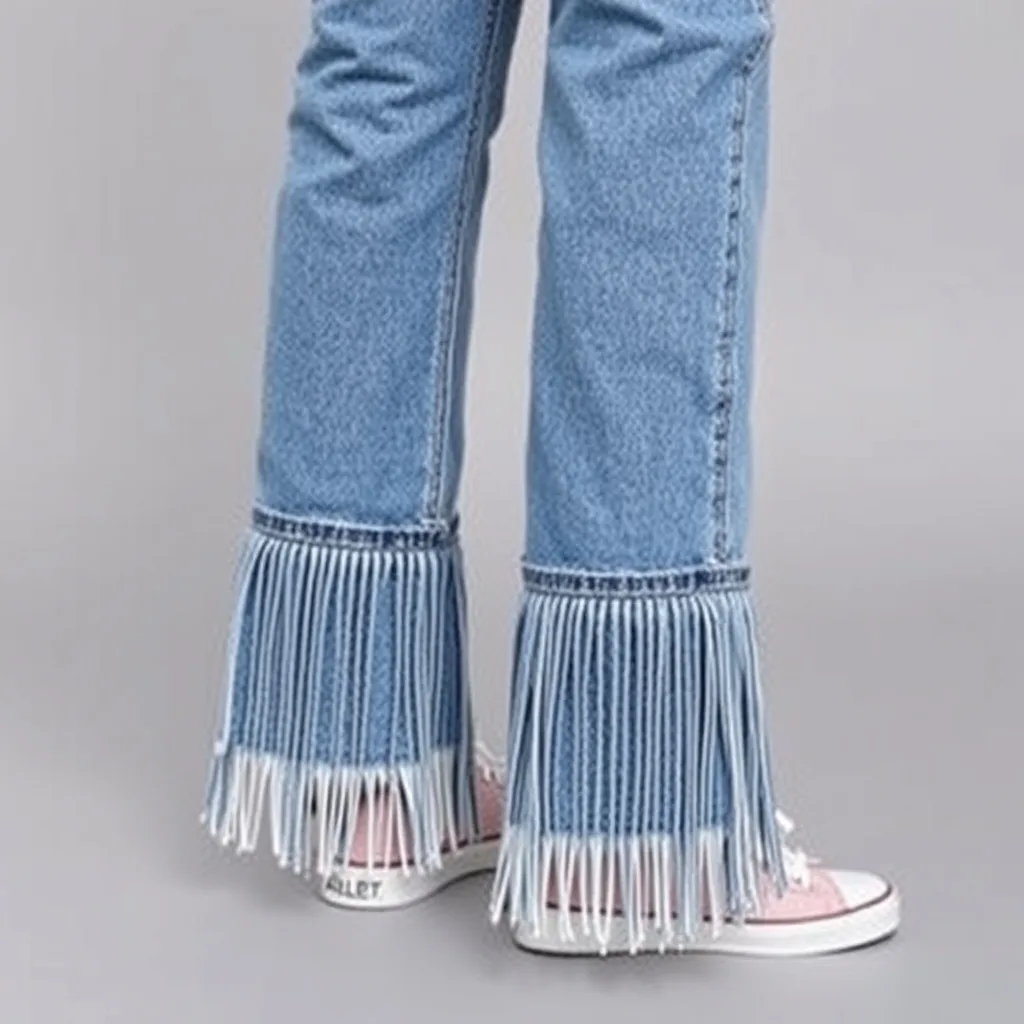
Fringe Hem Detail
Sometimes the best modification involves the structure of the garment rather than added colour. Use a seam ripper to remove the existing hem at the bottom of your jeans. Pull out the horizontal threads with tweezers to reveal the vertical fringe. This creates a relaxed, worn in vibe that pairs well with sneakers or boots. You can control the length of the fringe based on how many rows you pull. Be careful not to pull too far up the leg or the fabric may fray beyond repair. This style works best with straight leg or wide leg cuts. It is a low-cost update that adds movement to your outfit.
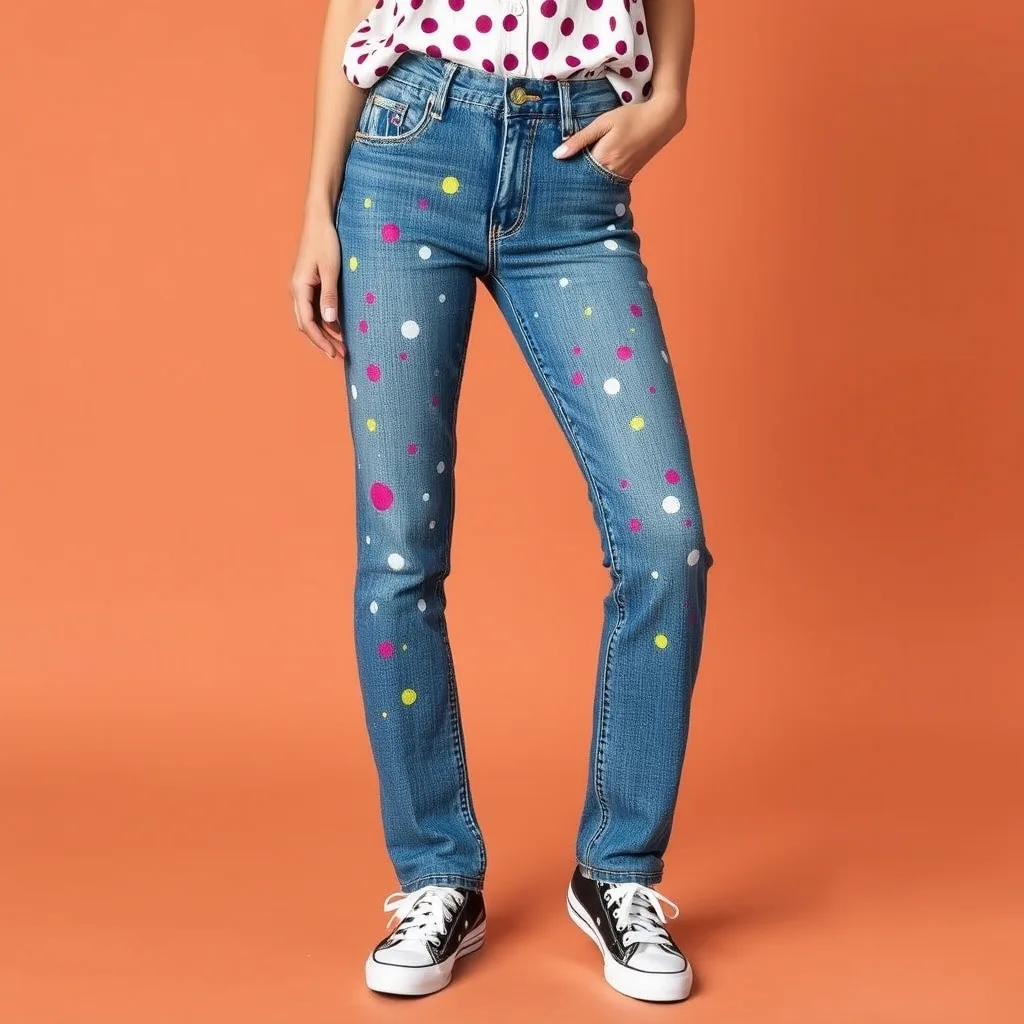
Polka Dot Splatter
The splatter technique creates an energetic look with minimal effort. Dip a stiff bristle brush into fabric paint and flick it against your jeans. Protect your workspace with a large drop cloth because this method creates a wide spray. Use one colour for a clean look or multiple shades for a vibrant finish. This style hides minor stains or wear that might accumulate throughout the year. Avoid thinning your paint too much or it will soak through to the back of the legs. If you want a more controlled pattern, use a circular stencil to block off sections before you begin the splatter process.
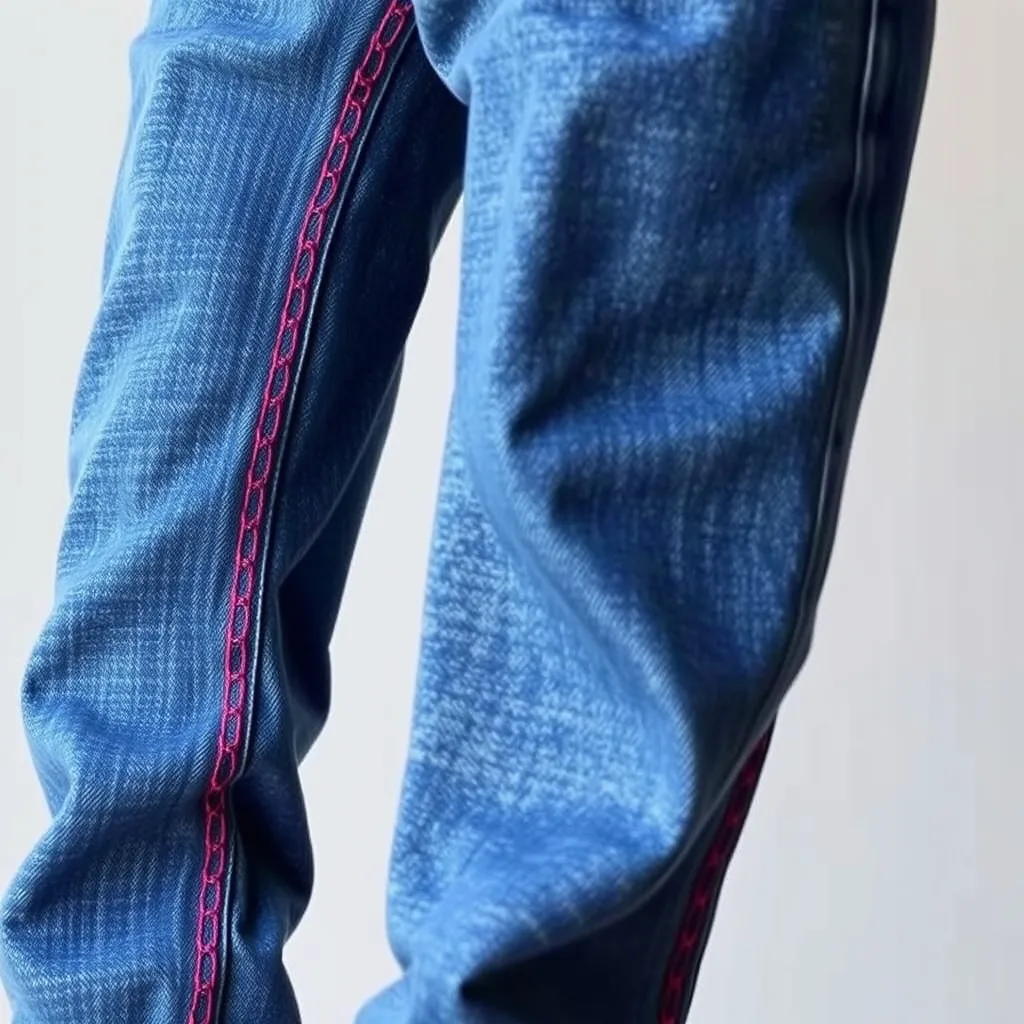
Contrast Stitching Highlights
Enhance your existing seams by going over them with a thick embroidery thread. Select a bright shade that contrasts with the denim wash. Use a simple running stitch along the outer leg seams and around the pockets. This technique adds texture and a hand-crafted feel to basic trousers. It requires patience but produces a high-quality result that looks like a designer garment. If you find the needle difficult to push through heavy denim, use a thimble for protection. Note that this method is permanent, so ensure you enjoy the colour choice before you commit to the entire length of the jeans.
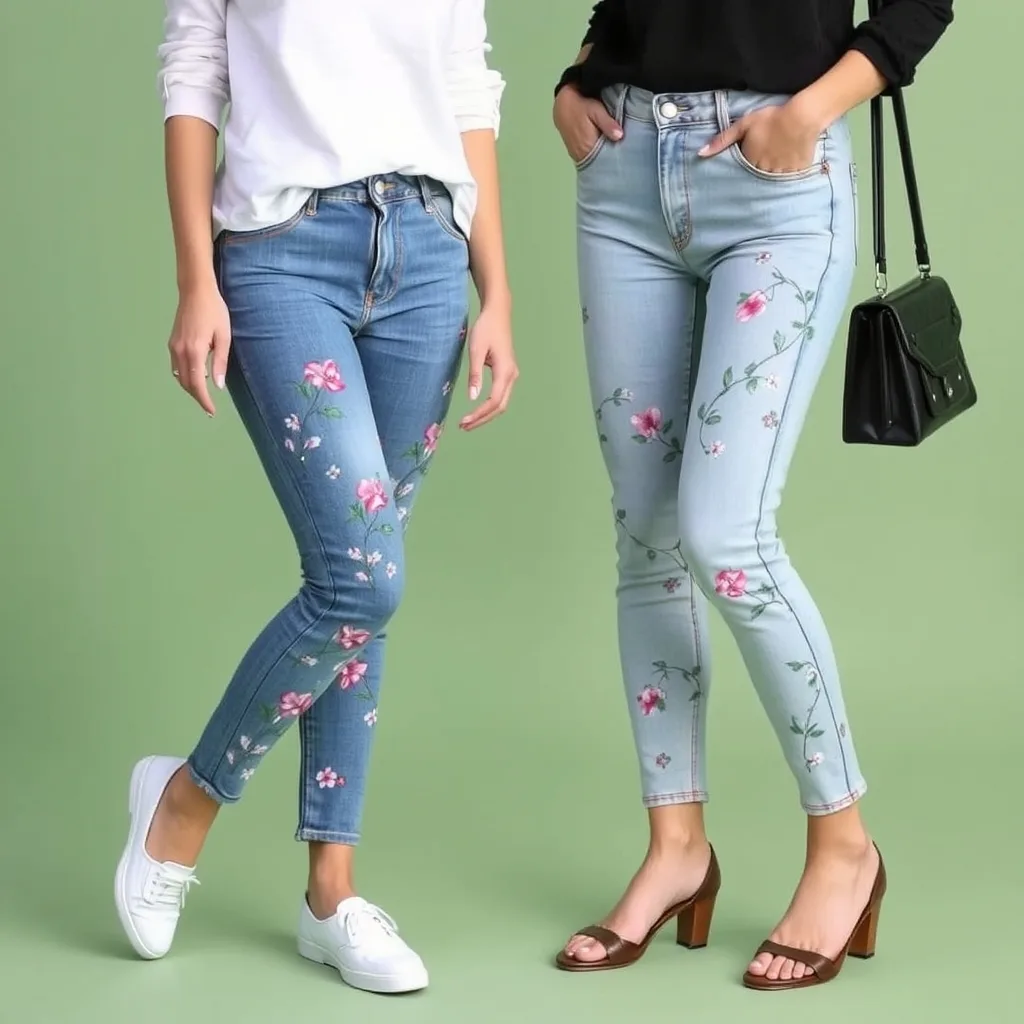
Fabric Painted Floral Vines
Floral motifs add a soft aesthetic to sturdy denim. Use a thin brush to paint winding vines that travel up one leg. Add small leaves and petals in varying sizes to create a natural flow. You do not need to be a painter to succeed here. Focus on simple shapes and let the overlapping lines create the complexity. If you feel overwhelmed, look at https://www.wikihow.com/Senior-Jeans-Ideas to see how simple shapes build into larger designs. Keep your paint layers thin to prevent the fabric from feeling stiff. This design looks great on light wash denim and pairs well with basic white tops or simple sweaters.
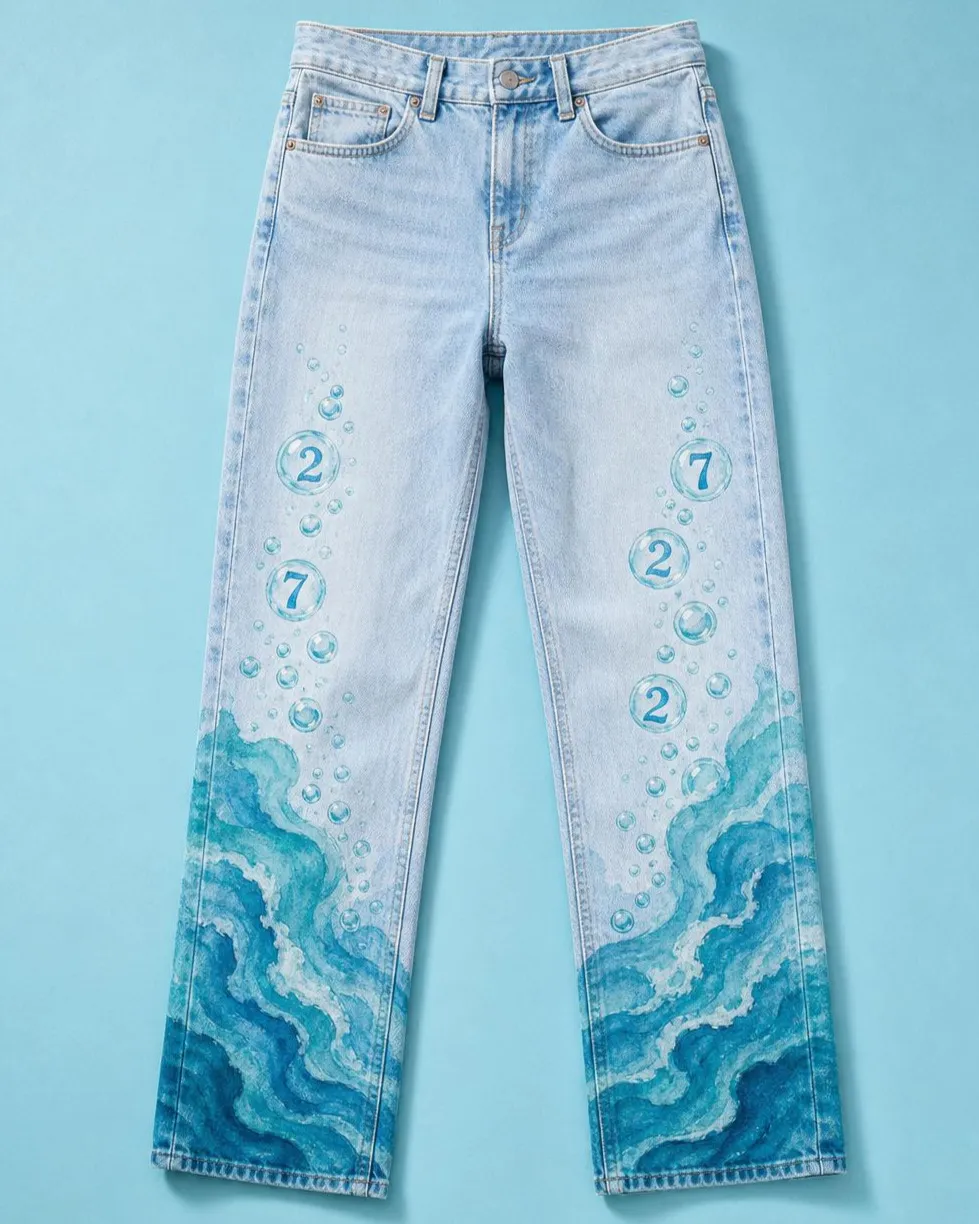
More in this vein: painted senior jeans ideas for class of 2027.
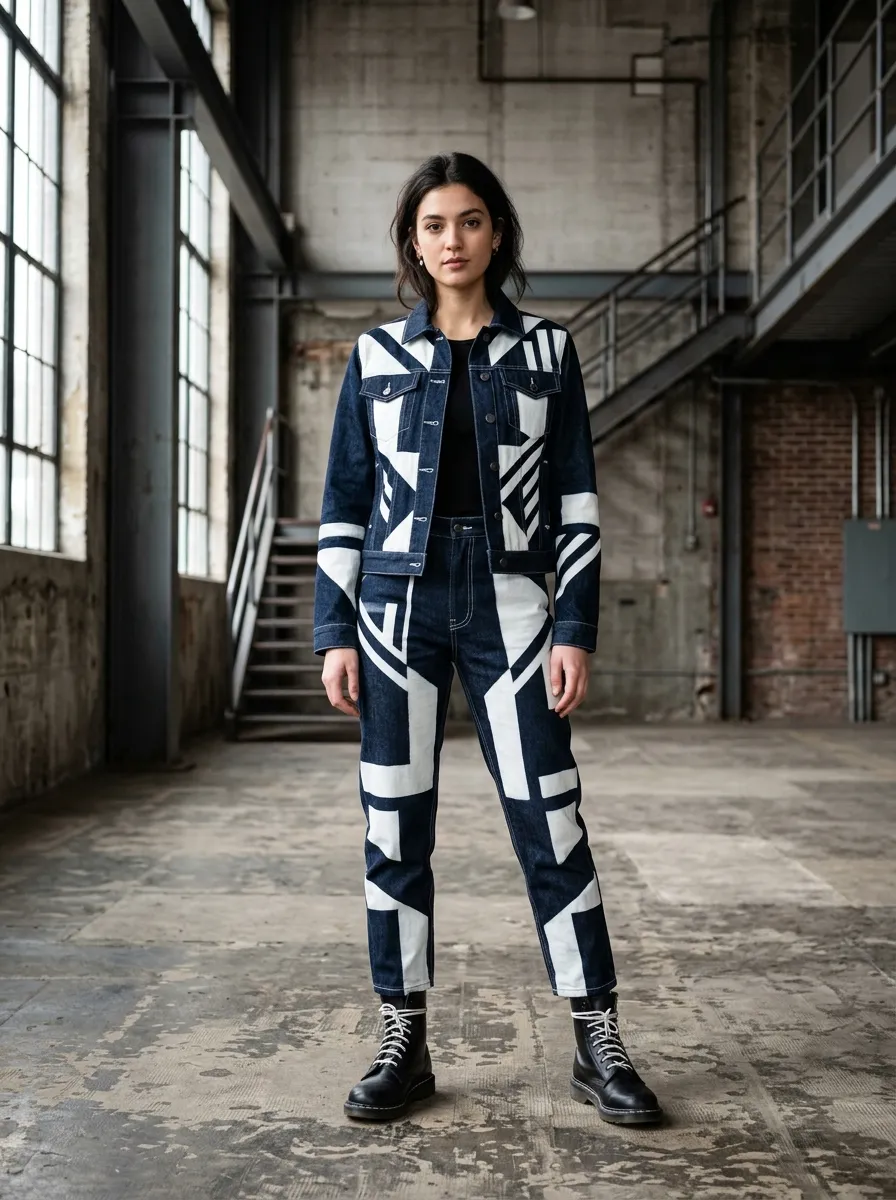
Bleached Pattern Blocks
Use a bleach pen to draw geometric shapes or words directly onto dark denim. The bleach removes the indigo dye and creates a permanent white design. Work in a well-ventilated area and wear gloves to protect your skin. Once the desired pattern appears, wash the jeans immediately to stop the chemical reaction. This method provides a sharp, crisp look that does not fade like paint. Be aware that bleach can weaken the fabric if left on for too long. Test a small area on the inside of the pocket first to see how the specific denim reacts to the bleach.
Safety Pin Accents
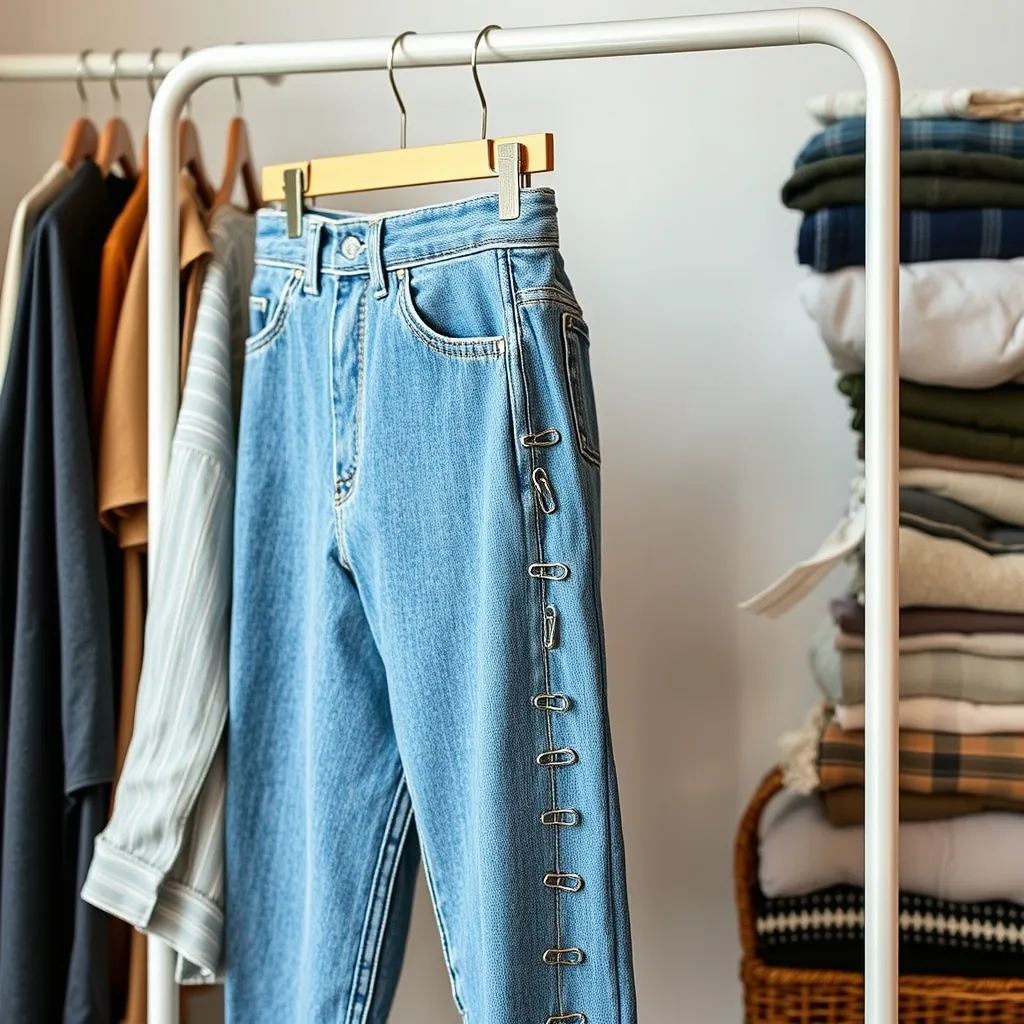
Safety pins offer a temporary and edgy way to decorate your jeans. Use them to create clusters near the pockets or down the side seams. Choose pins in different sizes or finishes like silver, gold, or matte black. This idea is completely reversible, making it a great choice if you want to change your look frequently. Grouping the pins tightly creates a metallic texture that catches the light. One practical trade-off is the risk of the pins catching on other fabrics or snagging your skin. Ensure all pins are closed securely before you head out to class or a school event.
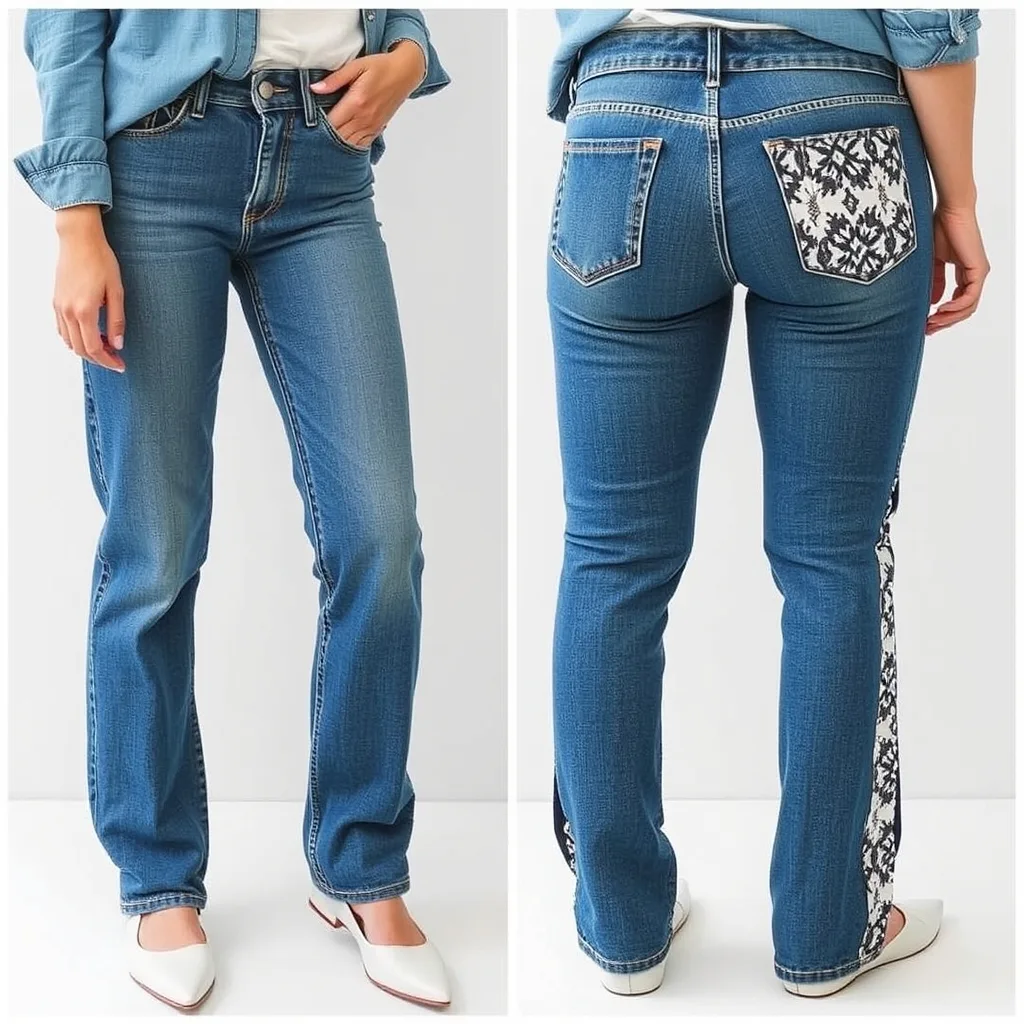
Fabric Panelled Inserts
If you have an old shirt or a piece of patterned fabric you love, use it to create panels. Cut a slit in the side or back of your jeans and sew the fabric underneath the opening. This adds a pop of colour or prints that reveals itself when you move. It is a creative way to repurpose materials while making your senior jeans unique. Use a sewing machine for a sturdy seam, or a simple whip stitch if you prefer a visible, raw edge. This design works best on relaxed or baggy fits where the fabric has room to show through the opening.
A closer look at this is in creative senior jeans 2027 painting ideas.
Celebrate Your Final Year
Your senior jeans serve as a canvas for your journey. Whether you choose paint, patches, or simple stitching, the final result represents your unique style. Take your time to enjoy the process of making these your own. When you finish your project, share this guide with a friend who needs inspiration for their own pair. Save this article for a later date when you are ready to start your next creative project.
Common Questions About Senior Jeans
What kind of paint works best on denim?
Use acrylic paint specifically labelled for fabric. These formulas contain a binder that allows the paint to flex with the denim without cracking. Standard craft paints often become brittle and flake off after a few washes. Always heat set your design with an iron after the paint dries to ensure long term durability.
Can I wash my customized jeans in a machine?
Yes, but you must take precautions. Turn your jeans inside out before placing them in the machine to protect the exterior design from friction. Use a gentle cycle with cold water and a mild detergent. Avoid bleach or heavy spinning cycles. Air drying is always safer than using a hot dryer, which can damage painted or patched details.
How do I ensure my design does not bleed through to the other side?
Place a piece of cardboard or a thick towel inside the leg of your jeans before you begin painting. This creates a barrier that prevents paint from soaking through to the back layer of the fabric. Keep your layers thin and allow each one to dry completely before applying more paint to maintain a clean finish.
What if I make a mistake while painting?
If the paint is still wet, wipe it away immediately with a damp cloth. If the paint has dried, you can try to cover the error with a patch or a different design element. Alternatively, use a small amount of rubbing alcohol on a cotton swab to lift light paint stains, though this may fade the surrounding denim colour.
Are there budget friendly alternatives to buying new jeans?
Absolutely. Thrift stores are an excellent source for denim. Look for jeans that fit your preferred silhouette regardless of the condition of the fabric, as your customizations can cover small imperfections. You can also repurpose a pair you already own that has fallen out of your regular rotation. This saves money and keeps clothing out of landfills.
Want to keep going? painted denim shorts ideas for senior women's summer and hoco jeans: 8 painted denim ideas for homecoming are good next reads.