How Back Pocket Jeans Can Flatter Your Shape After 50
How to use this guide
These are editorial styling suggestions, not a one-size-fits-all formula. Adapt each look to your wardrobe, proportions, climate, comfort, budget, and the occasion; the most useful idea is the one you can genuinely wear.
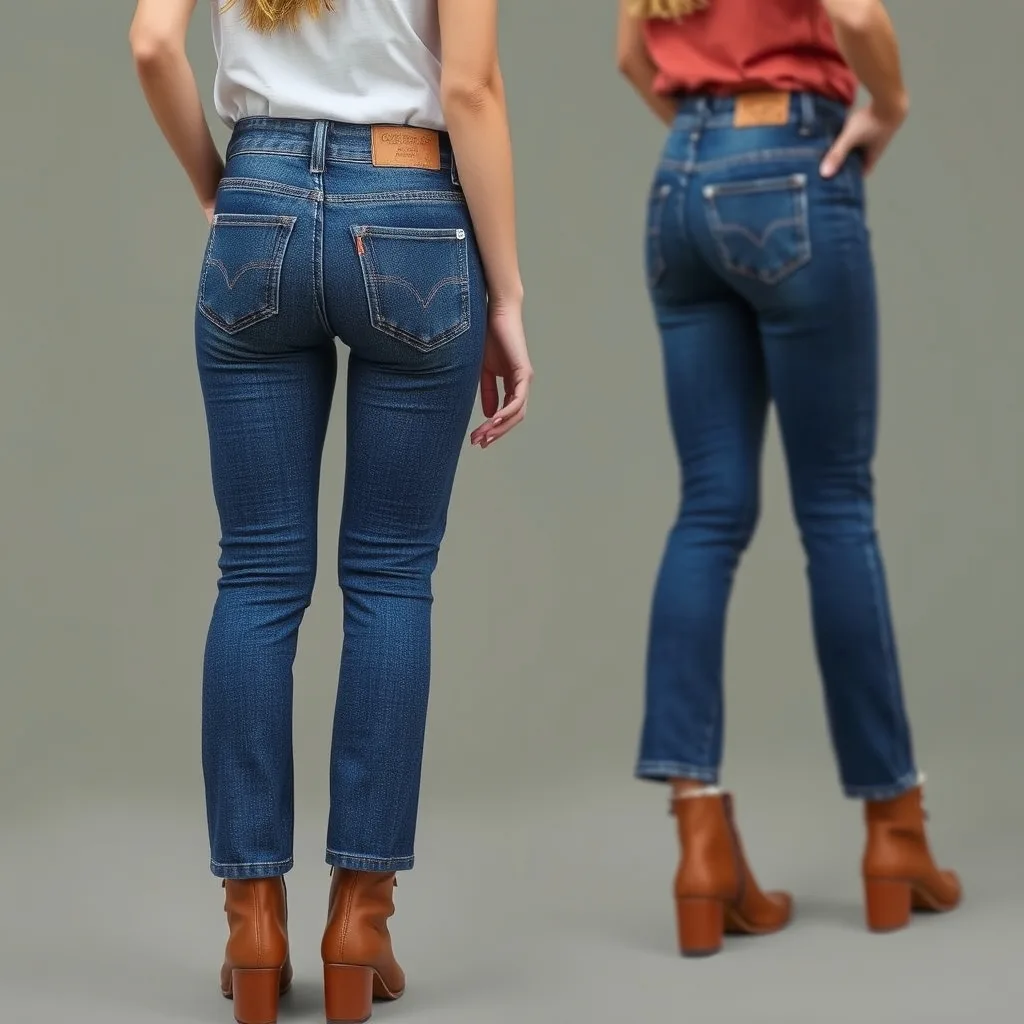
Picture the fitting room mirror from behind. The jeans fit at the waist, the length is right, yet something about the seat looks off — flat, wide, or just undefined. Nine times out of ten, the culprit is not the cut of the leg or the wash. It is the back pocket: its size, its placement, and the stitching on it. That small square of fabric decides whether the seat looks lifted or flattened, whether the waistband gaps, and whether the leg line reads long or short.
This guide treats the back pocket as a fit tool rather than decoration. Below are twelve pocket designs, each matched to the body type it suits best, with a fitting-room check for every one, followed by a placement table and the two measurements that decide whether jeans fit after 50. Read the pocket first, and the rest of the fit falls into place.
The Timeless Double Arc Stitch
Pocket design: two small curved stitch lines, no flap, no hardware. Best body type: straight hips and a long torso, where a quiet pocket keeps the seat smooth. Fit check: the arcs should sit fully on the cheek, never half on the side seam.
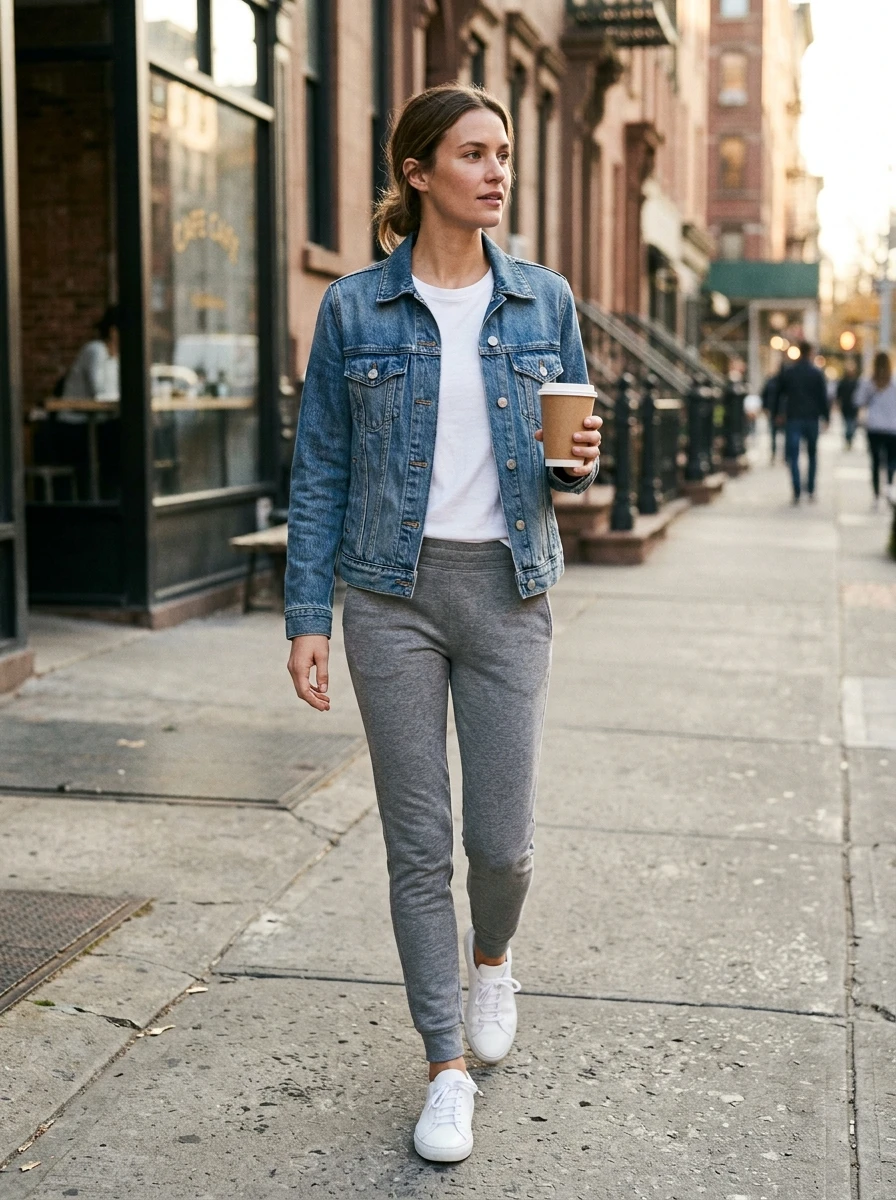
The double arc stitch remains the most wearable pocket design because it adds no bulk and draws no line across the body. A well placed arc visually lifts the seat, which matters more after 50, when a flat seat is the most common complaint about jeans. Wear it with: a denim jacket and dark jeans for a tone on tone look, or a light blouse in warmer weather.
Fabric note: the stitching should sit close to the pocket edge, and the arcs should be symmetrical; uneven stitching is the fastest way to spot a poorly made pair.
Contrast Stitching That Narrows the Hip
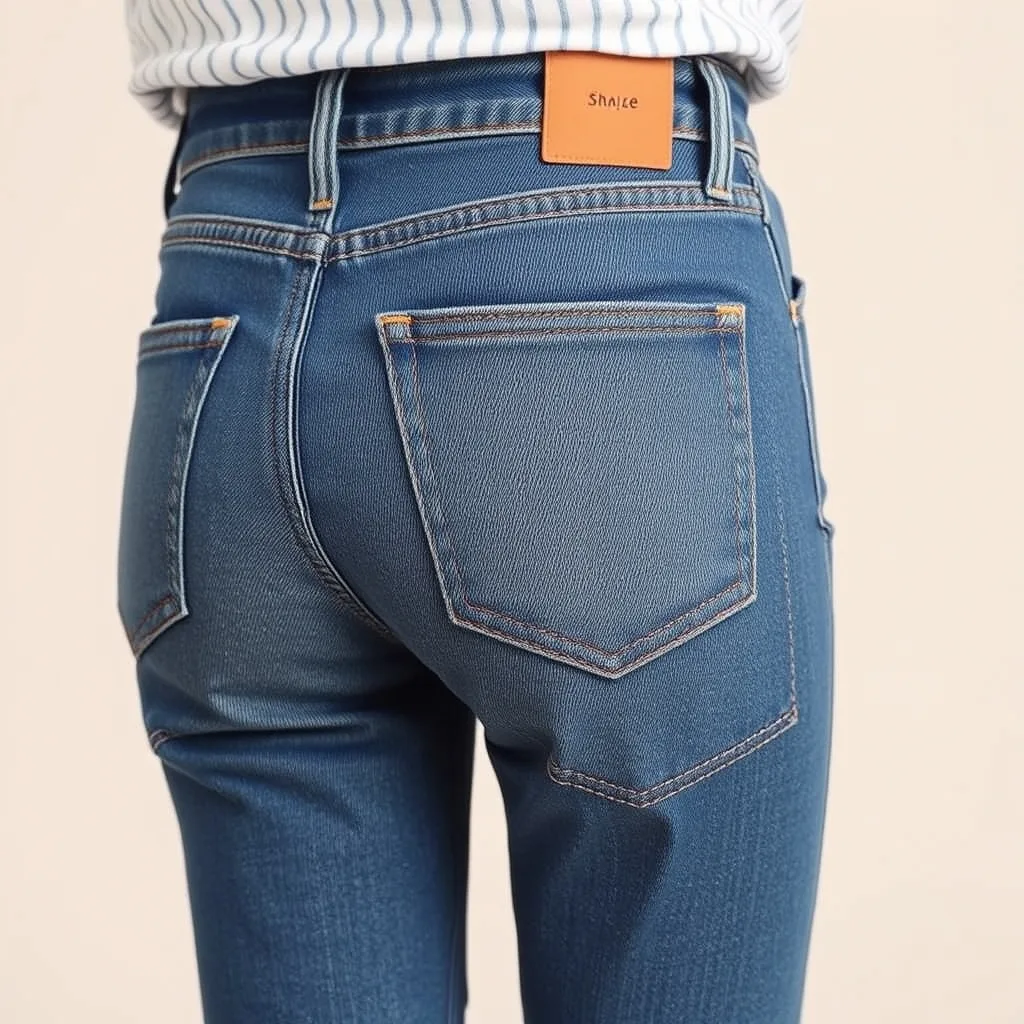
Pocket design: a single bold stitch in a contrasting thread color, usually gold or white on dark denim. Best body type: curvier hips, where the stitch line draws the eye to the center and narrows the visual width. Fit check: the stitch line should run straight; a wavy line means the pocket was sewn off grain.
Contrast stitching on a back pocket looks refined rather than flashy when the thread color matches another element of the outfit, like a belt or a pair of shoes. The stitch pulls the eye upward, which helps balance a fuller hip line. A fitted denim jacket in a similar wash creates a cohesive look, while a white button down underneath keeps things crisp. For a softer take, pair the same pocket design with a cream cardigan or a neutral top.
Fit note: let one detail lead. If the stitch is bold, the rest of the outfit stays quiet.
The Minimalist Single Line
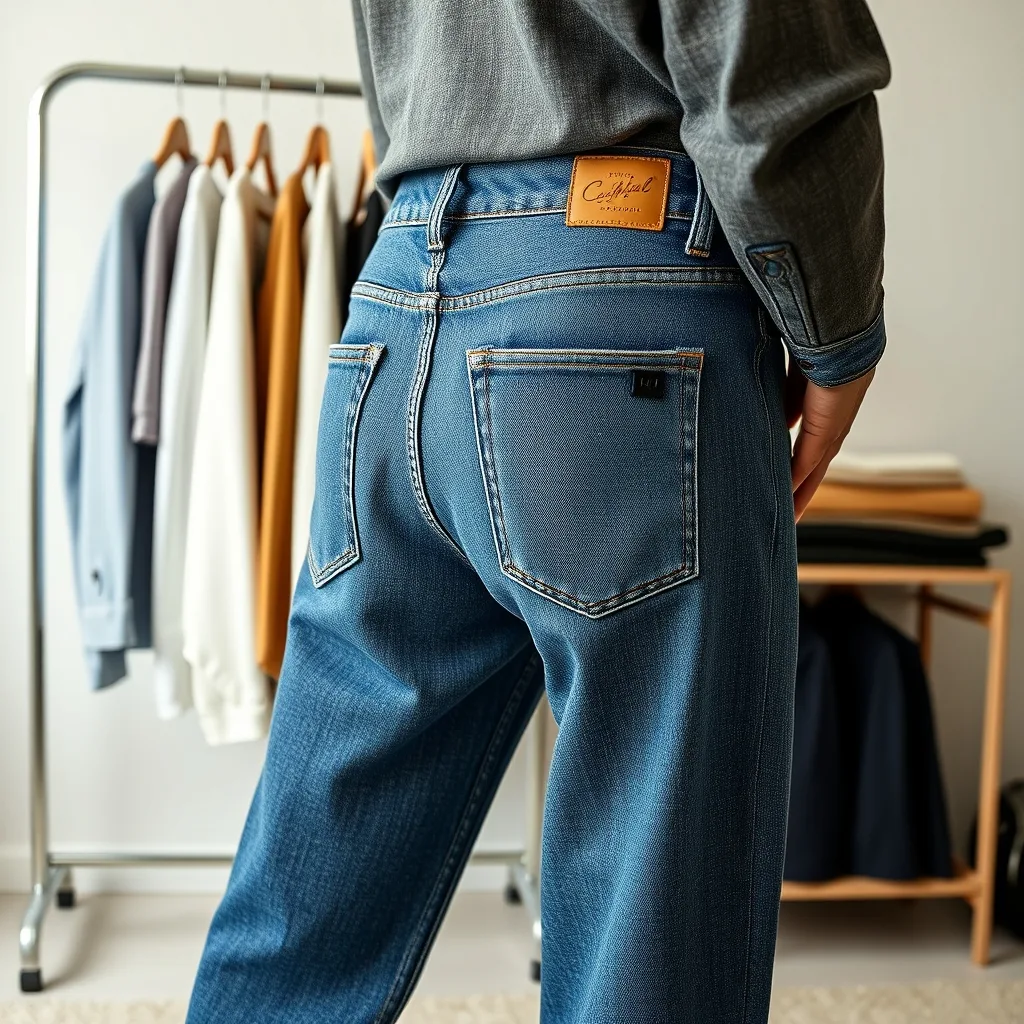
Pocket design: one straight stitch line, no curve, no decoration. Best body type: petite frames, where any extra detail crowds a small seat. Fit check: the pocket should end at least two fingers above the under buttock crease; lower than that and it drags the eye down.
A minimalist single line stitch brings a clean, tailored look to the back pocket, and it is the safest choice for women who prefer understated style. Without decorative elements, the focus shifts to fit and fabric quality, which is exactly where it belongs after 50. This design pairs well with structured blazers or long cardigans, creating a polished silhouette that feels intentional rather than plain. The clean lines work with both light and dark washes, making it easy to style across seasons.
Wear it with: a white blouse tucked in, which reads crisp and modern without trying hard.
Floral Embroidery — A Gentle Way to Add Width
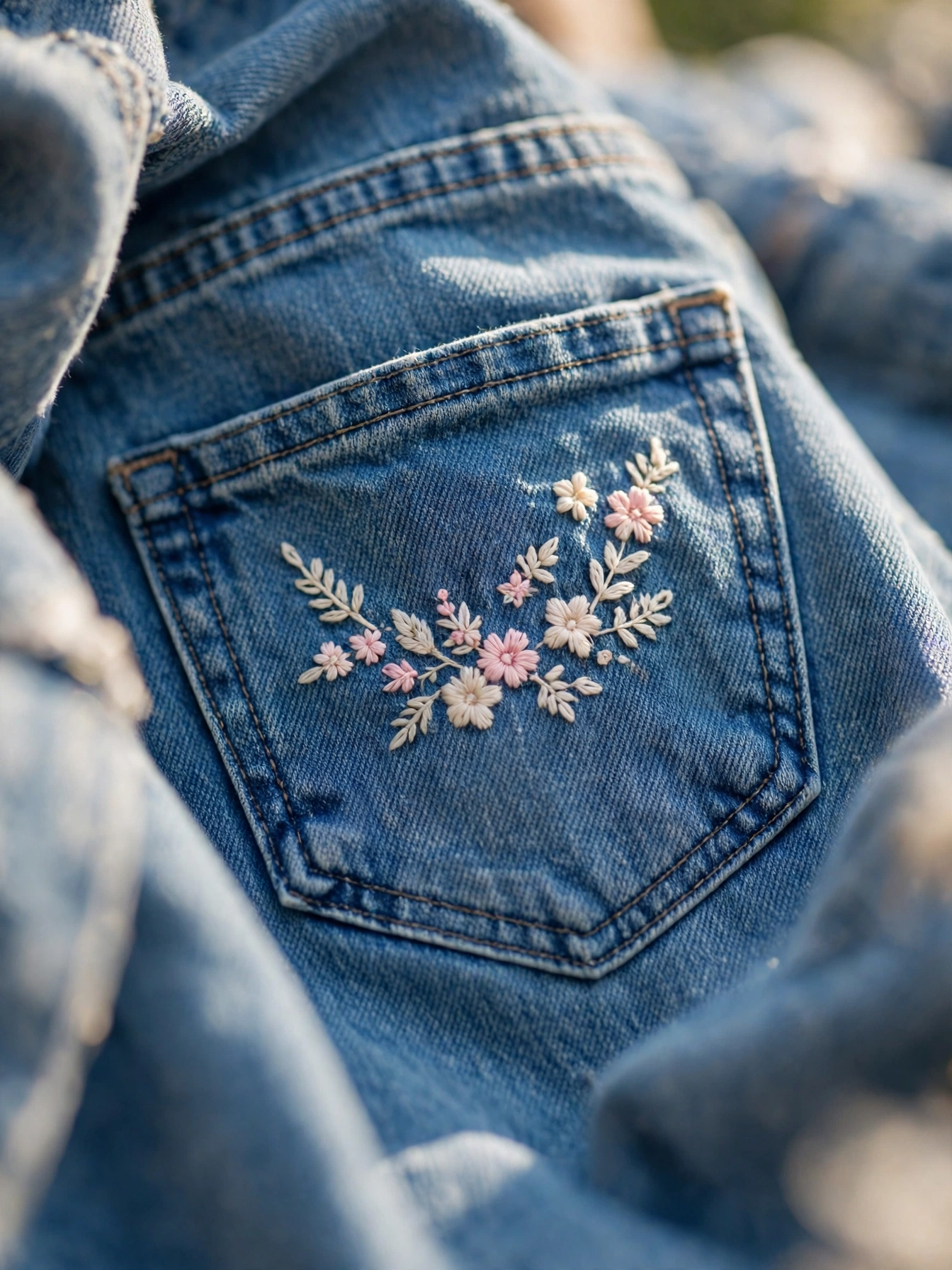
Pocket design: small floral embroidery inside the pocket outline, tone on tone or one accent color. Best body type: narrow hips, where the embroidery adds visual width exactly where it is wanted. Fit check: the embroidery should stay flat; puckering around the stitches means the fabric is too light for the design.
Floral embroidery adds a feminine touch to the back pocket without making the jeans feel young or costumey. The design works best when the embroidery color matches a top or accessory in the outfit, creating a subtle link rather than a loud statement. Pair this pocket style with a wide leg jean for a relaxed garden feel, or with a linen blouse for a warm weather brunch.
Care tip: avoid heavy embroidery on stretch denim, since the stitches will pull as the fabric moves. Wash inside out on a gentle cycle to keep the threads flat.
The Classic Embroidered Motif
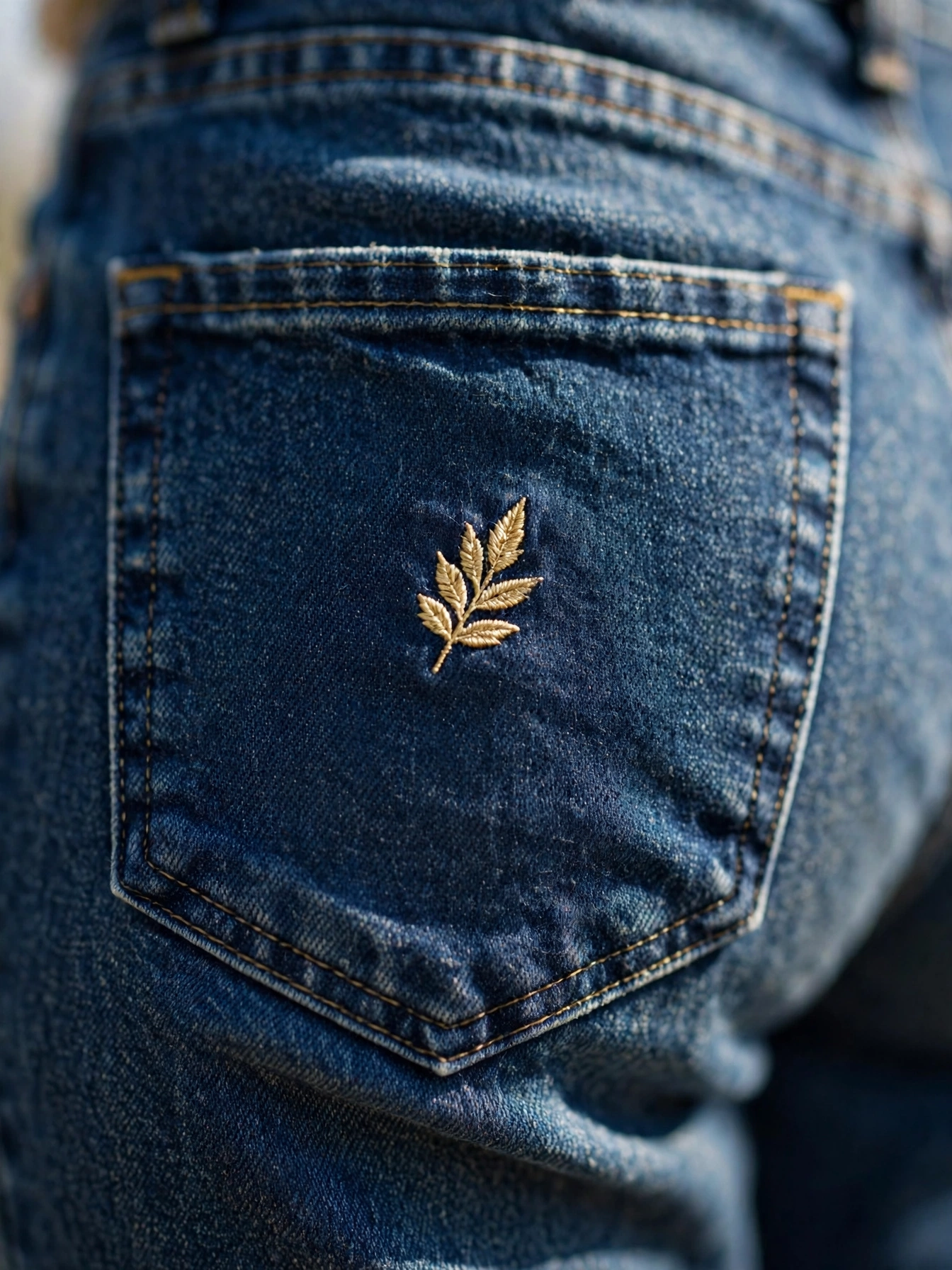
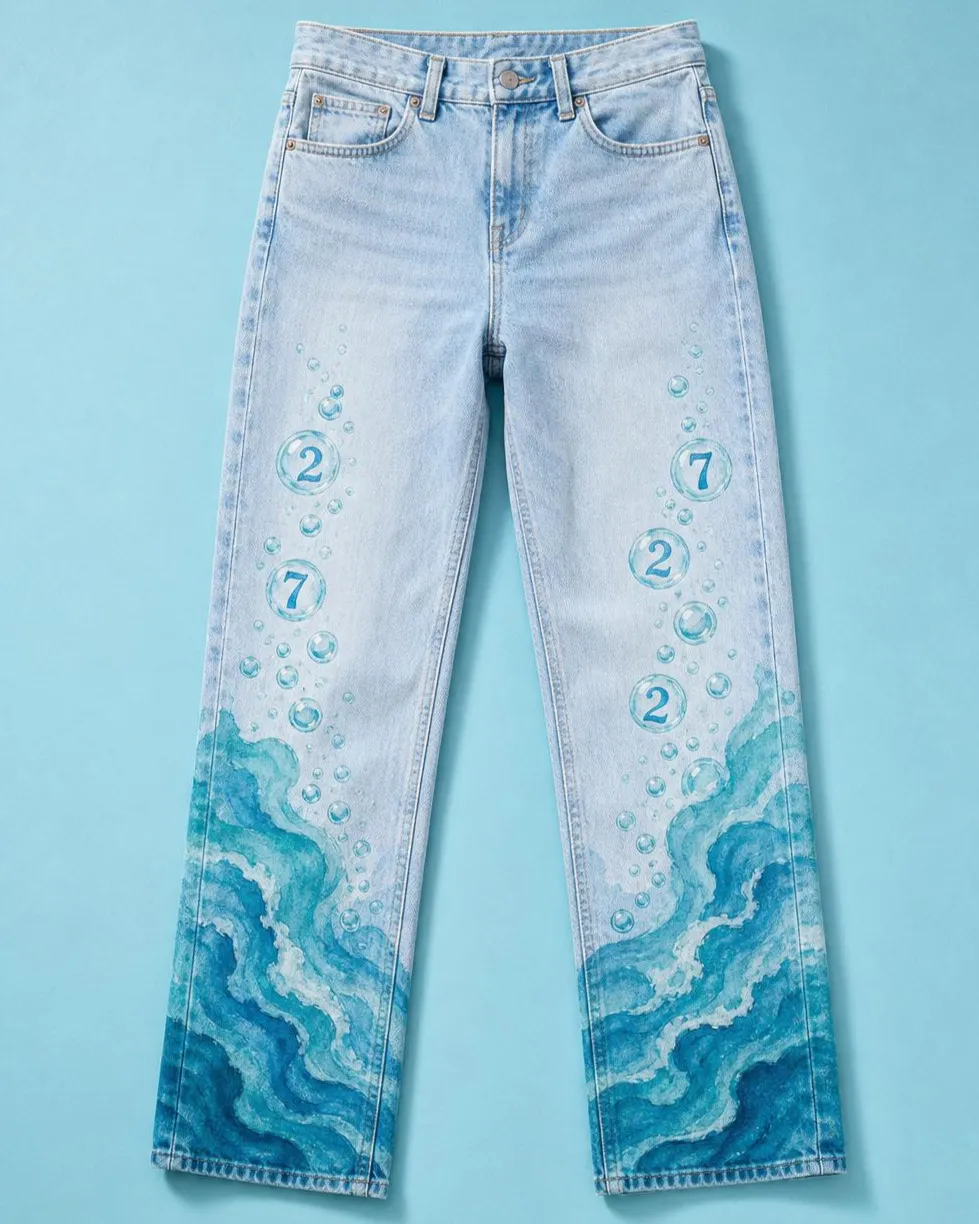
Pocket design: a small motif, a leaf or a wave, stitched in the center of the pocket. Best body type: fuller seats, where a centered motif anchors the eye and stops the pocket from looking lost. Fit check: the motif should sit in the middle of the cheek, not drift toward the side seam.
The classic embroidered motif adds a touch of personality to the back pocket without overwhelming the design. Keep the rest of the outfit simple so the detail reads as a choice, not an accident: a plain tee and a casual jacket work well here. Embroidered pockets have a timeless appeal that works across ages, but the motif size matters; a small motif is elegant, a large one is a statement. Choose the small one unless you want the pocket to be the outfit.
Fabric note: dense embroidery sits best on rigid or low-stretch denim, where the motif holds its shape through the wash.
Geometric Angles for a Straighter Seat
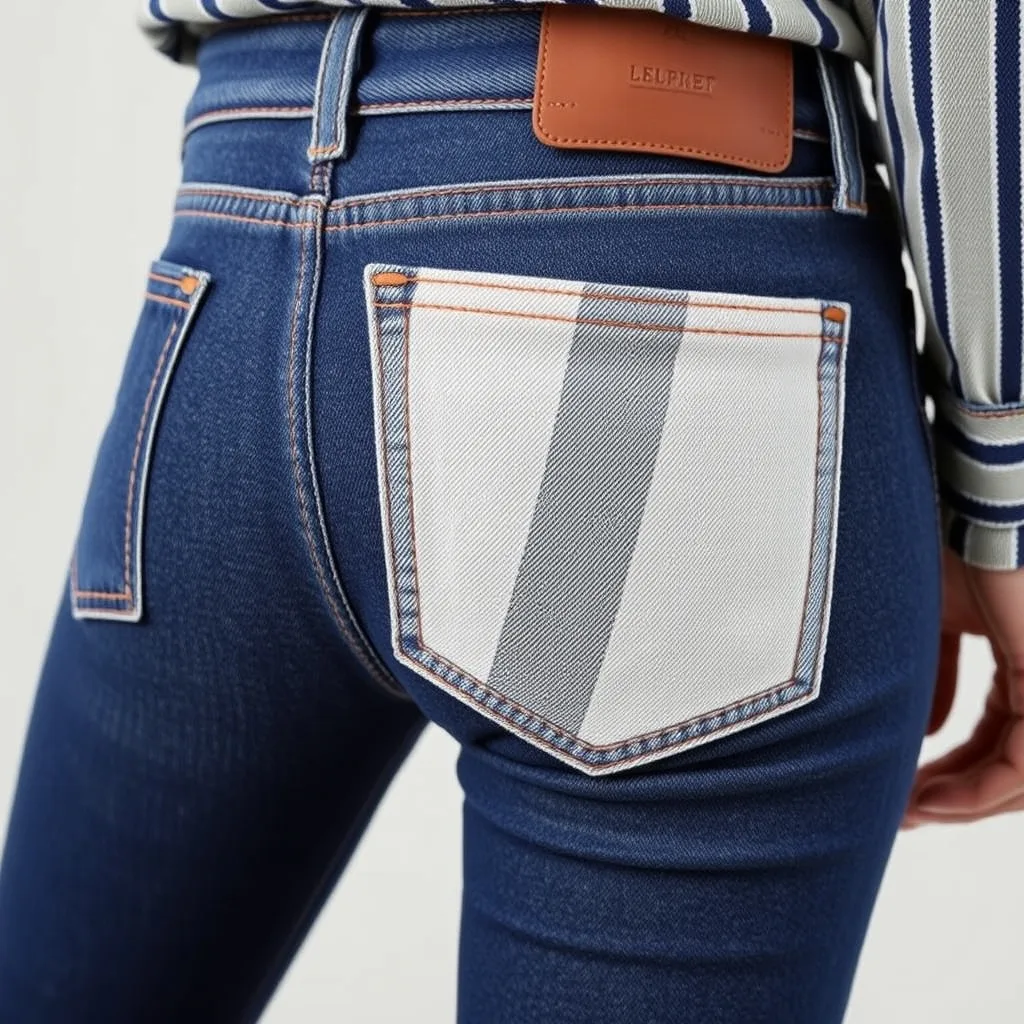
Pocket design: triangles or chevrons stitched in a geometric pattern across the pocket. Best body type: athletic builds, where the angles add shape to a straight seat. Fit check: the pattern should be symmetrical left and right; asymmetry reads as a factory error.
Geometric patterns bring a modern edge to the back pocket, and they work best when the rest of the outfit stays solid colored. A red top or a bold scarf can echo the pattern without competing with it. This design is the loudest on this list, so it belongs on occasions where a bit of personality is welcome: art fairs, weekend lunches, creative workplaces.
Wear it with: dark wash jeans, so the pattern reads as a design choice rather than a novelty.
The Vintage Inspired Stitch
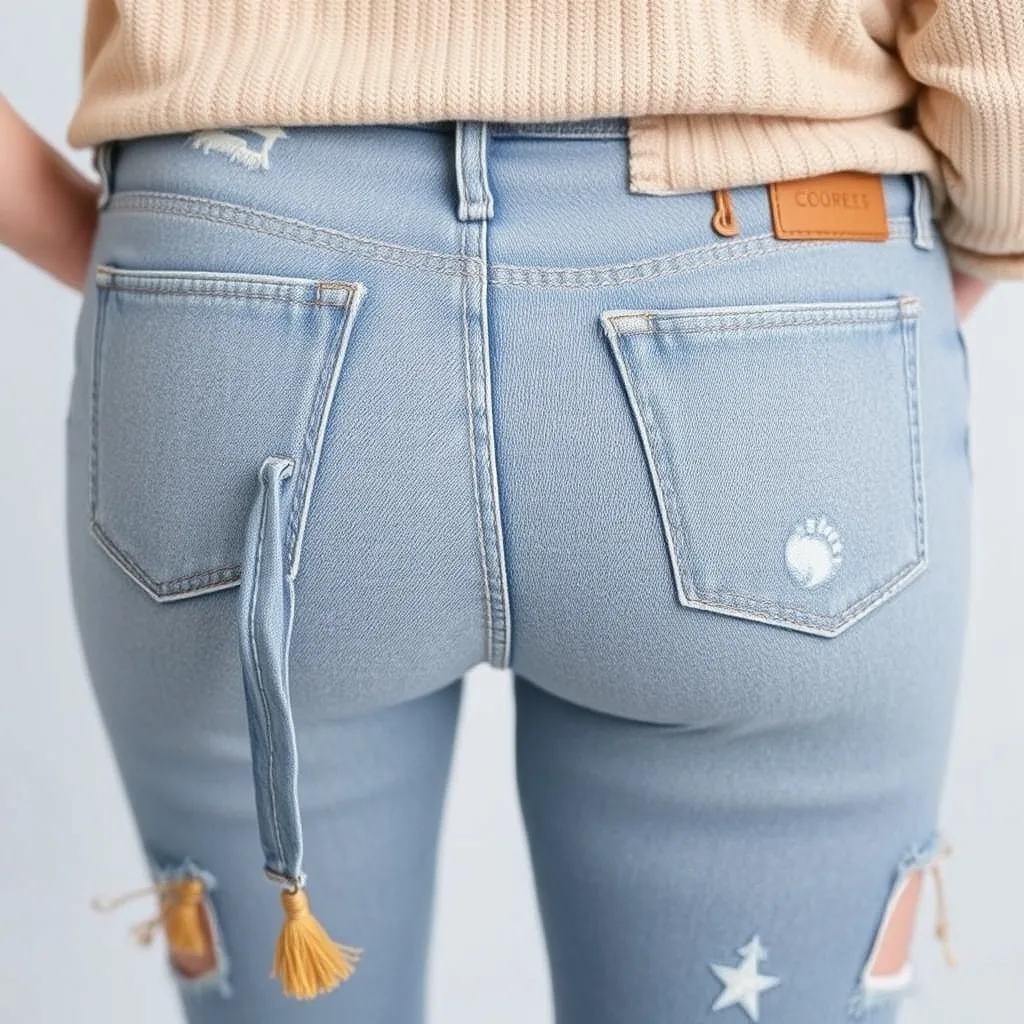
Pocket design: a faded arc stitch in a slightly darker thread, meant to look worn in. Best body type: any body type, since this is the most forgiving design on the list. Fit check: the fade should be even across both pockets; a patchy fade means the wash process was uneven.
A vintage inspired stitch gives the back pocket a lived in feel, as if the jeans have been loved for years. The design pairs naturally with retro accessories like a bandana or a pair of worn leather boots. For a casual day out, match these jeans with a minimalist sneakers and a simple top; the vintage stitch does enough work on its own.
Care tip: this design also hides wear well, which makes it a practical choice for jeans that get worn often. A cold wash keeps the faded look from going patchy over time.
A Barely-There Stitch for Taller Frames
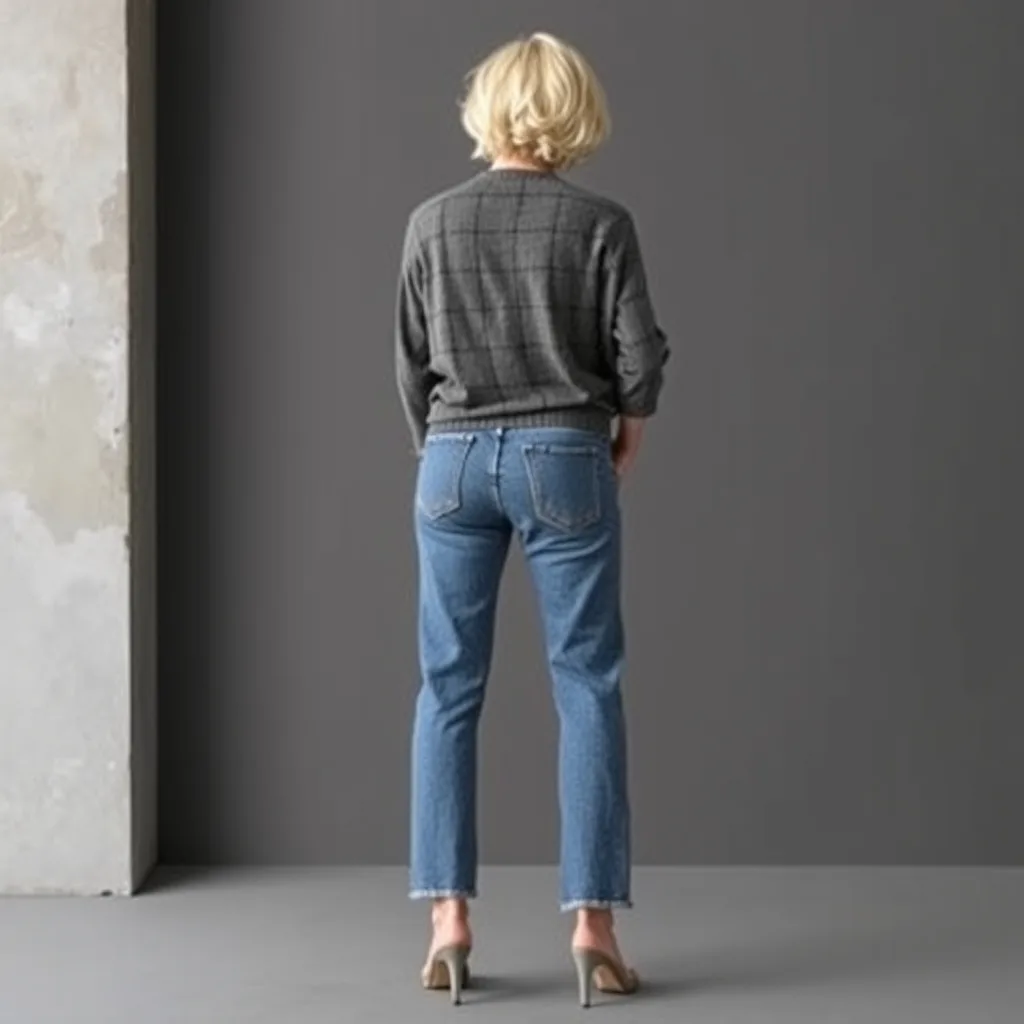
Pocket design: a single thin stitch in matching thread, barely visible. Best body type: taller frames, where the pocket can sit higher without looking crowded. Fit check: the stitch should be invisible from more than a meter away; if it shouts, it is not minimal.
A chic minimal stitch keeps the back pocket nearly invisible, which is the point. The design suits women who prefer a sleek, modern look and want their jeans to read as a clean base for the rest of the outfit. Pair this design with a black blazer and loafers for a polished finish, or with a silk blouse for an evening out. The minimal stitch also makes the jeans easier to dress up, since there is no decorative element competing with a formal top.
Fit note: on a taller frame, check that the pocket sits high enough to lift the seat rather than floating mid-cheek.
The Intricate Paisley Stitch
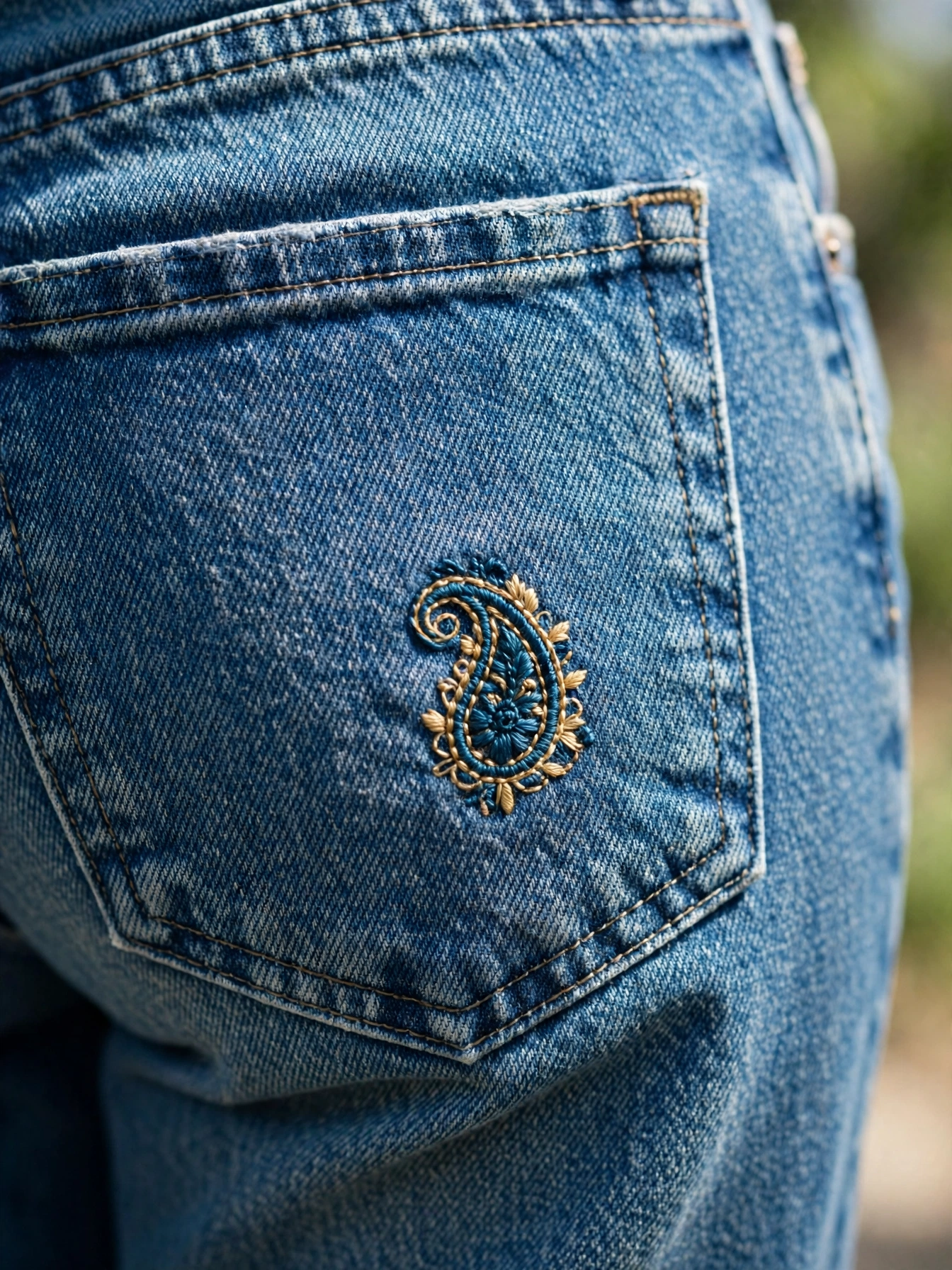
Pocket design: a small paisley motif stitched in two tones. Best body type: curvy figures, where the curved paisley shape echoes the body and looks intentional. Fit check: the paisley should be small, no larger than a coin; a large paisley overwhelms the pocket.
Paisley stitching adds an artistic flair to the back pocket, with a pattern that feels handcrafted rather than factory made. The design works well with bohemian style tops or flowy blouses in earthy tones. A green top and a pair of sandals complete a relaxed, artistic look.
Wear it with: solid colors only, so the paisley stays the single pattern in the outfit.
Diamond Lattice — Structure for a Pear Shape
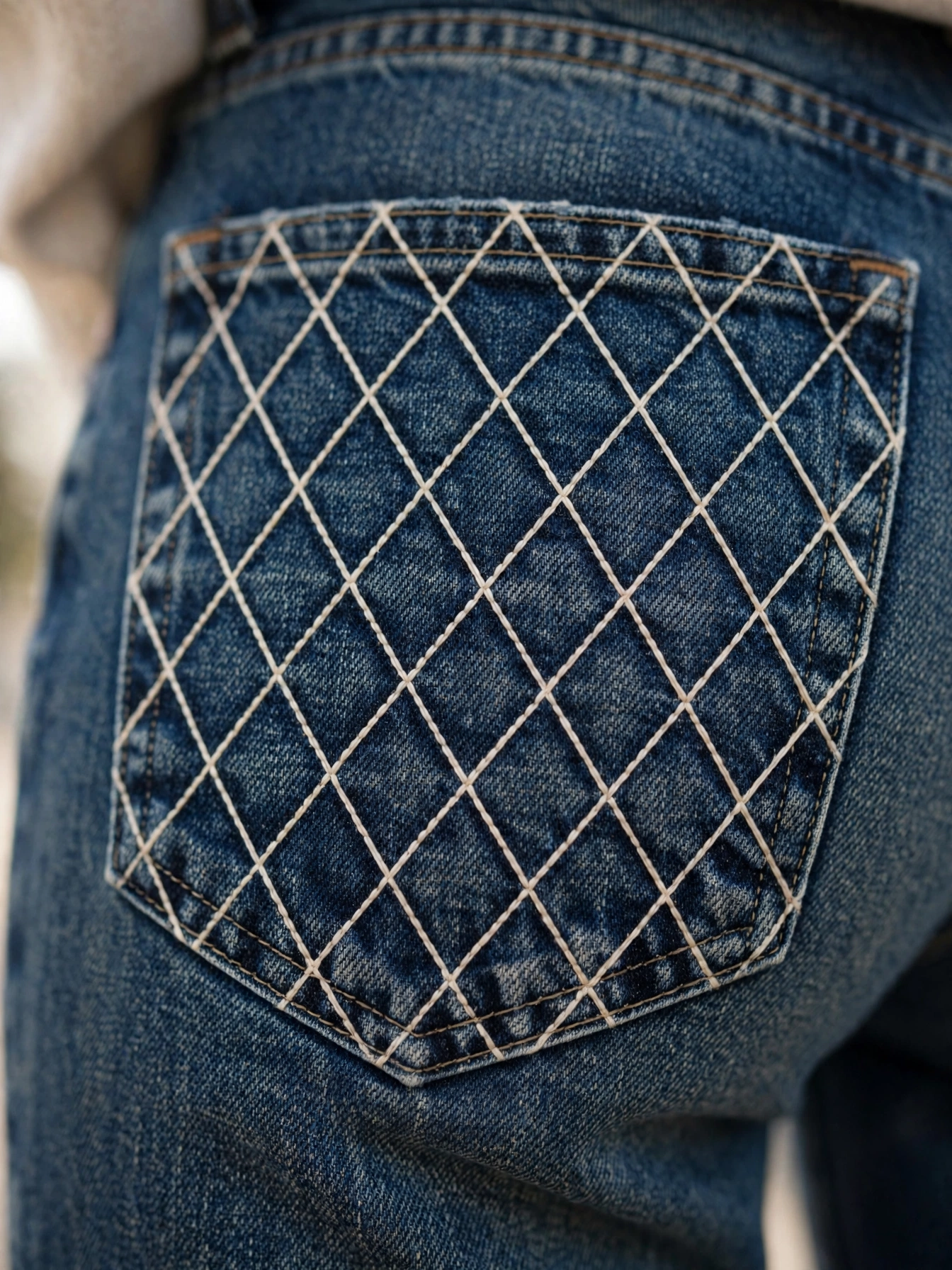
Pocket design: a diamond or lattice pattern stitched across the pocket. Best body type: pear shapes, where the diamond grid adds structure and width to a narrow upper seat. Fit check: the diamonds should be even and the lines straight; a crooked lattice is a quality red flag.
Diamond stitching brings a touch of sophistication to the back pocket, with a pattern that reads as tailored rather than decorative. The design pairs well with structured tops or a blazer, making it suitable for semi formal occasions. A white blouse and a pair of heeled boots elevate the look further.
Fabric note: keep the jeans in a dark wash so the diamond pattern stays subtle rather than loud.
The Rustic Western Stitch
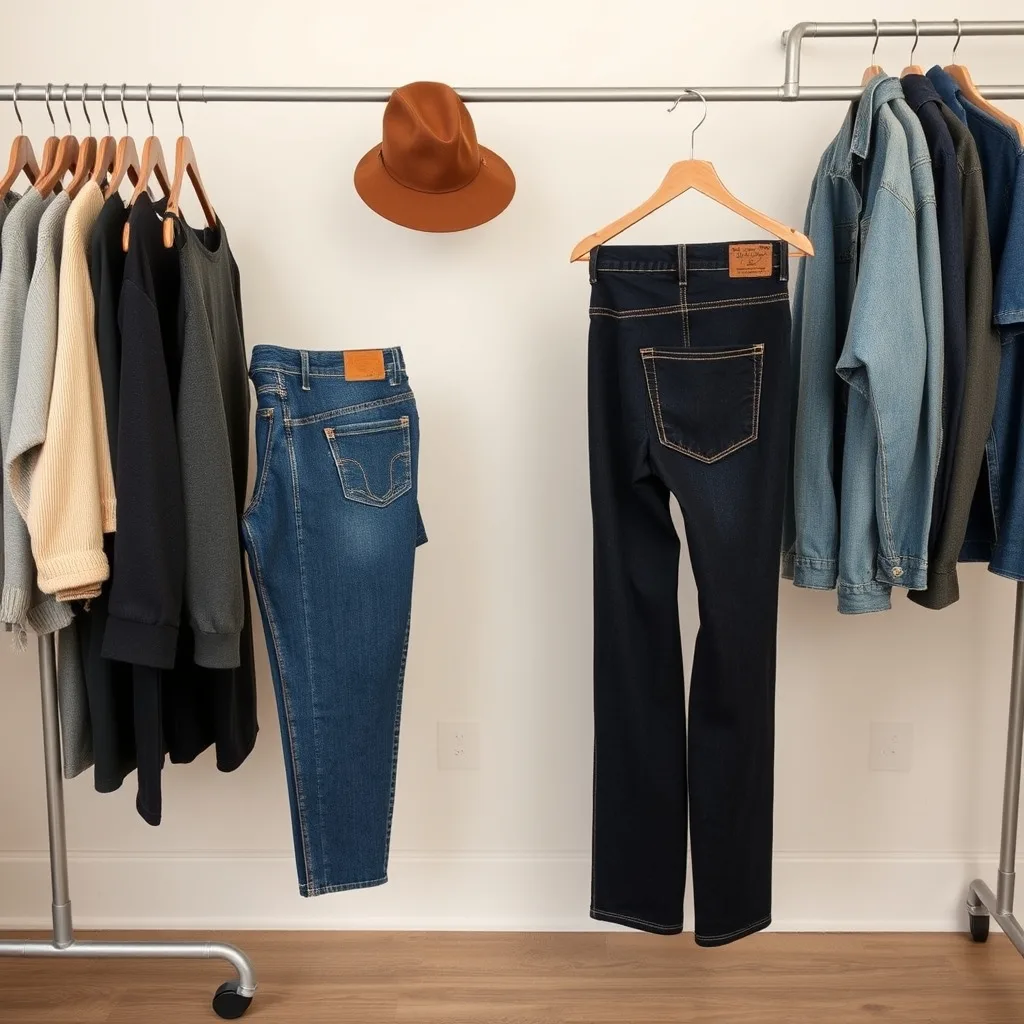
Pocket design: a wide arc stitch with a pointed center, the classic western shape. Best body type: tall frames, where the wide arc has room to breathe. Fit check: the point of the arc should sit at the center of the cheek; off center placement pulls the eye sideways.
Western stitching gives the back pocket a rustic, outdoorsy feel, and it pairs naturally with cowboy boots and a wide brim hat. For a casual day on a ranch or a country fair, match these jeans with a plaid shirt and a leather belt. The western arc is the widest pocket design on this list, which is why it suits taller frames best; on a petite frame it can crowd the seat.
Wear it with: a baggy jean with this stitch, which keeps the western mood without the tight fit.
A Flowing Swirl for the Hourglass
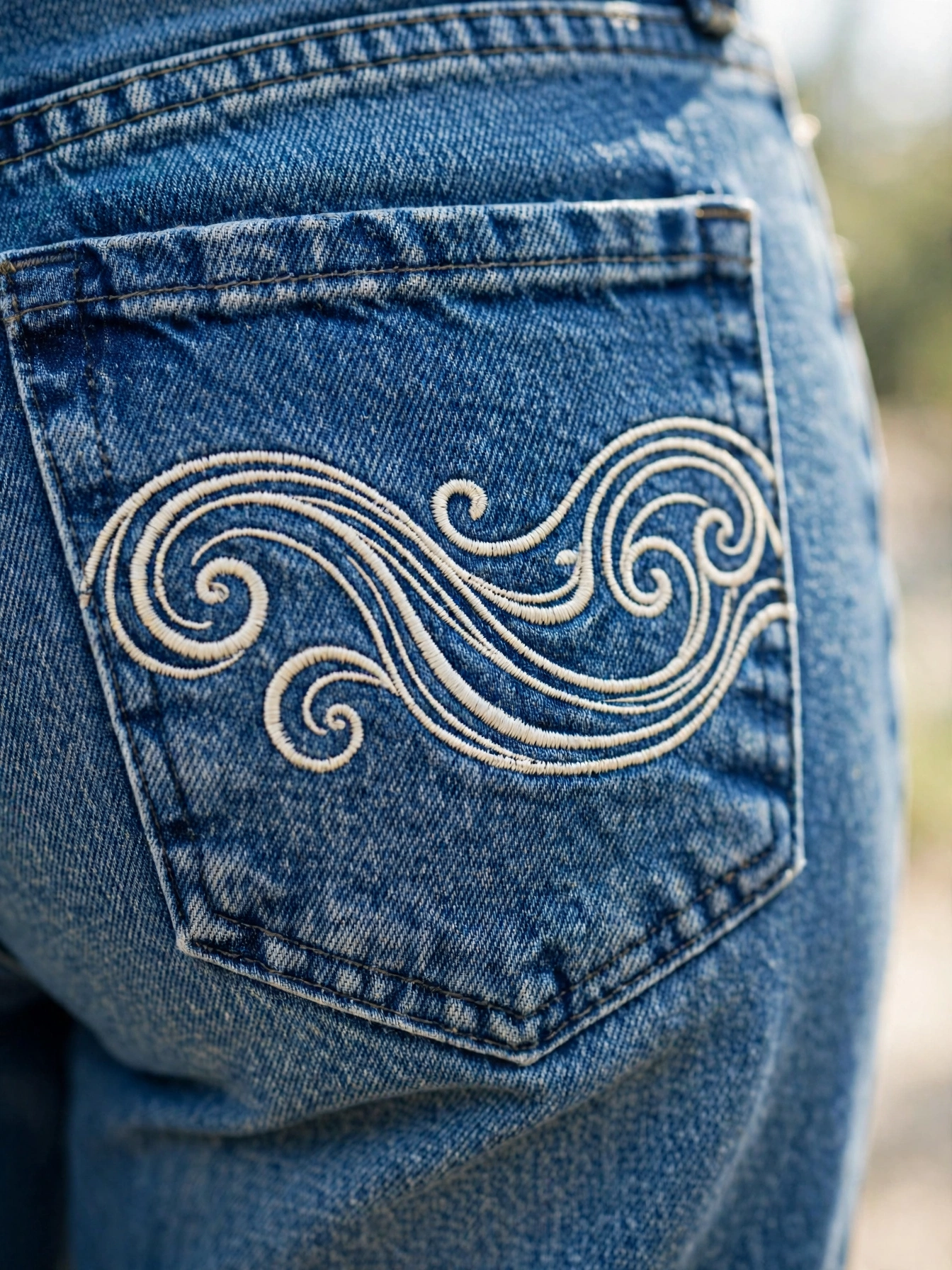
Pocket design: a flowing swirl or wave stitch across the pocket. Best body type: hourglass figures, where the curve echoes the waist to hip line. Fit check: the swirl should mirror on both pockets; a swirl that runs the same direction on both sides looks like a mistake.
Swirl stitching adds an elegant, flowing touch to the back pocket, with a pattern that moves the eye in a curve rather than a straight line. The design works well with flowy tops or a long cardigan, creating a soft, graceful silhouette. A white blouse and a pair of ballet flats complete a refined look. The swirl is the most feminine design on this list, which makes it a natural choice for occasions that call for a softer touch.
Care tip: a curved stitch shows wear sooner than a straight one, so wash on gentle and skip the dryer when you can.
Pocket Placement and Fit Table
Placement matters more than pattern. A pocket that sits too low drags the seat down; a pocket that sits too wide makes hips look wider; a pocket that sits too close together makes the seat look narrow. Use this table before you buy.
| Body type | Best pocket | Why it works |
|---|---|---|
| Straight hips | Small arc, high placement | Adds lift without bulk |
| Curvy hips | Centered motif or stitch | Draws the eye inward |
| Petite frame | Single line, small pocket | Keeps the seat uncluttered |
| Tall frame | Wide arc or western | Fills the longer seat |
Measurements to Take Before You Buy
Two numbers decide whether jeans fit after 50: the rise and the hip. The rise is the distance from the crotch seam to the top of the waistband; a mid rise of about 9 to 10 inches suits most women over 50, since it sits at the natural waist without digging in. The hip measurement should be taken at the widest point, with the tape level all the way round. Compare both numbers to the brand size chart before ordering, and ignore vanity sizing; the tape does not lie.
Levi's fit guide explains how to measure for jeans with the same two measurements, and it is worth reading once before your next order.
Hem and Length Rules After 50
Length decides whether the pocket work even shows. A hem that pools at the ankle hides the shoe and shortens the leg, which cancels out everything the pocket did. The cleanest rule: the hem should just touch the top of the shoe for a full length jean, or sit two fingers above the ankle bone for a cropped style. If the jeans need hemming, the MasterClass guide to hemming jeans covers the method by fabric weight, including when to take them to a tailor instead of doing it at home.
A tailor hem costs little and is the difference between jeans that look bought and jeans that look made for you.
Back Pocket Jeans After 50: Your Questions Answered
What should I look at first when choosing back pocket jeans?
Start with placement, not the pattern. The pocket should sit fully on the cheek, high and close to the center, with even stitching on both sides. Small, high placed pockets lift a straight seat; centered motifs narrow a curvy hip; a single line suits a petite frame.
Does pocket size matter as much as placement?
Yes. A pocket that is too large for the seat swallows the shape, while a pocket that is too small looks lost. As a rule, the pocket should cover most of the cheek without reaching the side seam, and the gap between the two pockets should be narrower than one pocket width.
Are embroidered back pockets too young for senior women?
No, when the embroidery is small and the color is restrained. A small tone on tone floral or a single motif reads as a detail, not a statement. Large, bright embroidery is the version that looks young, so keep the motif no larger than a coin.
What rise works best for women over 50?
A mid rise of about 9 to 10 inches suits most women over 50, since it sits at the natural waist without digging in or sliding down. High rise works well for a longer torso; low rise rarely flatters after 50, since it cuts the body at its widest point.
How do I stop jeans from gaping at the waist?
Gapping happens when the waist is cut straight and the hip is curved. Look for jeans with a contoured waistband, or buy for the hip and have the waist taken in by a tailor. A belt hides gapping for a day, but tailoring fixes it for the life of the jeans.
Can I wear wide leg jeans after 50?
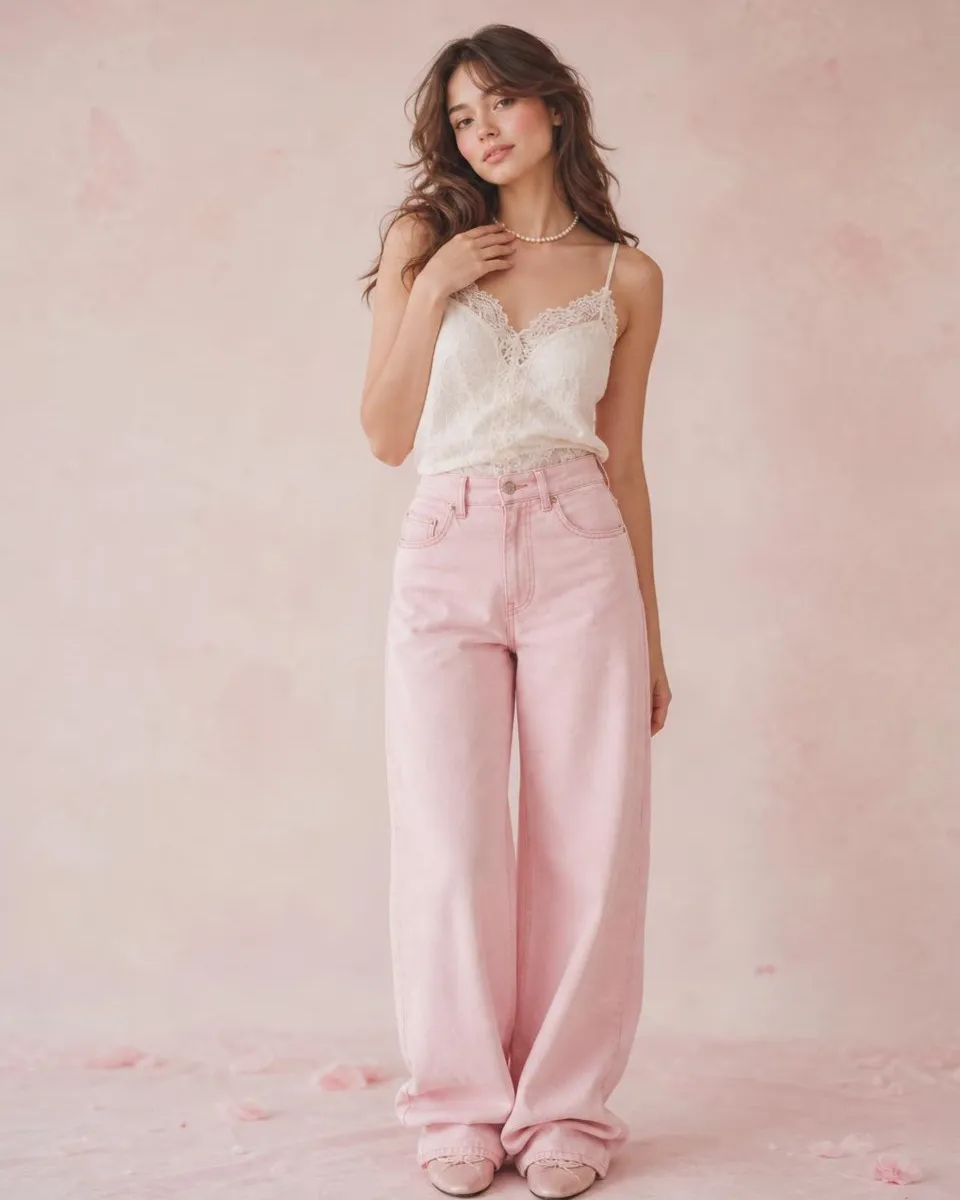
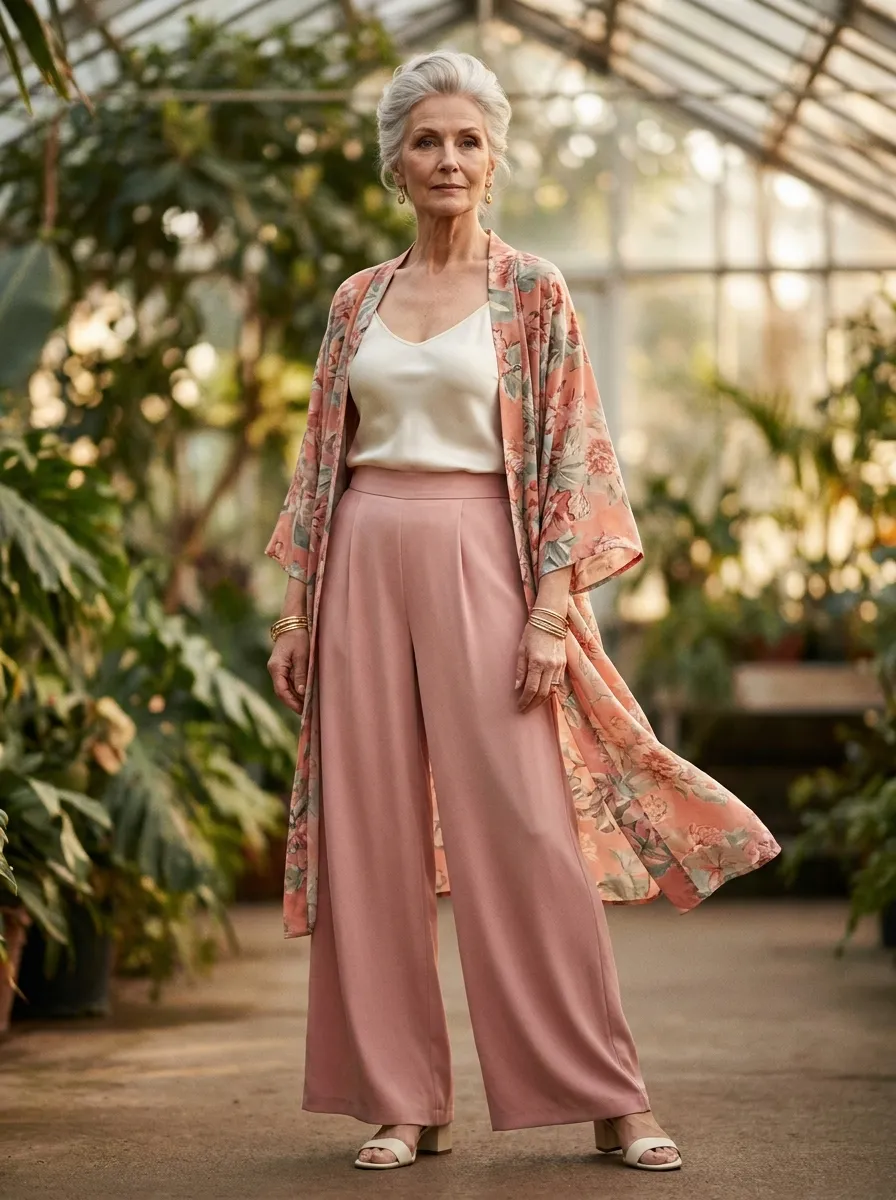
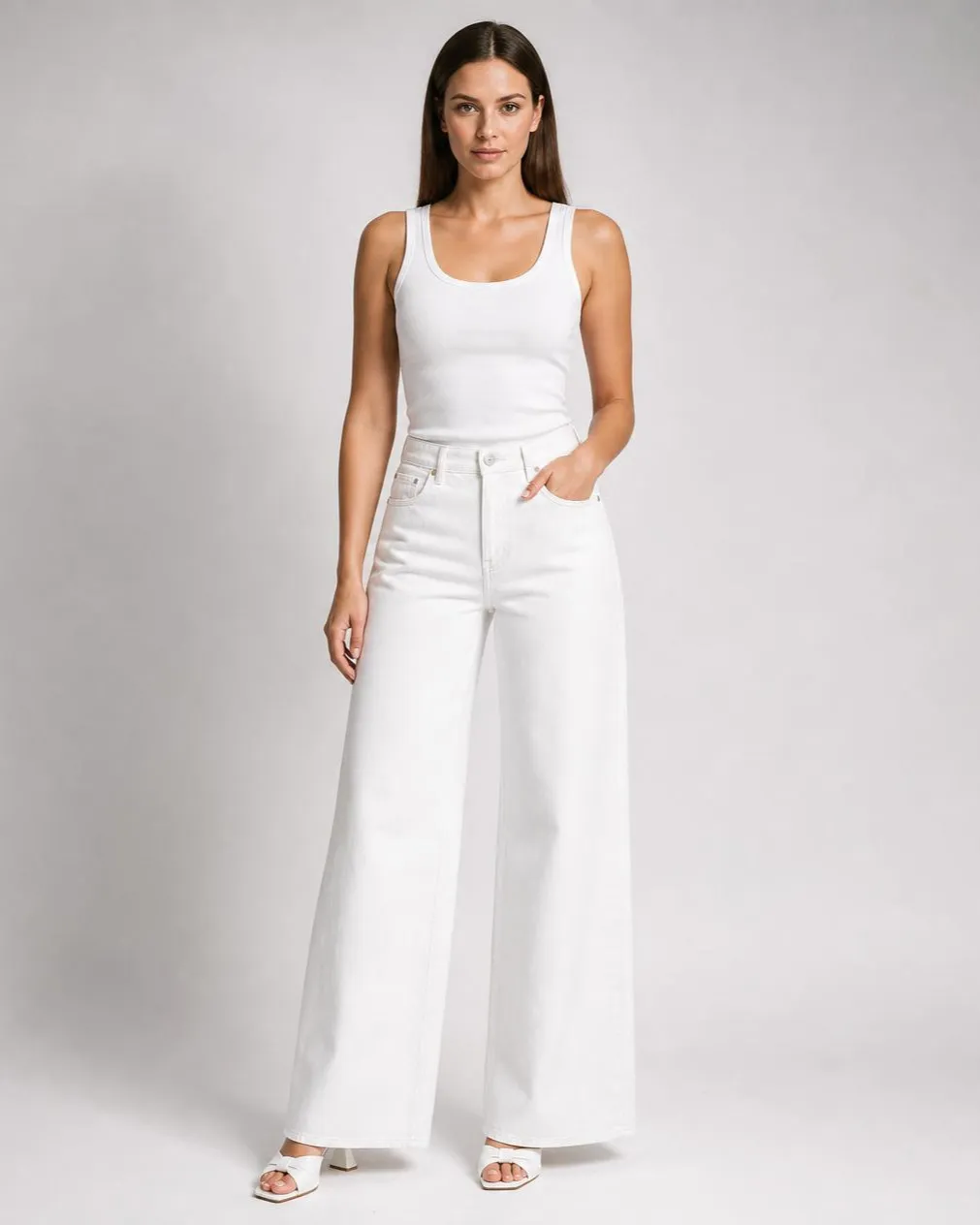
Yes, wide leg jeans suit every age when the fit is right. The key is a fitted waist and a pocket that sits high, so the volume starts below the hip instead of at it. For styling ideas, see the wide leg jeans guide and the aesthetic outfit ideas for any day for everyday formulas.
Before You Buy: A Quick Back Pocket Checklist
- Pocket sits fully on the cheek, high and close to the center
- Stitching is even and symmetrical on both pockets
- Pocket size fits the seat — no crowding, no getting lost
- Design matches your body type, not just the trend
- Rise and hip measurements checked against the size chart
- Hem just touches the shoe, or sits two fingers above the ankle
Run through this list in the fitting room, mirror behind you, and the jeans you take home will be the ones you actually reach for every week.