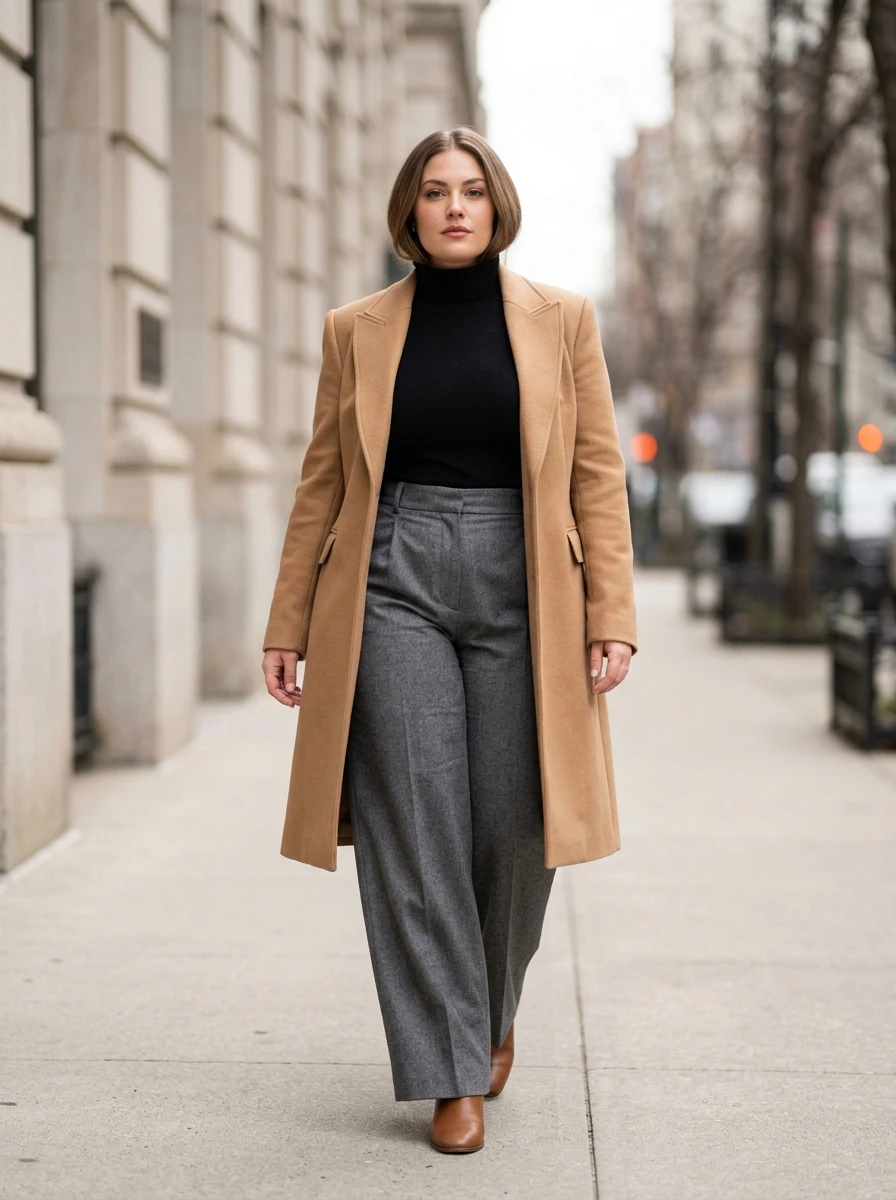
How to Build Cozy Winter College Outfits That Still Look Cute

How to use this guide
These are editorial styling suggestions, not a one-size-fits-all formula. Adapt each look to your wardrobe, proportions, climate, comfort, budget, and the occasion; the most useful idea is the one you can genuinely wear.
What does a winter day on campus actually ask of an outfit? An icy walk across the quad at 8 a.m., an overheated lecture hall by 10, a drafty library corner until midnight — and shoes that can handle all three without a change. The outfits below are built around that rhythm rather than around a single temperature: warmth you can shed in seconds, fabrics that hold up to daily wear, and one structured piece in each look so comfort never slides into sloppy.
The rule running through every combination is simple. Start with a thin warm base, add one piece with shape, and let the coat do the heavy lifting outdoors. If an outfit works in all three campus climates, it earns its place here.
Chunky Wool Sweater, Straight Leg Jeans — The Lecture-Day Uniform
The front tuck is the whole styling move: six inches of sweater pushed into the waistband, and suddenly an oversized knit has a waist. Without it, the sweater's volume has no breakpoint and the silhouette goes boxy. Wool earns its place on a student budget because of how it behaves — it resists odor so you can wear it several times between washes, it regulates temperature instead of overheating indoors, and a chunky knit looks intentionally relaxed rather than sloppy.
Fit note: straight leg denim balances the sweater's volume below. Skinny jeans with an oversized sweater can look bottom heavy; a straight leg keeps the column even. This is the back-to-back-classes uniform: comfortable enough to sit in for hours, structured enough not to read as pajamas. The same denim and trainer base appears in minimalist outfits with sneakers for an effortless everyday look.
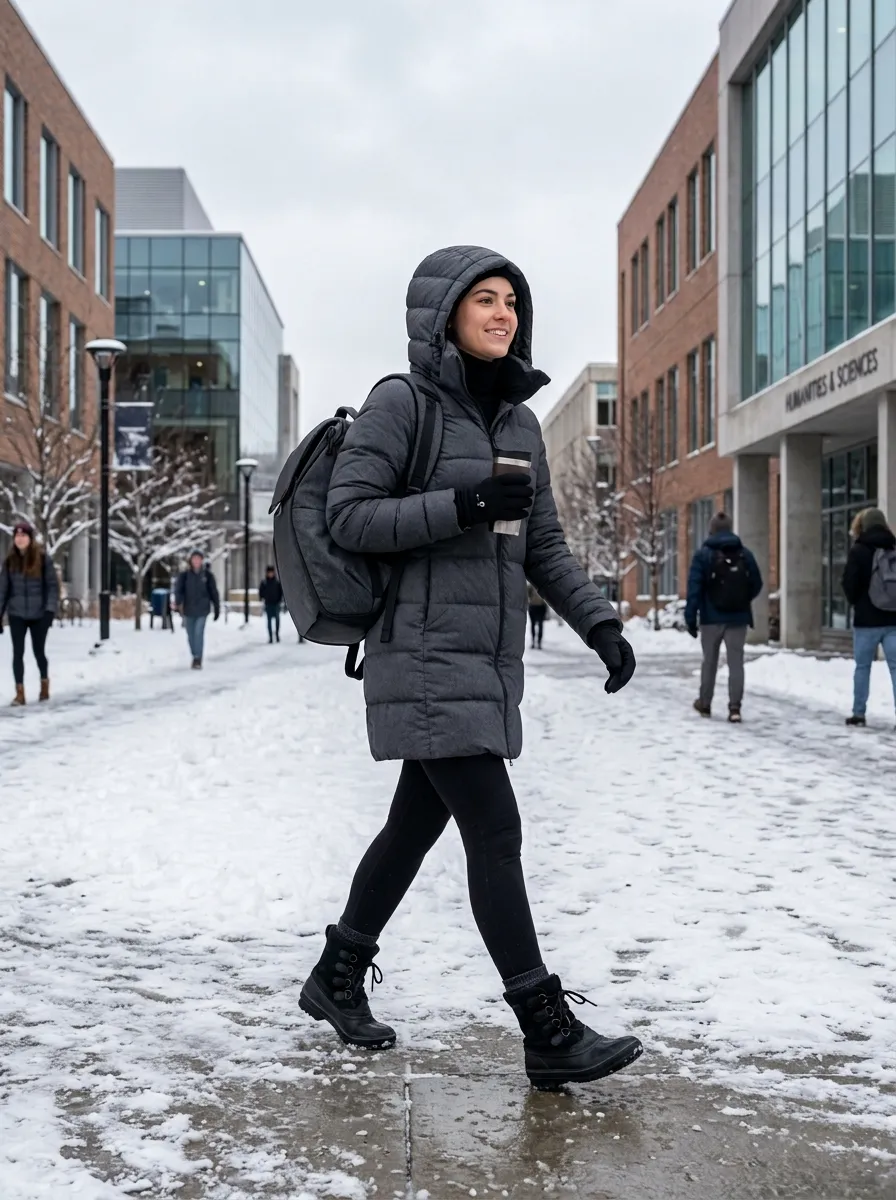
Fleece Lined Leggings Under a Longline Puffer — For the Coldest Days
Below freezing, this is the honest answer. Fleece lined leggings are meaningfully warmer than regular leggings: the brushed interior traps a layer of warm air against the skin, and a longline puffer (mid thigh or longer) covers the gap where a short jacket would let cold in at the waist. A backpack that survives winter matters as much as the coat; see aesthetic backpacks to style for school.
Wear it with chunky boots instead of trainers, and choose a puffer in a solid, muted color rather than a shiny athletic finish — that is what keeps the look from reading as gym wear. Add a beanie and a scarf in the same tonal family, and the outfit reads as intentional winter dressing. This is the outfit for the coldest days, when warmth is the only brief that matters.
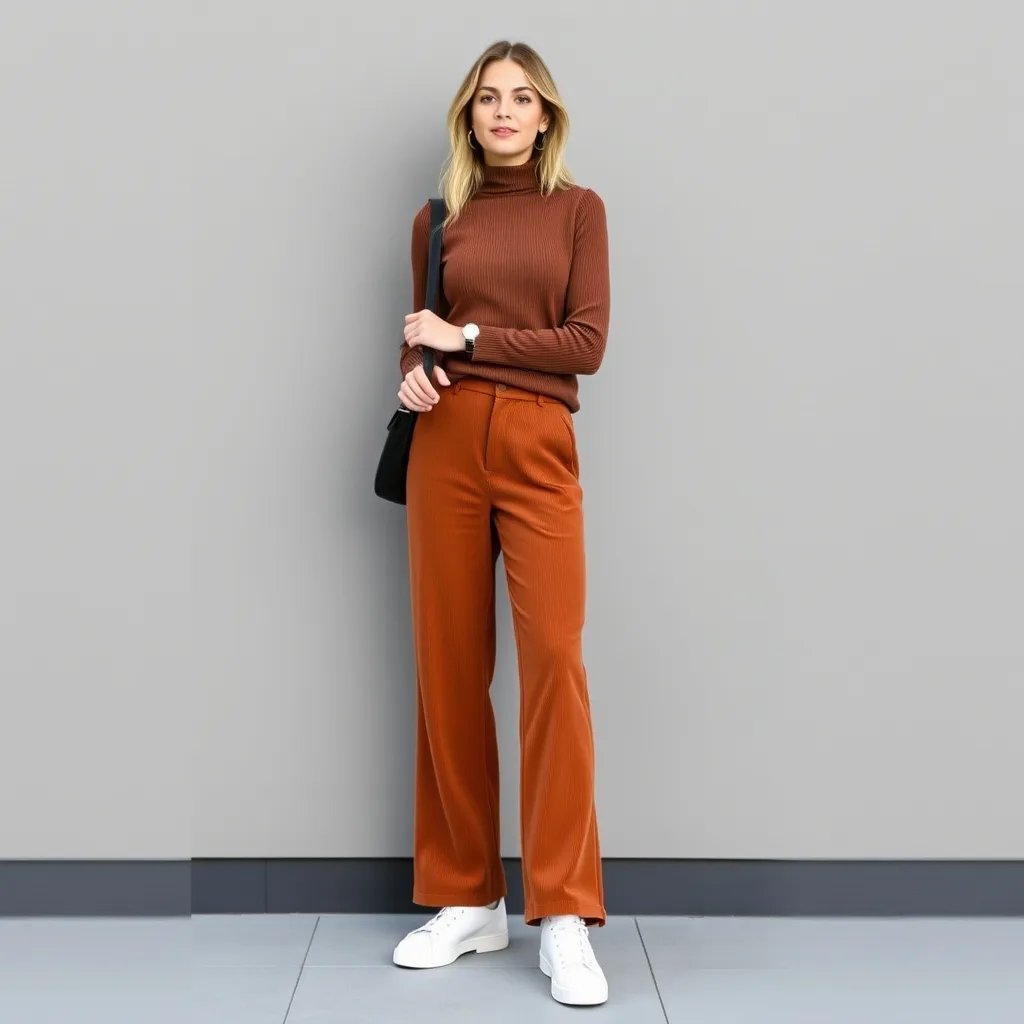
Corduroy Wide Leg Trousers and a Mock Neck — The Seminar-Day Pick
Corduroy is the underrated winter campus fabric: the raised wale traps air for warmth, the cotton base breathes indoors so you do not overheat in lecture halls, and the texture reads as intentional rather than plain. A mock neck top in a matching tone creates a clean, unbroken line from neck to ankle, which is flattering under a coat and simple enough to layer.
Fit note: the trousers should be straight legged and ankle length so they show the shoe — a longer hem would hide the boot and break the line. Pair with chunky boots or loafers, and add a wool coat if the temperature drops. This is the outfit for days when you want to look put together without trying too hard: the corduroy does the work.
Knitted Midi Dress and Knee High Boots — The One-Decision Morning
The one-and-done morning: a ribbed knit midi dress requires zero coordination decisions, which has real value when the first class is at 8 a.m. The ribbing does the work of a pattern, creating vertical lines that elongate, and its texture keeps the dress from reading as plain. Knee high boots are the proportion element: they extend the leg line under the midi hem, and their leather grounds the knit's softness.
Fit note: the dress should hit mid calf — long enough to show the boots' shaft, short enough to show the shoe. A belt turns a shapeless knit dress into an outfit in seconds, while leaving it loose keeps the morning easy. This is the outfit for mornings when you need to look dressed with one decision.

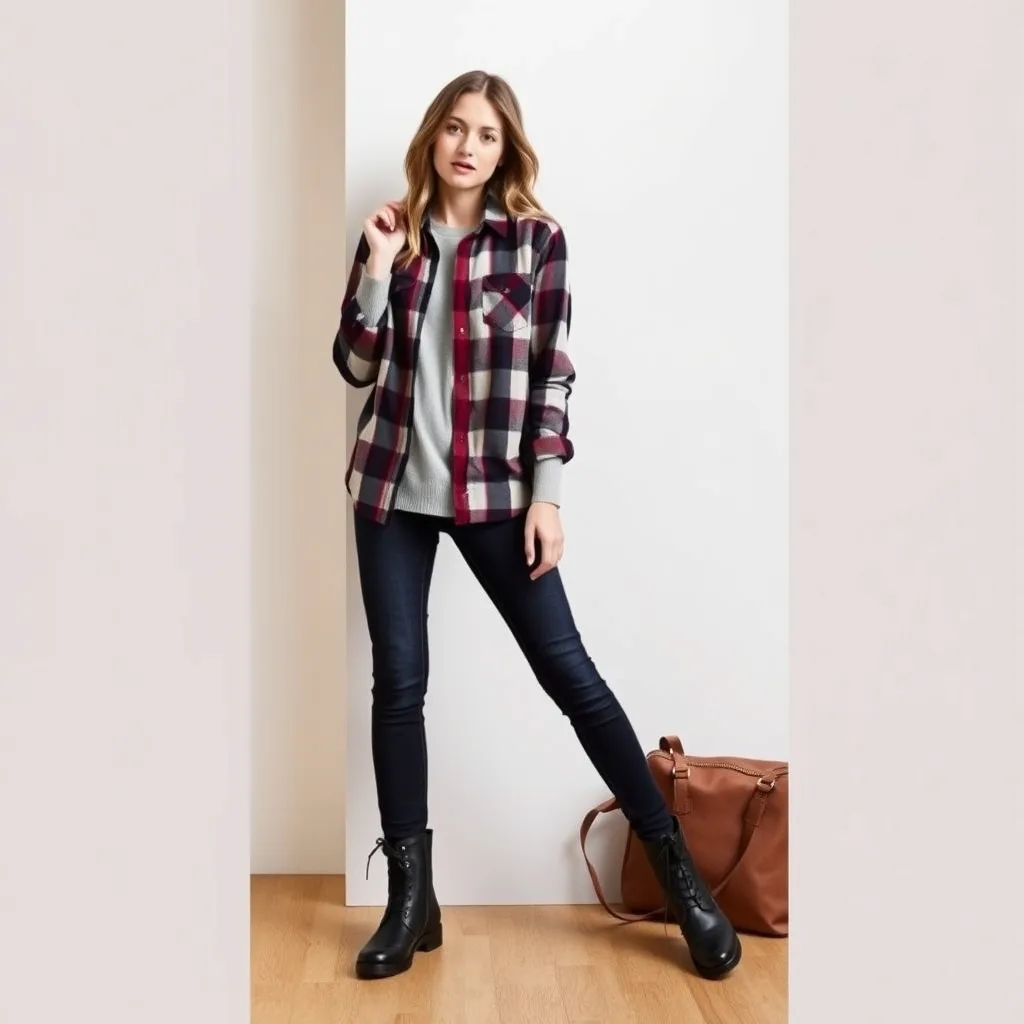
Flannel Shirt Over a Thermal Base — The Temperature-Swing Uniform
This is the temperature transition uniform. The thermal base handles the cold walk; the flannel is the visible layer that makes the outfit look styled rather than layered for survival. MasterClass explains how to layer clothes so thin warm layers beat one thick one. The flannel's pattern does the work of a statement, so keep the rest simple: dark denim, simple boots, no competing print.
Fabric note: the thermal should be thin and fitted — a bulky thermal under a flannel looks lumpy, while a thin one disappears. Unbutton the flannel indoors to show the thermal, button it up outside for warmth. Combat boots do the grounding work here: their weight and leather balance the flannel's softness. This is the outfit for days that swing twenty degrees between morning and afternoon.
Oversized Hoodie Under a Longline Trench — High-Low, Campus Edition
The hoodie plus trench is the campus version of the high-low formula: the hoodie is the comfort piece, the trench is the polish piece, and together they read as intentional rather than lazy. The trench's length is the key — it should be long enough to cover the hoodie's hem, so the hoodie reads as a layer rather than the outfit. Wear the hood down, not up, so the trench's collar is the visible neckline.
Wear it with straight leg jeans or leggings, and add chunky boots or clean sneakers. The trench does the work of making the hoodie look like a styling choice: without it, the hoodie is just a hoodie; with it, the outfit has structure. For days split between classes and meetings, this bridges both worlds. The same trench-first logic appears in minimalist fall outfit formulas from your closet.
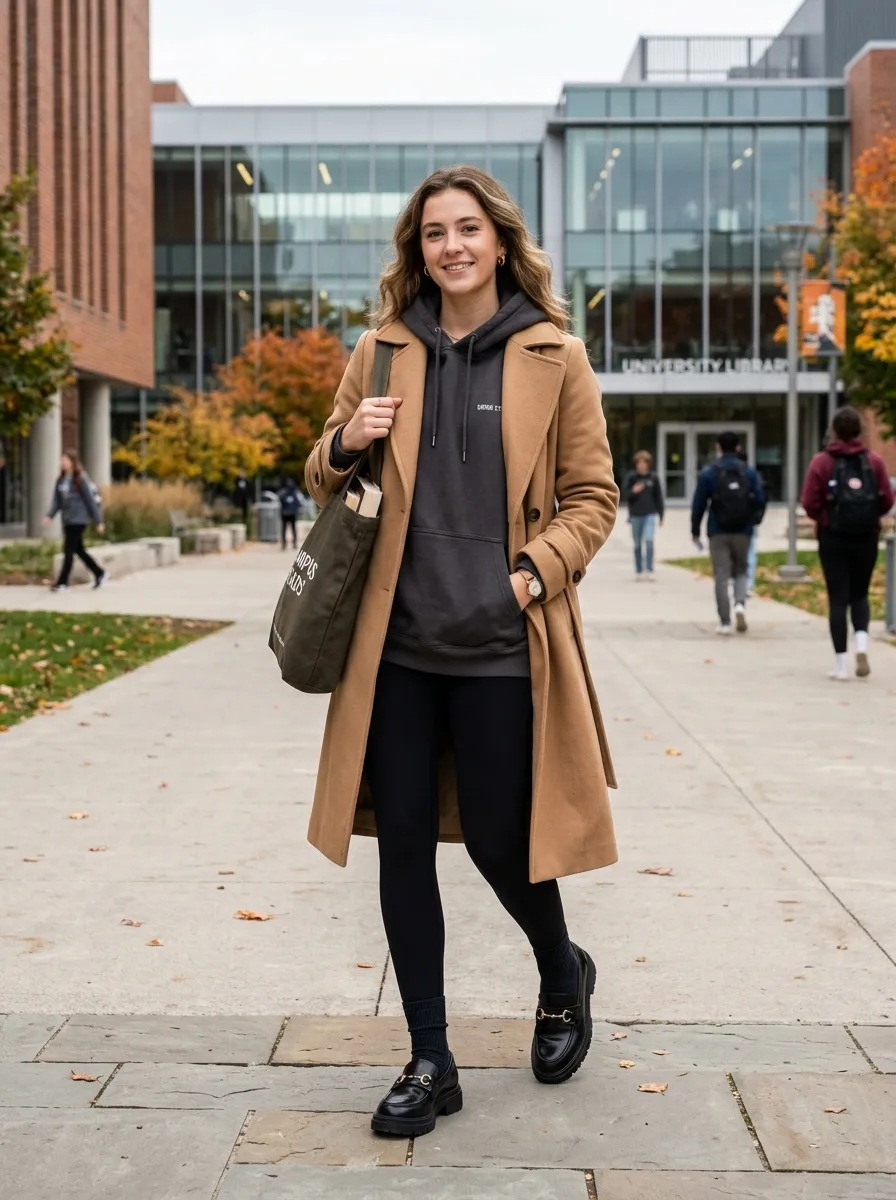
Sherpa Lined Denim Jacket and Black Jeans
A sherpa lined denim jacket is winter's best layering piece: the denim gives it structure, the sherpa gives it warmth, and the combination reads as casual without being sloppy. Over black jeans, the jacket's blue denim is the outfit's only color note, which is why it works — one denim blue against an otherwise black base.
Fit note: the black jeans should be straight legged and ankle length so they show the shoe. Add a simple tee or a thin knit underneath, and chunky boots or clean sneakers. The sherpa's texture does the work of a statement here, so keep the rest simple: no competing texture, no pattern, just the jacket's warmth against the black base.
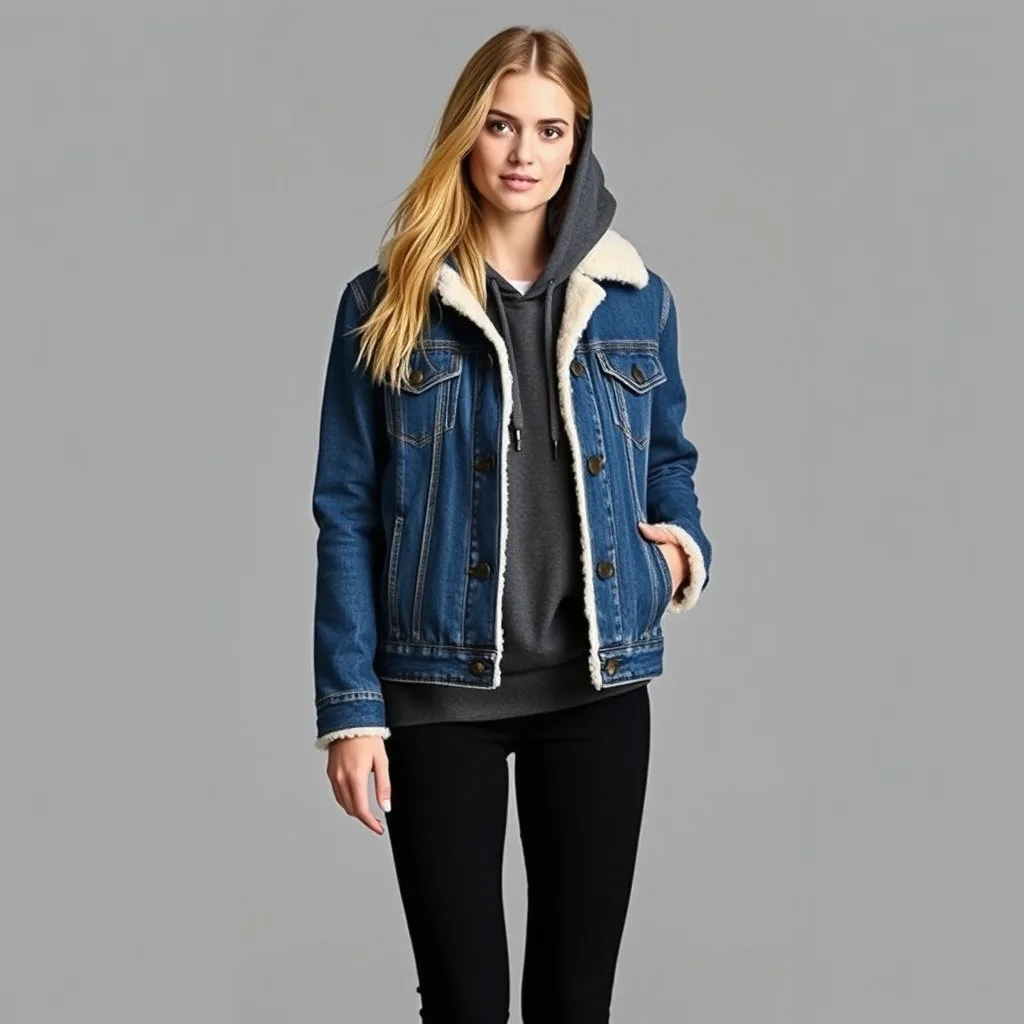
Soft Knit Cardigan and Pleated Skirt — The Library-Day Soft Option
A chunky cardigan over a pleated skirt is the softest version of the winter campus formula: the cardigan's bulk against the skirt's movement, the knit's warmth against the skirt's lightness. The cardigan should be oversized but not sloppy — it should drape, not swallow. The pleated skirt's movement does the work of a statement: it is the one fluid element in an otherwise bulky outfit, which is why it reads as deliberate.
Wear it with tights and knee high boots or ankle boots, and keep the top underneath simple: a fitted tee or a thin knit so the cardigan's volume is the story. This is the outfit for days when you want to feel cozy but still look put together.
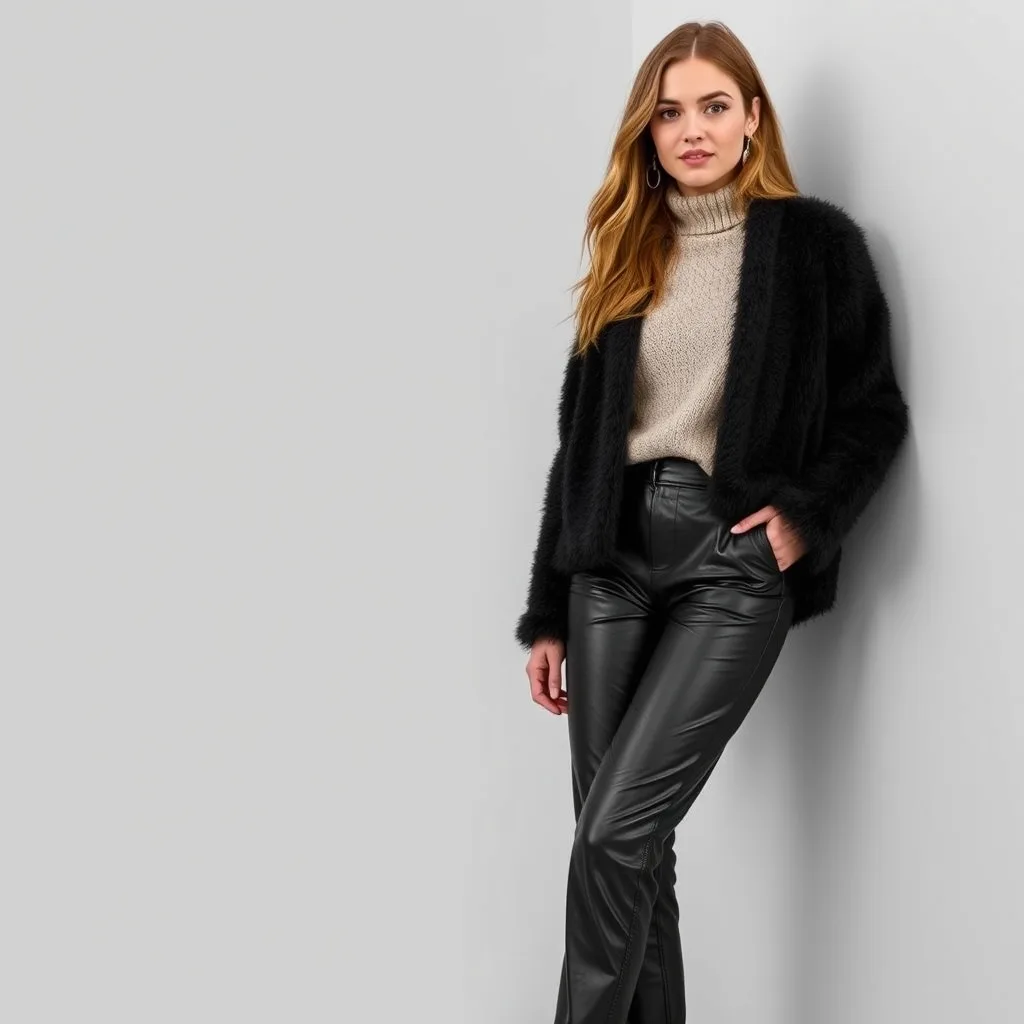
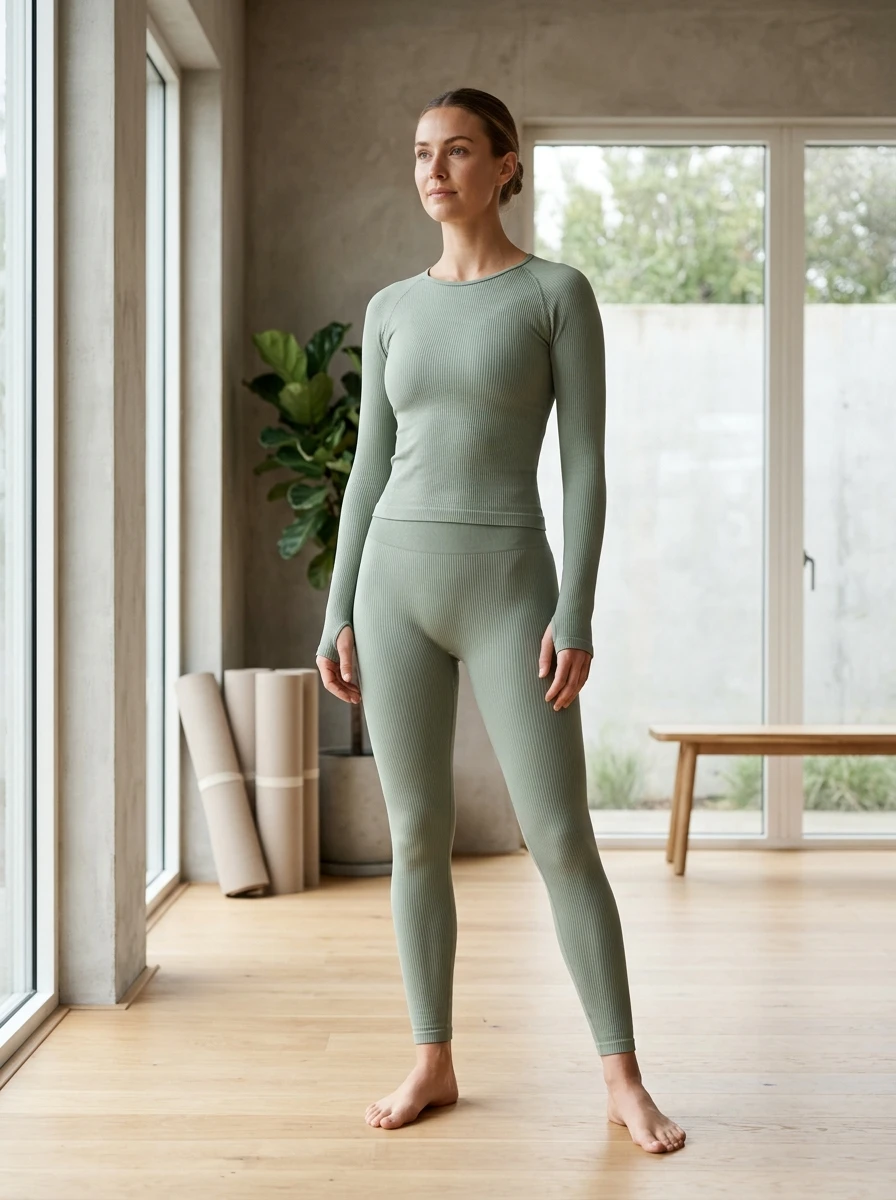
Quilted Puffer Vest and Thermal Leggings — Core Warmth, Free Arms
A quilted puffer vest over a thermal top with thermal leggings is the layering formula for the coldest walks: the vest adds core warmth without restricting arm movement, which matters when you are carrying a backpack and a coffee. The thermal leggings are the base warmth, and the vest is the adjustable layer — zip it up outside, unzip it indoors.
Wear it with chunky boots instead of trainers, and choose a solid, muted vest rather than a shiny athletic finish. Add a beanie and a scarf in the same tonal family, and the outfit reads as intentional winter dressing rather than gym wear.

Wool Coat and Scarf in Matching Tones — The Most Polished Look Here
A wool coat with a scarf in a matching tone is the most polished winter campus outfit. For more cold weather formulas, see chic winter outfit ideas for women. The coat's structure and the scarf's softness create a tonal look that reads as considered. The coat should be in a classic cut — single breasted, knee length, with a defined waist — and the scarf should be in a tone that matches the coat, not one that contrasts with it.
Colour pairing: the matching tones do the work of a statement, creating a long, unbroken line from shoulder to ankle that reads as height. Pair with straight leg jeans or tailored trousers, and add chunky boots or loafers. The scarf does the work of jewelry here, so keep earrings minimal and skip the necklace.
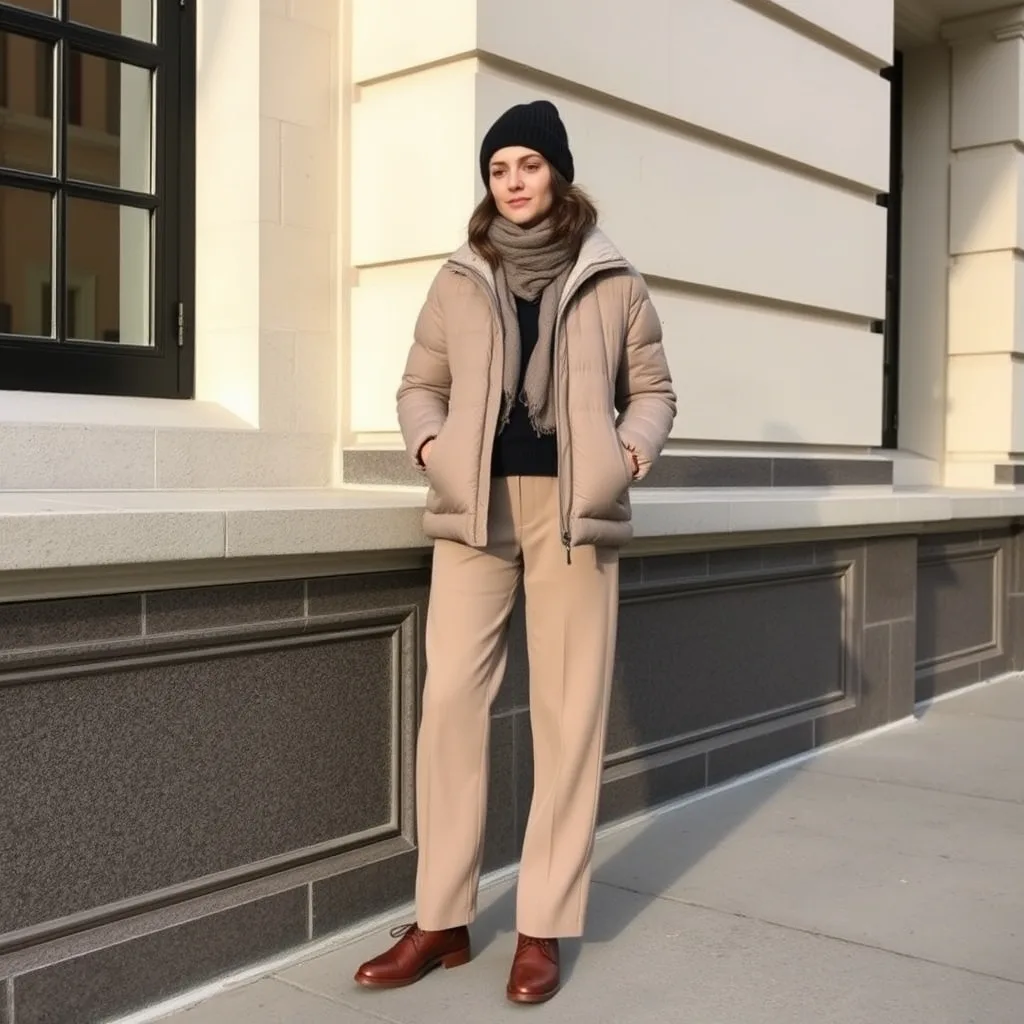
Cable Knit Sweater and Wide Leg Trousers
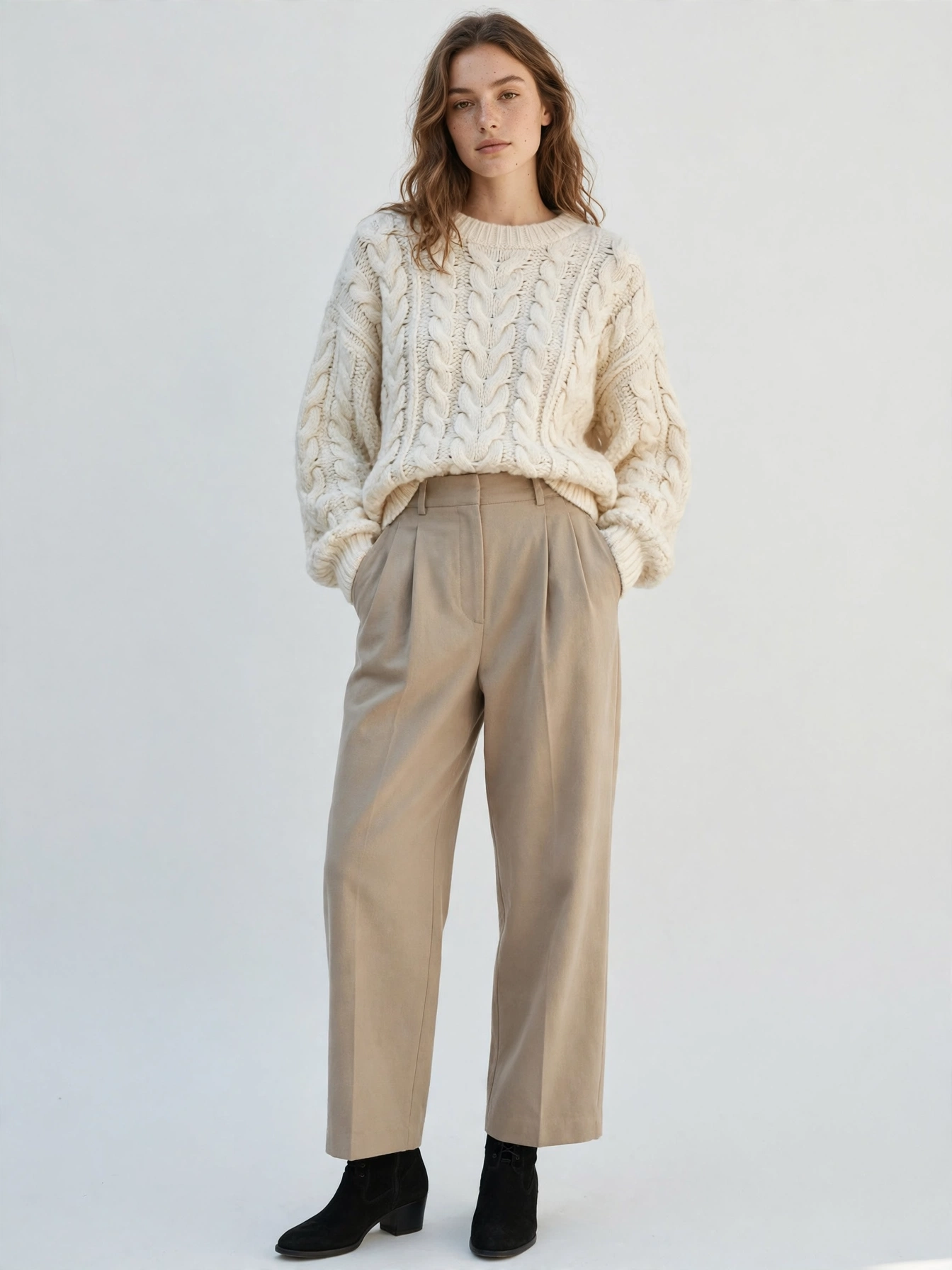
A cable knit sweater with wide leg trousers is the most comfortable version of the winter campus formula: the knit's texture against the trousers' drape, the sweater's warmth against the trousers' lightness. The sweater should be oversized but not sloppy, and the trousers should be high waisted and ankle length so they show the shoe. The cable knit sweater is the same knit logic in one piece as a sweater dress.
Fabric note: the cable knit texture does the work of a pattern here — it is the outfit's visual interest — so keep the rest in solid tones and let the knit be the texture story. Pair with chunky boots or clean sneakers, and keep accessories minimal: a simple bag, simple jewelry, nothing else.
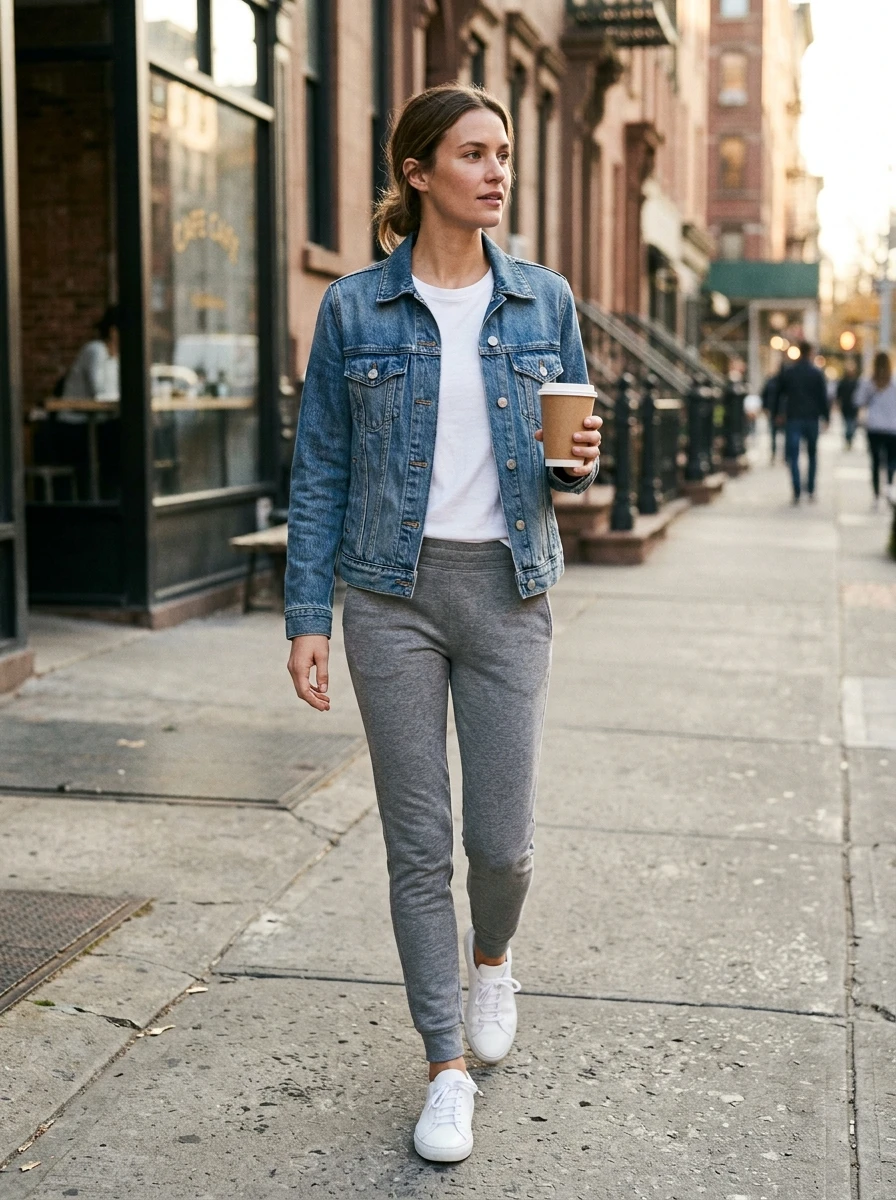
Denim Jacket and Hoodie Combo — The Campus Classic
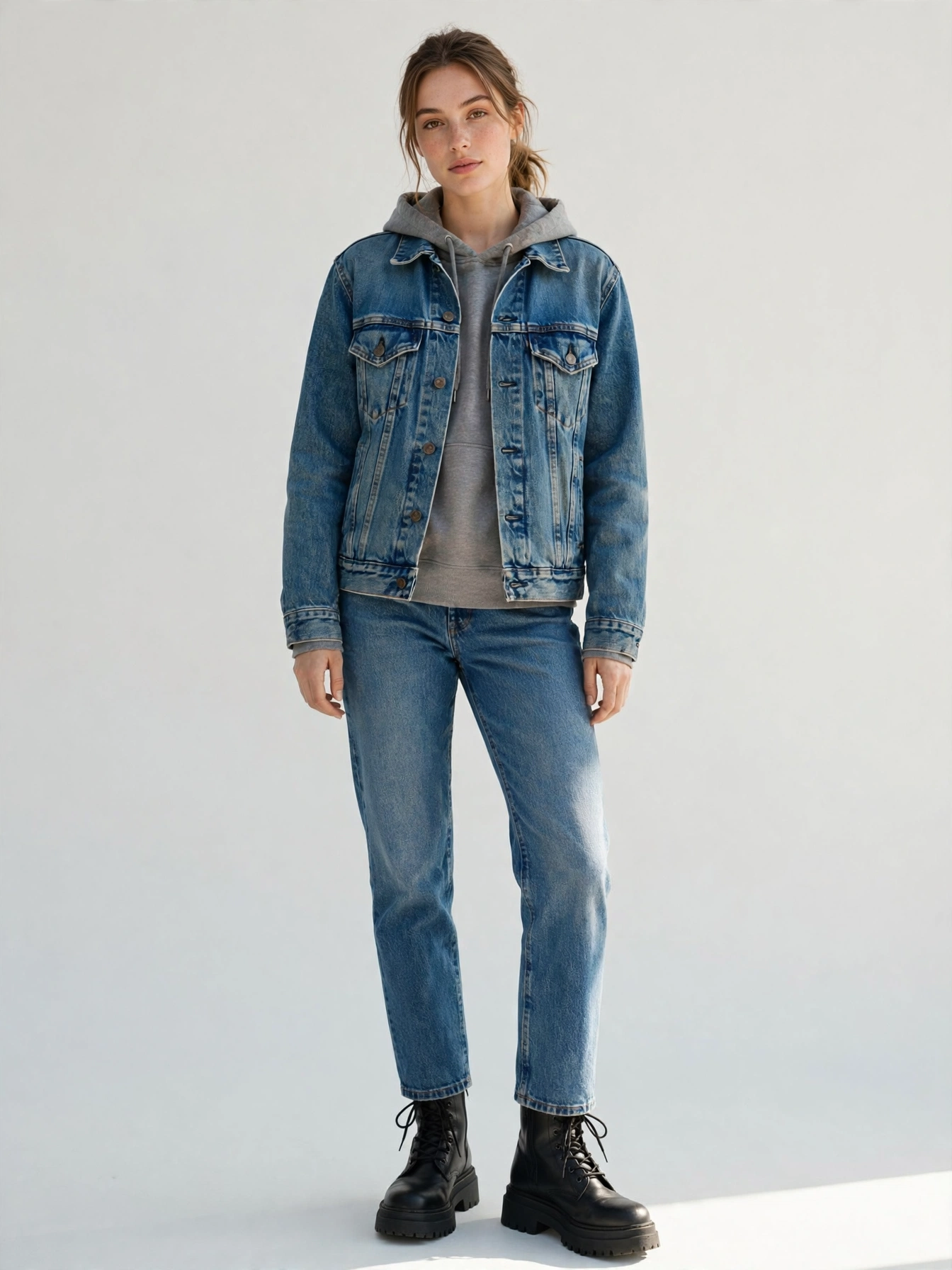
The denim jacket over a hoodie is the campus classic for a reason: two familiar layers, one familiar silhouette, zero decisions. The hoodie should be thin enough to fit under the jacket without bunching — a thick hoodie under a fitted denim jacket looks lumpy, while a thin one disappears. The denim jacket should be in a classic wash, and the hoodie in a solid, muted tone so the outfit stays tonal.
Wear it with straight leg jeans or leggings, and add chunky boots or clean sneakers. The combination's familiarity is its strength: it is the outfit everyone recognizes, and it works because both layers do exactly what they are supposed to do. This entire outfit is built to be worn hard, daily, without babying any of it. The same denim-first fall formulas appear in wide leg jeans outfits that balance proportions.
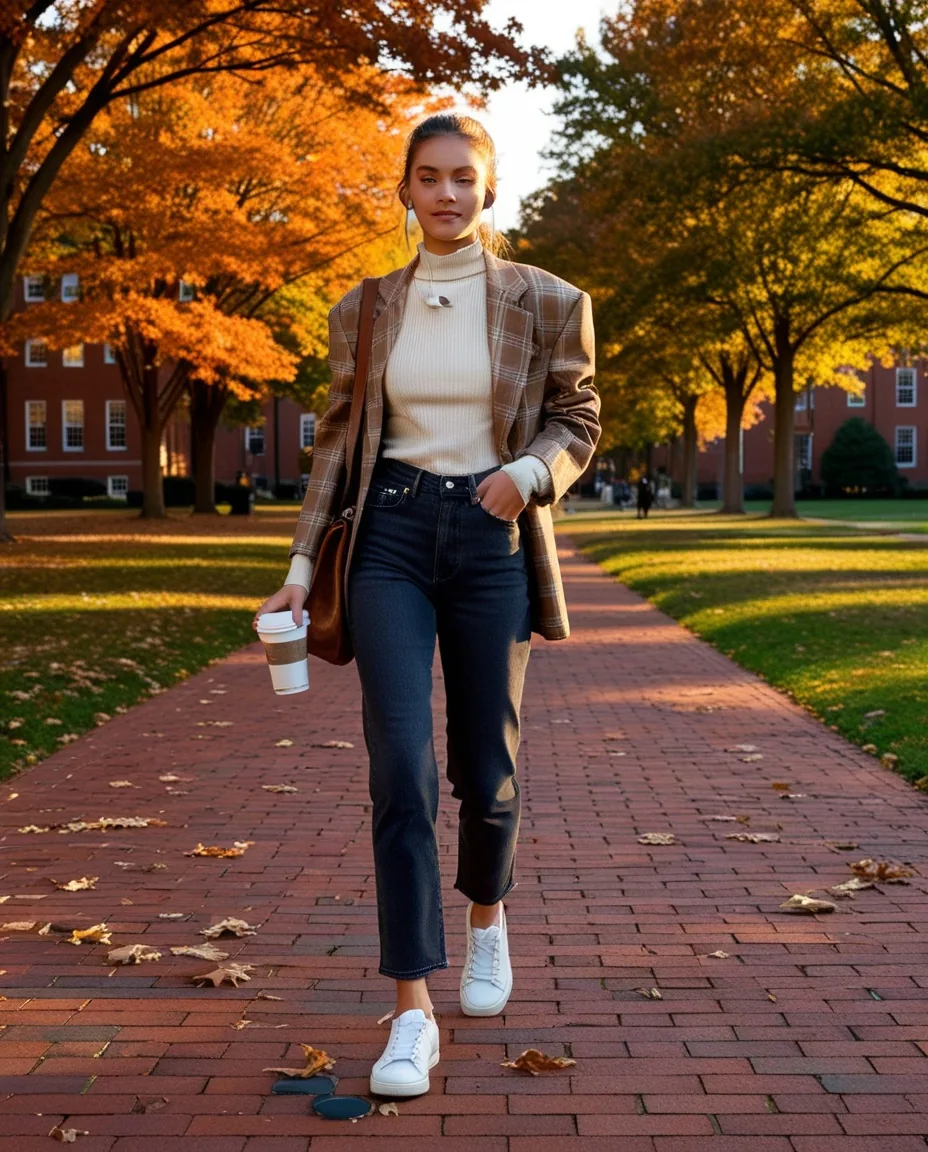
Oversized Blazer and Graphic Tee — Structure Meets Personality
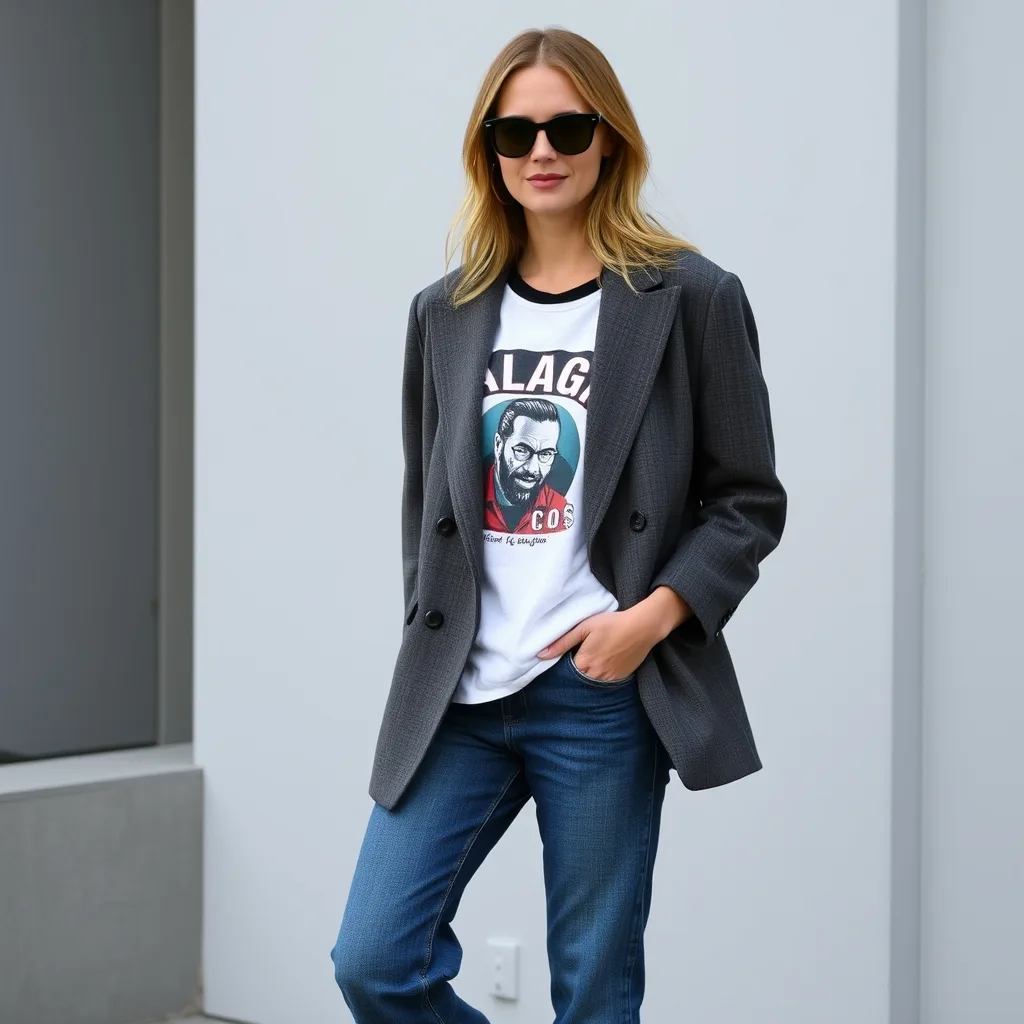
An oversized blazer over a graphic tee is the campus version of the high-low formula: the blazer is the polish piece, the tee is the personality piece, and together they read as intentional rather than thrown together. The blazer's structure does the work of making the tee look like a styling choice: without it, the tee is just a tee; with it, the outfit has shape.
Fit note: the tee's graphic should be simple — a single image or a short phrase, not a busy print — so it reads as a statement, not noise. Pair with straight leg jeans or a mini skirt, and add chunky boots or clean sneakers. The formula is simple: structured top, relaxed bottom, the breakpoint at the waist. The blazer half of this equation gets a closer look in black blazer outfits for work and weekends.
Faux Fur Trimmed Parka and Leggings — The Coldest-Day Answer
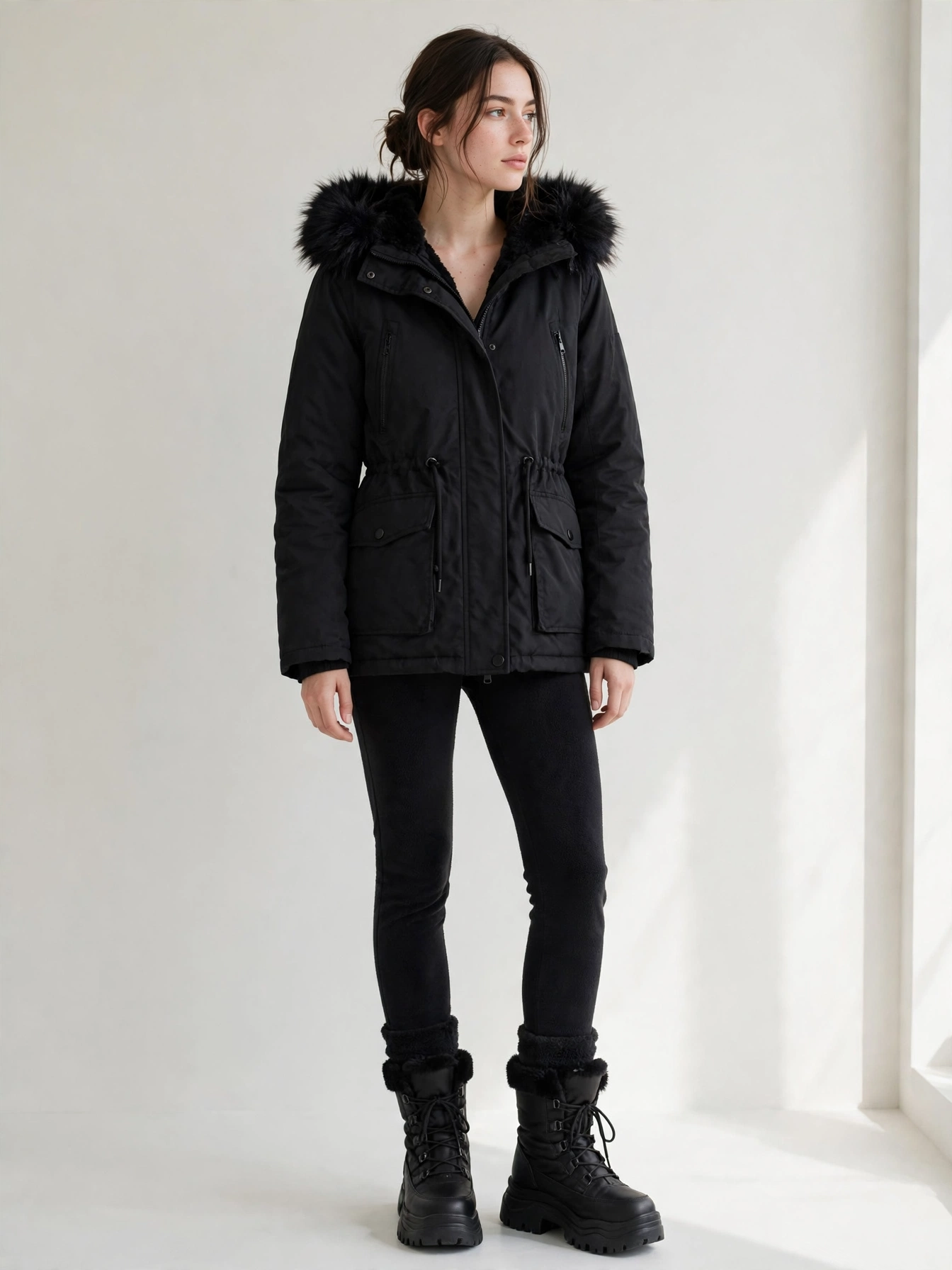
A faux fur trimmed parka with leggings is the coldest day answer. Boots that handle slush matter most here; chic UGG outfits with a winter aesthetic cover the warmest options. The parka's length and the fur trim's warmth make it the most protective outfit on this list. The parka should be in a solid, muted color (black, navy, olive) so the fur trim is the only texture story, and the leggings should be fleece lined for warmth.
Care tip: the fur trim does the work of a statement here, so keep the rest simple — no competing texture, no pattern, just the parka's warmth against the leggings' simplicity. Pair with chunky boots that can handle ice and slush, and add a beanie and gloves in the same tonal family.
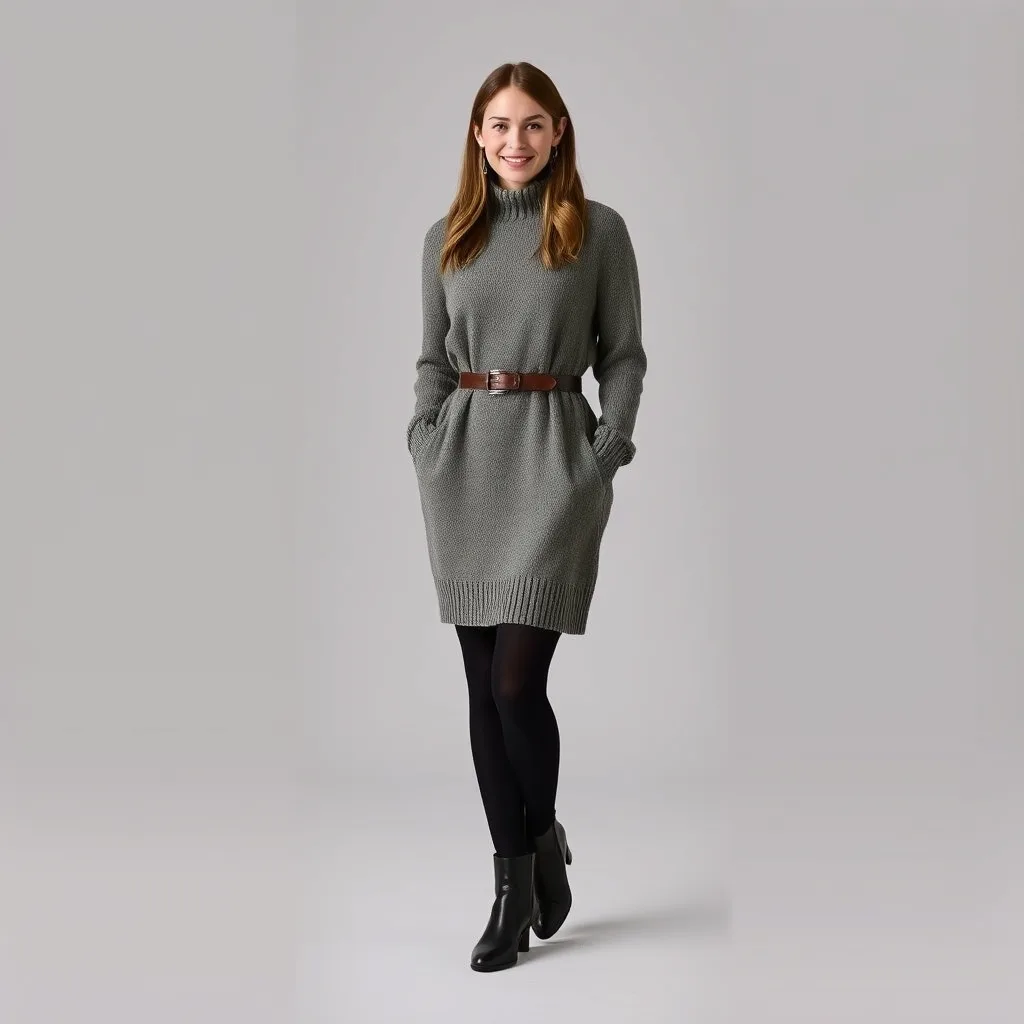
Turtleneck Sweater Dress and Over the Knee Boots — One Piece, Done
A turtleneck sweater dress with over the knee boots is the one-and-done winter outfit: one piece, one pair of boots, done. The dress should be in a fine gauge knit that drapes rather than clings, and the boots should be in dark leather so they read as a style choice rather than a practical one. The dress's length is the key proportion: it should hit just above the knee, so the boots' shaft is visible and the leg line stays long.
Fit note: add a belt to mark the waist if the dress is shapeless, or leave it loose for a relaxed day. The boots do the work of making the dress winter appropriate: they cover the leg, they add structure, and their leather grounds the knit's softness.
Common Questions About Winter Campus Style
How do I stay warm on campus without looking bulky?
Layer thin, warm pieces instead of one thick one: a thermal base, a fitted knit, and a structured coat. Thin layers trap warm air between them, and the coat's structure keeps the silhouette clean.
What shoes handle icy campus walks best?
Chunky boots with a grippy sole, leather or suede, with a lug sole for traction. Avoid smooth-soled shoes on ice, and keep a pair of indoor shoes in your bag if your boots are wet.
Can leggings work for class in winter?
Yes — fleece lined leggings with a long coat or a long sweater read as intentional, not gym wear. The key is the top layer's length and structure: a longline puffer or a wool coat makes leggings look styled.
What turns a cozy outfit into a put-together one?
One structured piece: a wool coat, a blazer, or a trench. Structure is what separates "cozy" from "sloppy" — one tailored element makes the whole outfit read as deliberate.
What if my campus barely gets cold?
Swap the heavy layers for lighter ones with the same formulas: a thin knit instead of a chunky one, a denim jacket instead of a parka, ankle boots instead of knee highs. The proportions stay the same; only the weight changes.
Your Winter Campus Checklist
Before you leave the dorm, run through this: one thin warm base, one piece with structure, a coat that covers the hip, and boots with grip. If the outfit passes the library test — comfortable sitting for three hours — and the quad test — warm for a ten-minute walk in wind — it is ready. College Fashion rounds up winter outfits for college with the same campus-first logic. Warmth you can shed, layers that work at every temperature, shoes that handle real sidewalks: learn the transitions, and your closet becomes a set of combinations instead of a set of individual pieces.