Painted Denim Shorts for Summer: A Senior's Guide to Designs That Survive the Wash
How to use this guide
Choose ideas based on the materials, time, skill level, and finish you can realistically manage. For any dye, bleach, paint, or alteration project, test on a spare piece first and follow the product safety instructions.
Picture the last weekend before graduation: a pair of old denim shorts on the bed, a set of fabric paints on the desk, and one free afternoon to turn them into something no one else will be wearing at the senior trip. That is the whole appeal of painted denim shorts for high school seniors, class of 2027 — a pair made for beach days, graduation parties, and the last summer before college, painted by hand instead of bought off a rack.
The trick is not the design. It is the paint. Fabric paint mixed with fabric medium, applied in thin layers, and heat set with an iron before the first wash is what survives stretch denim. Thick craft acrylic cracks on the first wear, because stretch denim moves and thick paint does not. Every design below names its paint, its layer thickness, and its wash care, so the shorts painted in June still look painted in August.
There is a second reason to paint instead of shop. Finding unique clothing that fits a specific taste often leads to frustration with mass market retail options, and a worn pair of denim shorts can look like a blank canvas rather than an old garment ready for the donation bin. Customizing a pair means controlling the exact colors, motifs, and placement of the art, so the clothing feels like a true extension of the person wearing it. The same paint pens work just as well on full length denim, which is covered in full length painted senior jeans for anyone wanting the design to last past summer.
Painting Stretch Denim: What Actually Works
Stretch denim is the hardest denim to paint, because the elastane in the weave moves every time the wearer sits, walks, or bends. Three rules make paint survive on it. First, use fabric paint, not craft acrylic: fabric paint contains binders that stay flexible after drying, while craft acrylic dries into a hard shell that cracks on the first stretch. Tulip Color and Jacquard both make fabric paints designed for stretch fabrics, and both publish drying and heat setting times on their sites.
Second, mix in fabric medium at a ratio of one part medium to two parts paint, which keeps the paint soft and stops it from stiffening the fabric. Third, keep every design small or thin: line work, small motifs, and thin washes survive on stretch denim, while large solid blocks of paint restrict movement and crack along the stretch lines. Heat set every design before the first wash, and wash inside out on a gentle cycle from then on.
Minimalist Botanical Linework
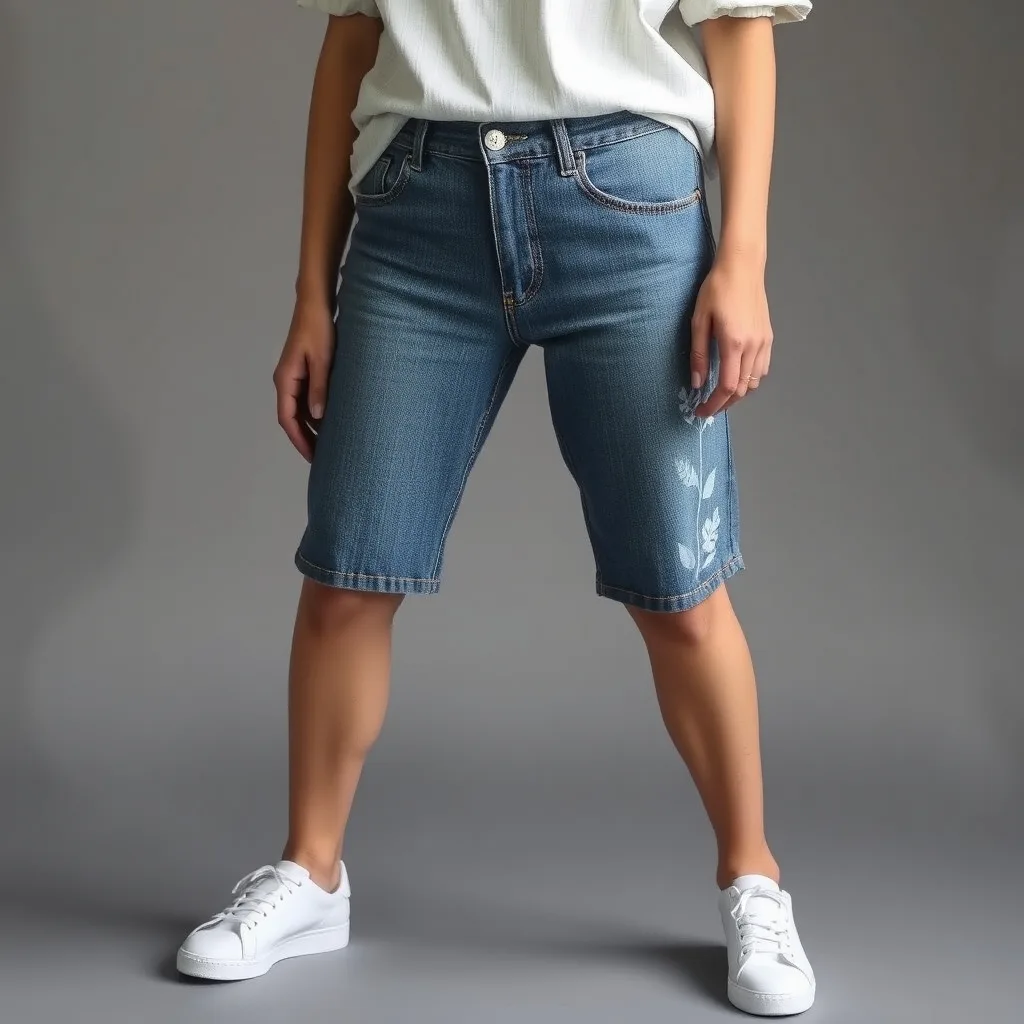
Paint: white acrylic mixed with fabric medium, 1 part medium to 2 parts paint. Durability: high, because line work is thin. Hem care: none needed.
Use a thin liner brush and fabric medium mixed with white acrylic paint to create delicate leaf silhouettes along the side seams. This approach adds subtle styling interest without overwhelming the denim texture. Choose a simple fern or eucalyptus pattern for a clean look that pairs well with solid linen shirts.
A practical limitation involves the paint thickness: keep strokes light to prevent the fabric from feeling stiff after the paint cures. Always heat set the design with an iron before the first wash to ensure the ink bonds to the cotton fibers properly. Line work is the safest design on stretch denim, because a thin line flexes with the fabric instead of fighting it.
Wear it with: a solid linen shirt and flat sandals, so the white linework stays the focus.
Soft Watercolor Wash
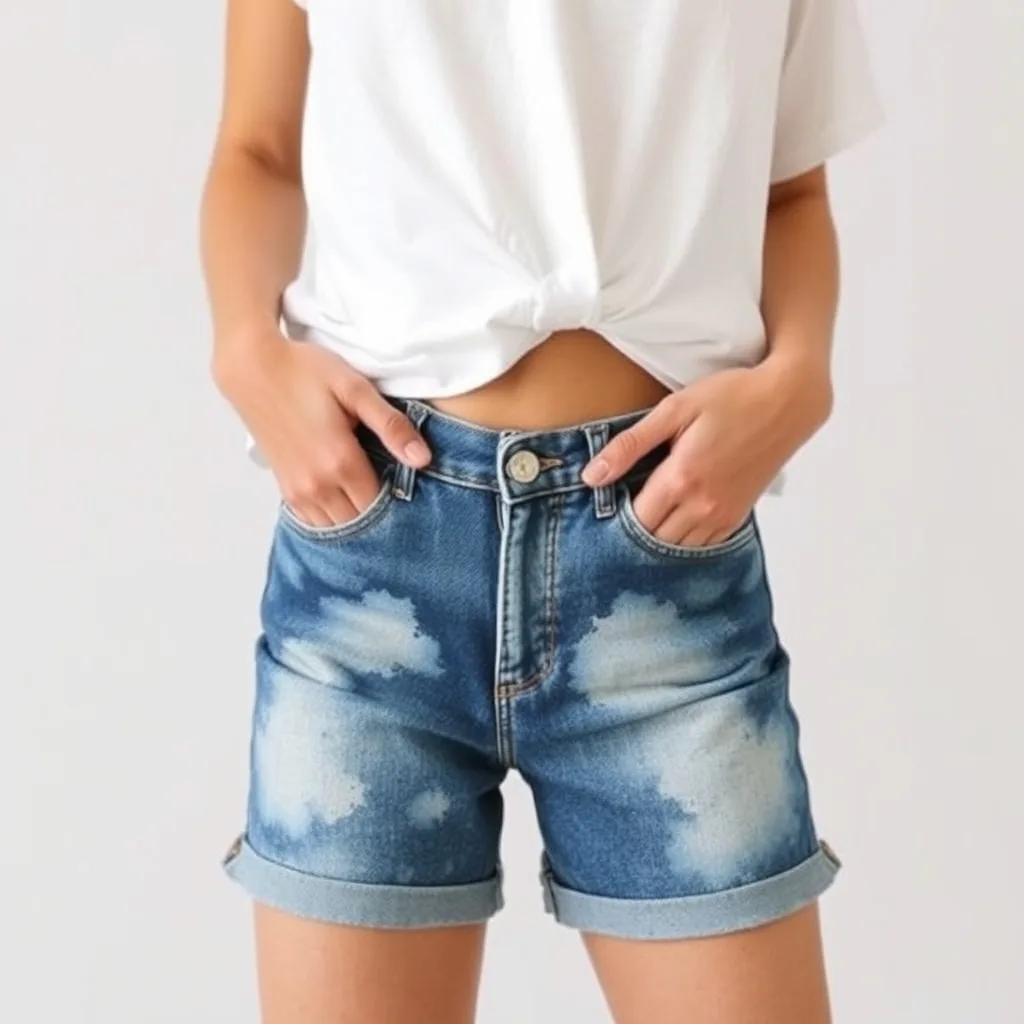
Paint: fabric paint diluted with water, 1 part paint to 3 parts water. Durability: medium, because thin washes flex well but fade faster. Hem care: none needed.
A watercolor wash creates a dreamy, blurred effect that works well on light wash denim. Dilute fabric paints significantly with water and apply them in overlapping circles to build depth. This technique hides small stains or wear spots on older shorts effectively. Note that high humidity can affect drying times, so work in a climate controlled space. For styling, keep the rest of the outfit neutral to let the soft hues stand out.
This look is appropriate for outdoor brunches where a relaxed, artistic vibe fits. The wash will fade a little with every wash, so expect the colours to soften over the summer: that fading is part of the look, not a failure, and it is why a watercolor wash belongs on light wash denim, where fading reads as intentional.
Fabric note: this technique suits light wash denim best, because the pale base lets diluted colour show through instead of disappearing into a dark wash.
Geometric Stencil Patterns
Paint: fabric paint applied with a sponge, thin layers. Durability: high, because stencilled shapes are small and flat. Hem care: tape the hem before painting so no paint crosses onto the fray.
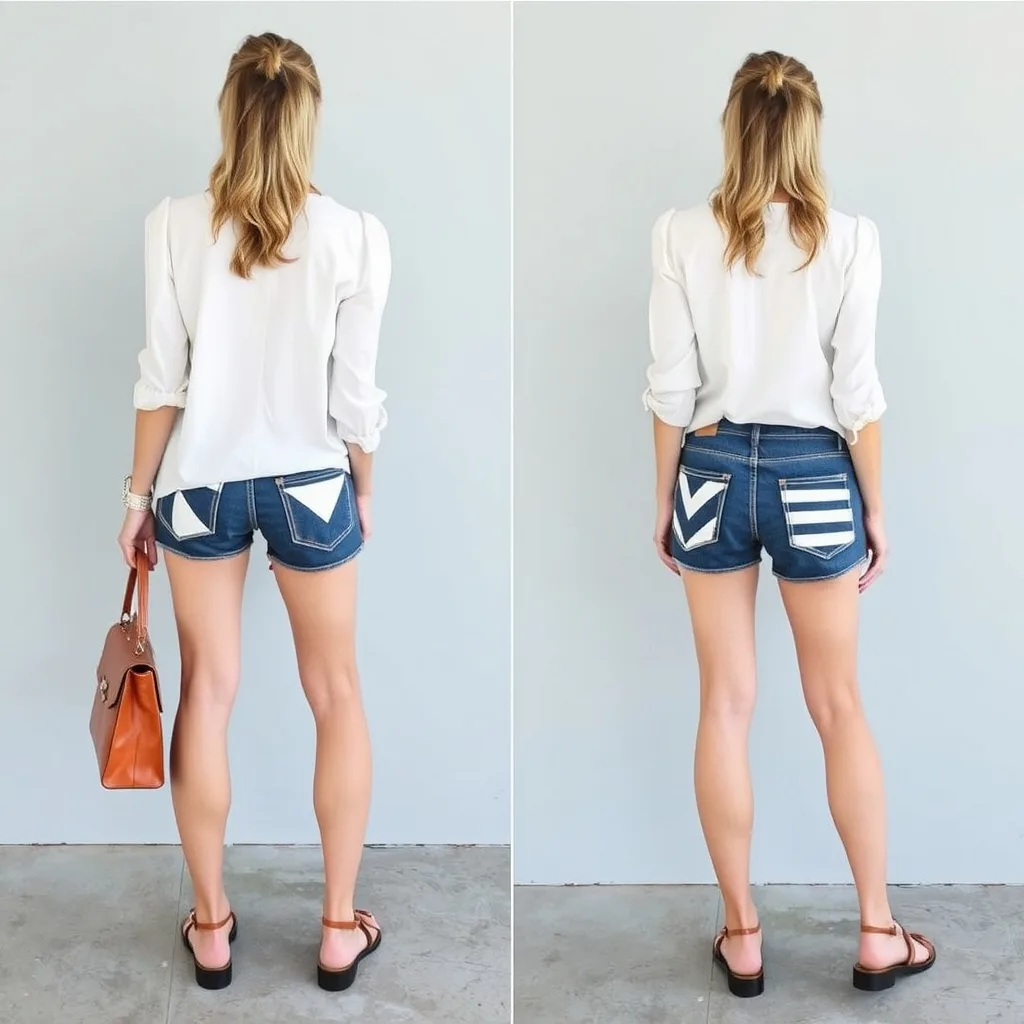
For clean lines, geometric stencils offer a structured way to update a pair of shorts. Use masking tape to create crisp triangles or stripes on the back pockets. Apply paint sparingly using a sponge to avoid bleeding under the tape edges. This method provides a professional finish even without traditional drawing skills.
Be mindful that heavy paint application can crack over time, so apply thin, multiple layers instead of one thick coat. These shorts look sharp when paired with a crisp white blouse and leather sandals. The bleach shirt designs guide uses the same stencil and tape logic on tees, so the technique transfers directly for a matching set.
Fit note: keep stencilled shapes on the back pockets and upper panels, where the fabric moves least, and the crisp edges will hold their shape all summer.
Classic Nautical Stripes
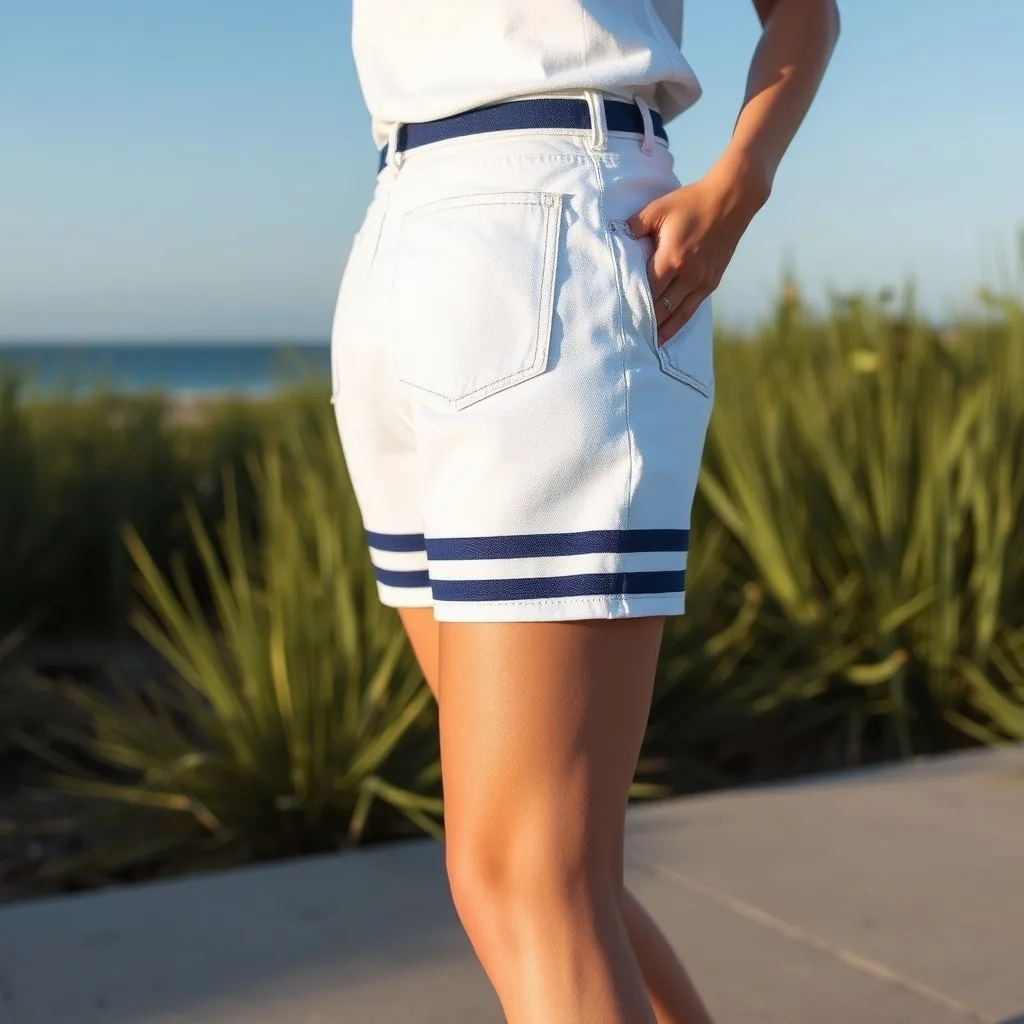
Paint: navy fabric paint, straight lines with a ruler. Durability: high, because stripes sit flat and thin. Hem care: paint the stripes 1 inch above the hem so the fray stays clean.
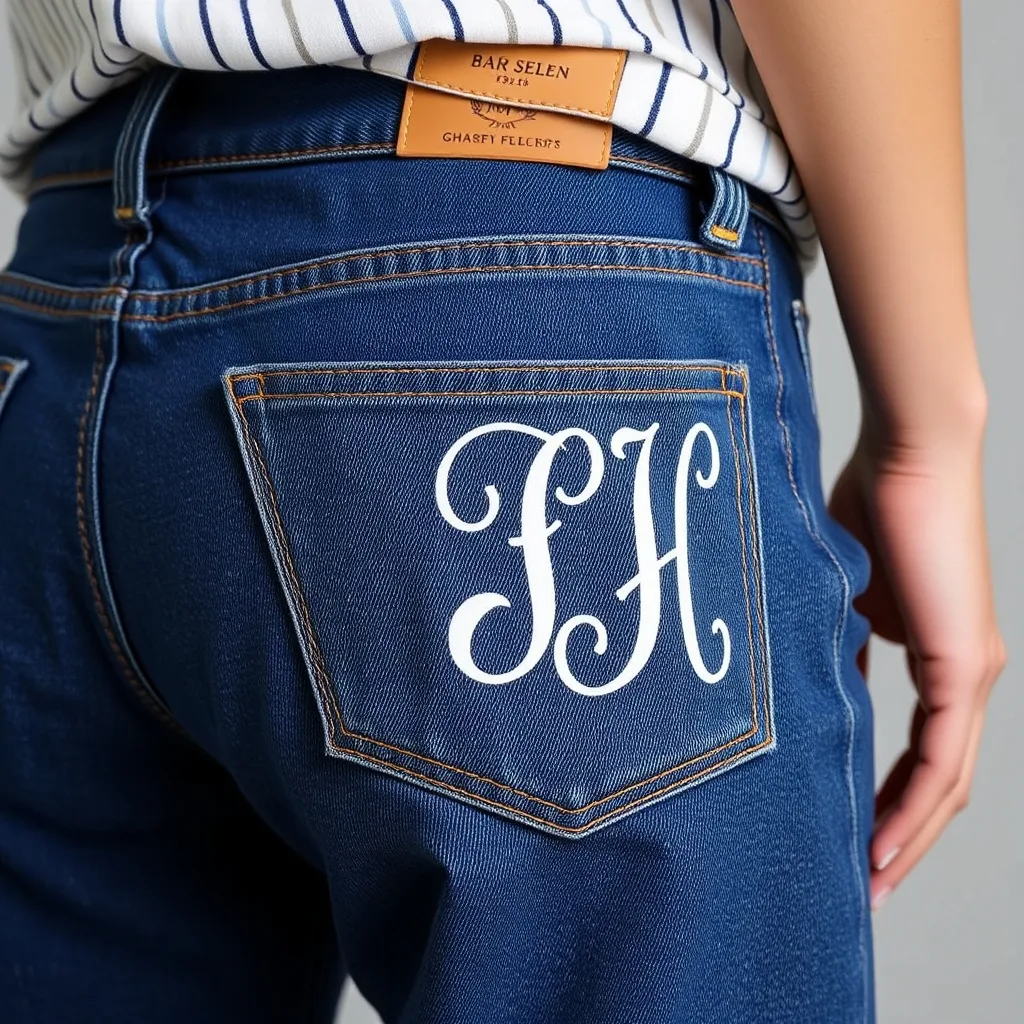
Paint bold navy blue stripes along the bottom hem of white denim shorts to achieve a classic nautical aesthetic. Use a ruler to ensure even spacing and straight lines across the fabric. This pattern draws the eye downward and creates a balanced silhouette. A cost note is to invest in high quality fabric paint rather than standard craft paint, as it remains flexible after drying.
These shorts are a great choice for coastal vacations or casual weekend outings near the water. Avoid washing in extremely hot water to keep the stripes vibrant. Keep the stripes above the hem rather than on it, because paint on a frayed hem cracks the first time the fray moves, while paint an inch above it stays intact all summer.
Care tip: wash in cold water only; hot water dulls navy paint faster than any other colour on this list.
Abstract Gold Splatter
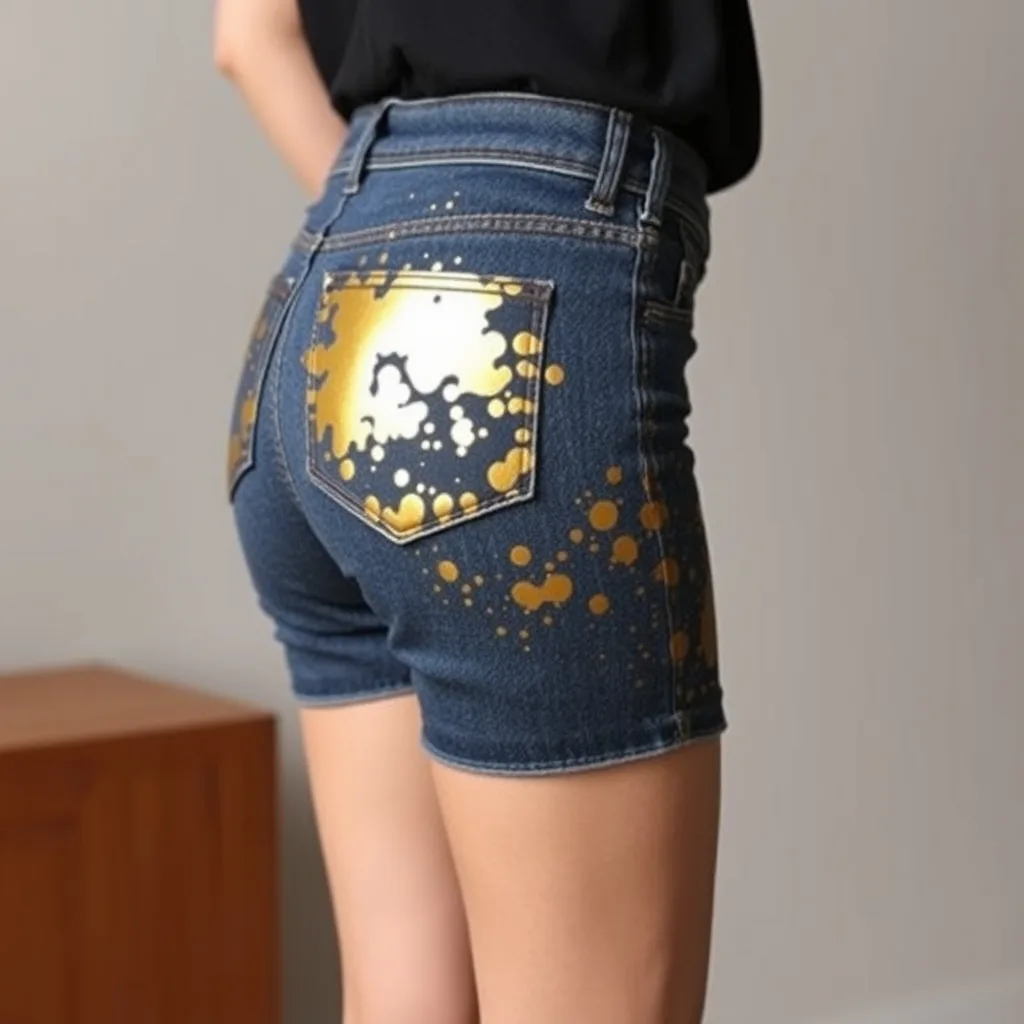
Paint: gold fabric paint, flicked from a stiff brush. Durability: medium, because metallic paint is heavier and stiffer. Hem care: keep the splatter on the front panels, away from the hem and the seat.
Add a touch of metallic flair by using gold fabric paint to create a controlled splatter effect. Load a stiff brush with paint and gently flick it across the front panels. This creates an upscale, festive appearance suitable for evening gatherings. The decision point here is density: start with a few drops and add more only if needed. Because metallic paint can be heavier, focus the splatter on one area rather than covering the entire garment.
Pair these with a black silk camisole for an evening look that feels special. Metallic paint is the one paint on this list that does not love stretch denim, so keep the splatter light and on the front panels only: the seat and the thighs stretch the most, and metallic paint cracks there first. A white button down shirt over the camisole turns this into a graduation party outfit.
Wear it with: a black silk camisole and a white button down layered over it for graduation parties.
Delicate Floral Embroidery Look
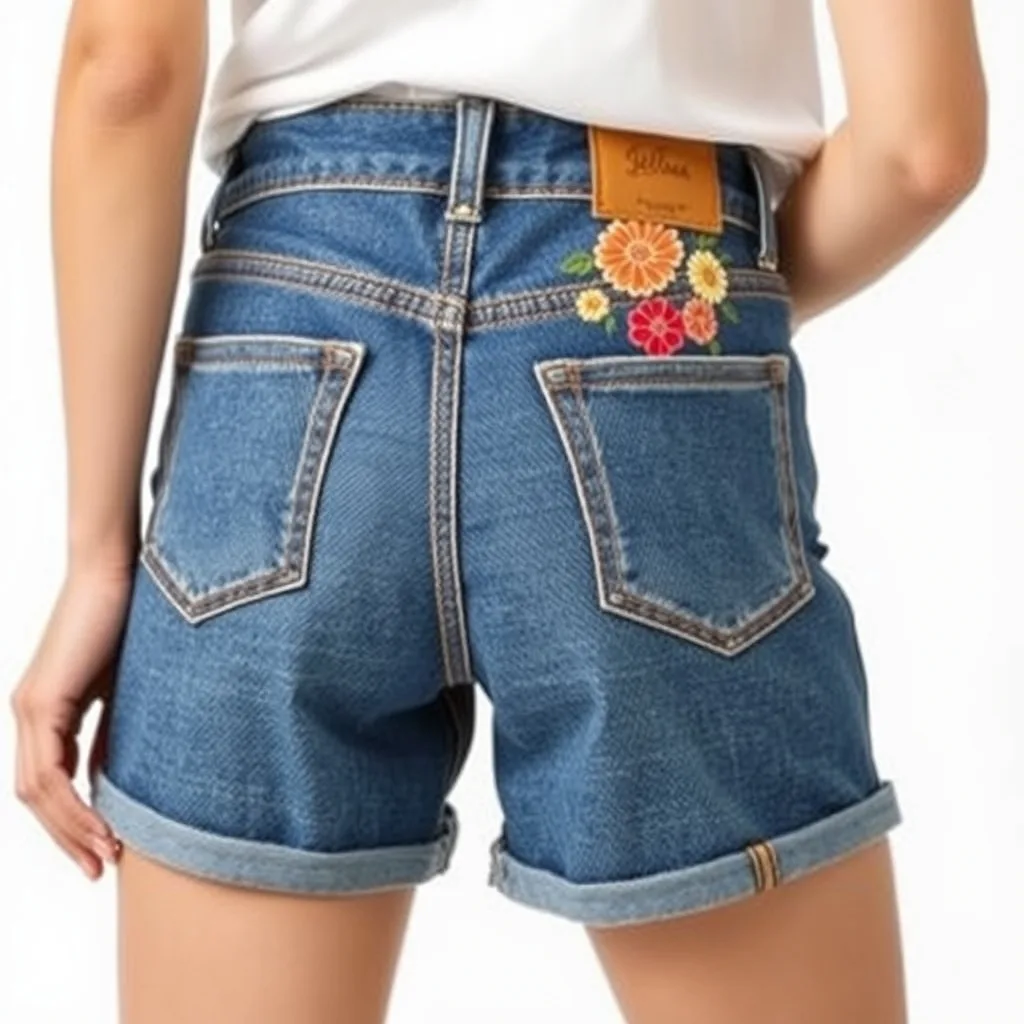
Paint: fine tip brush, fabric paint in coral, yellow, and sage green. Durability: high, because small motifs flex with the fabric. Hem care: none needed, the design sits on the waistband.
Mimic the look of embroidery by using a fine tip brush to paint small, colorful flower clusters on the waistband. Use a variety of warm tones like coral, yellow, and sage green. This adds a feminine touch without the bulk of actual thread. A care point is to turn the shorts inside out before washing to protect the painted details from abrasion.
These shorts work well with simple cotton tanks. The limitation is the time required for detailed work: block out an afternoon to finish the design carefully. The waistband is the safest place on the shorts for detailed paint, because it barely stretches compared with the seat and thighs, so fine work there survives the whole summer.
Fit note: the waistband barely stretches, which is why fine detail work belongs there and not on the seat or thighs.
Monochromatic Texture Stamping
Paint: a darker shade of blue fabric paint, applied with a stamp or textured sponge. Durability: high, because tonal paint is thin and flat. Hem care: stamp up to the hem but not over it.
Use a darker shade of blue paint on medium wash denim to create a tonal, textured look. Use a stamp or a textured sponge to apply paint in a repetitive pattern. This provides depth without high contrast, making it easy to style with various tops. It is a subtle way to update basic shorts for a more curated appearance.
Ensure the paint is fully dry before wearing to avoid transfer. This technique is forgiving for beginners because the tonal color palette hides minor imperfections in the stamping process. Tonal stamping is also the best design for older shorts with small stains, because the pattern hides wear while the darker paint covers it. The no sew upcycling guide has more ways to refresh older denim without a machine.
Fabric note: medium wash denim is the right base here; the darker blue reads as texture on it, while on light wash it would read as a stain.
Sun Bleached Horizon Lines
Paint: fabric paint in orange, pink, and yellow, blended with a soft brush. Durability: medium, because blended paint is thicker than line work. Hem care: keep the gradient above the knee line so it never sits on a fold.
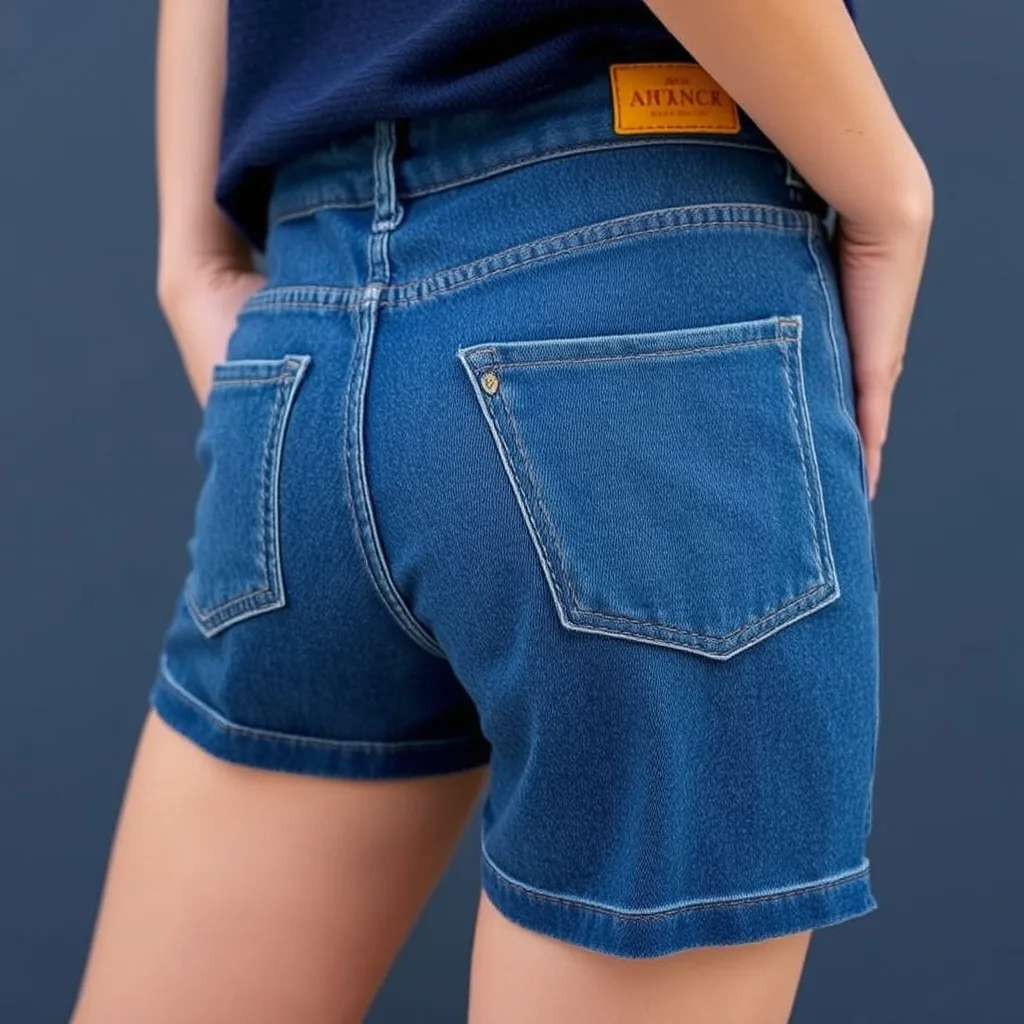
Create a landscape inspired design by painting a single horizontal line in a gradient of sunset colors across the thigh. Use a blending brush to soften the transition between orange, pink, and yellow. This design feels organic and fits well with a bohemian style. A comfort note is to ensure the paint sits flat against the fabric so it does not feel scratchy against the skin.
These shorts are great for summer festivals or beach trips. Use fabric medium to keep the paint soft and flexible throughout the day. A gradient is the hardest design on this list to keep smooth on stretch denim, so blend while the paint is still wet and work in short sections: once the edge dries, it cannot be blended again without a visible line.
Care tip: blend while the paint is wet and work in short sections; a dried edge leaves a visible line that cannot be smoothed out later.
Polka Dot Pop
Paint: fabric paint stamped with the back of a pencil eraser. Durability: high, because dots are small and spaced. Hem care: space the dots wider near the hem so the fray stays clean.
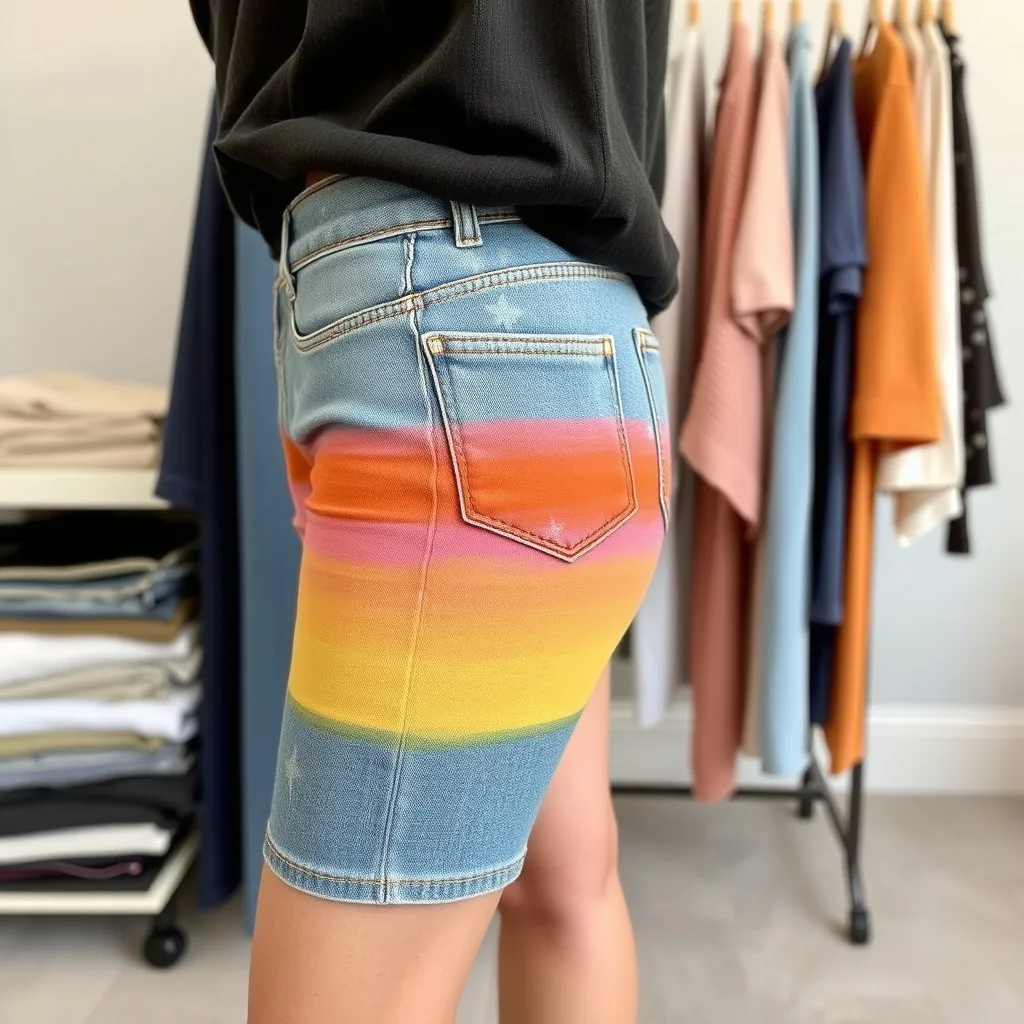
For a playful update, use the back of a pencil eraser to stamp uniform dots across the shorts. Choose a bright color like cherry red or turquoise to contrast with blue denim. This creates a vintage inspired look that remains timeless. A decision point is the spacing: wider spacing creates a modern, airy feel, while dense dots appear more retro.
These shorts pair well with striped shirts for a fun, patterned mix. The paint will last longer if harsh detergents are avoided when laundering custom denim. Dots are the most forgiving design for a first timer, because a single uneven dot disappears into the pattern, while a single uneven line stands out. The cut up tee guide pairs well with these shorts for a full DIY summer outfit.
Wear it with: a striped shirt for a playful patterned mix, and a gentle detergent in the wash.
Monogrammed Pocket Detail
Paint: white or silver fabric paint through a stencil. Durability: very high, because the pocket barely stretches. Hem care: none needed.
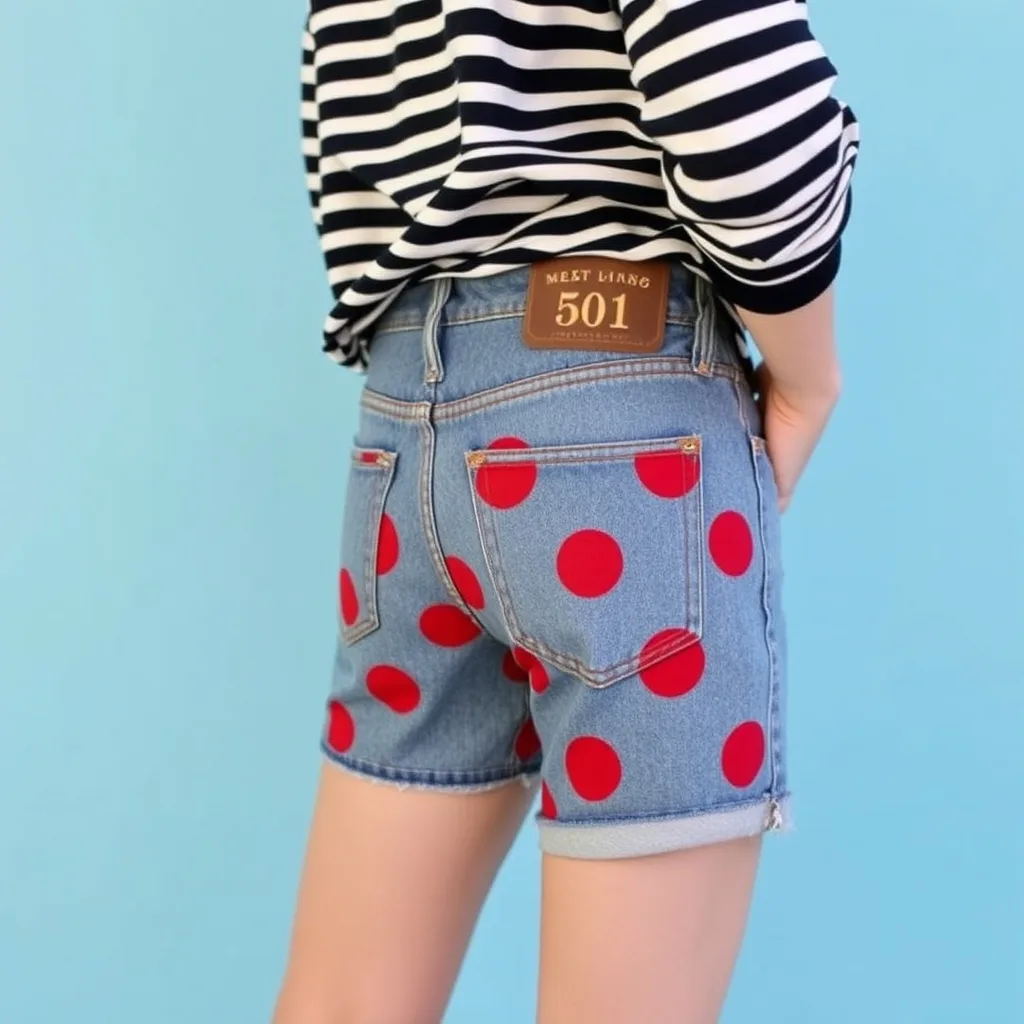
Paint initials or a short word on the corner of a back pocket using a stencil. This adds a personal, custom touch that feels bespoke. Use a contrasting color like white or silver for visibility. This is a subtle modification that makes a basic garment feel intentional. Consider the font style carefully: a serif font provides a classic look, while a script font feels more casual.
This project requires very little paint and can be finished quickly. It is a simple way to make shorts uniquely personal. The back pocket is the single best place to paint on stretch denim, because it is double layered and barely moves, so the paint there outlasts every other design on this list. The cargo upcycle guide uses the same pocket first logic for embroidery, which is the same principle in a different medium.
Fit note: a double layered back pocket barely moves, so a monogram painted there outlasts every other design on this list.
Summer Wash Care Table
The rule is the same for every design: cold water, a gentle cycle, inside out, hang to dry. Heat is what kills fabric paint, in the wash and in the dryer. The only thing that changes is how long to wait before the first wash.
- After heat setting: botanical linework, geometric stencil, nautical stripes, gold splatter, floral embroidery look, texture stamping, polka dots, monogram pocket.
- After 72 hours of drying: watercolor wash, horizon gradient.
Common Questions About Painting Denim Shorts
Which paint should I use on stretch denim shorts?
Use fabric paint, or acrylic paint mixed with fabric medium at one part medium to two parts paint. Fabric paint contains binders that stay flexible after drying, so the design bends with the denim instead of cracking. Standard craft acrylic dries into a hard shell and cracks on the first stretch, so it is the one paint to avoid on stretch denim.
How long do I wait before washing painted shorts for the first time?
Heat set the design with an iron first, through a thin cloth, once the paint is fully dry. After heat setting, most designs on this list can be washed on a gentle cycle, inside out, in cold water. The two exceptions are the watercolor wash and the horizon gradient: give those a full 72 hours of drying before the first wash, because their paint layers are thicker and need longer to cure.
Will painting change how my shorts fit?
The paint itself does not change the fit; the fit changes only when paint is applied so thickly that the fabric cannot stretch. Keep designs small or thin — line work, small motifs, thin washes — and the shorts will feel the same as before painting. Large solid blocks of paint restrict movement and cause discomfort, so thin layers are the whole answer on stretch denim.
What is the easiest painted design for a first timer?
Polka dots. Stamp them with the back of a pencil eraser in cherry red or turquoise, space them wider near the hem, and a single uneven dot disappears into the pattern. The monogram pocket is a close second: it needs very little paint, finishes quickly, and sits on the double layered pocket that barely moves.
Can I paint shorts that already have stains or wear spots?
Yes — painting is a practical way to refresh older denim. A watercolor wash hides small stains on light wash denim, and tonal texture stamping covers wear on medium wash denim while the pattern hides imperfections. The design gives older shorts a new life without buying anything new.
How do I keep paint off the frayed hem?
Do not paint on the fray itself. Keep every design at least 1 inch above the hem and let the fray stay raw and unpainted. If a hem is already fraying too far, trim it back to a clean line and seal the new edge with a thin line of fabric glue or a zig zag stitch before painting. The senior year jeans guide covers the same hem care for full length painted jeans.
Before You Start: A Quick Checklist
- Pick a design that matches the denim: line work and dots for a first attempt, watercolor or gradient only on light wash.
- Use fabric paint, or acrylic mixed with fabric medium at one part medium to two parts paint — never straight craft acrylic.
- Keep paint thin: small motifs, thin layers, and nothing painted on the fray itself.
- Heat set every design with an iron through a thin cloth before the first wash.
- Wait 72 hours before washing the watercolor wash and the horizon gradient; the rest can be washed after heat setting.
- Wash cold, gentle cycle, inside out, and hang to dry — heat is what kills fabric paint.
Start with the monogram pocket or the botanical linework. Both are thin, fast, and almost impossible to get wrong on stretch denim, and both teach the two skills every other design needs: thin layers, and heat setting before the first wash.