7 Cute Pencil Cases
How to use this guide
These are editorial styling suggestions, not a one-size-fits-all formula. Adapt each look to your wardrobe, proportions, climate, comfort, budget, and the occasion; the most useful idea is the one you can genuinely wear.
A pencil case is a small thing to get wrong, but a wrong one announces itself daily: the zipper that jams every morning, the pouch that fits three pens when you carry twelve, the cute design that looks filthy by October. The difference between a case you love all year and one you replace by Thanksgiving comes down to three unglamorous things — zipper quality, lining, and honest capacity. Get those right and the aesthetic is a bonus, not a gamble.
These seven picks are real products you can actually buy, with honest price ranges and what genuinely fits inside each one.
What to check before you buy
The zipper is the whole product. A pencil case is opened and closed a dozen times a day. Metal zippers and branded coil zippers (YKK is the name you'll see on good ones) survive the school year; unbranded plastic zippers are the number-one failure point on cheap cases. If the product photos hide the zipper, that's your answer.
Lining matters more than the outside. A wipeable nylon or polyester lining means a leaky pen is a two-minute cleanup instead of a ruined case. Unlined canvas absorbs ink permanently.
Match the case to your actual kit. Count what you carry: pens, pencils, highlighters, eraser, ruler, USB drive. A slim pouch holds 8–10 slim items; a boxy case holds 20+. Art students carrying brush pens and blending stumps need the big-format cases, not the cute flat ones.
The leather roll that ages with you
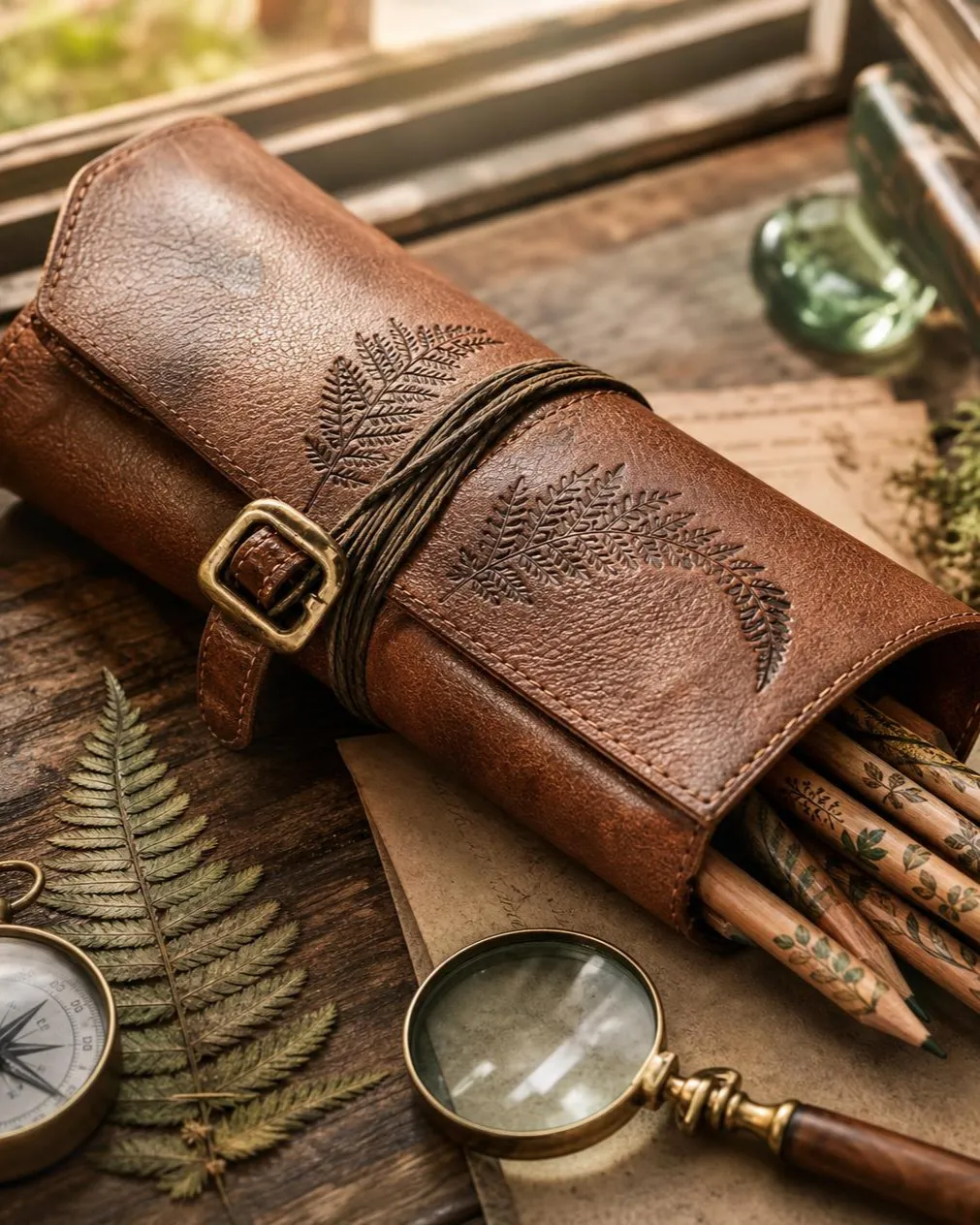
Leather pencil rolls from independent leatherworkers on Etsy (typically $25–$45) are the buy-it-once option. Full-grain or top-grain leather develops a patina instead of falling apart, the roll format fits 10–15 pencils or pens without bulk, and it lies flat on a desk instead of hogging space. The trade-off is real: no rigid structure means no crush protection, and there's rarely a dedicated eraser pocket, so small items migrate. Condition the leather once a semester and it'll outlast every fabric case you've owned. Best for students who carry quality over quantity — a handful of good pens rather than thirty. It belongs in a kit with these essential back-to-school accessories under $30.
The novelty pouch (bought for joy, honestly)

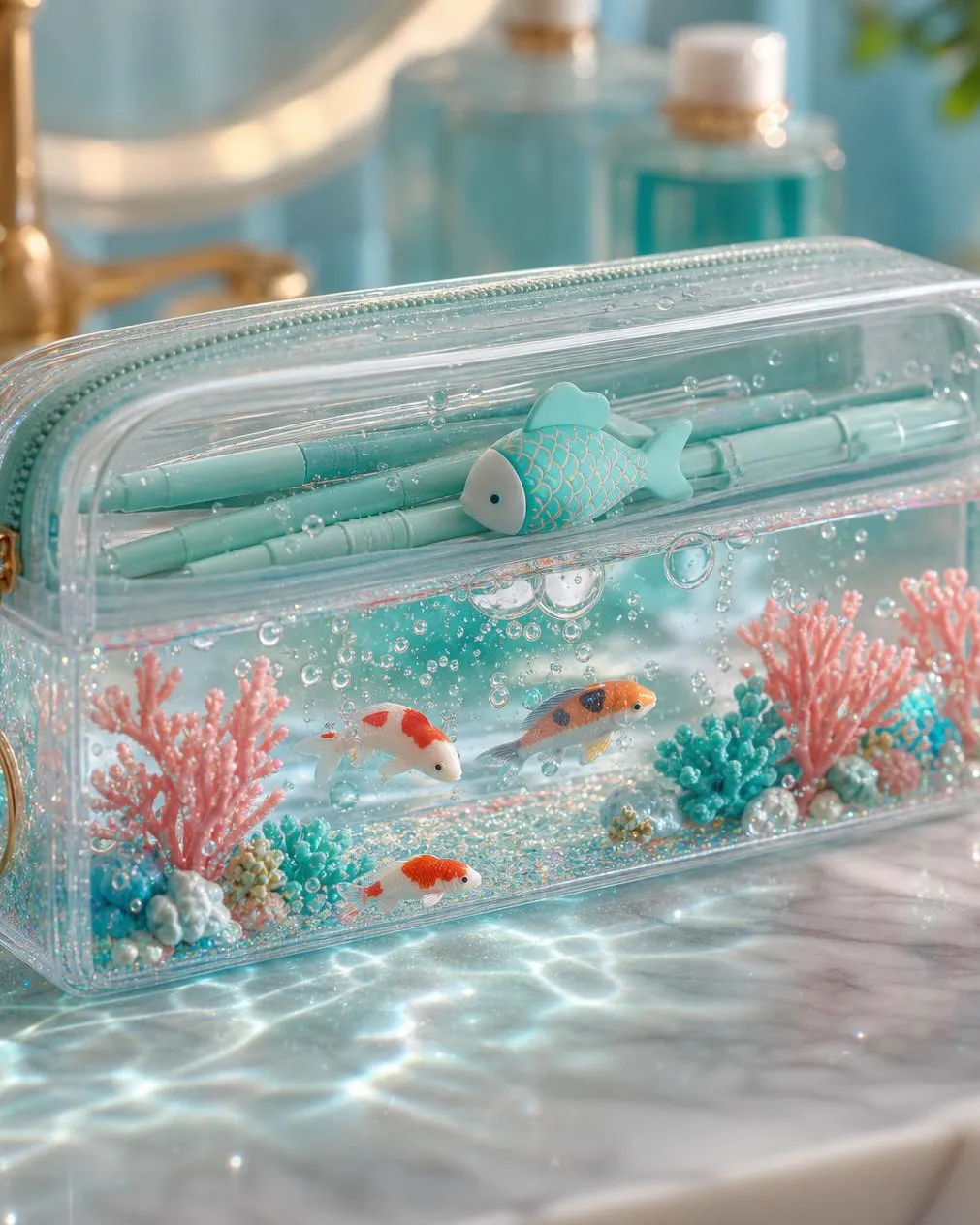
Fantasy and novelty pouches — snow globes, aquariums, miniature scenes — live at BoxLunch, Hot Topic, and Amazon in the $12–$20 range. Let's be honest about what these are: desk jewelry that happens to hold pens. The capacity is usually modest (6–10 slim items), the zippers are average, and intricate 3D details don't love being crushed in a packed backpack. None of that is a reason not to buy one — joy is a legitimate feature of a school supply — but pair it with realistic expectations. Pro tip: keep the novelty pouch for your favorite pens and carry a cheap backup for the overflow. It'll last years if it's not doing all the work. Keep it safe inside one of these aesthetic backpacks to style for school.
The crush-proof hard shell
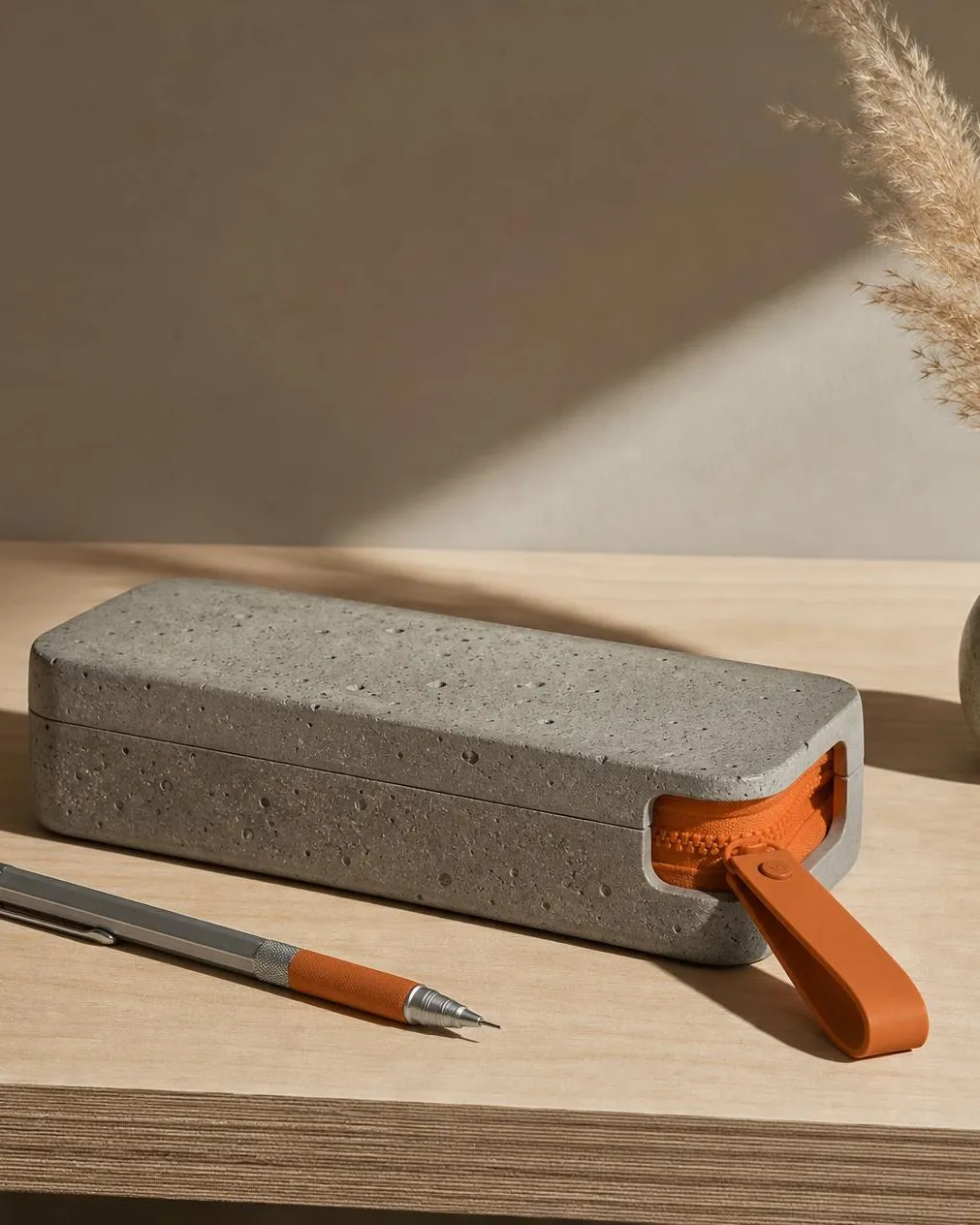
If you've ever opened your bag to find a highlighter exploded across everything, a hard-shell case is your answer. The Zipit Monster (around $12–$15) and similar hard EVA cases keep their shape no matter what's stacked on them, and the single-compartment design fits 15–20 items without the bulk of a multi-pocket box. The rigid shell also protects mechanical pencils — the number-one casualty of soft pouches. Downsides: hard cases don't compress, so they take up fixed space in your bag, and the zippers on budget hard shells deserve a careful look before you commit. For students who throw their bag around (everyone), this is the practical pick hiding in an aesthetic list.
The clear jelly pouch
Clear PVC pouches — Muji's are the classic at around $8–$12, with plenty of Amazon equivalents under $10 — solve the "where is my pen" problem permanently because you can see everything. They're also the easiest to clean: wipe the inside with a damp cloth and you're done. Two honest caveats: clear cases show every scuff and ink smudge, so they look worse faster than opaque ones, and cheap PVC can yellow or crack if left in a hot car. Store them at room temperature and they'll last. The see-through look also keeps you honest about how much you're carrying, which is either a feature or a confrontation depending on your habits.
The artist-print pouch

Pouches printed with independent artists' work (Society6 and Redbubble, typically $15–$25) are how you get a stained-glass, dark-academia, or illustrated design that nobody else in your lecture hall has. The art is the point — print quality on these platforms is consistently good — and you're paying an actual artist rather than a drop-shipper. Construction is standard zippered-pouch fare: fine for daily use, not heirloom-grade. If your whole aesthetic runs dark academia, this is the easiest way to make your desk setup match your wardrobe. Just check the listed dimensions; marketplace pouches sometimes photograph larger than they are.
The retro canvas flat pouch
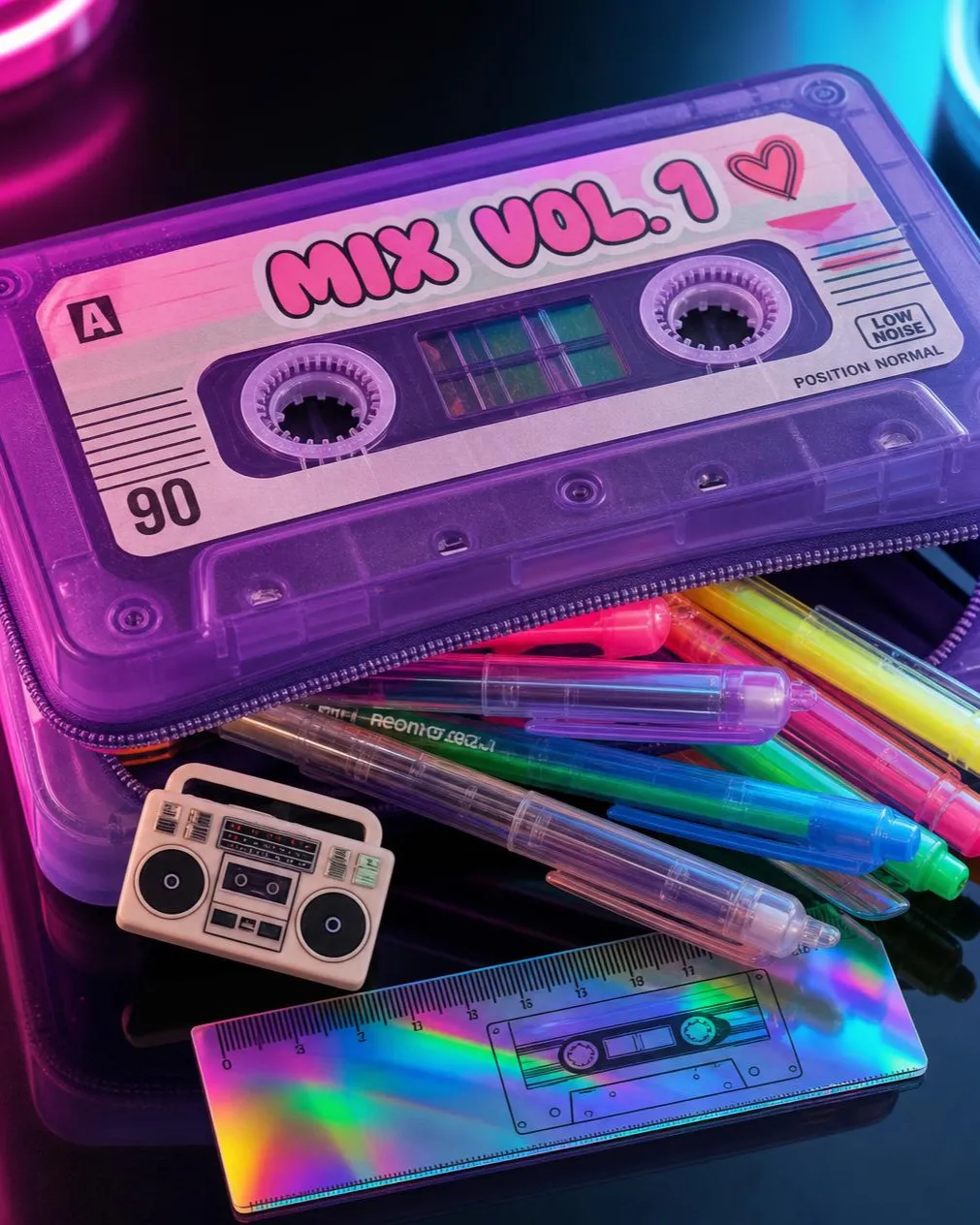
Flat canvas pouches with retro or pop-culture prints (Etsy sellers and Amazon, $10–$18) are the minimalist's answer: they disappear into a bag, weigh nothing, and hold the 8–10 items most students actually use daily. Canvas with a printed design hides wear far better than solid colors, and a simple envelope or zip style has no hardware to break. The limitation is capacity and protection — no padding, no structure, no room for a chunky highlighter set. Think of it as a wallet for pens. If your kit is genuinely small, this is all you need, and the money you save goes toward better pens.
The stand-up desk saver

Stand-up pencil cases are the best design idea in this category that most students haven't tried. The LIHIT LAB Smart Fit ActAct and the Kokuyo Neo Critz (both real Japanese stationery staples, roughly $12–$20 on Amazon and JetPens) unzip into a stable cup that sits on your desk, so your pens are visible and reachable instead of buried in a pouch. Zip it back up and it's a slim case again. For small desks, dorm rooms, and exam halls, the footprint advantage is real. Capacity is moderate (12–18 slim items), and the transforming mechanism adds a potential failure point — but both brands' zippers are well above average. If you study at a desk daily, try one; it's the rare "aesthetic" pick that's actually more functional than the alternative.
Pencil case questions, answered
How many pens should a pencil case realistically hold?
Count your daily kit and add 30%. Most students carry 8–12 writing instruments plus an eraser and a USB drive — a case rated for 15+ slim items covers that with room to breathe. Art students with brush pens, markers, and blending tools should look at 30+ slot wraps like the Sooez 72-slot roll (around $15) rather than standard pouches.
Is leather actually more durable than canvas for pencil cases?
Good leather outlasts canvas by years and looks better doing it, but it costs 2–3x more and offers no crush protection. Waxed canvas is the middle ground — tougher than regular canvas, cheaper than leather. For pure longevity-per-dollar, a well-made canvas case with a YKK zipper is hard to beat.
How do you clean a jelly PVC pencil case?
Empty it, wipe inside and out with a damp cloth and mild soap, and air-dry fully open. Don't use alcohol or harsh cleaners — they cloud clear PVC. If ink has stained the plastic, a paste of baking soda and water left for an hour lifts most of it.
What's the best pencil case for art students?
Capacity and protection beat aesthetics here. A 72-slot canvas wrap (Sooez and similar, around $12–$18) keeps every pencil visible and separated, which matters when you're reaching for a specific shade mid-sketch. Pair it with a small hard-shell case for erasers, sharpeners, and blending stumps.
Small item, daily payoff
You touch your pencil case more times a day than almost anything you own. Spend the extra five dollars on the one with the good zipper — it's the cheapest upgrade in your entire school setup, and unlike most aesthetic purchases, you'll feel the difference every single morning.